
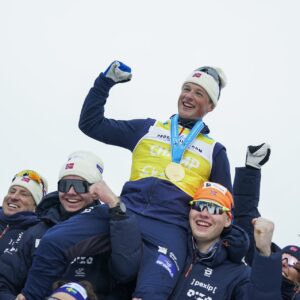
A month after his unexpected resignation as the head coach of the Swedish national cross-country ski team, Anders Byström has broken his silence, expressing deep disappointment and a sense of betrayal regarding the circumstances leading to his departure. Byström stepped down in late March, a full year before his contract with the Swedish Ski Association was set to expire, following significant criticism and widespread dissatisfaction within the team. The move came as a shock, particularly given the team’s remarkable success at the recent Olympic Games, where they secured an impressive ten medals, marking one of Sweden’s most successful championship performances in history.
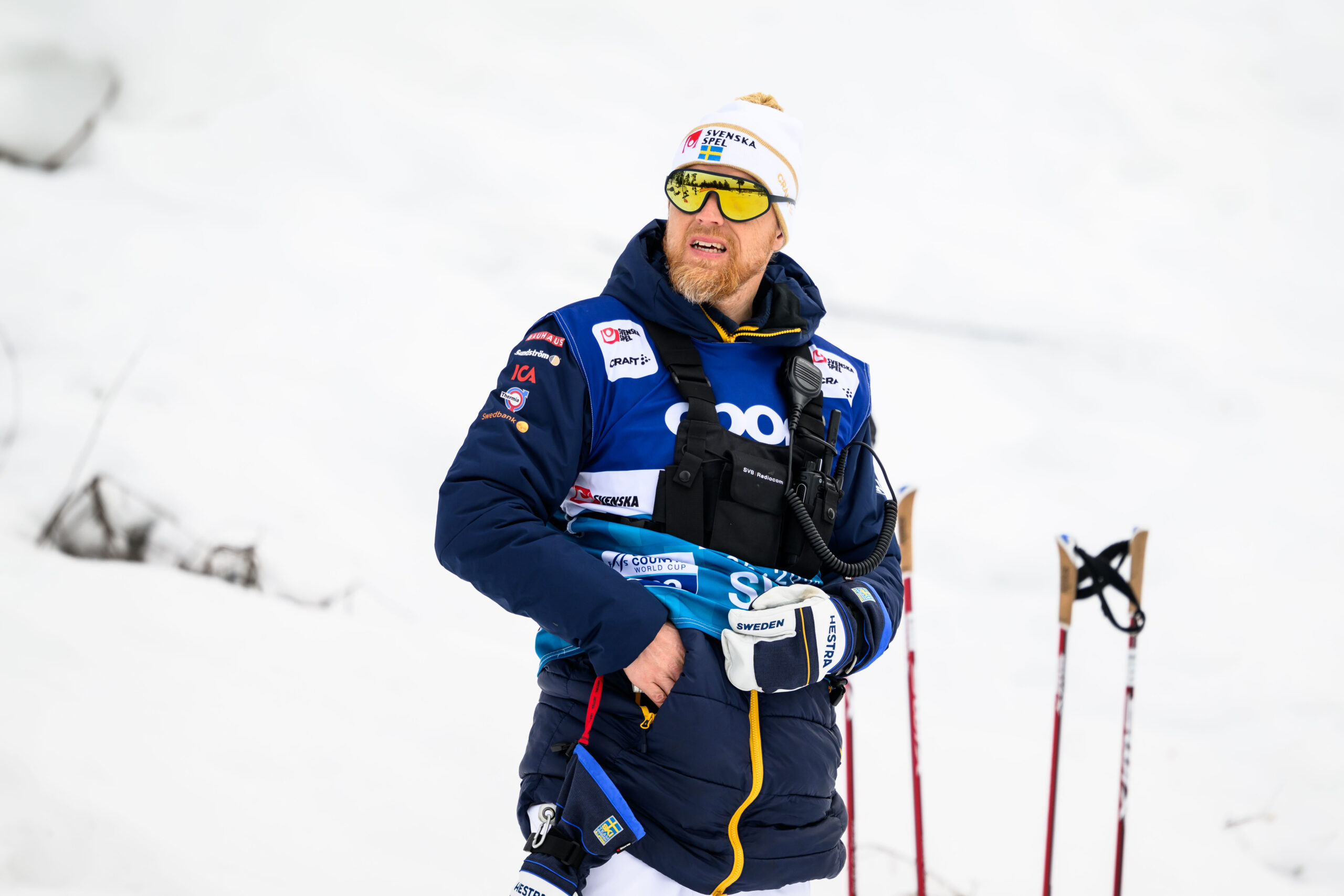
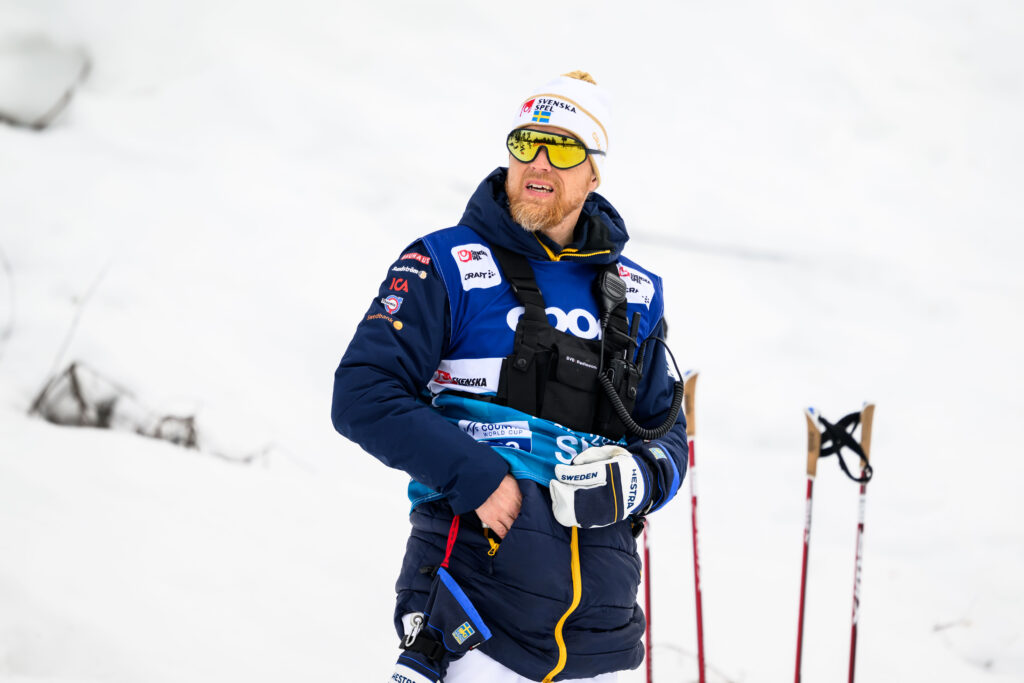
Byström, in a candid interview with the newspaper Örnsköldsvik Allehanda, revealed his hurt over athletes allegedly going behind his back and voicing their criticisms through media channels rather than directly to him. "I am disappointed that certain athletes went behind my back. I want respect, and then you get stabbed in the back," Byström stated, his words conveying a profound sense of personal injury. He emphasized that he expected constructive feedback and concerns to be brought to him directly, allowing for open dialogue and problem-solving. The indirect nature of the criticism, particularly through anonymous reports to the media, has left him feeling wounded.
A Season of Unprecedented Success Marred by Internal Discord
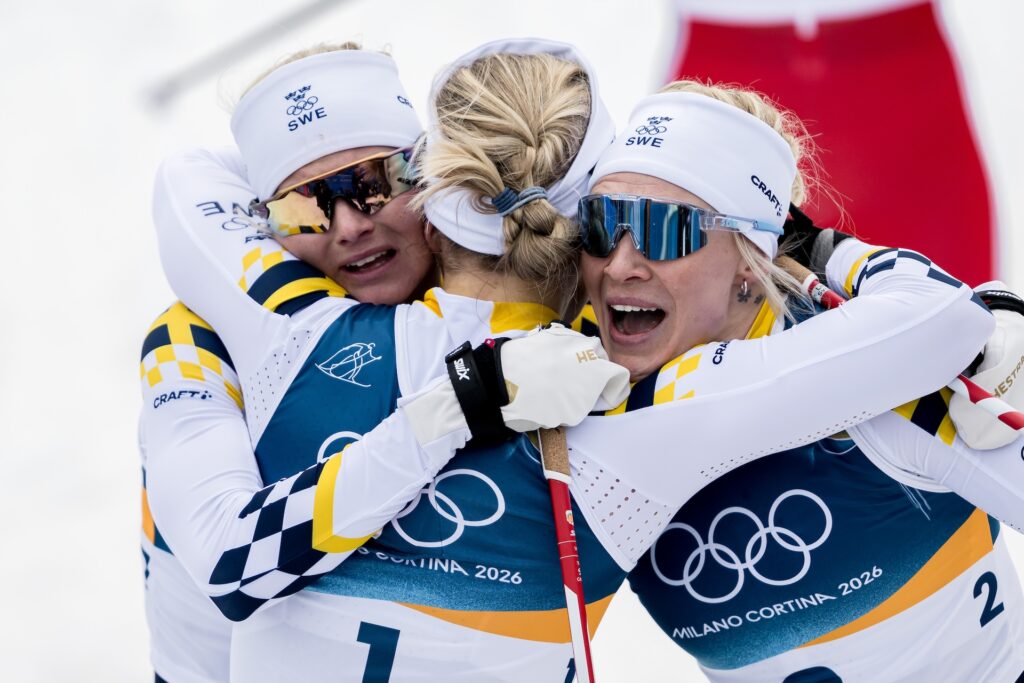
The context of Byström’s resignation is crucial to understanding the gravity of his statements. The Swedish cross-country ski team achieved a historic haul of ten medals at the Olympic Games – five of which were gold. This outstanding performance placed them among the top nations globally and represented a pinnacle of achievement for the sport in Sweden. Athletes like Maja Dahlqvist, Linn Svahn, and Jonna Sundling were instrumental in this success, dominating the sprint events. The team’s overall medal count surpassed previous records, solidifying their status as a powerhouse in international cross-country skiing.
Despite this undeniable success on the international stage, a palpable undercurrent of discontent seems to have been brewing within the team. Byström’s departure suggests that the triumph was not universally felt or that underlying issues were significantly impacting team dynamics and his leadership. The abrupt resignation, with a year remaining on his contract, points to a situation that had become untenable for both the coach and, seemingly, a segment of the athletes.
The Disconnect Between External Triumph and Internal Conflict
Byström articulated his bewilderment at the public revelation of internal issues following such a triumphant Olympic campaign. "It feels strange when we have put behind us a record-breaking Olympics with ten medals, including five golds. And you think, ‘Yes, this went really well.’ Then you come home and see these articles that you are totally unprepared for," he explained. This stark contrast between the celebratory atmosphere surrounding the Olympic success and the emergence of critical reports highlights a significant disconnect between the team’s public image and its internal reality.
He described the athletes’ behavior as "unpleasant" and admitted that this dissatisfaction was a pivotal factor in his decision to resign. "I must say that it affected my decision," Byström stated, acknowledging the weight of the internal dissent. While accepting his role as the leader responsible for much of the criticism, he also expressed a sense of injustice, suggesting that not everyone fully understood the complexities and demands of his position. This sentiment hints at a potential lack of empathy or understanding from some team members regarding the pressures and responsibilities of a head coach.
A Timeline of Unfolding Tensions
The events leading to Byström’s resignation can be pieced together through the information provided:
- Pre-Olympic Period: While not explicitly detailed, it can be inferred that underlying issues and criticisms likely began to surface or intensify in the lead-up to major competitions, including the Olympics.
- Olympic Games (Early 2026): The Swedish team achieves unprecedented success, securing ten medals. This period is presented as a high point externally, but the seeds of internal conflict appear to have been sown or exacerbated.
- Post-Olympic Period (Late March 2026): Following the Olympic triumph, critical reports and dissatisfaction within the team come to light, reportedly through media channels.
- Resignation (Late March 2026): Anders Byström announces his resignation, citing the internal criticism and dissatisfaction as primary reasons, a year before his contract was due to end.
- One Month Post-Resignation: Byström breaks his silence in an interview with Örnsköldsvik Allehanda, detailing his feelings of betrayal and disappointment.
This chronology suggests a complex situation where external success masked internal friction, which ultimately led to a significant leadership change.
Supporting Data and Context
The Swedish Ski Association, responsible for managing the national teams, faces the challenge of navigating these internal conflicts while maintaining performance standards. The association’s response to such situations typically involves internal reviews, discussions with athletes and coaches, and strategic decisions regarding leadership. The fact that Byström’s contract was terminated a year early suggests that the Ski Association may have agreed with the assessment that a change in leadership was necessary, or that the pressure from the athletes had become too significant to ignore.
The phenomenon of athlete-led criticism impacting coaching decisions is not unique to cross-country skiing. In many elite sports, athlete satisfaction and team cohesion are vital components of success. However, the manner in which this criticism is voiced – directly to leadership versus through external channels – can significantly influence the perceived fairness and professionalism of the process.
Potential Reactions and Broader Implications
While direct statements from other parties involved have not been published in the provided text, it is plausible that the Swedish Ski Association is undertaking an internal assessment of the situation. The association’s primary objective would be to ensure a stable and productive environment for the athletes moving forward. This might involve mediation, clarifying communication protocols, and potentially implementing new strategies for athlete-coach relations.
The implications of this situation extend beyond the immediate coaching change. It raises questions about:
- Athlete Empowerment: To what extent should athletes have a direct say in coaching decisions? While athlete input is valuable, the balance between athlete agency and the coach’s authority is a delicate one.
- Communication Channels: The importance of establishing clear and effective communication channels within a team cannot be overstated. A breakdown in direct communication can lead to misunderstandings, resentment, and ultimately, a toxic environment.
- Leadership in Elite Sports: The pressure on coaches in elite sports is immense. They are tasked with not only developing athletic performance but also managing team dynamics, individual personalities, and external expectations.
- Media Influence: The role of the media in reporting on internal team matters can be both constructive and destructive. Anonymous criticism, while sometimes highlighting genuine issues, can also be used to undermine individuals without accountability.
Byström’s statement serves as a poignant reminder that success on the podium does not always equate to harmony behind the scenes. The Swedish cross-country ski team now faces the task of rebuilding trust and ensuring that internal dynamics are as robust as their external performance, setting the stage for future competitions and maintaining their position as a leading nation in the sport. The coming months will likely see further developments as the Swedish Ski Association addresses the aftermath of this public revelation and works towards a more cohesive future for its national team.

