
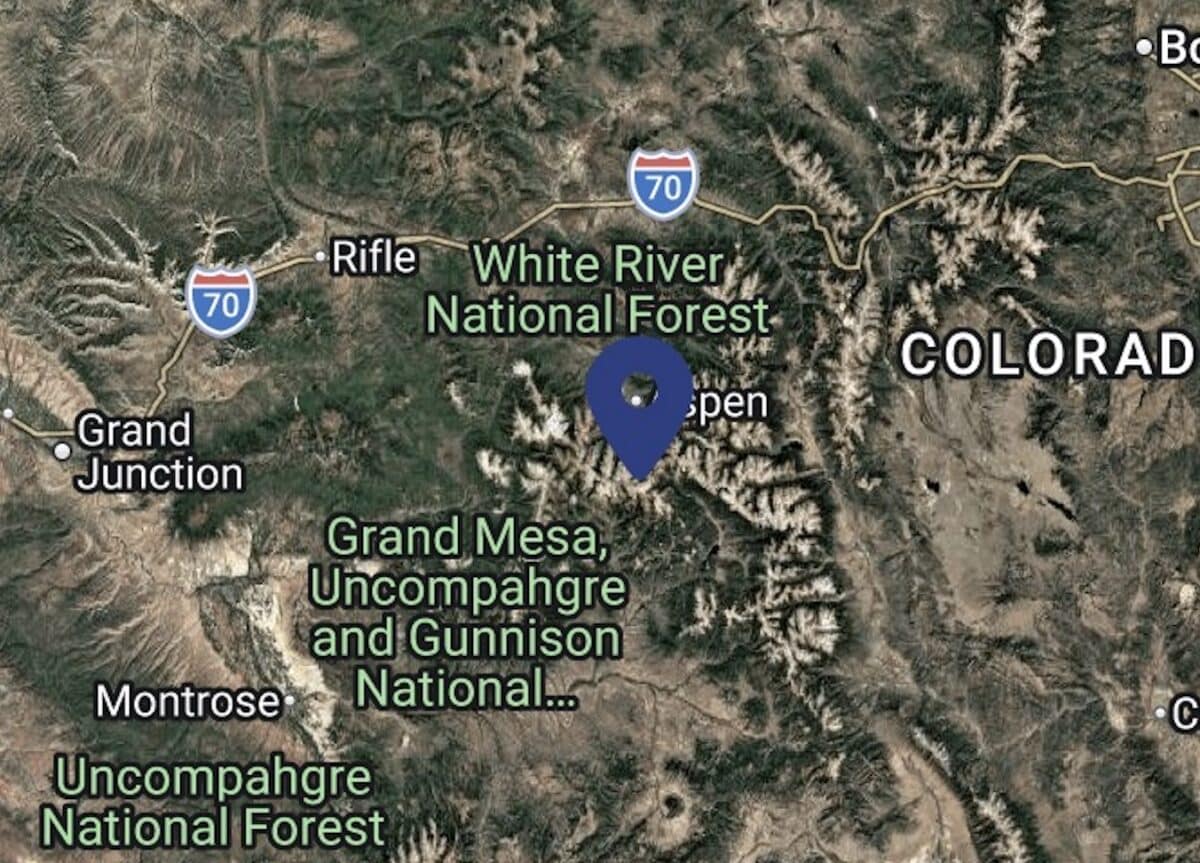
Pitkin County, Colorado – A backcountry skier sustained a significant knee injury on Sunday afternoon, necessitating a complex rescue operation involving multiple members of Mountain Rescue Aspen (MRA). The incident occurred in the vicinity of the Lindley Hut, a remote backcountry shelter nestled within the rugged Elk Mountains, approximately midway between the renowned ski towns of Aspen and Crested Butte. The rescue highlights the inherent risks associated with backcountry travel and the critical role of highly trained volunteer rescue teams in safeguarding outdoor enthusiasts.
Incident Overview and Timeline
The emergency unfolded at approximately 11:46 AM on Sunday, when the Pitkin County Regional Emergency Dispatch Center received a distress signal from a satellite communication device. The signal indicated a medical emergency near the Lindley Hut, a popular destination for backcountry skiers and mountaineers within the Alfred Braun Hut System. The injured party, part of a larger group, had suffered a debilitating knee injury, rendering them unable to self-evacuate from the remote terrain.
Upon receiving the alert, the call was immediately relayed to the Pitkin County Sheriff’s Office, which serves as the primary coordinating agency for backcountry emergencies in the region. Recognizing the need for specialized assistance, the Sheriff’s Office promptly activated Mountain Rescue Aspen (MRA), a highly respected, all-volunteer organization renowned for its expertise in mountain search and rescue operations.
Mobilization and Rescue Operation
Coincidentally, three MRA members were already engaged in a ski tour in the general vicinity of the Lindley Hut at the time of the incident. This proximity proved invaluable, allowing for an initial rapid assessment of the situation. Following direct communication with the distressed party, these on-scene MRA members were tasked with beginning the preliminary stages of the rescue.

Simultaneously, a secondary MRA response was initiated from the organization’s local cabin. A dedicated team of three additional MRA members, equipped with essential rescue gear and an emergency sled, was dispatched to the scene. This dual approach ensured both immediate on-site support and the timely deployment of specialized equipment necessary for a successful evacuation from challenging alpine terrain.
The injured skier and their companions demonstrated remarkable resilience and preparedness by initiating self-extrication efforts prior to the full arrival of the rescue team. This proactive measure significantly expedited the overall rescue process. MRA personnel were able to successfully retrieve the specialized emergency sled from the Lindley Hut, a critical piece of equipment designed for transporting injured individuals over snow and difficult terrain. The rescue team then rendezvoused with the patient and their party.
Following a thorough medical assessment and stabilization of the injured skier, the MRA team expertly utilized the sled to safely transport the individual out of the backcountry. The entire operation was concluded with all team members and the rescued skier out of the field by approximately 3:00 PM on Sunday. In total, sixteen dedicated MRA members contributed their time, skills, and expertise to ensure the safe resolution of this incident.
Context and Significance of the Location
The Lindley Hut, managed by the 10th Mountain Division Foundation, is a remote backcountry lodge situated at an elevation of approximately 11,500 feet in the Elk Mountains. Its location offers unparalleled access to vast expanses of challenging and scenic backcountry terrain, popular for ski touring, mountaineering, and alpine exploration. The hut itself serves as a crucial waypoint and shelter for individuals venturing into this remote wilderness.
The Elk Mountains are known for their dramatic peaks, extensive glaciated terrain, and a propensity for unpredictable weather. This environment demands a high level of skill, experience, and preparedness from all backcountry users. The incident underscores the reality that even experienced outdoor enthusiasts can encounter unforeseen challenges in such environments.
Supporting Data and Statistics
Mountain Rescue Aspen operates on a completely volunteer basis, relying on the dedication and commitment of its members who undergo rigorous training in wilderness medicine, technical rescue techniques, avalanche safety, and navigation. Annually, MRA responds to dozens of calls for assistance, ranging from minor injuries to complex, multi-day search operations. The organization is a vital component of the Pitkin County emergency response infrastructure, providing essential expertise and resources that would otherwise be unavailable.
The Pitkin County Sheriff’s Office consistently emphasizes the importance of backcountry safety. In recent years, there has been a noticeable increase in backcountry recreational activity, particularly in the wake of global events that have encouraged outdoor pursuits. While this trend is positive for promoting healthy lifestyles, it also necessitates a heightened awareness of potential risks and the importance of adequate preparation. Data from the Colorado Avalanche Information Center (CAIC) often highlights the inherent dangers of avalanche terrain, but injuries from falls and other non-avalanche related incidents are also a significant concern in the backcountry.
Official Responses and Safety Recommendations
The Pitkin County Sheriff’s Office extended its sincere gratitude to the volunteer members of Mountain Rescue Aspen for their unwavering commitment and exceptional service. A statement from the Sheriff’s Office highlighted the critical importance of MRA’s role in ensuring the safety of individuals venturing into the county’s vast backcountry.
Both the Pitkin County Sheriff’s Office and Mountain Rescue Aspen issued a joint advisory to backcountry skiers and other outdoor enthusiasts. They strongly urged all individuals to:
- Carry a Satellite Communication Device: In remote areas where cell service is unreliable or non-existent, a satellite communication device (such as a Personal Locator Beacon or satellite messenger) is essential for initiating emergency calls. The successful and timely rescue in this instance was directly facilitated by the use of such a device.
- Be Thoroughly Prepared: This includes having appropriate gear for the conditions, sufficient food and water, navigation tools, and knowledge of the terrain and potential hazards.
- Stay Informed About Conditions: Checking avalanche forecasts, weather reports, and local advisories before and during any backcountry outing is paramount. The current spring season presents unique challenges, including potential for variable snow conditions, rapidly changing weather, and hazards close to the surface due to freeze-thaw cycles.
- Travel with a Partner or Inform Others of Your Plans: Always let a reliable person know your intended route, expected return time, and who to contact in case of an emergency.
Broader Impact and Implications
This rescue serves as a stark reminder of the inherent risks associated with backcountry skiing, even for experienced individuals. The Lindley Hut area, while offering exceptional recreational opportunities, is characterized by its remote nature and challenging terrain, demanding a high degree of self-sufficiency and preparedness. The swift and effective response by Mountain Rescue Aspen underscores the vital importance of these volunteer organizations in supporting public safety in remote and wild environments.

The incident also highlights the increasing reliance on satellite communication devices for emergency signaling in areas lacking conventional cellular coverage. As backcountry recreation continues to grow in popularity, the adoption of such technologies by outdoor enthusiasts is becoming an indispensable element of personal safety planning.
Furthermore, the cautionary note regarding spring snow conditions is particularly relevant. As temperatures fluctuate, snowpack stability can become unpredictable, leading to increased risks of falls, rockfall, and rapidly melting snow bridges over creeks. Backcountry travelers are advised to exercise increased vigilance and adapt their plans accordingly to mitigate these evolving hazards. The successful evacuation, while a testament to the skill and dedication of MRA, also serves as an opportunity for reflection and education for the wider backcountry community, reinforcing the need for meticulous planning and responsible decision-making in the mountains.

