
As the 2024-2025 winter sports season approaches, medical professionals and sports scientists are emphasizing the critical role of pre-season conditioning in mitigating the inherent risks of alpine skiing. While the sport offers significant cardiovascular benefits and mental health improvements, it remains one of the more hazardous recreational activities due to high velocities, unpredictable terrain, and the complex biomechanical demands placed on the human body. Recent data from the National Ski Areas Association (NSAA) suggests that while fatality rates remain low, the incidence of orthopedic injuries—particularly those involving the knee, shoulder, and spine—continues to be a significant concern for both amateur and professional skiers.
The physical demands of skiing are unique, requiring a combination of explosive power, sustained endurance, and rapid-response stabilization. Dr. Matt Hastings, a Doctor of Physical Therapy at The Alpine Athlete in Denver, Colorado, notes that injuries are rarely the result of a single factor but rather a combination of environmental conditions and physical unpreparedness. According to Hastings, the transition from sedentary office environments to high-intensity downhill maneuvers creates a "readiness gap" that can lead to catastrophic ligament failures or debilitating muscle strains. To address this, experts recommend a specialized regimen focusing on five key areas of physical preparation: eccentric loading, isometric stability, unilateral strength, core integration, and joint mobility.
The Biomechanical Challenge of Alpine Environments
Skiing is fundamentally an exercise in managing gravity and centrifugal force. Unlike running or cycling, which are primarily concentric activities (where muscles shorten under load), skiing relies heavily on eccentric contractions. This occurs when a muscle lengthens while under tension, such as when the quadriceps work to control the body’s descent into a turn or absorb the impact of a mogul.
Statistical analysis of ski-related trauma indicates that the Anterior Cruciate Ligament (ACL) remains the most vulnerable structure, accounting for approximately 25% to 30% of all skiing injuries. Research published in the American Journal of Sports Medicine suggests that a significant portion of these injuries occur during "non-contact" events, such as when a skier catches an edge or fails to recover from a "backseat" position. These findings underscore the importance of functional training that mimics the specific stresses of the slopes.
1. Eccentric Exercises: The Science of Shock Absorption
The first pillar of an effective ski-readiness program is eccentric strengthening. In a journalistic interview regarding injury prevention, physical therapists often highlight that the "lowering" phase of an exercise is where the most significant structural adaptations occur. When a skier descends a mountain, their legs act as sophisticated shock absorbers. Every undulation in the terrain requires the muscles to resist being stretched by the force of the impact.
To implement this into a training routine, athletes are encouraged to focus on the "tempo" of their lifts. For example, during a standard barbell or goblet squat, the descent should be slow and controlled—often lasting three to five seconds—followed by a more rapid ascent. This "slow-down" phase increases the load on the tendons and muscle fibers, enhancing their ability to withstand the high-torque environments of high-speed carving. Clinical studies have shown that eccentric training not only increases muscle mass but also improves the "stiffness" of the connective tissue, which acts as a protective shield for the knee joint.
2. Isometric Strengthening: Combatting Metabolic Fatigue
The "quad burn" familiar to most skiers is a result of prolonged isometric and near-isometric contractions. During a long, arcing turn, the muscle maintains a constant length while under intense tension. This creates a state of metabolic stress where blood flow is restricted, leading to the buildup of lactic acid and eventual muscle failure.
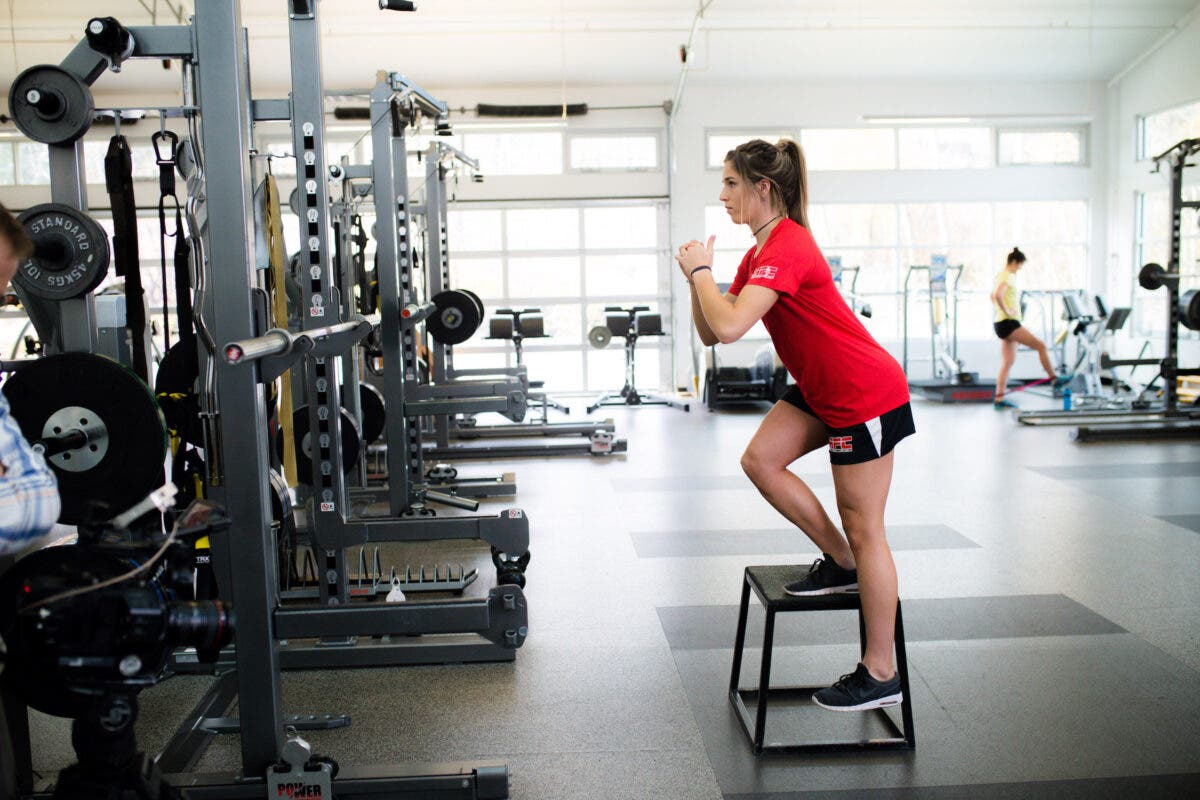
Isometric exercises, such as the wall sit or static lunges, train the nervous system to remain stable under these conditions. Experts suggest that building a "buffer" of isometric endurance can prevent the late-day fatigue that often leads to accidents. Statistical trends in mountain safety show that a disproportionate number of injuries occur after 2:00 PM, a timeframe coinciding with peak physical exhaustion and deteriorating snow conditions. By incorporating timed holds into a fitness routine—starting with 30 seconds and progressing to two minutes—skiers can improve their threshold for the sustained pressures of a long descent.
3. Unilateral Training: Correcting Bilateral Imbalances
Skiing is often mistakenly categorized as a bilateral sport. However, high-level analysis of skiing mechanics reveals that it is essentially a series of weight shifts from one leg to the other. The "downhill" ski bears the vast majority of the load during a turn. If a skier has a significant strength discrepancy between their left and right legs, their ability to navigate turns symmetrically is compromised, increasing the risk of a fall on their weaker side.
Single-leg exercises, such as Bulgarian split squats, single-leg deadlifts, and multi-planar lunges, are essential for identifying and correcting these imbalances. Lunging in multiple planes—forward, reverse, and lateral—is particularly beneficial as it prepares the hip stabilizers (such as the gluteus medius) for the lateral forces encountered in alpine sports. Strengthening these stabilizers is a primary defense against the "valgus collapse," a common movement fault where the knee caves inward, frequently leading to MCL and ACL tears.
4. Plank Variations: The Role of Core Stability in Trunk Control
While the legs provide the power, the core provides the platform. Skiing requires the upper body to remain relatively quiet and directed down the "fall line" while the lower body moves dynamically beneath it. This separation of movement requires immense trunk stability. Without a strong core, a skier’s center of mass often shifts too far back, a position known as being "in the backseat." This posture is the leading cause of out-of-control skiing and subsequent collisions.

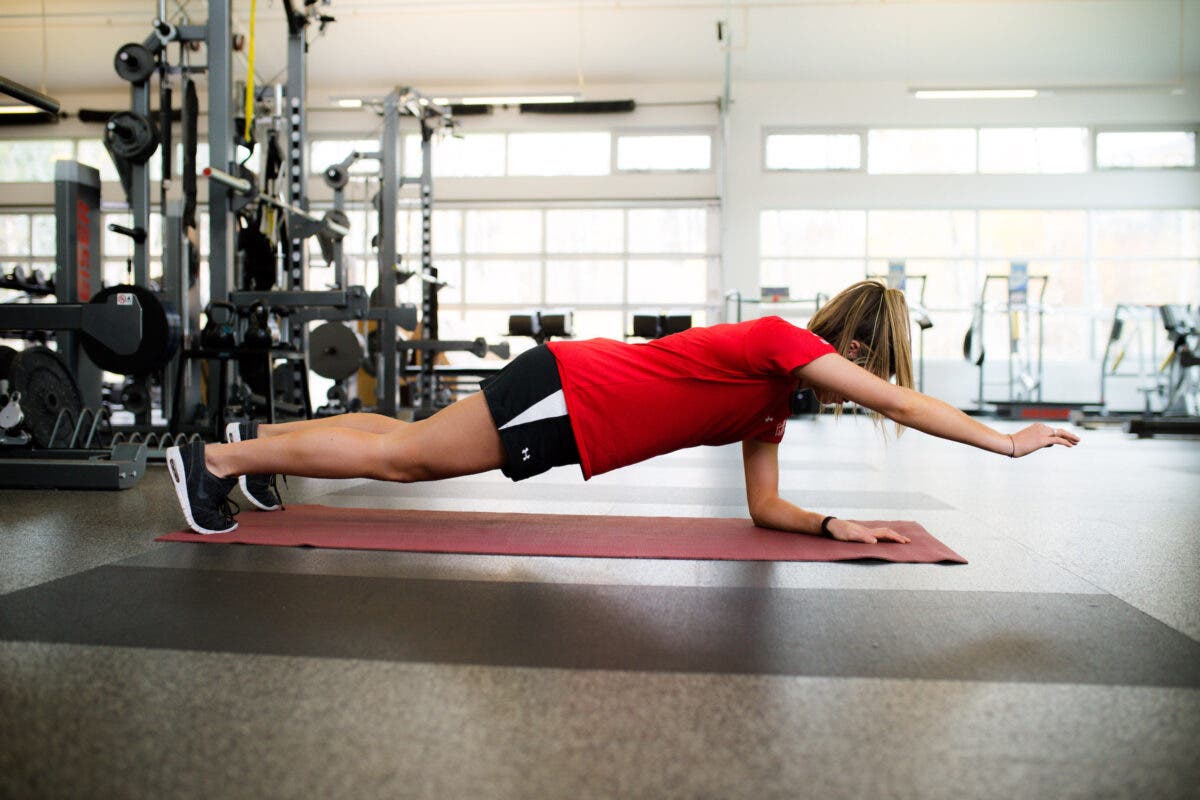
Traditional crunches are largely ineffective for this purpose. Instead, physical therapists recommend plank variations that challenge the body to resist rotation and maintain a neutral spine. The "Copenhagen Plank," which involves supporting the body on one arm and the inside of one foot, is highly regarded for its ability to strengthen the adductors and the oblique muscles simultaneously. Additionally, adding movement to a plank—such as alternating arm reaches or "plank jacks"—simulates the dynamic instability of skiing on ice or variable crust.
5. Mobility and Recovery: Maintaining the Kinetic Chain
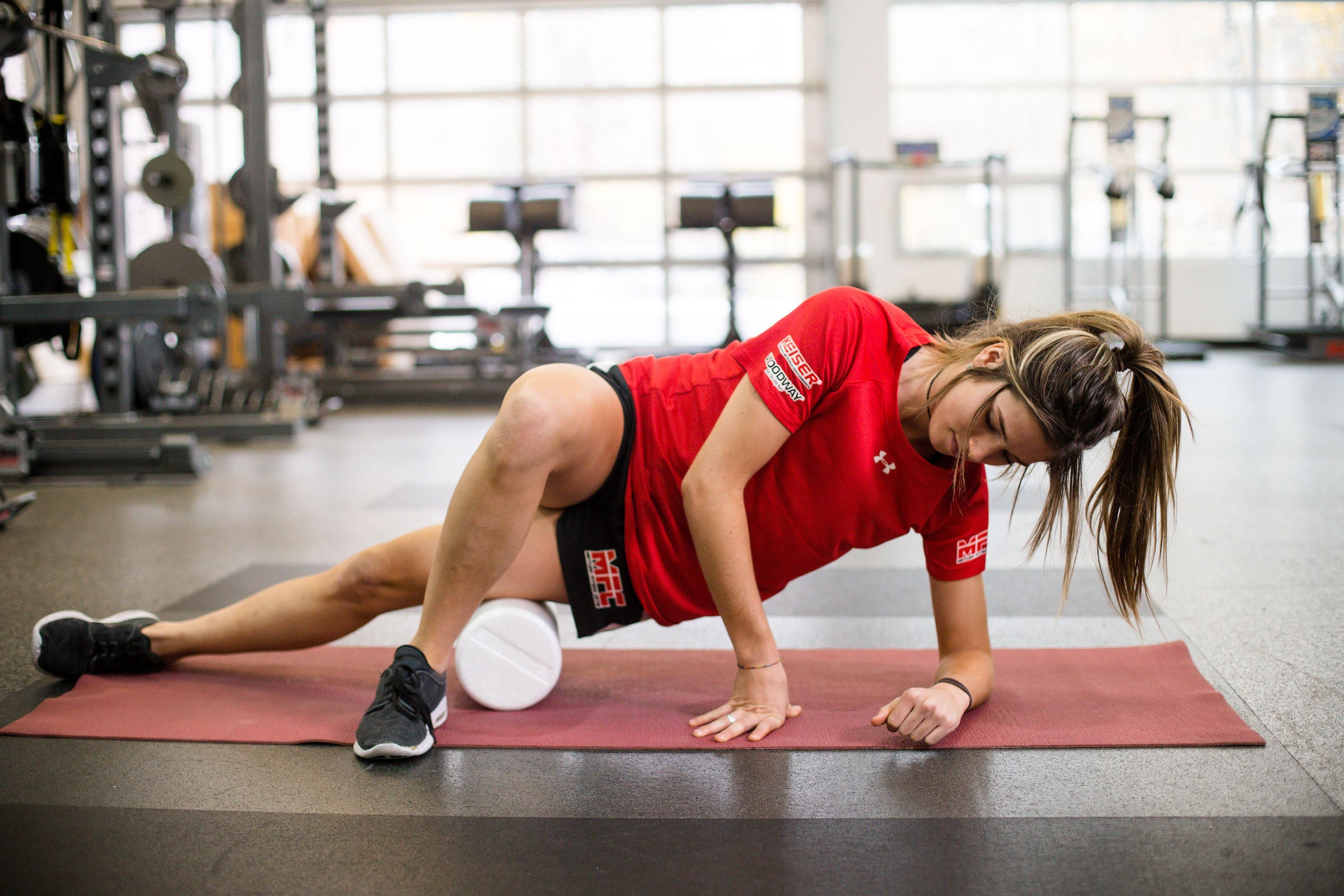
The final component of an injury-prevention strategy is mobility. Strength without a full range of motion can lead to "compensation patterns," where a lack of flexibility in the ankles or hips causes excessive stress to be transferred to the knees or lower back.
A comprehensive mobility routine should focus on the "triple extension" joints: the ankles, knees, and hips. Ankle dorsiflexion is particularly critical for skiers; if the ankle cannot flex sufficiently, the skier cannot maintain the forward pressure necessary to control the skis. Tools such as foam rollers, massage guns, and dynamic stretching are recommended both as a pre-ski warm-up and a post-ski recovery tool.
According to Dr. Hastings, assessing "stiff" areas is a personalized process. However, the general consensus among sports medicine professionals is that a 10-minute daily mobility session can significantly reduce the cumulative "wear and tear" that occurs over a 100-day ski season.

Chronology of a Successful Conditioning Program
To achieve maximum efficacy, sports scientists recommend a structured timeline for pre-season training. Relying on "weekend warrior" enthusiasm is a common pitfall that leads to early-season injuries.
- 12-8 Weeks Before Season: Focus on base aerobic capacity and general hypertrophy (muscle building). This is the time to address major imbalances and build a foundation of strength.
- 8-4 Weeks Before Season: Transition to sport-specific movements. Increase the volume of eccentric and isometric exercises. Begin incorporating plyometrics (jumping and landing) to prepare the nervous system for high-impact forces.
- 4 Weeks to Opening Day: Focus on "tapering" and refinement. Maintain strength but prioritize mobility and reaction-time drills.
- During the Season: Shift to "maintenance mode." One or two full-body strength sessions per week, combined with daily mobility work, are sufficient to preserve the gains made during the off-season.
Broader Implications and Economic Impact
The move toward proactive injury prevention has broader implications for the winter sports industry and the healthcare system. The average cost of an ACL reconstruction and subsequent physical therapy in the United States ranges from $20,000 to $50,000. For the individual, the cost also includes lost wages and a minimum of six to nine months of rehabilitation.
On a macro level, ski resorts are increasingly invested in the physical readiness of their guests. Many destination resorts now offer on-site "stretch clinics" or partner with fitness apps to provide conditioning programs. The logic is simple: a healthier, stronger skier is likely to spend more days on the mountain and fewer days in the clinic, supporting the economic vitality of mountain communities.
Furthermore, as ski technology evolves—with wider skis and stiffer boots allowing for higher speeds—the margin for error decreases. The "equipment-human" interface is only as strong as the human component. While modern bindings are designed to release during a fall, they cannot prevent injuries caused by poor biomechanics or muscle fatigue.
Conclusion: A Proactive Approach to Longevity
The consensus among orthopedic experts is clear: skiing is a demanding athletic endeavor that requires more than just enthusiasm. By incorporating eccentric loading, isometric holds, unilateral movements, core stability, and consistent mobility work, skiers can significantly alter their risk profile.
As Dr. Matt Hastings emphasizes, the goal of a physical therapist is not just to treat injuries after they occur but to empower athletes to avoid the clinic altogether. Through a disciplined, science-based approach to fitness, skiers can ensure that their season is defined by the quality of their turns rather than the length of their recovery. As the first snow begins to fall, the time for preparation is now, ensuring that the body is as ready for the mountain as the mind.

