
The annual transition from autumnal preparations to the first descent of the winter season represents a critical window for alpine athletes, yet medical experts suggest that the most effective training regimens are those that never truly cease. Dr. Kevin Stone, a renowned orthopedic surgeon at The Stone Clinic in San Francisco and former physician for the U.S. Ski Team, asserts that the ideal training cycle for the ski season should begin the moment the previous season concludes. This longitudinal approach to fitness marks a shift in sports medicine from seasonal, sport-specific "cramming" toward a philosophy of total body wellness and year-round maintenance. As the ski industry continues to evolve with advanced equipment and increasingly diverse terrain, the intersection of physical conditioning, mental acuity, and technological adaptation has become the cornerstone of injury prevention and performance longevity.
The Evolution of Off-Season Conditioning
Historically, skiers approached the months of May through October as a period of dormancy, often waiting until the first frost to engage in "dryland" training. However, contemporary sports science indicates that maintaining quad strength and cardiovascular endurance throughout the spring and summer is more efficient than attempting to rebuild muscle mass in the weeks preceding a trip. Dr. Stone emphasizes that the modern athlete should prioritize "total body fitness" over the rigid, repetitive lateral drills that once dominated pre-season routines.
The rationale behind this shift is rooted in adherence and psychological burnout. By engaging in activities such as cycling, trail running, or swimming, athletes maintain a high baseline of aerobic capacity and muscular endurance while avoiding the monotony of specialized drills. Data from sports physiology studies suggest that multi-sport athletes often possess superior proprioception—the body’s ability to sense its position in space—which is a vital component in navigating the unpredictable variables of mountain terrain. Stone identifies three pillars for a successful off-season program: it must be sustainable, it should be enjoyable, and it is most effective when performed in a social or group setting, which fosters accountability and consistent effort.
The Biomechanics of the Dynamic Squat
For those who find themselves nearing the start of the season without a robust fitness foundation, the focus must shift toward high-impact, efficient movements. Among these, the dynamic squat remains the undisputed "gold standard" of ski preparation. Unlike a static or traditional gym squat, a dynamic squat incorporates side-to-side movement, mimicking the weight transfer and pressure distribution required during alpine turns.
Skiing is inherently an eccentric exercise, meaning the muscles are lengthening under tension as the skier resists the forces of gravity and centrifugal motion. Dynamic squats prepare the quadriceps, glutes, and core to handle these loads. According to Dr. Stone, the efficiency of this exercise lies in its ability to reproduce the specific demands of the sport within a controlled environment. By varying the speed and lateral range of the squat, an athlete can better prepare their joints for the "chatter" of icy slopes and the absorption of moguls.
Mental Fortitude and the Prevention of Cognitive Errors
While physical strength is a prerequisite for performance, Dr. Stone argues that mental focus is perhaps the most significant factor in injury prevention. Clinical observations at The Stone Clinic reveal a recurring pattern: a vast majority of injured athletes report a "sense of something being off" or a lapse in concentration immediately preceding an accident.
Injuries on the slopes frequently occur during the "last run of the day" or when a skier is distracted by external factors, such as social dynamics or meal planning. This phenomenon, often referred to as "cognitive fatigue," leads to delayed reaction times and poor decision-making. In a high-velocity environment like skiing, a split-second delay in engaging an edge or adjusting body position can lead to catastrophic mechanical failure of the ligaments. Stone posits that muscle development alone is insufficient to protect the joints if the brain is not actively "in the game." Consequently, mindfulness and situational awareness are now viewed as essential components of an athlete’s safety toolkit.
Technological Advancements in Equipment Safety
The relationship between a skier and their equipment is more intimate than in almost any other sport. Dr. Stone highlights that advancements in ski and boot technology have fundamentally changed the safety profile of the sport. Modern gear is designed to be more intuitive and forgiving, yet many skiers continue to use outdated equipment that increases the risk of injury.
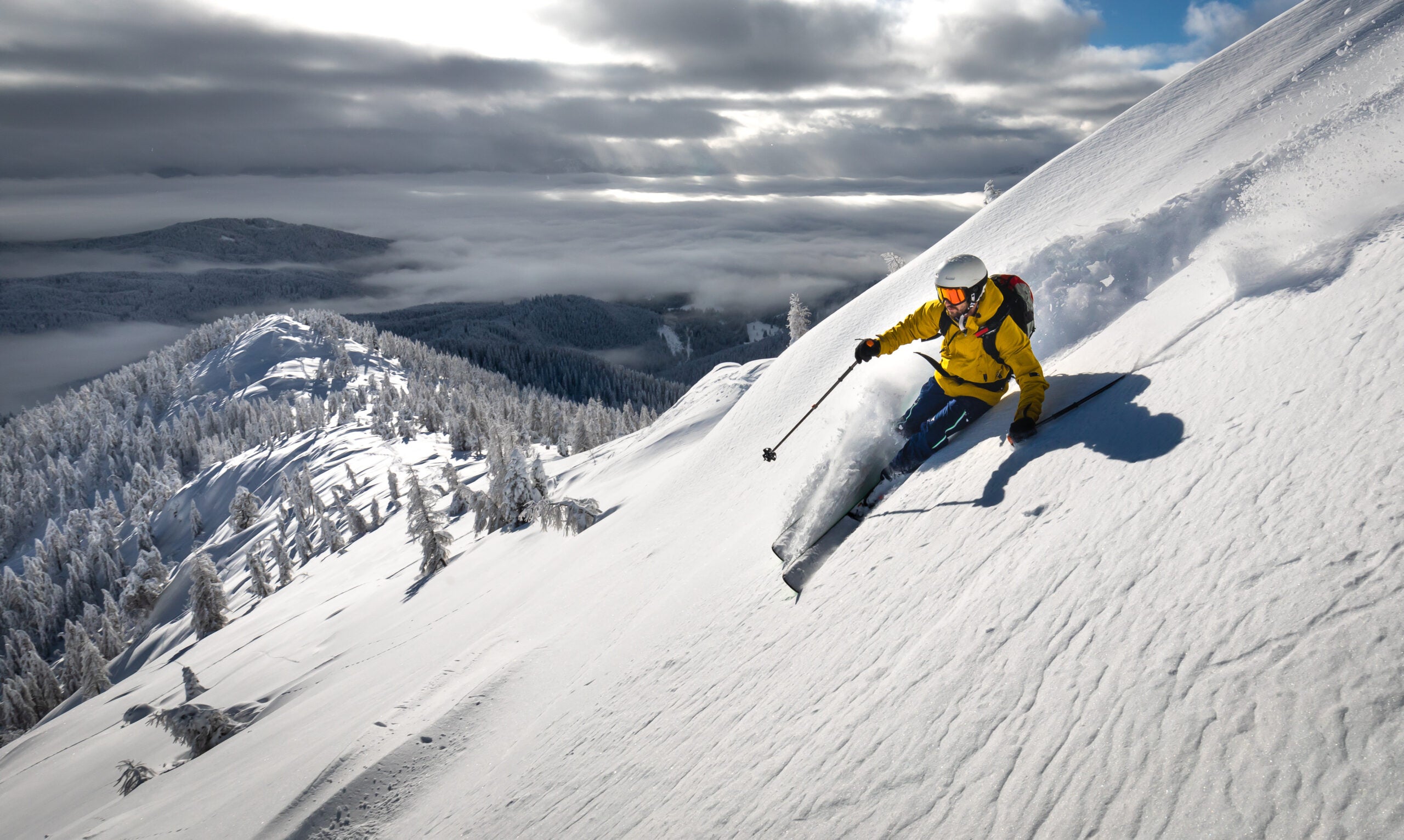
A significant shift in professional recommendations concerns boot flex. For decades, the prevailing wisdom suggested that a stiffer boot was necessary for high performance. However, Stone notes that for 90 percent of the skiing population, a softer, more flexible boot is actually safer and more conducive to proper technique. A boot that permits ankle and knee flexion allows the skier to utilize their natural biomechanics to turn the ski, rather than fighting against a rigid structure. Furthermore, modern binding systems have become more sophisticated in their release mechanisms, significantly reducing the incidence of "slow-twist" falls that traditionally resulted in spiral fractures or ligament tears.
Addressing the Demographic Divide in Ski Injuries
The types of injuries sustained on the mountain often correlate with the age and physiological profile of the skier. In younger populations, high-energy impacts and rotational forces frequently result in torn Anterior Cruciate Ligaments (ACL), meniscus damage, and shoulder dislocations. Dr. Stone stresses the importance of a comprehensive diagnosis following any "pop" or swelling in the knee, noting that such symptoms carry a 90 percent probability of internal derangement.
In the realm of ACL reconstruction, Stone advocates for the use of donor tissue (allografts) rather than autografts—tissue harvested from the patient’s own patellar tendon or hamstring. The rationale is that harvesting a patient’s own tissue can weaken the donor site, potentially hindering the athlete’s ability to hold an edge or flex the knee during recovery. By utilizing high-quality donor tissue, the integrity of the patient’s existing musculature is preserved, facilitating a more robust return to sport.
Conversely, older skiers are more frequently sidelined by degenerative conditions, such as osteoarthritis. For this demographic, the medical focus has shifted toward "biologic" interventions designed to delay or avoid total joint replacements. Injections of hyaluronic acid (lubricants) and Platelet-Rich Plasma (PRP) have shown remarkable success in managing "bone-on-bone" conditions. These treatments work by recruiting the body’s own growth factors to reduce inflammation and improve joint lubrication. Stone reports that many patients utilize these "pre-season tune-ups" to maintain high levels of activity well into their 80s and 90s.
The Chronology of Injury Recovery: Fitter, Faster, Stronger
Despite the best preparations, the inherent risks of skiing mean that injuries are a statistical reality for many. However, Dr. Stone views the recovery process not merely as a return to the status quo, but as an opportunity for enhancement. The "fitter, faster, stronger" philosophy suggests that the rehabilitation period can be used to address the very weaknesses or imbalances that led to the injury in the first place.
The motivation to return to the mountains often serves as a powerful catalyst for disciplined physical therapy. Athletes who undergo a structured recovery program frequently emerge with better core stability and a more profound understanding of their body’s mechanics than they possessed prior to the injury. This proactive approach to rehabilitation ensures that the "addiction" to the sport—as Stone describes the draw of skiing—is supported by a body that is better equipped to handle its rigors.
Broader Implications for the Ski Industry and Public Health
The shift toward year-round conditioning and advanced medical management has broader implications for the ski industry and public health. As the average age of the skiing population increases, the demand for longevity-focused orthopedics will continue to rise. This necessitates a move away from "sick care"—treating injuries after they occur—toward "well care," where the emphasis is on pre-habilitation and preventative maintenance.
Furthermore, the economic impact of ski-related injuries is substantial, involving lost workdays, surgical costs, and long-term rehabilitation. By adopting the strategies outlined by Dr. Stone—maintaining general fitness, focusing on dynamic movements, ensuring mental presence, and updating equipment—the skiing community can reduce the overall burden of injury. The goal is to transform skiing from a high-risk seasonal activity into a sustainable, lifelong pursuit that promotes cardiovascular health and mental well-being across all generations.
In summary, while the "seven-month delay" in training may be a reality for some, the path forward involves a blend of modern science and practical consistency. Whether through the application of regenerative medicine for older joints or the adoption of dynamic squats for younger athletes, the objective remains the same: to enjoy the unique exhilaration of the slopes while minimizing the physiological toll on the human body. As Dr. Stone suggests, the most successful skiers are those who treat their bodies with the same precision and care as they do their most advanced gear.

