
The European Alps are currently experiencing a period of unseasonably cool weather for late April, providing a significant boost to high-altitude ski resorts that remain operational as the 2025–2026 winter season draws to a close. While a substantial number of lower-elevation ski areas concluded their operations over the past weekend, those situated above the 2,000-meter mark are reporting favorable conditions, characterized by a resilient snowpack and a freezing level that has hovered consistently around 2,000 meters. This meteorological anomaly has delayed the typical rapid spring thaw, offering enthusiasts a reprieve from the slushier conditions usually associated with this time of year. However, weather models indicate a shift is imminent, with temperatures projected to rise significantly as a high-pressure system moves across Central Europe later this week.
Current Meteorological Overview and Short-Term Forecast
According to data compiled on Monday, April 20th, 2026, the atmospheric conditions across the Alps are currently dominated by a cool air mass that has stabilized the snow surface at higher elevations. Fraser Wilkin, a prominent Alpine weather expert from weathertoski.co.uk, noted that while the majority of the region remains dry with intermittent sunny spells, there is a distinct pattern of convective activity. "Most regions will be dry with some sunny spells, but there will also be some cloud bubbling up with the odd shower—snow between 1,800 and 2,000 meters—or even isolated thunderstorms, mostly in the southern and eastern Alps," Wilkin stated.
This pattern of "bubbling" clouds and localized precipitation is typical of transitional spring weather, where daytime heating causes air to rise and condense over the peaks. The persistence of snow at the 1,800-meter level is particularly noteworthy for late April, as it indicates that the thermal profile of the mountains has remained colder than the historical average for the second half of the month. This stability is expected to last through Tuesday, maintaining the integrity of the pistes for the remaining open resorts.
A transition is forecast to begin on Wednesday, April 22nd. Meteorological models suggest that the weather will turn increasingly sunny and warm as a ridge of high pressure strengthens. This shift will likely push the freezing level toward 3,000 meters or higher by the weekend, signaling the definitive start of the late-spring melt cycle. For skiers currently on the slopes, this means the current "winter-like" quality of the snow is in its final days before the transition to a classic "spring cycle" of freezing and thawing.
Chronology of the 2025–2026 Alpine Season
The 2025–2026 ski season has been defined by its volatility, making the current stable conditions in late April a welcome conclusion for the industry. The season began with a robust early-December snowfall that established a solid base across the Northern Alps. However, January and February saw fluctuating temperatures, with several "rain-to-summit" events that challenged mid-mountain snow retention.
By March 2026, a series of late-season storms replenished the high-altitude glaciers and north-facing slopes, setting the stage for the current extended season. On April 12th and 13th, a major wave of resort closures occurred, primarily affecting low-lying areas in the Austrian Prealps and the French Prealps, where the lack of snowmaking infrastructure at lower altitudes made continued operations economically unviable. The most recent wave of closures took place on April 19th, as many mid-sized resorts ended their lift contracts for the season, regardless of snow depth, citing a seasonal decline in skier visits and the expiration of seasonal staff contracts.
High-Altitude Strongholds: Where Skiing Persists
For those seeking late-season turns, the options are now concentrated in a select group of high-altitude "snow-sure" destinations. These resorts benefit from geographical advantages, such as glacier access and high-elevation base areas, which allow them to remain open well into May.
Tignes and Val Thorens, France
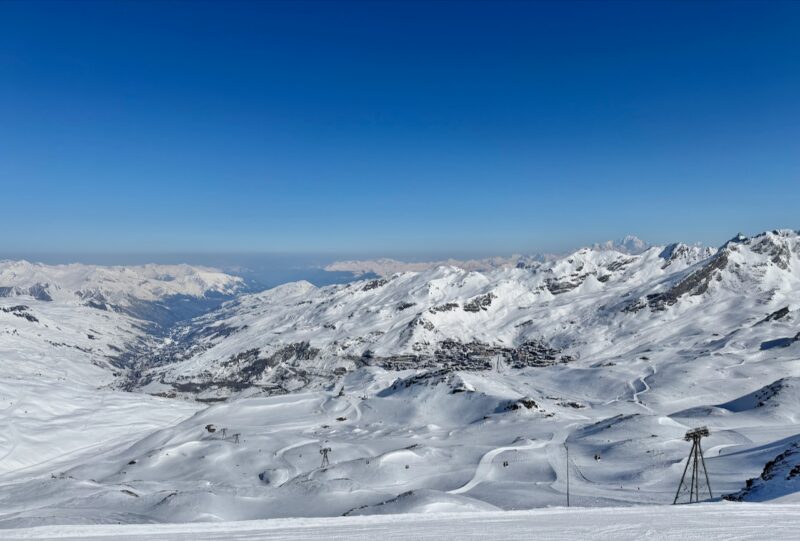
In the French Alps, Tignes and Val Thorens remain the premier destinations for late-April skiing. Val Thorens, situated at 2,300 meters, is the highest resort in Europe, ensuring that even when temperatures rise in the valleys, the base area remains below freezing for much of the night. Tignes, with access to the Grande Motte glacier, offers skiing up to 3,456 meters. Reports from these areas indicate that while the snow softens by midday, the morning sessions provide firm, "corduroy" conditions that are highly sought after by advanced skiers.
Ischgl, Austria
In Austria, Ischgl continues to operate a vast majority of its Silvretta Arena. Known for its high-altitude terrain—nearly 90% of which is located above 2,000 meters—Ischgl traditionally stays open until early May. The resort’s ability to maintain north-facing runs has been a key factor in its success this season. The current cool spell has allowed Ischgl to keep its cross-border links to Samnaun, Switzerland, fully operational, providing one of the largest skiable areas currently available in Europe.
Zermatt and Cervinia, Switzerland/Italy
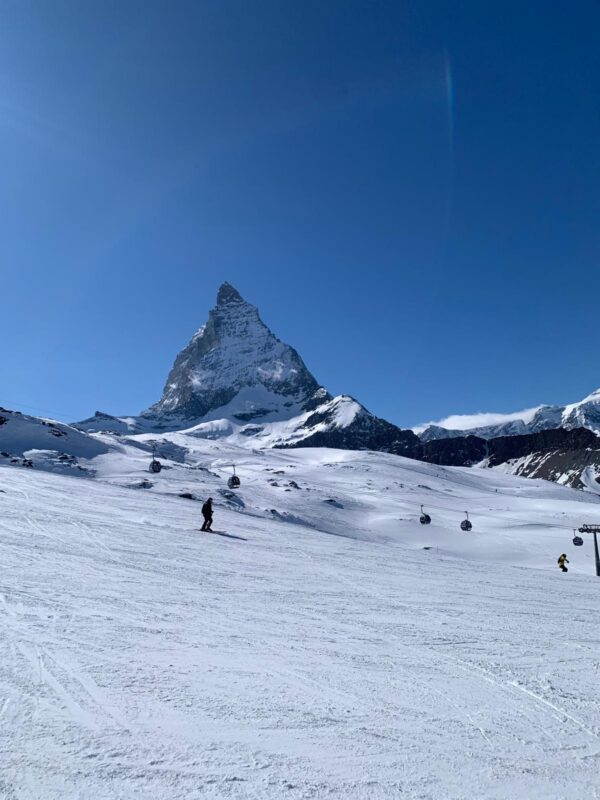
The international link between Zermatt in Switzerland and Cervinia in Italy remains a cornerstone of the late-season market. Zermatt offers year-round skiing on the Matterhorn Glacier Paradise, the highest cable car station in Europe at 3,883 meters. On the Italian side, Cervinia’s high-altitude plateau benefits from the current cool air masses moving in from the north. The "spring cycle" is particularly evident here: the snow is icy during the early morning hours but transitions into a soft, carvable surface by 11:00 AM, particularly on the sunny, south-facing slopes of the Aosta Valley side.
Technical Analysis of Spring Snow Conditions
The current conditions described as "icy first thing and then softening up" are a textbook example of the diurnal freeze-thaw cycle. During the night, the clear skies allow for "radiative cooling," where heat escapes from the snowpack into the atmosphere, causing the surface to freeze hard. This creates a fast, firm surface that requires sharp edges and precise technique.
As the sun rises, the angle of solar radiation in late April is comparable to that of August, meaning the snow absorbs significant energy. By midday, the top few centimeters of the snowpack melt, creating "corn snow"—a granular, rounded type of snow that is widely considered the best surface for spring skiing. However, if temperatures do not drop below freezing at night—a risk later this week—the snowpack fails to reset, leading to "rotational snow" or deep slush, which increases the physical demand on skiers and raises the risk of knee injuries.
The presence of north-facing slopes is critical during this period. Because these slopes receive less direct sunlight, they preserve a "winter" snow feel much longer than south-facing or "adret" slopes. Resorts like Val Thorens and Ischgl, which have a high percentage of north-facing terrain, are currently providing the most consistent skiing surfaces.
Economic and Operational Implications for Resorts
The decision to remain open in late April is as much an economic calculation as it is a meteorological one. For high-altitude resorts, the "late season" represents a niche market targeting dedicated enthusiasts and tour operators specializing in spring clinics. However, the operational costs are high. Running a lift network requires a full complement of ski patrol, lift operators, and mountain restaurant staff, many of whom are on seasonal contracts that end in mid-April.
Furthermore, the rise in energy costs associated with lift operations and the maintenance of snowcat fleets means that resorts require a minimum threshold of daily lift pass sales to break even. As the "swathe of resorts" shut down last weekend, the remaining open areas have seen a slight consolidation of the market. The upcoming rise in temperatures from Wednesday onwards will likely increase the cost of piste grooming, as heavy, wet snow is more difficult and expensive to manage than cold, dry snow.
Broader Environmental Context
The 2026 season continues to highlight the long-term trend of "elevation dependency" in the ski industry. Climate data suggests that the "skiable window" for resorts below 1,500 meters is contracting, while high-altitude resorts are increasingly relied upon to anchor the beginning and end of the winter tourism calendar. The fact that snow is still falling at 1,800 meters on April 20th is a positive indicator for the health of the high-altitude glaciers, which require late-season snow cover to protect them from the intense solar radiation of the summer months.
The "isolated thunderstorms" mentioned by Fraser Wilkin are also a harbinger of the changing seasons. As the atmosphere warms, the energy available for storm development increases, leading to the more volatile weather patterns seen in the Southern and Eastern Alps. These storms can bring rapid changes in visibility and temperature, necessitating caution for those venturing into off-piste or high-alpine terrain.
Conclusion and Outlook for the Final Weeks
As the Alps prepare for a warmer end to the week, the window for "prime" spring skiing is narrowing. The transition starting Wednesday will shift the focus from high-performance carving to relaxed, sun-drenched "terrace skiing." For the resorts of Tignes, Val Thorens, Ischgl, Zermatt, and Cervinia, the goal is now to maintain their snow base through the early May holidays.
Skiers heading out for a late-season trip are advised to prioritize early starts to capitalize on the firm morning conditions and to pay close attention to the rising freezing levels. While the lower valleys are beginning to show the first signs of spring greenery, the high-altitude peaks of the Alps remain a bastion of winter, providing a final chapter to a complex and varied 2025–2026 ski season. The resilience of the snowpack at 2,000 meters ensures that, for now, the "Great White Season" is not yet over.

