
The 2025-2026 North American ski season has reached a critical juncture as of mid-April, characterized by a stark dichotomy between the struggling Rocky Mountain resorts and the more resilient operations in California and the Eastern United States. While a series of late-season storms delivered a fresh coating of snow across the Intermountain West in the second week of April, industry analysts and meteorologists agree that the precipitation has arrived too late to salvage what has officially become the worst winter for snowfall in Colorado’s recorded history. For many major destinations, the "bittersweet" arrival of April snow provides a decorative finish to a season defined by brown patches, exposed rocks, and unprecedentedly early closure dates.
Colorado’s Historic Snow Drought and the Climate Reality
The Colorado Climate Center has issued a definitive assessment of the season, labeling the winter of 2025-2026 as the "worst year for the Colorado snowpack in recorded history." This declaration follows months of monitoring high-altitude SNOTEL (Snow Telemetry) sites, which consistently showed precipitation levels hovering well below 60% of the median for much of the peak winter months. Unlike typical dry years where one or two regions might suffer, this year’s deficit was geographically widespread, affecting the Front Range, the San Juan Mountains, and the central peaks with equal severity.
The impact on resort operations was immediate and visible. In Aspen, both Buttermilk and Highlands—two pillars of the Aspen Snowmass complex—were forced to cease operations well ahead of their projected schedules. While Aspen Mountain and Snowmass often benefit from higher elevations and superior north-facing aspects, the lack of a foundational base made maintaining the lower-elevation slopes at Buttermilk untenable. The early closures represent not just a loss for recreational skiers but a significant economic contraction for the Pitkin County region, which relies on the "spring break" surge to round out the fiscal year.
According to data from the Colorado Climate Center, the failure of the winter snowpack can be attributed to a persistent "high-pressure ridge" that diverted the traditional storm track toward the Pacific Northwest and parts of the Sierra Nevada, leaving the Rockies in a "snow shadow" for the duration of January and February. By the time the atmospheric patterns shifted in April, the damage to the seasonal snowpack was already irreversible.
Utah and the Intermountain West: A Season Cut Short
The situation in Utah, traditionally known for having the "Greatest Snow on Earth," was similarly dire. The Wasatch Range experienced a volatility in temperatures that prevented the accumulation of a sustainable base. In Park City, Deer Valley Resort—a destination known for its meticulous grooming and high-end guest experience—took the rare step of closing its gates three weeks earlier than planned. Further north, Snowbasin Resort, which often stays open into late April or early May depending on conditions, shuttered its lifts a full month before its usual closing date.
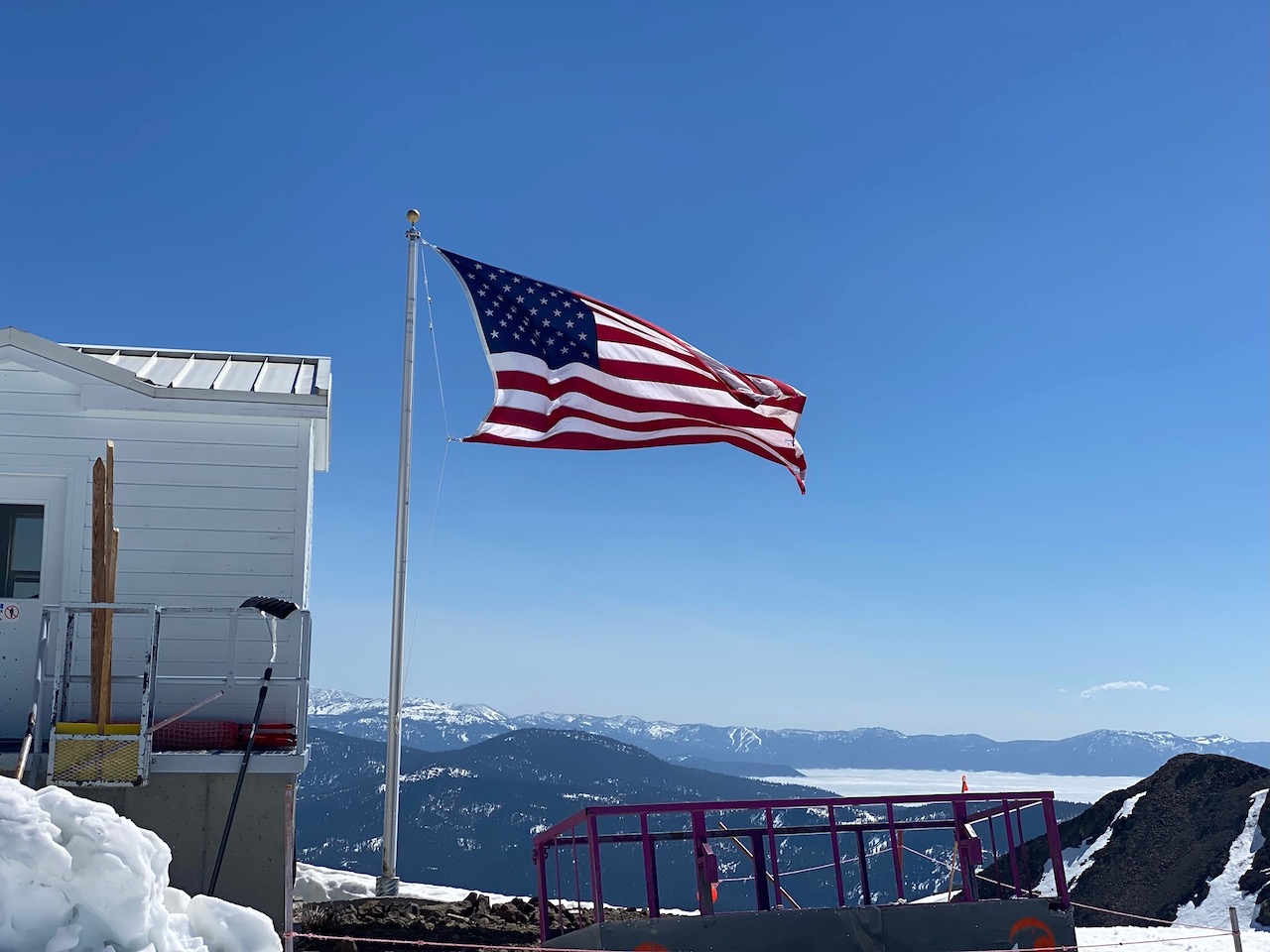
As of April 16, only five resorts remain operational in Utah, and these are largely confined to the highest elevations of Little and Big Cottonwood Canyons, where the microclimate offers some protection against the warming spring sun. The early exits of Deer Valley and Snowbasin have sent ripples through the local hospitality sector, leading to early seasonal layoffs and a sharp decline in hotel occupancy rates for the latter half of April.
The California Contrast: Resilience in the Sierra Nevada
In a sharp contrast to the Rockies, the Sierra Nevada mountains in California have navigated the 2025-2026 season with considerably more success. While the winter started slowly, a series of powerful atmospheric rivers in February and March bolstered the snowpack, allowing resorts to maintain a robust schedule into the spring.
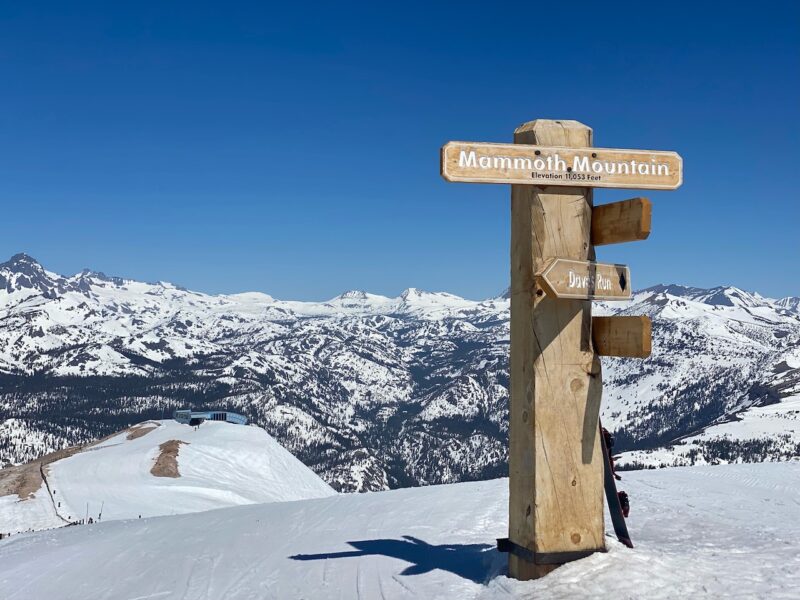
Kirkwood Mountain Resort is scheduled to conclude its winter operations this weekend, April 19, boasting some of the best conditions in the region relative to the time of year. Similarly, Mt. Rose-Ski Tahoe will also close its doors on April 19. However, the season is far from over for the region’s heavyweights. Palisades Tahoe is currently aiming to extend its operations through late April, while Mammoth Mountain, benefiting from its high base elevation and volcanic topography, has officially announced it will remain open at least until Memorial Day, May 25.
Mammoth’s ability to remain open into late May serves as a critical buffer for the California ski industry, providing a destination for high-performance athletes and spring enthusiasts who have been displaced by closures elsewhere in the country.
The Eastern United States: An Unexpected Stronghold
The 2025-2026 season provided a surprising narrative in the Eastern United States, where resorts across Vermont, New Hampshire, and Maine enjoyed conditions that outperformed many of their Western counterparts. Historically, Eastern resorts struggle with "thaw-freeze" cycles, but this year, consistent cold temperatures allowed for aggressive snowmaking campaigns that supplemented a respectable natural snowfall total.
While most Eastern ski areas typically wind down operations by mid-April, several resorts have announced "bonus weekends" for the 2026 season. By utilizing advanced snowmaking technology and capitalizing on a late-season cold snap, these resorts are spinning lifts on weekends to accommodate the surge in demand from skiers who found their Western trips cut short by poor conditions. This "Eastern resurgence" highlights the increasing importance of snowmaking infrastructure in an era of climatic volatility.
Hydrological Implications and Water Security
Beyond the immediate concerns of the ski industry, the record-low snowpack in the Rockies carries grave implications for the Western United States’ water supply. The snowpack acts as a natural reservoir, slowly releasing moisture throughout the spring and summer to fill the rivers and man-made reservoirs that support millions of people and vast tracts of agricultural land.
The Colorado River Basin, which provides water to seven states and parts of Mexico, is particularly vulnerable. State hydrologists have noted that while the April snow is a "step in the right direction," it will not erase the massive seasonal deficits. The moisture provided by these late systems is often absorbed by dry soil before it can ever reach the streamflow, a phenomenon known as "subsurface thirst."
"We are looking at a very lean runoff season," a representative from the Colorado Climate Center noted in a recent briefing. "The snowpack plays a critical role in water supply heading into summer. Even modest systems like the current ones provide beneficial moisture, but they are not ‘drought-busters.’ We are moving toward a spring runoff that will likely see reservoirs failing to reach their optimal fill levels."
This deficit will likely lead to stricter water conservation measures in the summer of 2026 for metropolitan areas like Denver, Salt Lake City, and even as far downstream as Las Vegas and Phoenix, which rely on the Colorado River’s headwaters.
Economic and Operational Analysis
The financial toll of the 2025-2026 season is expected to be significant. For the major ski conglomerate groups, such as Vail Resorts and Alterra Mountain Company, the shortened season in the Rockies represents a loss of high-margin spring break revenue. The "Great Compression" of the season puts pressure on the season pass model, as consumers may become more hesitant to purchase passes for the following year if the previous season was significantly truncated.
Furthermore, the early closures have highlighted a growing trend in the industry: the "Elevation Race." Resorts with higher base elevations and north-facing terrain are becoming increasingly dominant as lower-elevation resorts face more frequent "marginal" winters. This year’s data suggests that the "resilience gap" between high-altitude destinations and lower-mountain areas is widening, potentially leading to a future where skiing becomes even more concentrated in a handful of geographically favored locations.
Looking Ahead: The Final Closures of 2026
As the industry moves toward the end of April, the focus remains on the few resorts capable of sustaining operations. Travelers are advised that closing dates remain highly fluid. While Mammoth Mountain and Palisades Tahoe offer the most certainty in the West, and select Eastern resorts continue to offer weekend access, the overall picture is one of a season ending with a whimper rather than a bang.
The late-season snow has provided a brief respite and a chance for "hero snow" conditions for those still open, but the underlying story of the 2025-2026 winter remains the historic deficit in the Rockies. As the industry turns its attention to the 2026-2027 season, the lessons of this year—ranging from the necessity of advanced snowmaking to the critical importance of water management—will likely shape the strategic decisions of resort operators and climate scientists alike.
For now, the message to the skiing public is one of caution and verification. Resort openings at this time of year are entirely dependent on daily temperature fluctuations and remaining base depths. Enthusiasts are encouraged to check directly with resort websites for the most current information regarding lift operations and trail openings as the North American ski season enters its final weeks.

