
For decades, the culture of alpine skiing has embraced a specific kind of stoicism regarding equipment. The rigid, plastic-shelled ski boot is often viewed by enthusiasts as a necessary evil—a "badge of honor" that signifies a commitment to the sport’s technical demands. Unlike the plush cushioning found in modern marathon running shoes or the ergonomic flexibility of hiking boots, ski boots are designed for a singular purpose: the efficient transfer of energy from the leg to the ski edge. However, as the 2026 winter season approaches, medical professionals are sounding a more urgent alarm, suggesting that the industry’s acceptance of chronic discomfort may be masking a looming crisis of permanent podiatric damage among both amateur and professional skiers.
The fundamental conflict lies in the biomechanical requirements of skiing versus the physiological needs of the human foot. A ski boot must be stiff to provide control at high speeds, yet the foot is a complex structure of 26 bones and dozens of joints designed for movement. When these two forces collide, the result is often more than just a temporary ache. According to Dr. Nelya Lobkova, a prominent New York City-based podiatrist and an avid skier herself, the fixed position of the foot within a boot can exacerbate or even trigger a range of debilitating conditions.
The Clinical Reality of Skiing-Related Foot Deformities
The primary concern for podiatrists is the exacerbation of existing deformities or the development of new ones due to the restrictive nature of the boot’s "toe box." One of the most common issues is the development or worsening of bunions, medically known as hallux valgus. While bunions often have a genetic component, the friction and lateral pressure caused by a narrow boot shell can accelerate the misalignment of the big toe joint.
"When the toebox in a boot is tight, friction can cause bunions, hammertoes, and neuromas to become painful," explains Dr. Lobkova. She notes that the problem is not limited to boots that are too small; boots that are too large pose an equal, if different, set of risks. In an oversized boot, the foot lacks the necessary stability, causing it to "jam" forward during aggressive turns or sudden stops. This repetitive shearing force can impinge the toe bones and lead to Morton’s neuroma—a condition where the tissue around one of the nerves leading to the toes thickens, causing sharp, burning pain or a sensation similar to standing on a pebble.
Beyond nerve and joint issues, the physical trauma to the toes can lead to subungual hematoma, more commonly known as "black toenails." This occurs when blood pools under the nail due to repeated impact against the front of the boot. While often dismissed as a minor cosmetic issue, Dr. Lobkova warns that excessive damage to the nail bed can be irreversible. "The toenails may not look the same afterwards, typically appearing thicker and shorter compared to the other toenails," she says, adding that severe cases can lead to secondary infections requiring oral antibiotics or surgical removal of the nail.
A Chronology of Ski Boot Evolution and Fit Standards
The history of ski boot design reveals a slow transition from comfort toward extreme rigidity. In the early 20th century, skiers wore leather boots that offered significant flexibility but little in the way of edge control. The introduction of the plastic "buckle boot" in the 1960s revolutionized the sport’s performance but introduced the era of the "uncomfortable fit."
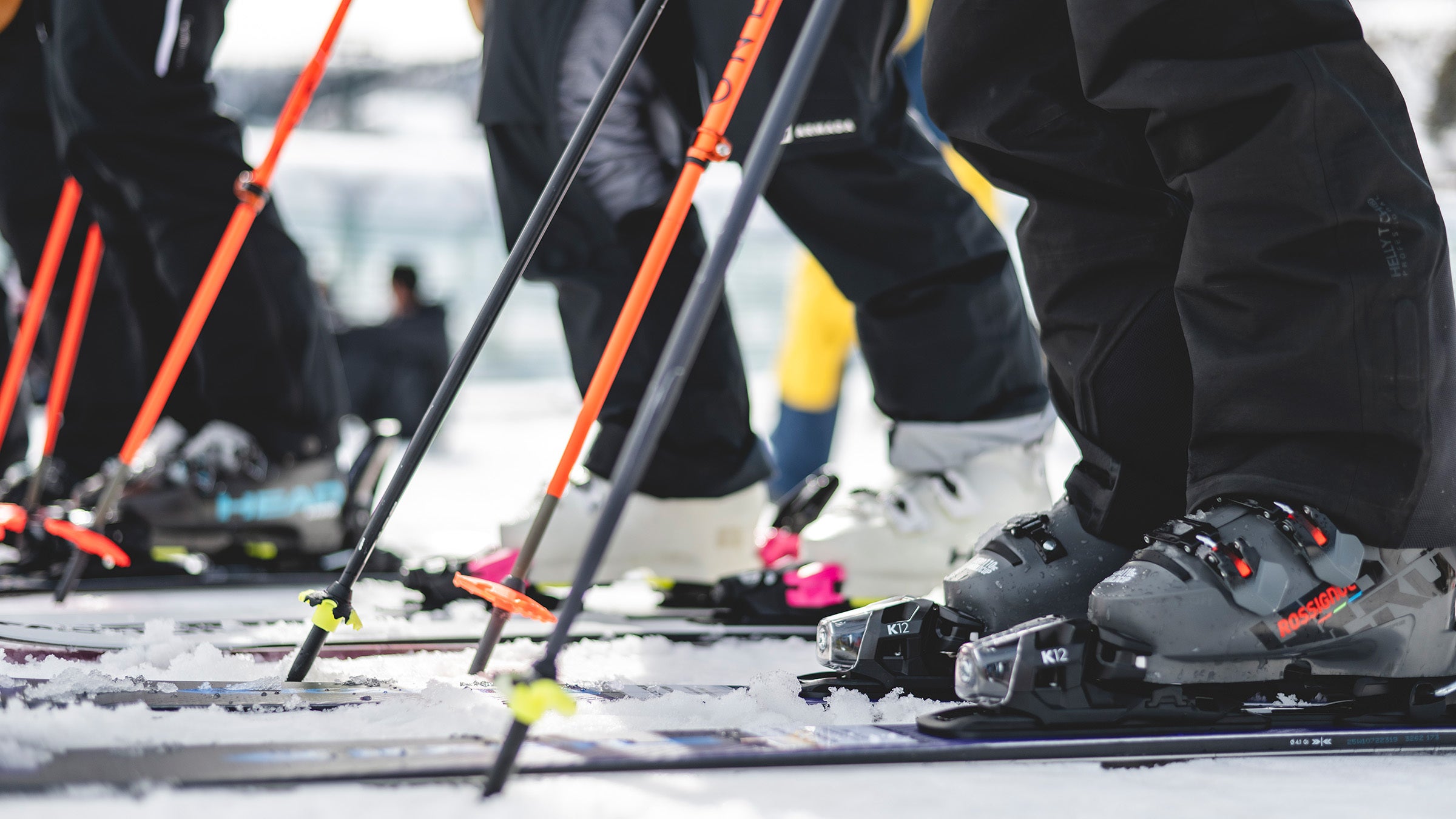
By the early 2000s, manufacturers began to address the comfort gap by introducing heat-moldable liners. By 2020, the industry saw the rise of "vacuum-fit" shells, allowing the entire outer plastic to be shaped to the skier’s foot. Despite these technological leaps, the fundamental issue remains: many skiers still purchase boots based on "last width" (the width of the boot at the ball of the foot) without considering the unique volume and arch structure of their feet.
In 2026, the trend has shifted toward "data-driven fitting." Many high-end retailers now utilize 3D foot scanning technology to create a digital map of the foot before a skier even tries on a boot. This allows for a more scientific approach to identifying potential "hot spots" where a bunion or a prominent bone might rub against the shell.
Expert Analysis: Distinguishing Normal Discomfort from Danger
Dr. Mikel Daniels, a podiatric surgeon based in Baltimore, emphasizes that while some level of snugness is required for performance, localized or persistent pain is a red flag. "There is a difference between regular ski boot discomfort and a bad fit," says Daniels. He notes that a new boot should feel snug, with the toes lightly brushing the front when the skier is standing upright. However, the crucial test occurs in the "ski stance"—when the knees are flexed and the shins are pressed against the tongues of the boots. In this position, the toes should pull back slightly from the front of the boot.
According to Dr. Daniels, the "rule of thumb" for skiers is simple: if the pain in your feet is distracting you from your technique or the environment around you, the fit is fundamentally wrong. Chronic "pins and needles" or unusually cold feet are often signs of compromised circulation or nerve compression, neither of which should be ignored in the pursuit of a better "flex rating."
The Economic and Performance Impact of Professional Boot Fitting
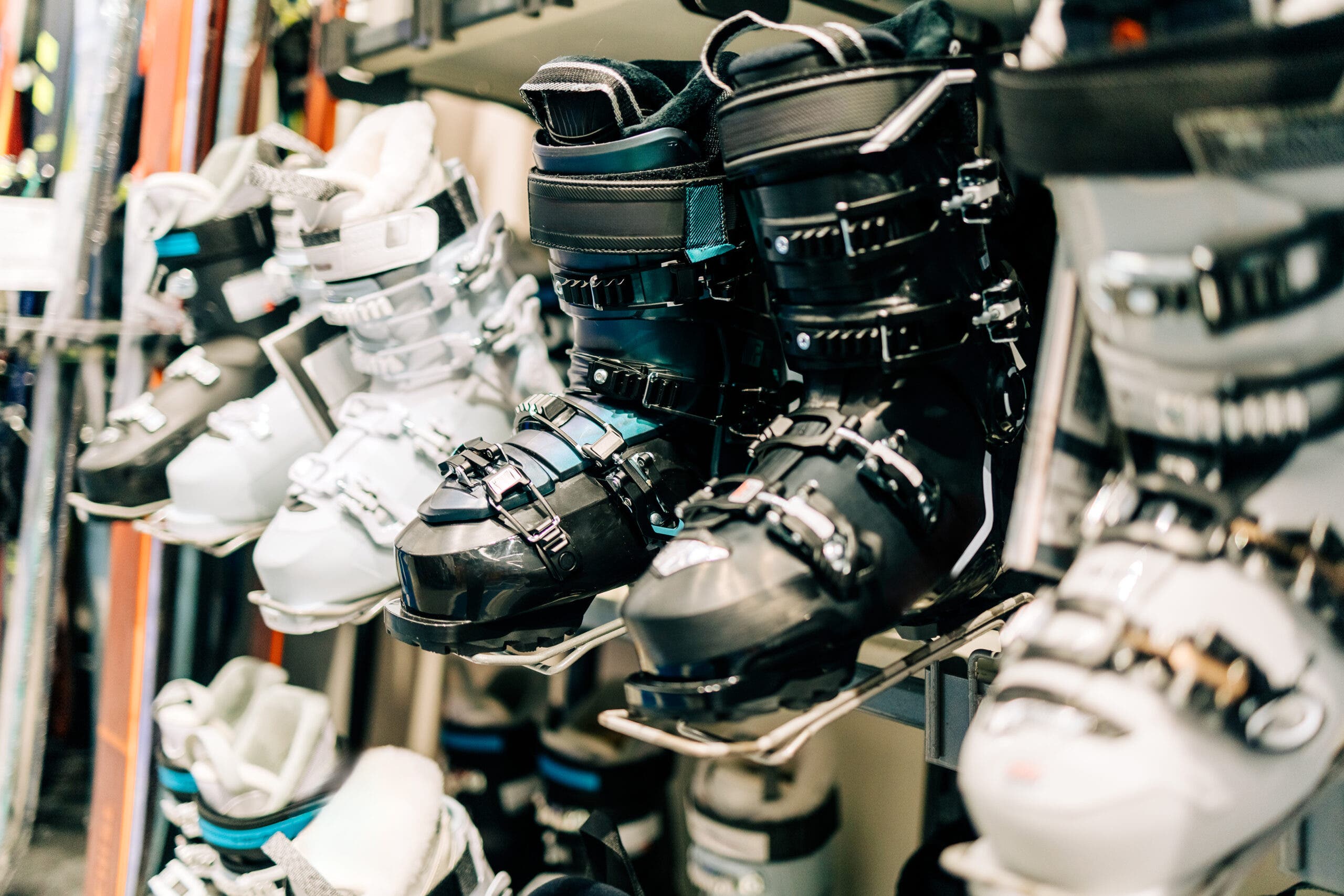
The preventative measures recommended by experts often involve an upfront investment that pays dividends in both health and performance. Professional boot fitters use specialized tools to "punch" or "grind" the plastic shell, creating extra millimeters of space for bunions or irregular bone shapes.
"I had one patient, a strong skier, who came in every February with black, big toenails and thought it was ‘just part of skiing,’" Dr. Daniels recounts. "Once we got him into a boot with the right shell length and a small punch in the toe box, his toenails finally survived a ski season."
For those who continue to experience pain despite a custom-fitted shell, the issue often lies in the footbed. Most factory-standard insoles are thin, foam cutouts that provide zero arch support. Dr. Lobkova suggests that custom orthotics are the "gold standard" for preventing forefoot pain. Unlike prefabricated insoles, which are often too thick for the low-volume interior of a ski boot, custom orthotics can be manufactured from thin, rigid materials with embedded metatarsal pads. These pads help separate the toe bones and tendons, alleviating the pressure that causes neuromas.
Guidelines for the Rental Market and Casual Skiers
The risk of foot damage is arguably highest among casual skiers who rely on rental equipment. Rental boots are designed for durability and "mass-market" fit, which often means they are wider and more voluminous than a performance boot. To compensate for a loose fit, many skiers over-tighten their buckles, which creates localized pressure points and restricts blood flow.
Dr. Daniels advises rental customers to communicate clearly with shop technicians about any pre-existing foot issues. "A loose shell with over-tightened buckles gives you pressure points and poor control," he warns. He also recommends that skiers who use orthotics in their everyday shoes should attempt to use them in their rental boots as well, provided the boot has a removable factory insole.
Furthermore, the choice of hosiery is critical. Medical experts recommend high-quality, thin socks made of merino wool or synthetic blends. Cotton socks are discouraged because they retain moisture, which increases friction (leading to blisters) and contributes to rapid heat loss. A thinner, specialized ski sock actually allows for a more precise fit and better circulation than a thick, "cozy" sock that may bunch up and create a tourniquet effect.
Broader Implications for the Winter Sports Industry
The medical community’s focus on ski boot health reflects a broader shift in sports medicine toward "longevity-based performance." As the average age of the skiing population increases, the industry must pivot from "performance at any cost" to equipment that supports the musculoskeletal health of the user over several decades.
The implications of ignoring these warnings are not merely physical but economic. Podiatric surgeries for bunions or chronic neuromas can cost thousands of dollars and require months of recovery time, potentially ending a skier’s season or their participation in the sport entirely. By prioritizing a professional fit and listening to the body’s warning signs, skiers can ensure that their time on the mountain remains a source of joy rather than a catalyst for permanent deformity.
As Dr. Lobkova concludes, the most effective preventative measure is often the simplest: "Always loosen or remove your ski boots during breaks. This allows the foot to relax and prevents the ‘tourniquet effect’ when feet inevitably swell in the transition from the cold slopes to the warm lodge." In the modern era of skiing, the true "badge of honor" is not how much pain one can endure, but how well one can maintain their physical health for a lifetime of adventure.

