
The 2025/2026 winter sports season in the French Alps has been characterized by a significant shift in consumer behavior, with an increasing number of enthusiasts opting for high-end rental services over the traditional ownership of equipment. This trend was notably evident during the mid-April period in Val d’Isère, a premier high-altitude resort located in the Tarentaise Valley. As the season approached its final weeks, the operational efficiency and service standards of major rental providers like Intersport came under scrutiny. Reports from regular visitors, including seasoned skier Sally Lovegrove, indicate that the ability of rental shops to adapt to volatile spring weather conditions has become a primary differentiator in the competitive Alpine tourism market.
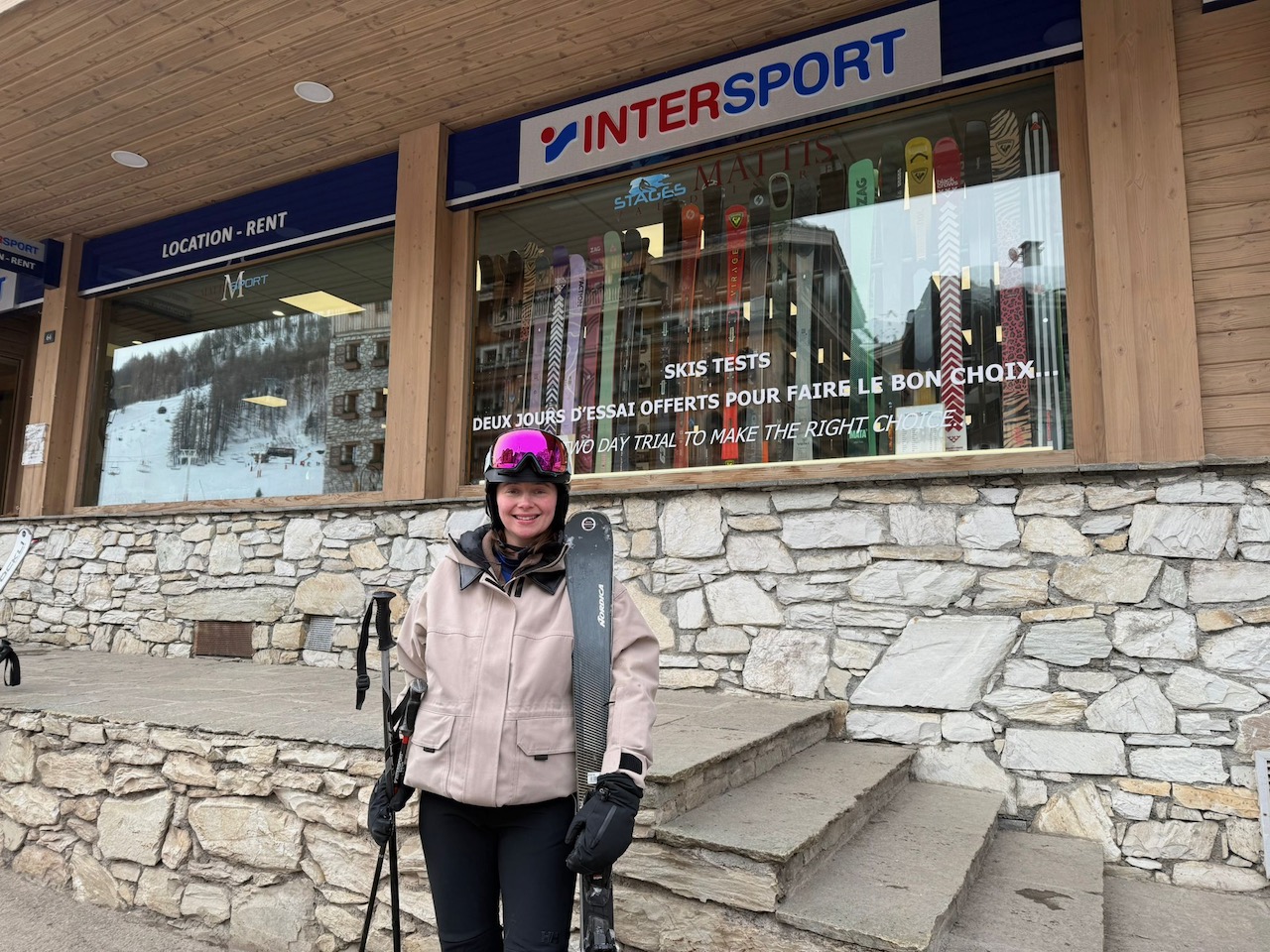
In late April 2026, the skiing conditions in Val d’Isère were marked by a typical spring dichotomy: overnight snowfall followed by rising daytime temperatures, leading to a transition from fresh powder to harder, variable pistes. For skiers operating out of the Intersport outlet located at 148, Rue du Cocor, the ability to maintain peak performance on the mountain was directly tied to the shop’s "flexibility and swap" policy. This operational model allows clients to exchange their equipment as snow textures change throughout the week, ensuring that the technical specifications of the skis—such as waist width, edge grip, and rocker profile—align with the immediate environment.
The Operational Framework of Modern Ski Rental
The logistics of managing a high-volume rental shop in a resort as prestigious as Val d’Isère require a blend of technical expertise and rapid customer throughput. The Intersport facility at Rue du Cocor has established a reputation for a seamless "walk-in" experience. Upon arrival, clients are processed through a system that prioritizes both speed and safety. Staff members are tasked with assessing the skier’s proficiency level and physical metrics to provide equipment that maximizes time on the snow.
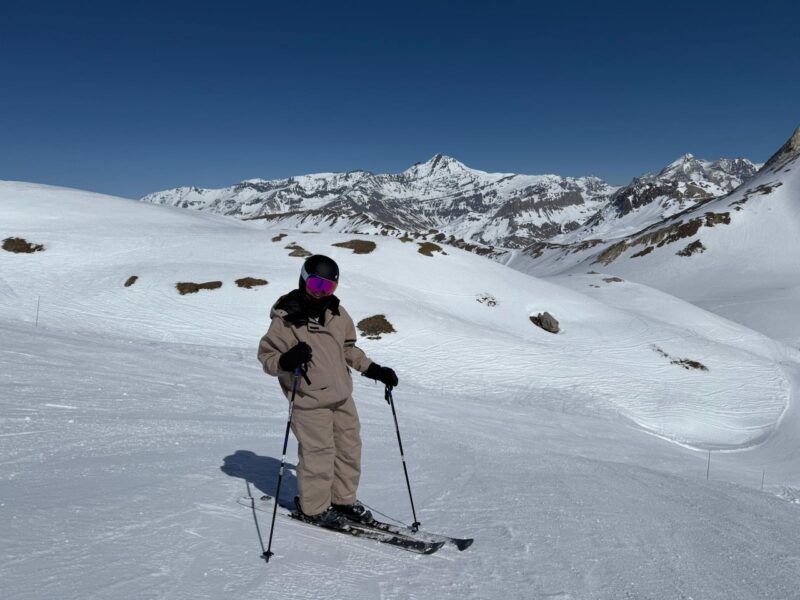
During the week of April 13, 2026, the service was described by returning customers as efficient and knowledgeable. The technical staff at this location are trained to understand the specific nuances of the Val d’Isère terrain, which spans from the challenging Face de Bellevarde to the more forgiving runs of the Fornet sector. By matching equipment to both the skier’s ability and the specific daily forecast, the shop mitigates the risks associated with using ill-suited gear in changing altitudes.
Case Study: The Transition from Ownership to Performance Rental
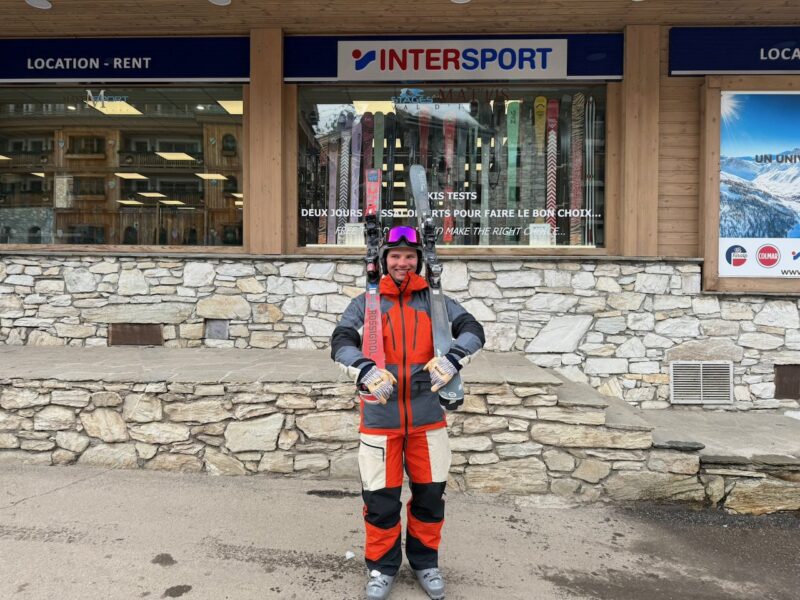
A significant development in the 2026 season has been the decision by experienced skiers to abandon the transport of personal equipment in favor of local hire. Max Cove, a frequent visitor to the French Alps, represents this demographic shift. Initially intending to bring his own specialized skis to Val d’Isère, Cove opted instead to utilize the Intersport rental fleet. The primary motivation for this change was the strategic advantage of "condition-based swapping."
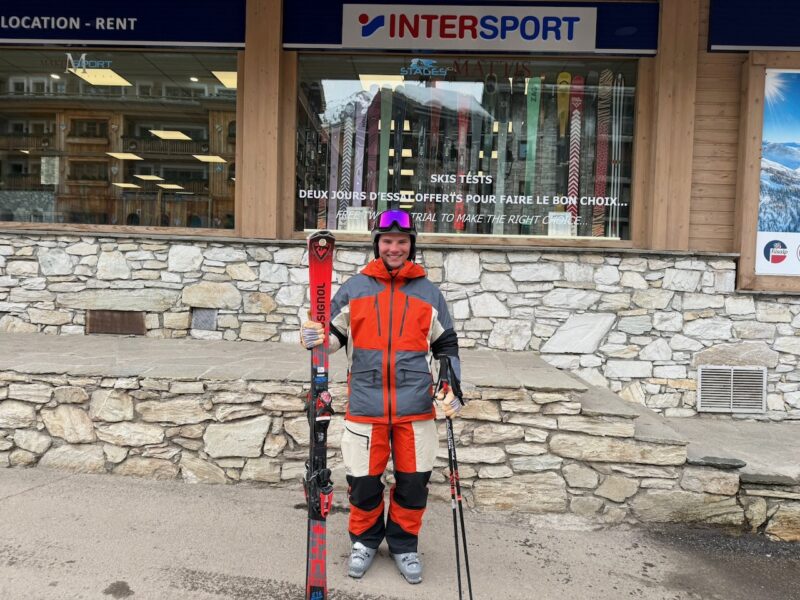
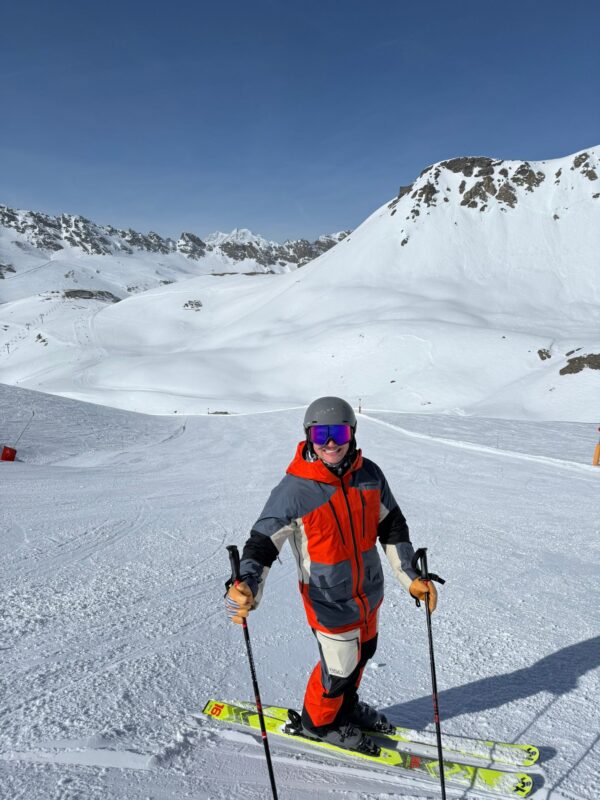
Personal equipment ownership often locks a skier into a single type of performance—typically either a piste-oriented carver or a wider powder ski. However, the 2026 spring season saw a mix of weather patterns that required different tools for different days. By utilizing a professional rental service, Cove was able to access a wide range of the latest 2025/2026 models, allowing for an optimized experience whether the day called for flotation in fresh snow or stability on icy morning runs. This flexibility is increasingly viewed as a "performance insurance policy" for tourists who have invested significantly in their alpine holiday.
Chronology of a Late-Season Rental Experience
The timeline of a typical high-end rental experience in April 2026 follows a structured path designed to minimize "downtime" for the tourist:
- Initial Fitting (Day 1): Customers enter the Rue du Cocor facility. Digital foot scanning and weight assessment ensure accurate DIN settings for bindings, a critical safety factor.
- Performance Testing (Day 1-2): Skiers test the initial setup on the mountain. In the case of the mid-April period, this often involved navigating the slushier lower slopes and the crisper upper glaciers.
- The Equipment Pivot (Day 3): Following a change in weather—such as the fresh snowfall recorded on April 14—customers return to the shop. The "no-fuss" exchange policy allows for a transition from narrow-waisted piste skis to all-mountain or freeride models.
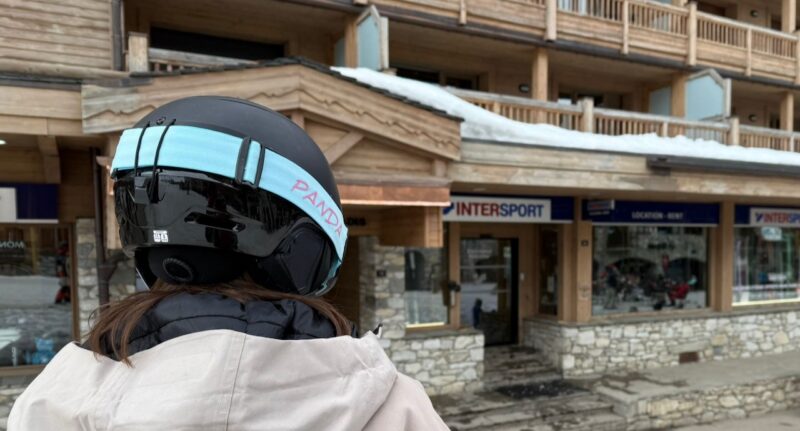
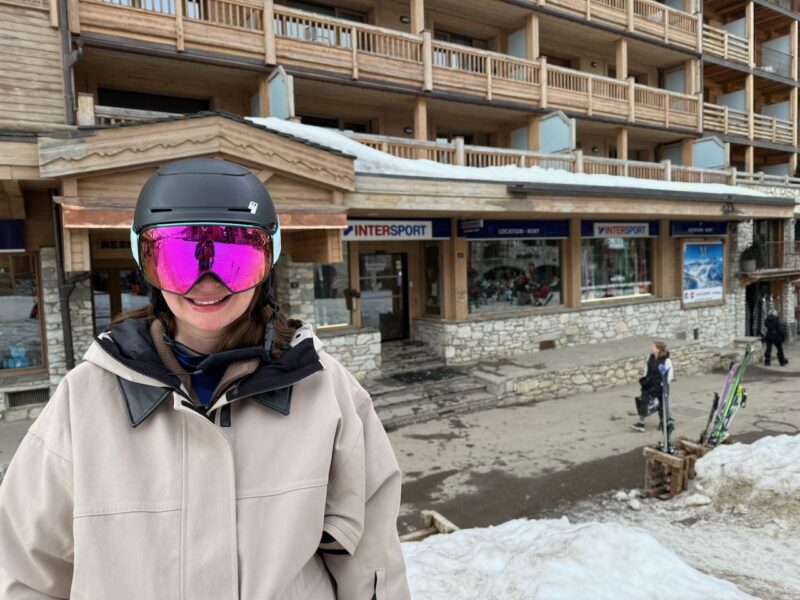
- Retail Integration: Beyond rental, the 2026 season saw a rise in "try-before-you-buy" retail. Customers like Lovegrove utilized the shop’s expertise to purchase essential safety gear, such as helmets, benefiting from professional fitting services that are often unavailable through online retailers.
- Final Return: The process concludes with a rapid return system, allowing tourists to maximize their final morning of skiing before departure.
Technical Analysis: The Importance of Professional Fitting
The retail aspect of the Intersport operation in Val d’Isère highlights a broader industry focus on safety and ergonomics. The purchase of a helmet, as noted in recent consumer reports from the resort, is no longer a simple aesthetic choice. Modern helmets in 2026 incorporate advanced MIPS (Multi-directional Impact Protection System) technology and integrated venting systems designed for high-altitude use.
The staff at the Rue du Cocor location provided detailed advice on fit and compatibility with goggles, ensuring that there were no gaps in protection—a common issue known in the industry as the "gaper gap" which can lead to both discomfort and frostbite. This level of professional consultation reinforces the value of physical storefronts in an era dominated by e-commerce. For a resort like Val d’Isère, which features some of the busiest ski intersections in Europe, the confidence provided by correctly fitted safety equipment is a non-negotiable component of the user experience.
Supporting Data: The Economic Impact of Rental Discounts
The cost of a ski holiday in the Tarentaise Valley has seen a steady increase due to energy costs and the premium nature of the Espace Killy ski area. Consequently, strategic partnerships between media platforms and service providers have become essential for many travelers. The collaboration between PlanetSKI and Intersport is a prime example of this economic ecosystem.
By utilizing a PlanetSKI discount code, renters in 2026 were able to access substantial savings, sometimes reducing the total cost of a week-long premium rental by up to 15-20%. This financial incentive allows families and frequent skiers to reallocate their budget toward other resort services, such as professional guiding or local gastronomy, thereby supporting the broader mountain economy. Data suggests that shops offering transparent discount structures through reputable news platforms see higher rates of customer retention and positive word-of-mouth referrals.
Broader Implications for Alpine Tourism
The success of Intersport’s 2026 operations in Val d’Isère reflects a wider trend in the global travel industry: the "Service as a Solution" model. Tourists are no longer just looking for a product (the skis); they are looking for the assurance that their equipment will not be a hindrance to their holiday. In a high-stakes environment where lift passes can cost upwards of €70 per day, every hour lost to equipment failure or poor performance is a significant financial and emotional loss.
Industry analysts suggest that the "hassle-free" service model adopted by top-tier rental shops is crucial for maintaining the prestige of resorts like Val d’Isère. As other international destinations in North America and Asia compete for the same high-net-worth individuals, the quality of the "ground game"—the shops, the staff, and the flexibility of service—becomes a key factor in where a skier chooses to book their next trip.
Conclusion and Future Outlook
As the 2025/2026 season draws to a close, the performance of rental hubs like the Intersport at 148, Rue du Cocor provides a blueprint for the future of mountain retail. The combination of expert human advice, high-quality equipment, and a flexible approach to changing environmental conditions meets the demands of the modern, informed skier.
For returning customers and first-timers alike, the reliability of these services acts as a cornerstone of the Val d’Isère experience. As technology continues to evolve—potentially introducing more automated fitting systems and real-time equipment tracking—the core value of "friendly, efficient service" remains the gold standard. For those planning their 2027 winter excursions, the lessons from April 2026 are clear: the right rental partner is as important as the right resort. In the volatile world of Alpine weather, flexibility is not just a luxury; it is a necessity for a successful mountain experience.

