
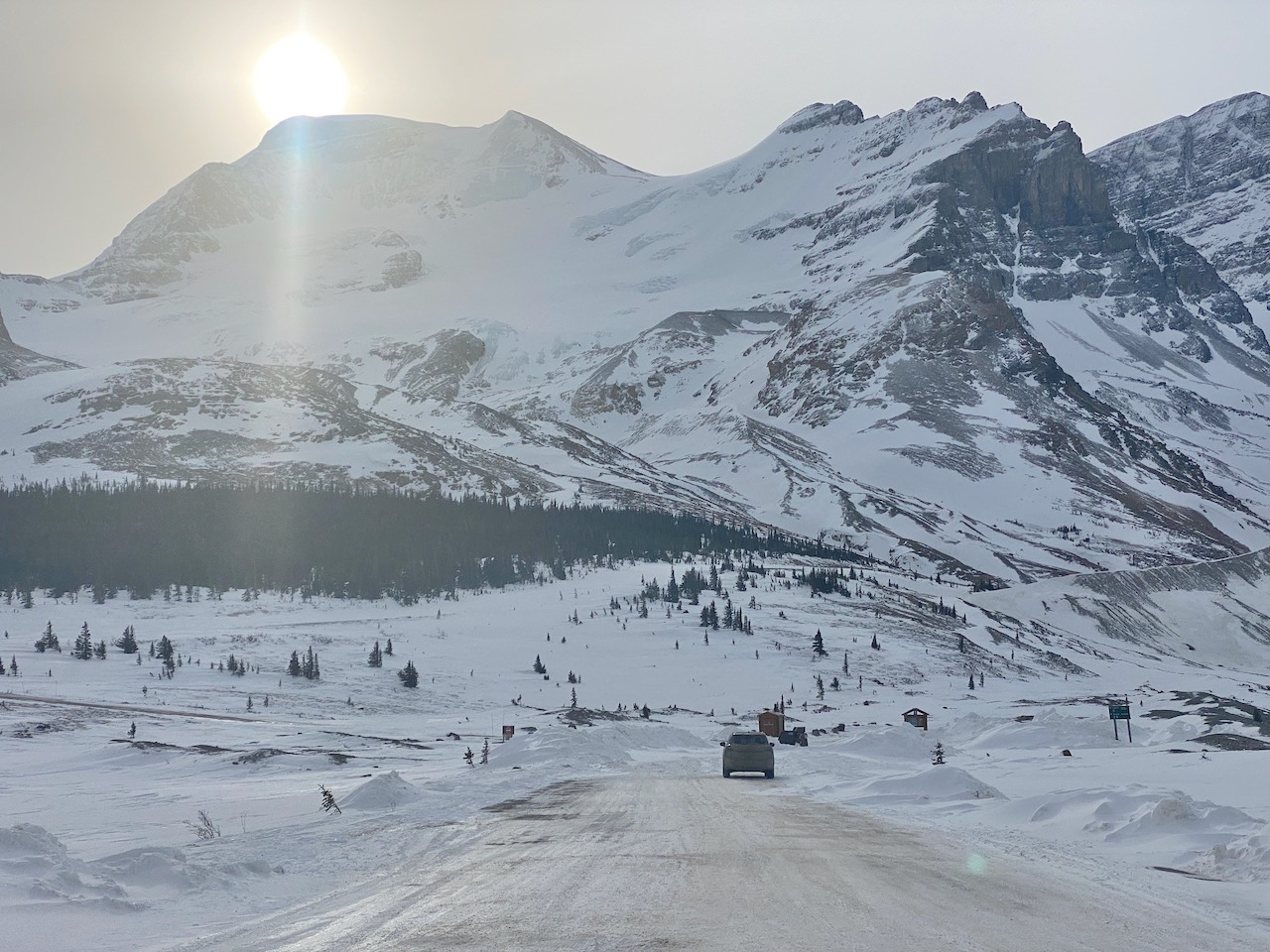
The management of winter safety in the Canadian Rockies has entered a new technological era as Parks Canada concludes a pivotal winter testing phase of the SnowDart drone system in Jasper National Park. Developed by Aerial Vehicle Safety Solutions (AVSS), a New Brunswick-based aerospace company, the SnowDart represents a significant shift in how authorities manage avalanche risks along one of North America’s most scenic and hazardous mountain corridors. This winter, the system was deployed to address the unique challenges of the Icefields Parkway, a critical stretch of Highway 93 North that connects Lake Louise to Jasper. The initiative follows a landmark decision by the Canadian government to grant special permissions for private companies to explore Unmanned Aerial Vehicle (UAV) applications in high-stakes public safety roles, specifically for the purpose of triggering controlled avalanches.
The Evolution of Avalanche Mitigation in the Canadian Rockies
Avalanche control is an essential component of winter maintenance in Alberta and British Columbia, where heavy snowfall and steep terrain create constant threats to infrastructure and human life. Historically, Parks Canada and the Canadian Armed Forces have relied on a combination of heavy artillery and manual aerial bombing. For decades, the Royal Canadian Horse Artillery of the Canadian Armed Forces has utilized 105 mm howitzer guns to secure mountain passes. This method involves firing high-explosive shells from the valley floor onto known "start zones" high on the mountain slopes. The resulting shockwave is designed to release accumulated snow under controlled conditions, preventing larger, unpredictable slides that could bury highways or trap motorists.
While effective, the use of military-grade artillery presents logistical hurdles. It requires the coordination of military personnel, the maintenance of aging equipment, and the management of unexploded ordnance risks. Furthermore, artillery is limited by line-of-sight and range; certain slopes remain inaccessible to ground-based shells. To supplement this, Parks Canada has long employed helicopters to drop explosive charges strategically. While helicopters offer greater mobility than howitzers, they are prohibitively expensive, costing thousands of dollars per flight hour, and they place pilots and technicians at significant risk by requiring them to fly in close proximity to unstable slopes in volatile mountain weather.
The introduction of the SnowDart system aims to bridge the gap between these traditional methods. By utilizing a drone to transport and drop explosives, AVSS provides a solution that is more precise than artillery and more cost-effective and safer than manned helicopter missions.
Technical Specifications and Operational Deployment of the SnowDart
The SnowDart system, as tested this winter in Jasper, is a specialized UAV platform designed to operate in the extreme cold and high-altitude environments of the Alberta Rockies. The process involves a drone operator piloting the craft to a predetermined GPS coordinate above a known avalanche trigger point. Once in position, the drone releases a specialized explosive charge onto the snowpack. The charge is then remotely detonated from a safe distance, allowing the safety team to monitor the results in real-time via the drone’s onboard high-definition cameras.
One of the primary advantages of the SnowDart is its ability to access "blind spots"—areas of the mountain that are shielded from artillery fire by ridges or those that are too narrow for safe helicopter maneuvers. The precision of drone delivery also minimizes the environmental footprint of the control work, as operators can target very specific sections of a snow slab to achieve the desired release with smaller explosive loads.
Josh Ogden, the co-founder of AVSS, has emphasized that the drone is not intended to be a total replacement for existing infrastructure but rather a sophisticated addition to the professional’s toolkit. "This just gives us another tool in the toolbox," Ogden stated during the testing phase. The versatility of the system allows for rapid deployment as soon as weather windows open, potentially reducing the duration of road closures by allowing for more frequent, smaller-scale interventions.
A Season of Extremes: The 2025-2026 Winter Context
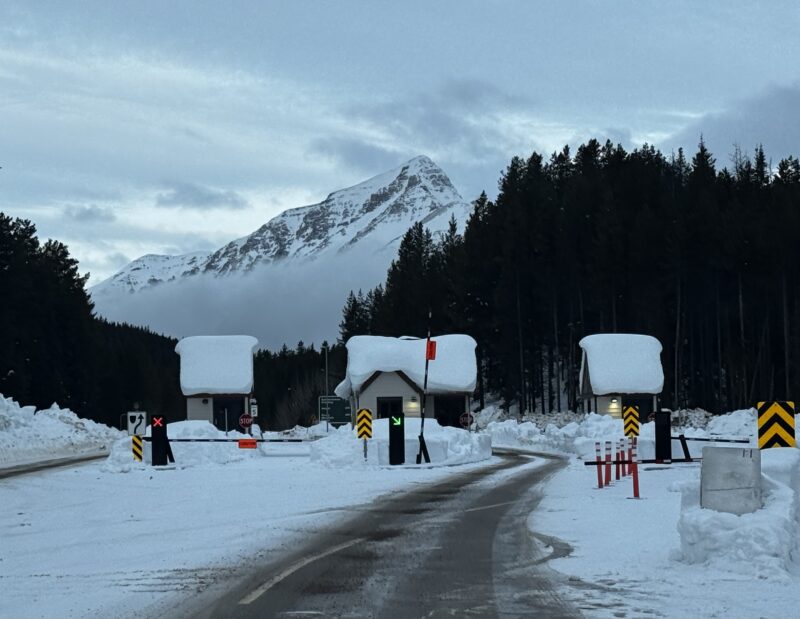
The urgency for advanced avalanche control tools was underscored by the severe weather conditions experienced during the 2025-2026 winter season. Jasper National Park saw snowfall levels significantly above the historical average, leading to high-intensity avalanche cycles. The Icefields Parkway, which serves as a vital artery for tourism and regional transport, was particularly hard-hit.
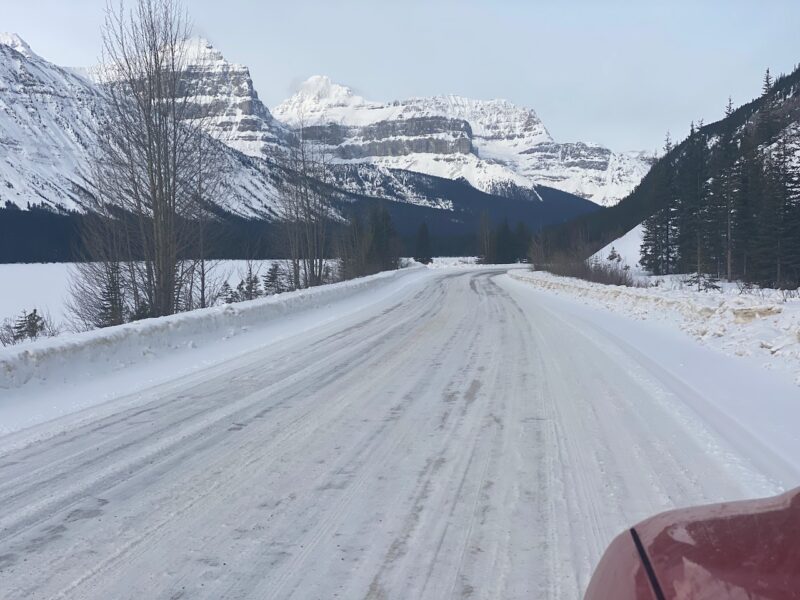
According to data provided to CBC News by Parks Canada, the Icefields Parkway was closed for a total of 22 days this winter. This figure represents the highest number of closure hours in "recent memory," reflecting the immense pressure on safety crews to manage a volatile snowpack. During these periods of extreme weather, Parks Canada was forced to trigger several large-scale avalanches that resulted in significant snow deposits on the highway surface. These closures have a ripple effect on the local economy, impacting Jasper’s tourism sector and disrupting the flow of goods between Lake Louise and the northern regions of Alberta.
The record closures highlighted the limitations of current technology. When visibility is zero and winds are high, neither helicopters nor drones can fly. However, the SnowDart’s ability to be deployed quickly during brief breaks in a storm—without the logistical lead time required for a helicopter crew or an artillery unit—could prove vital in shortening the "wait time" between a storm cycle and the reopening of the road.
Official Responses and Safety Assessments
Despite the promising results of the SnowDart trials, officials remain cautious about the timeline for full-scale integration. Deryl Kelly, a safety specialist with Parks Canada, noted that while drones show great potential for managing avalanche risk, they are currently supplemental. In a formal statement, Kelly clarified that drones will not become the sole tool for avalanche control in the immediate future, primarily due to their sensitivity to adverse weather conditions. High winds, heavy precipitation, and icing remain significant obstacles for UAV operations in alpine environments.
"Testing will continue next winter," Kelly confirmed, indicating that Parks Canada requires more data on the reliability of the SnowDart system across a wider variety of meteorological conditions. The goal of the ongoing trials is to establish rigorous safety protocols and to determine the exact parameters under which drone-based mitigation is the most effective choice.
The commercial sector is also watching the Jasper trials with keen interest. Brian Rode, Vice-President of the Marmot Basin ski resort, expressed optimism regarding the technology. For ski resorts, avalanche control is a daily necessity during the winter months. Currently, resorts often use remote trigger stations—fixed installations like Gazex pipes or O’BellX modules that use gas explosions to trigger slides. While effective, these stations are expensive to build and maintain. A mobile drone system could offer resorts a flexible and lower-cost alternative for securing out-of-bounds areas or steep chutes that are not serviced by fixed installations. Rode indicated that Marmot Basin would continue to monitor the development of the SnowDart and its eventual transition to the commercial market.
Broader Implications for Mountain Safety and Infrastructure
The successful testing of drone-delivered explosives in Jasper National Park has implications that extend far beyond the borders of Alberta. If the SnowDart system is fully adopted, it could set a global precedent for mountain safety. Countries with similar alpine challenges, such as Switzerland, France, and New Zealand, are already exploring UAV technology, but the Canadian trials are among the most rigorous in terms of integrating drones into a national park’s regulatory framework.
From a fiscal perspective, the shift toward drone technology represents a potential windfall for taxpayers. The cost of maintaining a fleet of howitzers and the associated ammunition, combined with the hourly rates for private helicopter charters, represents a significant portion of Parks Canada’s winter operating budget. Drones, while requiring an initial capital investment and specialized pilot training, have negligible hourly operating costs and require fewer personnel on-site.

Furthermore, the safety benefits cannot be overstated. Traditional "bombing" from helicopters involves a crew member leaning out of an open door to toss a fused charge. Even with modern safety harnesses and protocols, the risk of a "hangfire" (an explosive that fails to detonate or experiences a delay) or a helicopter mechanical failure in a high-risk zone is a constant concern. By moving the operator several kilometers away from the target zone, the SnowDart effectively eliminates the risk of human casualty during the detonation phase.
Future Outlook and Technological Refinement
As the 2025-2026 winter season draws to a close, the focus turns to the refinement of the SnowDart system for the next round of testing. AVSS and Parks Canada are expected to analyze flight data to improve battery life in sub-zero temperatures and to enhance the drone’s stability in the turbulent air currents common in mountain passes.
The integration of artificial intelligence (AI) and thermal imaging is also a likely next step. Future iterations of the SnowDart could potentially use sensors to analyze snow depth and density before dropping a charge, ensuring that the explosive force is used as efficiently as possible. Additionally, the ability to conduct post-detonation surveys using the same drone provides immediate feedback on the success of the mission, allowing crews to clear roads with a higher degree of confidence.
While the 105 mm howitzers and the thrum of helicopter blades will likely remain a part of the Jasper landscape for a few more years, the SnowDart has proven that the future of avalanche control is unmanned. As Highway 93 North continues to face the challenges of a changing climate and increasingly unpredictable winter patterns, the "tool in the toolbox" provided by AVSS may soon become the most important instrument for keeping the Icefields Parkway open and safe for the thousands of travelers who traverse it every year.

