
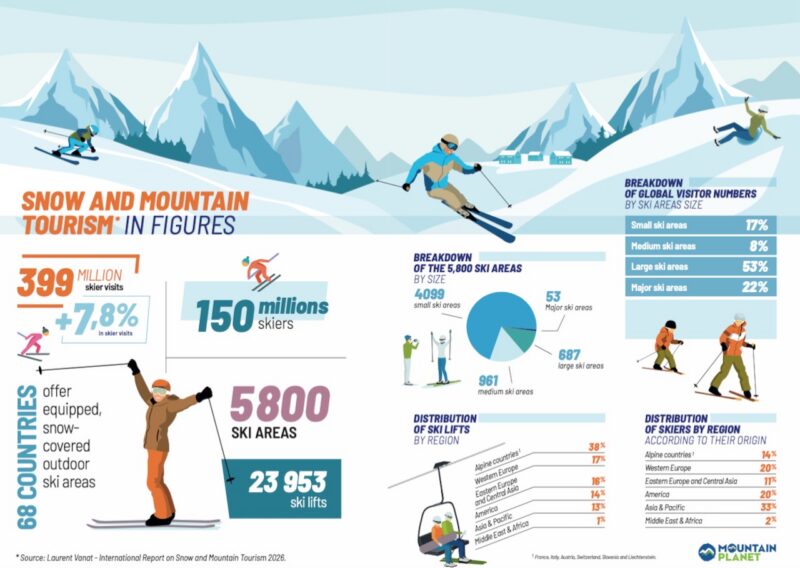
The global ski industry has achieved an unprecedented milestone, with the 2024/25 winter season marking the busiest on record. The latest findings from the International Report on Snow & Mountain Tourism reveal that an astonishing 399 million skier visits were recorded worldwide, surpassing the previous record of 392 million set in the 2018/19 season, just before the global disruption of the COVID-19 pandemic. This robust performance signifies a remarkable rebound and growth trajectory for the sector, even as it navigates evolving environmental and operational challenges.
This landmark season concludes the first quarter of the 21st century, a period that has been significantly shaped by unforeseen events and pressing global concerns. The early years of this century witnessed the profound impact of the COVID-19 pandemic, which brought the tourism sector, including ski resorts, to a standstill. During the winter of 2020/21, global skier visits plummeted by nearly 50%, a stark reminder of the industry’s vulnerability to global health crises.
Parallel to these disruptions, the escalating issue of climate change has increasingly taken centre stage, highlighting the ski industry’s inherent susceptibility to rising global temperatures. This growing awareness has prompted a significant shift in operational strategies, with ski resorts actively integrating climate change considerations into their planning and investment decisions. Despite these challenges, the report’s findings indicate that the industry has not yet experienced a collapse; instead, skiers continue to flock to mountain destinations in substantial numbers.
Key Trends and Market Performance in the 2024/25 Season
The 2024/25 season has demonstrated a strong recovery and, in many instances, an exceeding of pre-pandemic visitation levels. When compared to the average of the five seasons preceding COVID-19, most major ski markets have not only recovered but have surpassed their historical benchmarks.
China Continues its Ascent: For the second consecutive year, China has emerged as the leading country in terms of performance exceeding its historic pre-COVID five-year average. This sustained growth underscores the significant investment and development in China’s winter sports infrastructure and its burgeoning domestic market.
Established Markets Show Resilience: The United States, Italy, and Russia have also confirmed the positive visitation dynamics observed in recent seasons, indicating a robust and sustained demand in these key markets. Switzerland, in particular, appears to be regaining strong momentum, signaling a resurgence in its appeal as a premier ski destination.
Areas of Uncertainty: In contrast, Japan and Germany remain the countries where a return to pre-pandemic visitation levels is still considered the most uncertain. This divergence in recovery trajectories suggests a complex interplay of factors, potentially including varying domestic tourism policies, economic conditions, and specific market dynamics within these nations.
Adapting to a Changing Climate: Operational Resilience
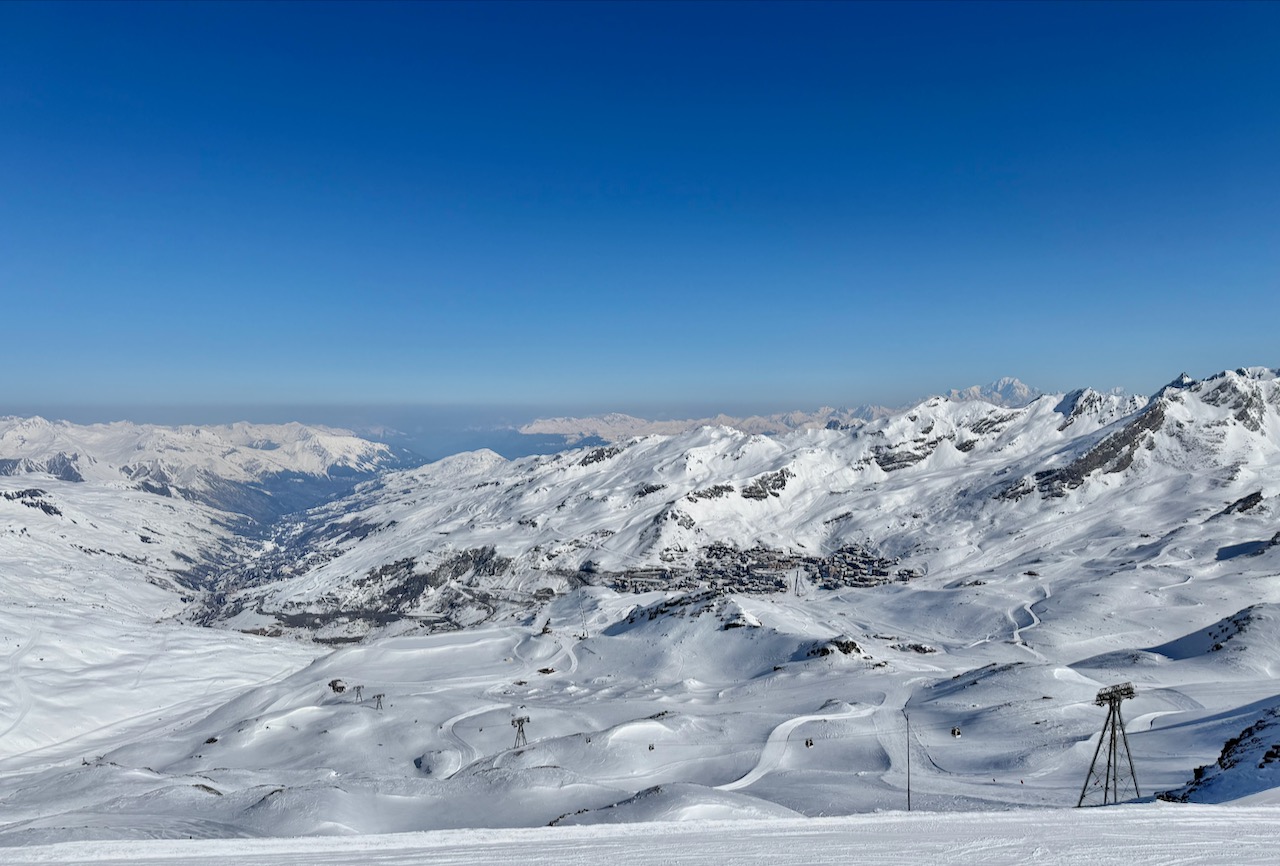
A significant structural trend highlighted by the 2024/25 winter is the diminishing direct link between skier visitation and natural snow conditions in many ski markets. Across numerous European destinations, snowfall was reported to be below average, particularly at mid-altitudes and during the crucial month of January. Despite these meteorological challenges, visitation levels remained stable or even increased in many markets.
This resilience can be attributed to a combination of factors that demonstrate the industry’s adaptive capabilities:
- Advanced Snowmaking Technology: Extensive snowmaking coverage has become a critical component of resort operations, ensuring consistent snow conditions even when natural snowfall is scarce. Investments in energy-efficient and environmentally conscious snowmaking systems are becoming increasingly prevalent.
- Efficient Resort Operations: Streamlined management and operational efficiencies within ski resorts contribute to a seamless and enjoyable experience for visitors, regardless of natural snow variability. This includes effective piste grooming, efficient lift operations, and comprehensive guest services.
- Strong Holiday Demand: The enduring appeal of skiing and snowboarding as a holiday activity, coupled with pent-up demand from previous years, continues to drive strong visitation figures. The social and recreational aspects of mountain holidays remain a powerful draw for a global audience.
- Favourable Weather Conditions (Beyond Snowfall): While natural snow may have been limited, other weather elements, such as clear skies and cold temperatures suitable for snowmaking and enjoyable outdoor activities, can contribute to a positive overall guest experience.
European Success Stories: Switzerland recorded its best performance in over fifteen years, a testament to its strategic investments and strong market positioning. Italy achieved its third consecutive positive season, underscoring its consistent appeal. France, Austria, Spain, and Andorra also witnessed increased visitation, demonstrating their ability to attract skiers despite challenging meteorological conditions.
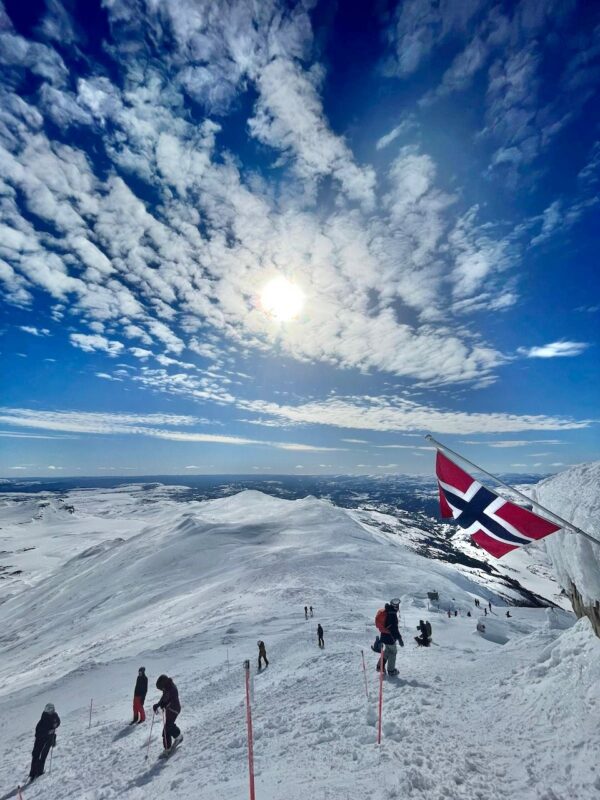
Nordic Markets’ Vulnerability: Northern Europe stood out as one of the few regions more significantly affected by weather variability. Nordic markets, which remain more dependent on natural snow, experienced a more pronounced impact from the less-than-ideal snowfall patterns.

North American and Asian Dynamics: In North America, while snowfall remained below average in several areas, visitation levels were robust, indicating strong demand and resort operational capabilities. In Asia, Japan experienced contrasting conditions between its northern island of Hokkaido and the main island of Honshu. The return of international visitors played a crucial role in boosting overall demand in the region.
Broader Context and Industry Evolution
The 2024/25 winter season’s success, despite environmental pressures, illustrates the operational resilience and adaptability of the ski industry. As Laurent Vanat, the author of the report, stated, "In many destinations, efficient management, reliable snowmaking, and favourable weather conditions were sufficient to sustain high levels of visitation even with limited natural snow." This statement highlights a paradigm shift where technological advancements and strategic planning are increasingly mitigating the impact of natural snow variability.
The 18th edition of the International Report on Snow & Mountain Tourism, unveiled by Laurent Vanat during the opening conference of the Mountain Planet exhibition in Grenoble, France, serves as a critical benchmark for the industry. This report is globally recognized for its comprehensive overview of the ski season and its in-depth analysis of the evolution of the ski industry worldwide.
Global Reach of Skiing: The report identifies 68 countries globally that offer equipped outdoor ski areas. While snowfields are more widespread, approximately 2,000 ski resorts have been identified worldwide. Beyond the major destinations, a number of smaller, niche markets continue to thrive or are in various stages of development.
Emerging Destinations: Eastern Europe and China are prominently identified as emerging destinations experiencing significant growth. However, other smaller players across the globe are also contributing to the diversity of the ski landscape. These include destinations such as Cyprus, Greece, India, Iran, Israel, Lebanon, Lesotho, Morocco, New Zealand, Pakistan, South Africa, and Turkey, among others. This geographical expansion indicates a growing global interest in snow sports and mountain tourism.
Report Accessibility: Free digital access to the full report is typically limited to its contributors and supporters of its crowdfunding campaign. Hard copies of the report can be purchased online through the author’s website, www.vanat.ch.
About the Author and the Report
Laurent Vanat, an independent international consultant with a Master’s degree in Commercial and Industrial Sciences from the University of Geneva, has established himself as a recognized expert in alpine tourism and the ski resort industry. His expertise spans business strategy, market analysis, and management. Since 2009, his annual International Report on Snow & Mountain Tourism has become the most comprehensive independent benchmarking resource for the performance of ski resorts and the global ski industry. The report’s findings are frequently presented at major international conferences and industry events, including those organized by OITAF, UN Tourism, FIS, Mountain Planet, ALPITEC/ISPO, and IMTA, further solidifying its importance in shaping industry discourse and strategy.
The sustained success of the 2024/25 ski season, despite the lingering concerns of climate change and the economic aftermath of the pandemic, paints a picture of a resilient and adaptive global ski industry. The ability of resorts to innovate, invest in technology, and cater to evolving consumer demands suggests a strong outlook for snow and mountain tourism in the years to come.

