
A recent viral video from Colorado-based content creator Outdoor Devin has ignited a familiar debate among outdoor enthusiasts: who truly has the right of way on a hiking trail – the uphill or the downhill hiker? While the discussion has sparked varied opinions and lighthearted banter, the National Park Service (NPS) offers a definitive answer, reinforcing established trail etiquette that prioritizes the effort of ascending hikers.
The Uphill Advantage: A Long-Standing Convention
The core of the debate centers on the physical exertion involved in hiking. Ascending a trail demands significantly more energy and momentum than descending. For uphill hikers, stopping can mean a considerable loss of progress, requiring a strenuous effort to regain their rhythm and continue their climb. Conversely, downhill hikers can more easily halt their progress, step aside, and allow an approaching uphill hiker to pass without significant disruption to their own journey.
Outdoor Devin’s popular TikTok video, which garnered widespread attention, playfully acknowledged this dynamic. While Devin presented arguments for both sides, including the practical benefit of downhill hikers offering a brief respite for those struggling uphill, the underlying principle remains a cornerstone of responsible trail use. The video’s caption humorously noted, “The rulebook says uphill has the right of way because it’s harder to regain momentum, but let’s be honest—half the time we’re just looking for an excuse to stop and catch our breath!” This sentiment highlights the shared experience of hikers, where a brief pause might be welcomed, but the established rule aims for efficiency and respect.
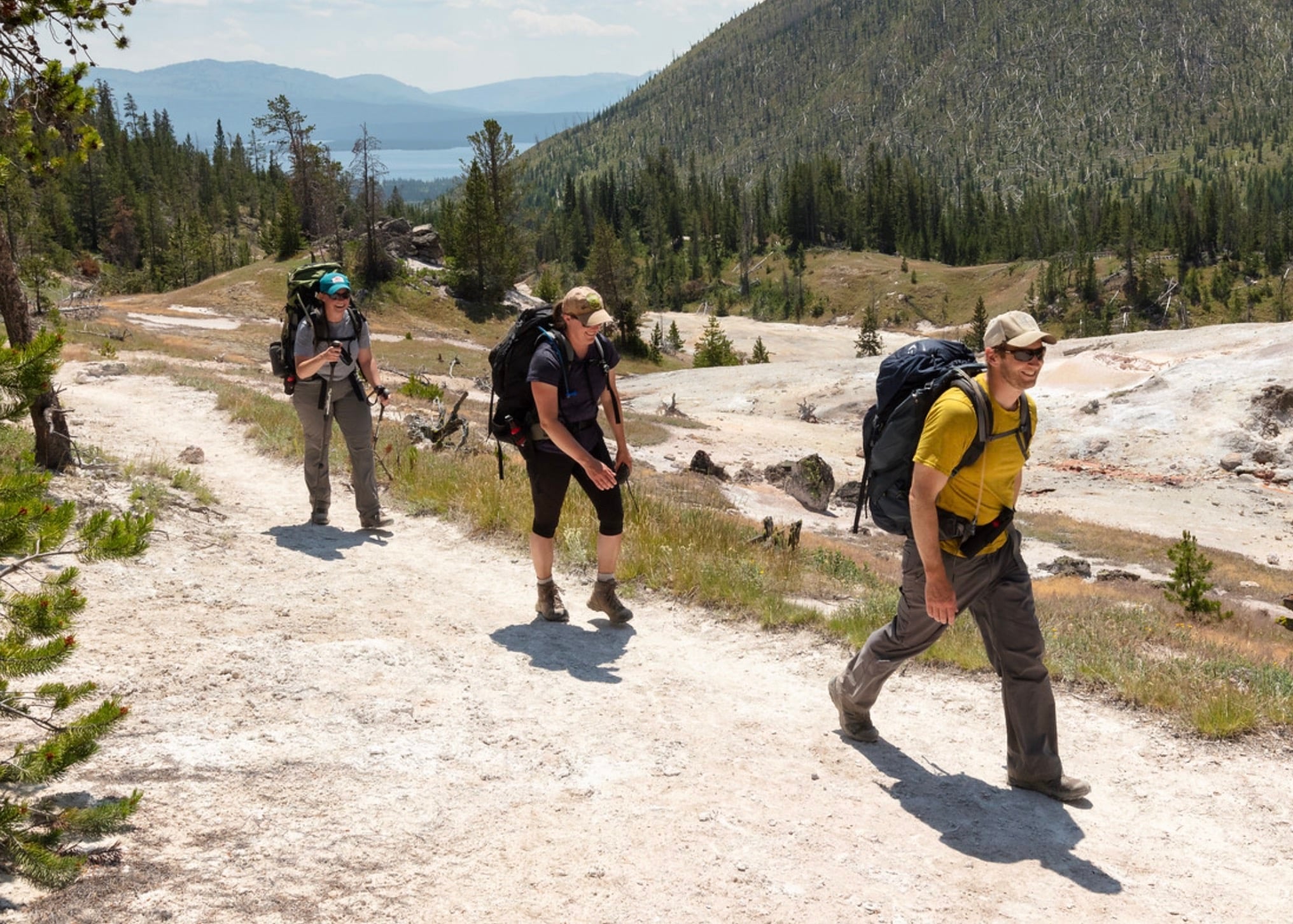
Official Stance: The National Park Service Weighs In
Dispelling any ambiguity, the National Park Service, a primary steward of America’s most iconic natural landscapes, has a clear and consistent policy on this matter. According to their published hiking etiquette guidelines, “Hikers coming uphill have the right of way. If you’re descending the trail, step aside and give space to the people climbing up.” This directive is not a suggestion but a recognized standard intended to facilitate safe and respectful passage for all trail users.
The NPS rationale is rooted in the fundamental principles of outdoor recreation: minimizing impact, ensuring safety, and fostering a sense of community among those who share the natural environment. By establishing a clear hierarchy of right-of-way, the NPS aims to prevent potential conflicts and enhance the overall experience for everyone.
The Broader Context of Trail Etiquette
The “uphill hiker” rule is just one facet of a larger framework of trail etiquette that governs interactions in natural settings. As outdoor recreation continues to surge in popularity, adherence to these unwritten and written codes becomes increasingly critical. The NPS emphasizes the importance of following all trail rules, both explicit and implicit, to promote stewardship of the land and respect for fellow adventurers.
Data from the National Park Service indicates a consistent rise in visitation numbers across the park system, with millions of Americans engaging in hiking activities annually. For instance, in 2023, national parks saw over 321 million recreation visits. This influx of visitors underscores the need for clear guidelines to manage shared spaces effectively. The challenge lies not only in enforcing rules but also in educating the public about their importance.
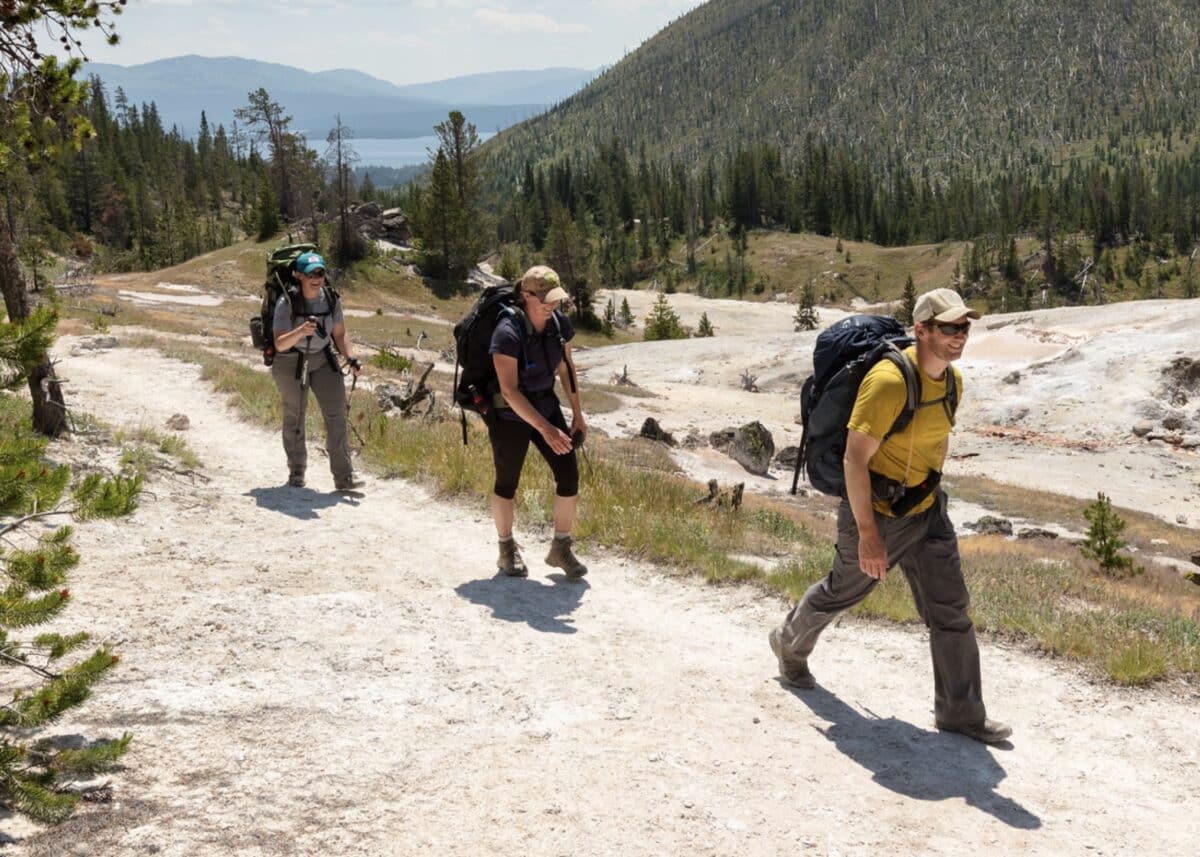
Beyond the right-of-way, other crucial elements of trail etiquette include:
- Leash Laws and Pet Etiquette: Ensuring pets are leashed and that owners pick up after them is vital for protecting wildlife and maintaining trail cleanliness.
- Noise Levels: Respecting the natural soundscape by avoiding loud music (especially from Bluetooth speakers) and maintaining moderate conversation is paramount.
- Leave No Trace Principles: This foundational philosophy encourages visitors to pack out everything they pack in, stay on marked trails, and minimize their impact on the environment.
- Yielding to Other Users: Beyond the uphill/downhill dynamic, hikers should also yield to equestrians and cyclists when encountered, as these users may have less maneuverability.
- Trail "Hellos": A simple greeting acknowledges other users and fosters a friendly atmosphere, as humorously pointed out in Outdoor Devin’s video.
Implications and Future of Trail Usage
The clarification of the uphill hiker’s right of way by the NPS serves as a timely reminder as warmer weather encourages more people to explore the outdoors. As visitation numbers continue to climb, the potential for friction between different user groups or individuals unfamiliar with trail etiquette increases.
The implications of adhering to these guidelines extend beyond mere convenience. They contribute to the preservation of natural resources, the safety of individuals, and the overall enjoyment of public lands. A well-followed etiquette system can prevent minor inconveniences from escalating into disputes, fostering a more harmonious relationship between humans and the natural world.
For new hikers, understanding these conventions is as important as knowing how to read a map or pack essentials. Organizations like the NPS and various outdoor recreation advocacy groups play a crucial role in disseminating this information through visitor centers, online resources, and educational programs.
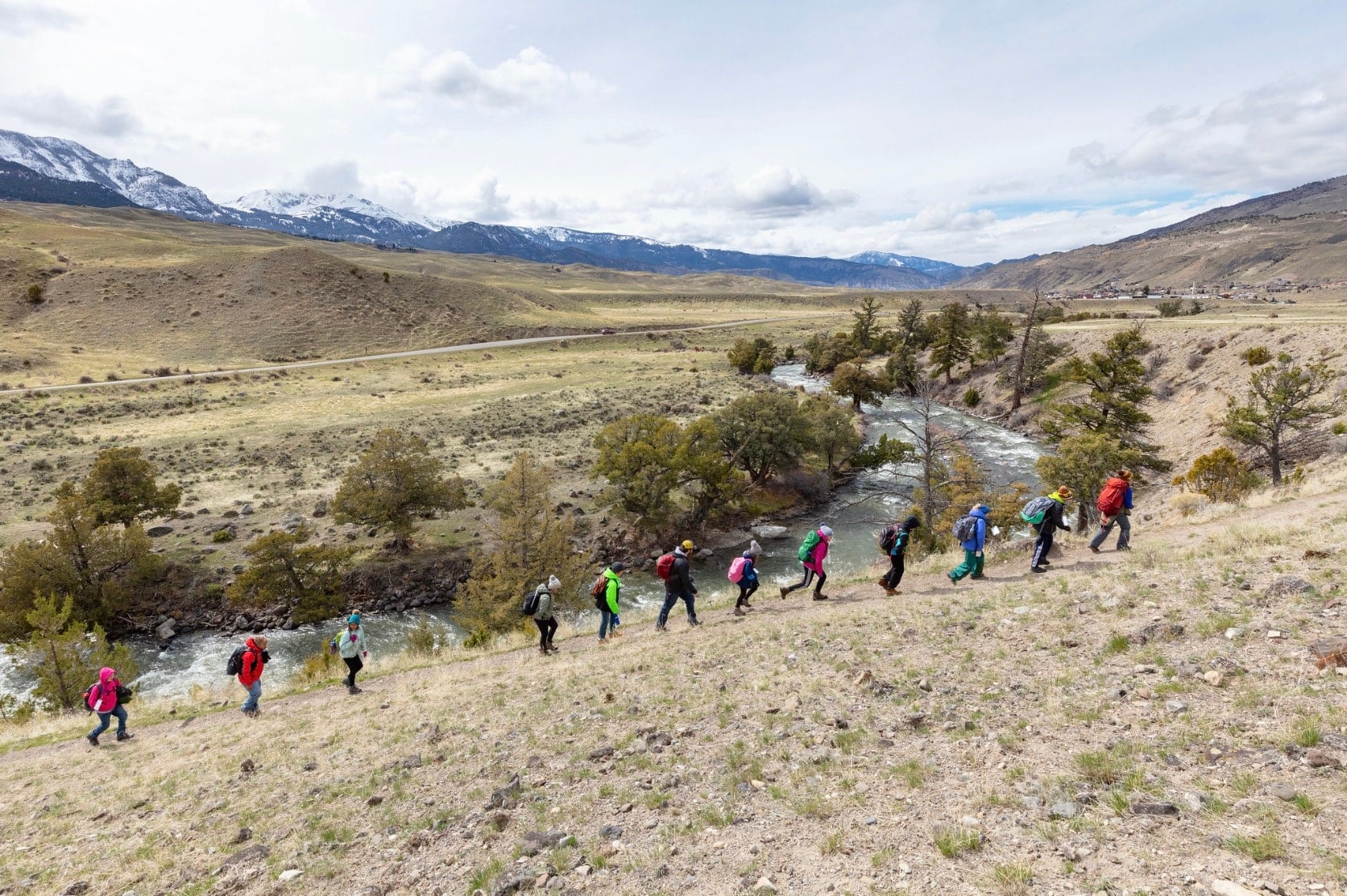
Ultimately, the "golden rule" of treating others as you would wish to be treated serves as a universal guide. When applied to the trail, this means being considerate of the effort, space, and enjoyment of every individual sharing the path. By embracing established etiquette, hikers can ensure that their adventures contribute positively to the environment and the shared experience of exploring the great outdoors. The debate over the uphill hiker’s right of way, while often lighthearted, underscores a fundamental aspect of responsible outdoor recreation: mutual respect and a commitment to preserving the natural beauty for all.

