
Published April 15, 2026 10:01 AM
The scene was one of both farewell and renewal, a tangible representation of commitment to high-performance ski gear. Standing by the dumpster, a seasoned skier paused, reflecting on years of shared adventures with a pair of beloved Tecnica Mach1 LV 130s. The once vibrant orange plastic, now faded and whitened, bore the marks of over 200 demanding ski days, their structural integrity nearing its limit. With a sense of respect for their service, they were deposited, making way for the next chapter. The transition, however, was not one of complete replacement but rather a strategic relocation of a critical component: the trusty aftermarket Zipfit Gara LV liners. These liners, having already anchored two previous pairs of ski boots through countless turns, were meticulously transferred into their new home, a pair of Armada AR ONE 130 shells, marking their third shell iteration with the potential for many more to come. This personal anecdote encapsulates a broader narrative within the ski industry: the profound impact of durable, high-performance custom liners on both skier experience and equipment longevity.
A Personal Testament to Enduring Performance
The journey with Zipfit liners began for this particular gear writer in 2020, sparked by a roommate’s revelation. Returning from the boot shop with a transformative "look of wonder," the roommate declared an end to his persistent ski boot problems, albeit at a significant financial outlay. Having personally grappled with chronic boot discomfort and performance issues, the writer was compelled to investigate. A timely infusion of pandemic-era unemployment benefits provided the means to invest in the Zipfit Gara LVs, a decision that would fundamentally alter their skiing experience for years. This initial investment underscored a willingness to explore premium solutions to long-standing equipment challenges, a common driver for many skiers seeking an edge in comfort and control. The writer’s subsequent experience, including a period working as a bootfitter where Zipfits were sold, lends a unique, informed perspective to the product’s capabilities and market positioning, though the current analysis remains strictly objective.
The Genesis of a Revolution: Sven Coomer and Zipfit’s Founding
The origins of Zipfit are deeply intertwined with the pioneering spirit of Sven Coomer, a name synonymous with innovation in ski boot design. Coomer, inducted into the U.S. Ski and Snowboard Hall of Fame in 2021, co-founded Mammoth’s Footloose Sports in 1979, a location that holds significant historical relevance for Zipfit. His illustrious career saw him influence some of the most iconic boot designs in skiing history, from high-performance plug race boots to popular models like the Atomic Hawx and distinctive cabrio designs such as Full Tilt and K2 Fl3x.
Before establishing Zipfit, Coomer was already exploring custom solutions for foot support, notably experimenting with ground-up Birkenstock cork for orthotics and custom footbeds. This early work laid the conceptual groundwork for his later venture. In 1989, Coomer founded Zipfit, marking a pivotal moment in ski boot technology. At a time when many custom liners relied on injection-molded foams, often containing toxic chemicals and prone to rapid degradation, Zipfit introduced a revolutionary alternative. It was the first custom liner that eschewed these problematic foams, instead utilizing natural, non-toxic materials and a unique filling mechanism. This innovation addressed critical shortcomings of conventional liners: their limited lifespan, tendency to "pack out" (compress permanently), and the environmental concerns associated with their materials and disposal. Coomer’s vision was to create a liner that offered superior, lasting fit without compromise, setting a new standard for performance and durability.
Engineering for Excellence: The Science Behind OMFit Cork
The enduring success and largely unchanged design of Zipfit liners over decades are a testament to their foundational engineering principles. Constructed from a robust combination of leather, neoprene, and wool, these materials are carefully chosen for their specific properties: leather for structure and durability, neoprene for flexibility and insulation, and wool for warmth and moisture management. The true innovation, however, lies within the internal bladders strategically placed in the tongue and ankle pockets. These bladders are filled with OMFit cork, a proprietary mixture of cork granules and oil.
The science behind OMFit cork is what fundamentally differentiates Zipfit from foam-based liners. Unlike traditional foam, which compresses over time and permanently loses its volume and supportive properties—a phenomenon known as "packing out"—cork behaves differently. When subjected to pressure and warmth (from the skier’s foot), the OMFit cork redistributes within the bladder. This redistribution allows the liner to conform precisely to the unique contours of the skier’s foot and ankle, creating an exceptionally snug and personalized fit. Crucially, because cork redistributes rather than compresses, it maintains its volume and supportive characteristics. Furthermore, the oil component in OMFit cork allows it to remain pliable and adaptable, enabling the liner to remold itself with each use and, critically, to be transferred and re-customized across multiple ski boot shells. This inherent characteristic is the cornerstone of Zipfit’s exceptional longevity and adaptability, ensuring that the personalized fit can be maintained and even enhanced over many seasons of use.
Transforming the On-Snow Experience: Performance Gains
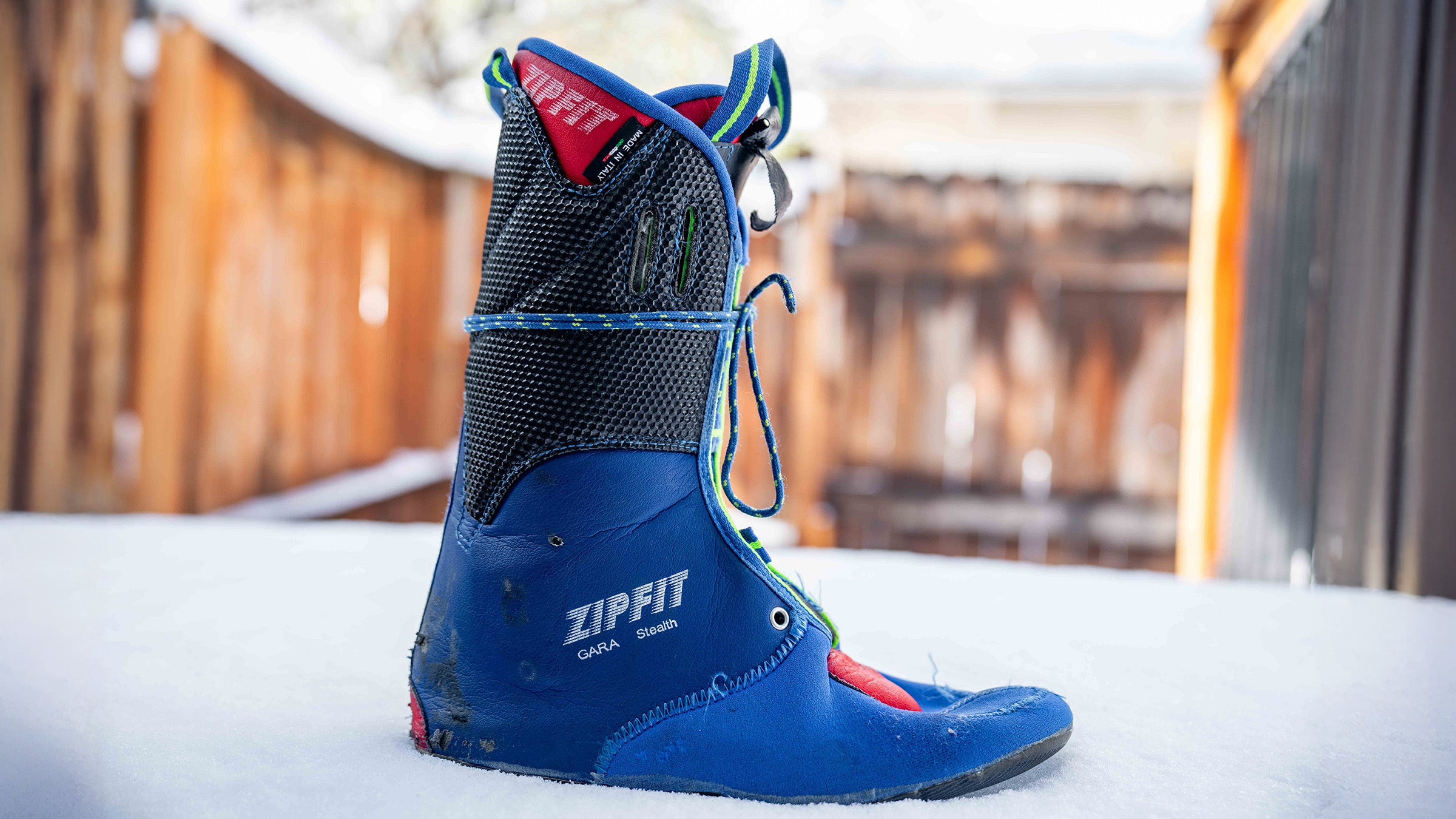
For the gear writer, after seven years of testing hundreds of pieces of equipment, no single item has had as profound an impact on their skiing experience as the Zipfit Gara LV liners. While not an immediate revelation—the hearty leather and dense cork required a break-in period, with most bootfitters recommending at least five days of skiing before any cork adjustments—the long-term benefits were transformative.
Once properly broken in and customized, the liners created a sensation of the foot being "fully mated" to the shell, a level of connection previously unexperienced. This superior interface translated directly into tangible performance improvements:
- Exceptional Heel Hold: One of the most common issues in ski boots, heel lift, was effectively eliminated. A secure heel is paramount for precise control, preventing energy loss and discomfort.
- Enhanced Power Transfer: With the foot locked firmly into the plastic shell, power could be delivered to the ski more quickly and consistently through every turn. This direct energy transmission results in a more responsive and powerful skiing experience, allowing for finer control and quicker edge engagement.
- Increased Comfort in Low-Volume Boots: Despite being paired with extremely low-volume boots like the Tecnica Mach1 LV 120s (and later 130s), the Zipfits provided surprising comfort. The unstructured toe box offered significantly more room in the forefoot compared to many stock liners. Because the heel remained securely anchored, this additional toe room was a welcome bonus for warmth and comfort, rather than a detriment to control.
- Improved Off-Piste Balance: The Zipfit Gara liners demonstrably improved balance, particularly over the outside edge, a critical factor for control in varied terrain. This enhanced stability allows skiers to maintain a strong, centered stance regardless of conditions.
- Versatile Lacing System: The integrated lacing system further contributes to a customized fit, allowing skiers to fine-tune the snugness around the foot, maintaining the desired position for optimal control. This precision is invaluable for driving skis effectively in steep terrain, absorbing bumps with fluidity, and seamlessly transitioning between different snow conditions.
- Adaptability Across Shells: A significant advantage of Zipfits is their ability to adapt across a wide range of boot volumes and designs. The writer successfully transferred their liners from ultra-low-volume race-inspired boots like the Tecnica Firebird 130R (a 96 mm "cheater plug boot") to roomier cabrio designs such as the 100 mm Armada AR ONE. This adaptability means skiers can sometimes size up slightly in shell volume for increased comfort or warmth without sacrificing the critical performance provided by the custom liner’s heel hold and overall fit. In the Armada, for instance, the extra toe room translated to greater warmth without compromising the direct connection to the ski.
Durability vs. Disposable: A Comparative Analysis
The debate between traditional foam liners and Zipfit’s cork-based system often centers on initial performance versus long-term durability and value. Foam-injected liners, when perfectly fitted in a suitable shell with a proper footbed, can indeed deliver exceptional peak performance. The expanding foam conforms precisely, creating an almost vacuum-sealed connection between the foot and the shell, which can translate to a highly precise and responsive feel on the snow. However, this peak performance is typically short-lived.
The fundamental limitation of foam is its propensity to pack out. Over time and repeated use, the foam compresses and loses its ability to rebound and maintain its original shape and support. While some high-quality foam liners might be rated for up to 150 days of use, many skiers report a significant decline in performance and fit after just 50 to 75 days. This "downslope" in performance often necessitates frequent and costly liner replacements to maintain optimal boot fit and skiing dynamics.
Zipfit liners, by contrast, offer a different value proposition. While their initial fit might require a break-in period, their performance curve is remarkably stable and extendable. Because the OMFit cork redistributes rather than compresses, the liner maintains its custom fit and supportive qualities over a much longer period. When the material does begin to spread thin or shift after extensive use, additional cork can be easily added by a qualified bootfitter. This ability to "recharge" the liner effectively brings its performance back to optimal levels, ensuring that the initial investment continues to pay dividends for hundreds of ski days. The writer’s experience—reaching nearly 500 ski days on their Gara LVs and only considering a second cork addition—underscores this unparalleled longevity.
The Art of Customization: Adjustments and Maintenance
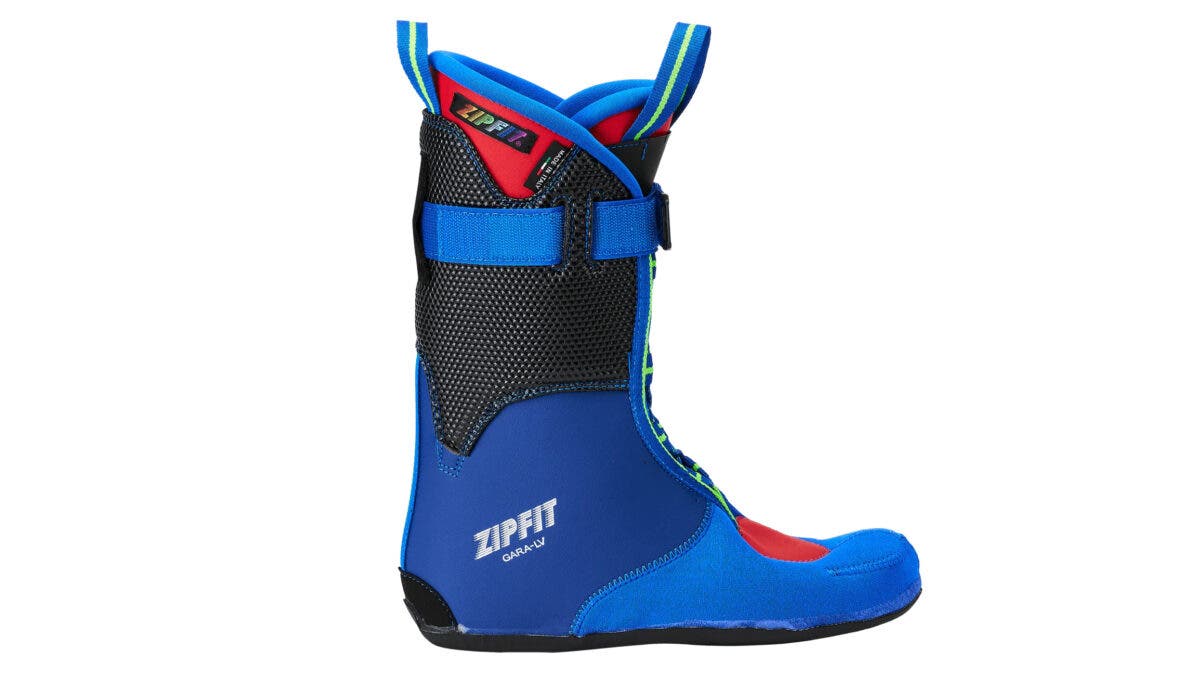
Maintaining and optimizing Zipfit liners involves a degree of user engagement and periodic adjustments, which contribute to their extended lifespan and tailored performance. The writer’s personal modifications highlight this iterative process. Initially, the power straps, though marketed as a selling point for creating an "inner boot" feel, were removed. The rationale was practical: they added too much bulk within the shell and created an undesirable space between the liner’s tongue and the cuff of the outer boot.
The lacing system, however, was retained but reconfigured. Following a suggestion from Jeff Colt, an associate at Zipfit, the writer adopted a modified lacing technique: skipping the bottom two eyelets to alleviate pressure on the instep, then wrapping the laces around the back of the liner before tying them high on the tongue. This "World Cup" lacing style, while enhancing fit, does necessitate a specific entry method: the liner must be laced onto the foot before stepping into the ski boot itself. This "World Cup" entry can be a minor sticking point for some skiers, particularly those with mobility limitations, as it adds a step to the boot-up process. However, as the writer notes, it quickly becomes routine. While initially eschewing a shoehorn for over 400 days (a fact evidenced by wear on the liner’s heel), adopting one significantly eased entry, even into a cold shell.
Cork adjustments are another critical aspect of Zipfit maintenance. The writer didn’t need to add cork until the third year of use, when the material in the tongue and ankle pockets began to thin. This process, typically performed by a bootfitter, involves injecting more OMFit cork into the internal bladders, restoring the snugness and support. Now, finishing an impressive sixth season with the Gara LVs, the writer is only just beginning to contemplate another cork addition, further illustrating the extended intervals between maintenance compared to the frequent replacements required by foam liners.
Economic and Environmental Imperatives: The Case for Longevity
In an era where "sustainability" often serves as a marketing buzzword for new products, the objective longevity of Zipfit liners presents a compelling case for genuine eco-conscious consumption within the outdoor industry. A ski boot liner that consistently performs for more than six seasons is not just an advantage for the individual skier; it represents a significant reduction in material consumption and waste.
From an economic perspective, while the initial investment in Zipfit liners (typically ranging from $400-$600) is considerably higher than a replacement stock foam liner (which might cost $150-$250), the long-term savings are substantial. If a high-performance foam liner provides 75 optimal ski days before needing replacement, a skier averaging 50 days a season would require a new liner annually. Over six seasons, this could amount to $900-$1500 or more in liner costs. A Zipfit liner, providing 500+ optimal days over the same period with perhaps one or two cork additions (at a cost of ~$50-$100 per addition), clearly demonstrates superior long-term value. This extended lifespan directly translates to fewer purchases of both liners and potentially even entire ski boots. The writer estimates having bought "one fewer pair of boots in the last few years just because I’ve been able to eke out each set of shells far beyond its usable life with the help of these liners," highlighting a quantifiable impact on equipment purchasing cycles.
Environmentally, this extended product life directly combats the pervasive issue of planned obsolescence in consumer goods. Fewer liners discarded means less material entering landfills, a particularly pertinent concern given the complex, non-biodegradable components of most ski equipment. The use of natural materials like cork and wool in Zipfits, combined with their repairability, further aligns with principles of circular economy and reduced ecological footprint, offering a tangible example of how high-performance gear can also be responsible gear.
Expert Perspectives and Broader Industry Impact
The professional bootfitting community generally holds Zipfit liners in high regard for their ability to solve persistent fit issues and provide lasting comfort and performance. Bootfitters often recommend them for skiers who experience chronic discomfort, heel lift, shin bang, or cold feet with traditional liners. The ability to fine-tune the fit by adding or removing cork is a powerful tool for achieving a truly custom interface that adapts to the skier’s unique foot mechanics and evolving needs.
However, bootfitters also acknowledge the challenges, such as the initial break-in period and the specific "World Cup" entry method, which requires patient guidance for new users. The higher price point is a common discussion point, but most professionals frame it as an investment in a durable, performance-enhancing solution rather than a mere replacement part. The sentiment among experienced skiers and bootfitters often echoes the writer’s roommate’s initial "look of wonder"—a sense of revelation once the liners are properly integrated and broken in.
The broader implications for the ski industry suggest a growing demand for customizable and sustainable gear. While Zipfit operates in a niche, premium segment, its success underscores a market appetite for products that offer exceptional longevity and performance, even at a higher upfront cost. As consumers become more environmentally conscious and seek greater value from their investments, the principles embodied by Zipfit—durability, repairability, and performance through intelligent design—may influence future innovations in ski boot technology. It challenges the conventional cycle of frequent gear replacement, advocating for a more considered and enduring relationship between skier and equipment.
Conclusion: The Unyielding Legacy of a Skiing Staple
Despite nearly 500 ski days, the writer’s Zipfit Gara LV liners, though showing visible signs of extensive use—failing stitching on a toebox, peeled heels from years of use without a shoehorn, and thinning tongue foam—continue to deliver exceptional fit and performance. This remarkable resilience speaks volumes about the intrinsic value and intelligent design of Zipfit products. The absence of any urge to replace them, even after such strenuous service, is the ultimate testament to their enduring quality and the profound difference they make in a skier’s experience. From its revolutionary founding by Sven Coomer to its continued relevance in modern skiing, Zipfit has solidified its position as more than just a ski boot liner; it is a foundational piece of equipment that redefines the parameters of performance, comfort, and sustainability in the sport. The suggestion of an estate lawyer to determine their future ownership, while humorous, perfectly encapsulates the near-legendary status these liners have achieved among dedicated skiers.

