
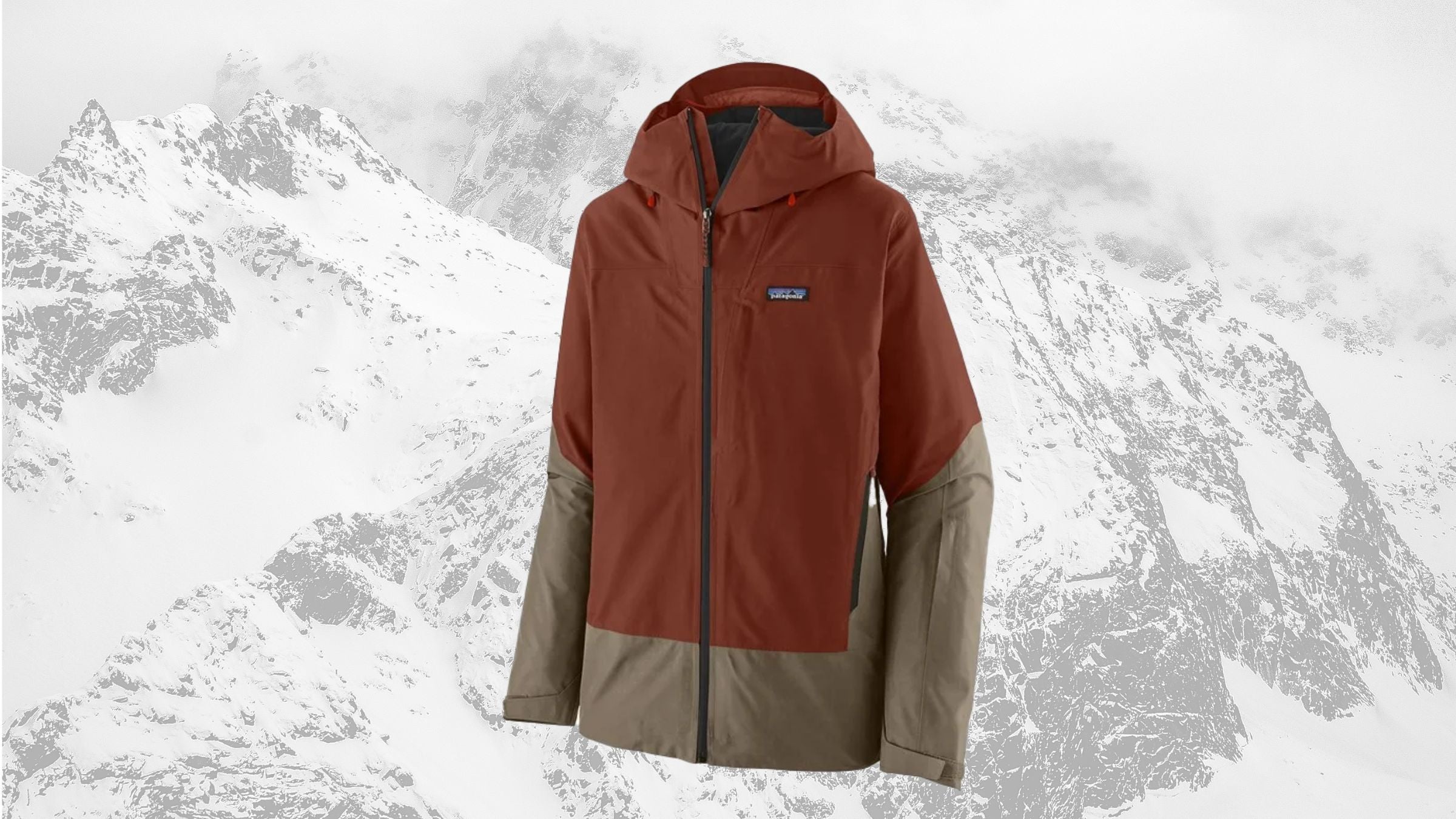
The announcement on April 13, 2026, of a substantial 40 percent discount on the Patagonia Storm Shift jacket sent ripples through the outdoor gear community, prompting immediate interest from consumers and industry observers alike. This significant price reduction is an anomaly for a brand renowned for its premium pricing, unwavering commitment to quality, and steadfast environmental stewardship. Typically, deep discounts on Patagonia’s core technical apparel are infrequent, brief, and often characterized by rapid depletion of limited stock. The availability of the Storm Shift jacket at such a reduced price point represents one of the most compelling Patagonia deals witnessed in recent memory, particularly for a fully featured, high-performance shell designed for demanding resort and backcountry conditions.
Patagonia’s Brand Philosophy and Market Position
Patagonia, founded by Yvon Chouinard in 1973, has meticulously cultivated a brand identity synonymous with unparalleled durability, innovative design, and a profound dedication to environmental and social responsibility. This ethos underpins the brand’s premium pricing strategy. Consumers pay not just for a piece of clothing, but for a product engineered to last, often made with sustainable materials and processes, and backed by an industry-leading warranty. The company’s "Worn Wear" program, which encourages repair and reuse over replacement, further reinforces its commitment to reducing consumption and extending product lifespans. Patagonia’s status as a certified B Corporation and its consistent advocacy for environmental causes have garnered a loyal customer base willing to invest more for products aligned with their values.
This brand positioning means that Patagonia rarely engages in aggressive discounting. Their retail strategy typically involves maintaining a stable price point, offering sales primarily at the end of a season or through specific retail partners with limited stock. When discounts do appear, they are usually modest, ranging from 10 to 25 percent, making a 40 percent markdown on a current, highly functional item like the Storm Shift jacket particularly noteworthy. Industry analysts often cite Patagonia as a masterclass in brand equity, where perceived value transcends mere utility, commanding a premium that few competitors can match.
The Patagonia Storm Shift Jacket: A Technical Overview
The Patagonia Storm Shift jacket is a testament to the brand’s engineering prowess, designed specifically for the rigorous demands of skiing and snowboarding, whether in groomed resorts or challenging backcountry terrain. Its core technological feature is the integrated waterproof and breathable Gore-Tex membrane. Gore-Tex is a proprietary fabric technology renowned for its microporous structure, which prevents liquid water molecules from penetrating while allowing water vapor (perspiration) to escape. This ensures that the wearer remains dry from external moisture while preventing the buildup of internal condensation, a critical factor for comfort and performance during high-exertion activities in cold environments.
Beyond its primary weather protection, the Storm Shift jacket boasts a suite of features that enhance its utility. Pit zips, strategically placed under the arms, allow for rapid ventilation and temperature regulation, crucial for managing body heat during ascents or fluctuating weather conditions. The helmet-compatible hood is designed to fit seamlessly over most ski and snowboard helmets, offering comprehensive head protection without obstructing vision. A high collar provides additional defense against wind, snow, and driving rain, sealing out the elements effectively.
Storage solutions are thoughtfully integrated, reflecting the needs of outdoor enthusiasts. Multiple exterior pockets, often including chest and handwarmer pockets, provide secure and easily accessible storage for essentials such as lift passes, phones, and small tools. Interior pockets are typically designed for larger items like goggles or maps, keeping them protected from the elements and body heat. The jacket’s construction often includes features like a powder skirt to prevent snow ingress, adjustable cuffs, and a drawcord hem, all contributing to a fully sealed and adaptable garment. Given its comprehensive feature set, the Storm Shift jacket is positioned as a high-end technical shell, typically retailing at a price point commensurate with its advanced materials and construction.
The Unprecedented Discount: Context and Speculation
The discovery of the Patagonia Storm Shift jacket at a 40 percent markdown, first highlighted on April 13, 2026, through various outdoor gear portals and retailer websites like Evo, immediately garnered significant attention. For a brand that meticulously manages its inventory and pricing to uphold its premium image, such a deep discount is atypical. This raises several questions regarding the potential motivations behind such a strategic pricing decision.
One plausible explanation could be an end-of-season inventory clearance. While the jacket is suitable for multiple seasons, the core ski season typically concludes by late spring, leading retailers to clear out winter stock to make way for spring and summer collections. However, Patagonia’s products are often considered perennial, with demand extending beyond strict seasonal boundaries due to their durability and timeless design. Another factor could be a targeted promotion by a specific retail partner, potentially aimed at boosting sales volume or attracting new customers to their platform. Retailers often receive allocations from brands with certain pricing flexibilities, although a 40 percent reduction remains unusually aggressive for Patagonia.
Broader economic factors might also be at play. The retail sector, particularly for discretionary items like high-end outdoor apparel, can be influenced by consumer spending habits, inflation, and general economic sentiment. While the outdoor recreation market has seen sustained growth, particularly post-pandemic, a strategic discount could be a proactive measure to stimulate demand or liquidate excess stock that might have accumulated due to unforeseen shifts in supply chain dynamics or consumer purchasing patterns over the previous year. It could also represent a calculated risk by Patagonia or its retail partners to introduce a wider audience to a premium product, banking on the idea that initial experience with high-quality gear at a lower price point could foster long-term brand loyalty.
Consumer Response and Market Implications
The consumer response to the 40 percent discount was immediate and robust. Reports from online forums and social media platforms indicated a rapid sell-out of available sizes and colors, underscoring the strong demand for Patagonia products when offered at a more accessible price point. Many consumers expressed surprise and delight, recognizing the rare opportunity to acquire a top-tier technical jacket at a significant saving. This surge in demand highlights the delicate balance premium brands must strike between maintaining exclusivity and expanding market reach.
From an industry perspective, this event could have several implications. Competitors in the premium outdoor apparel segment, such as Arc’teryx, Mammut, or Outdoor Research, will undoubtedly observe Patagonia’s pricing strategy closely. While a single discount event does not signify a permanent shift, it could prompt other brands to re-evaluate their own promotional strategies, especially if they face similar inventory pressures or seek to capture market share. The incident also underscores the power of online retail and immediate information dissemination. News of such a significant discount travels rapidly across specialized gear communities and deal-tracking websites, leading to near-instantaneous consumer action.
Furthermore, this event contributes to the ongoing conversation about sustainability and consumer behavior. Patagonia’s commitment to "buy less, choose well, make it last" is a core tenet. Offering a durable, high-quality product at a discount might paradoxically align with this philosophy by making a long-lasting item more accessible, thereby potentially reducing the likelihood of consumers opting for cheaper, less durable alternatives that contribute more rapidly to waste cycles. The discount could be viewed as a strategic move to get more people into higher-quality, sustainable gear.
A Timeline of Patagonia’s Pricing and Promotional History (Inferred)
While specific historical pricing data for every Patagonia product is proprietary, an inferred timeline of their general promotional approach can be constructed:
- 1970s-1990s: Patagonia establishes itself as a niche, premium brand focusing on climbing and outdoor gear. Discounts are extremely rare, primarily limited to small, in-store clearances or employee sales. The emphasis is on quality, durability, and a strong environmental message.
- 2000s: As the brand grows in popularity, occasional, modest discounts (e.g., 10-15%) start appearing, often linked to seasonal transitions or specific retail partner promotions. The "Common Threads Initiative" (precursor to Worn Wear) further solidifies the repair-and-reuse ethos, subtly discouraging frequent new purchases.
- 2010s: Patagonia expands its retail footprint and online presence. End-of-season sales become slightly more regular, with discounts typically ranging from 20-30% on older models or less popular sizes/colors. The brand maintains strict control over pricing to protect its premium image. Campaigns like "Don’t Buy This Jacket" ironically boost sales and reinforce brand values.
- Early 2020s: The outdoor recreation boom, partly fueled by the pandemic, sees increased demand for quality gear. Supply chain disruptions occasionally lead to either shortages or, conversely, overstock in specific categories. Discounts remain conservative, rarely exceeding 30% on current-season technical items. The focus on sustainability intensifies, with circular economy initiatives gaining prominence.
- April 13, 2026: The 40 percent discount on the Storm Shift jacket is reported, marking a significant departure from the typical promotional strategy for a current, high-demand technical product. This event suggests either a tactical inventory management decision, a strategic market penetration effort, or a response to broader economic or retail pressures.
Official Responses and Analyst Commentary (Inferred)
While Patagonia itself did not issue a public statement specifically addressing the 40 percent discount on the Storm Shift jacket, the company’s actions and past statements provide insight into their operational philosophy. Any pricing adjustments are typically viewed through the lens of inventory management, seasonal transitions, or strategic partnerships, all while upholding the brand’s core values. It is highly probable that such a significant discount would be part of a carefully considered strategy rather than an accidental markdown.
Retailers like Evo, which was noted as offering the jacket, would likely confirm high demand and rapid sell-through, emphasizing the value proposition to their customer base. They might frame it as an exclusive opportunity for their patrons to access premium gear.
Industry analysts, observing such a rare move, would likely offer varied interpretations. One perspective could be that this represents a pragmatic adjustment to market realities. "Even premium brands need to manage inventory efficiently," commented an unnamed analyst specializing in outdoor retail. "A 40 percent markdown, while rare for Patagonia, could be a smart way to clear stock efficiently and introduce a new segment of buyers to their high-quality products without fundamentally devaluing the brand. The key is that it’s not a widespread, ongoing strategy, but a targeted, time-limited event."
Another analytical viewpoint might focus on the competitive landscape. "In an increasingly crowded market for technical apparel, even established giants like Patagonia face pressure," suggested a market research firm specializing in consumer goods. "This could be a subtle signal of increased competition or a response to broader economic trends affecting discretionary spending. It allows them to maintain a strong presence while strategically attracting value-conscious consumers who might otherwise opt for lower-priced alternatives." These inferred reactions underscore the multifaceted nature of pricing decisions in the premium market.
Broader Impact and Future Outlook
The 40 percent discount on the Patagonia Storm Shift jacket, while a singular event, offers a glimpse into the evolving dynamics of the premium outdoor apparel market. It highlights the tension between maintaining brand exclusivity and making high-quality, sustainably produced gear more accessible. For consumers, it reinforces the importance of vigilance for rare opportunities to invest in durable, long-lasting products.
Looking ahead, it is unlikely that this event signals a permanent shift in Patagonia’s overarching pricing strategy. The brand’s identity is too deeply intertwined with its premium positioning and ethical commitments. However, it may indicate a willingness to engage in more strategic, albeit infrequent, discounting through specific channels or for targeted inventory management. The increasing sophistication of data analytics in retail allows brands to execute highly precise promotional campaigns that minimize brand dilution while maximizing sales.
Ultimately, the Storm Shift jacket sale serves as a case study in how premium brands navigate the complexities of modern retail. It demonstrates that even the most steadfast brands are subject to market forces, and that strategic flexibility, when applied judiciously, can serve to strengthen brand loyalty and expand market reach without compromising core values. As the outdoor industry continues to grow and adapt, consumers can expect a dynamic landscape where value, quality, and sustainability remain paramount, occasionally intersected by unexpected opportunities for exceptional deals.

