
This winter marked a significant advancement in avalanche mitigation strategies within Jasper National Park, Alberta, as Aerial Vehicle Safety Solutions (AVSS) deployed its innovative SnowDart system. This cutting-edge drone technology has been instrumental in conducting controlled avalanche detonations, offering a modern alternative to traditional, more labor-intensive methods. The successful trials in this notoriously avalanche-prone region underscore a broader governmental initiative to explore and integrate advanced technologies into public safety operations, particularly in challenging mountainous terrains.
The SnowDart system, developed by AVSS, operates by remotely piloting a drone to carry an explosive payload up a designated mountain slope. Once positioned, the explosive is released and remotely detonated, triggering a controlled avalanche. This precision approach aims to release unstable snowpack before it accumulates into a dangerously large and unpredictable slide, thereby mitigating risks to infrastructure and human life.
A Legacy of Avalanche Control and the Drive for Innovation
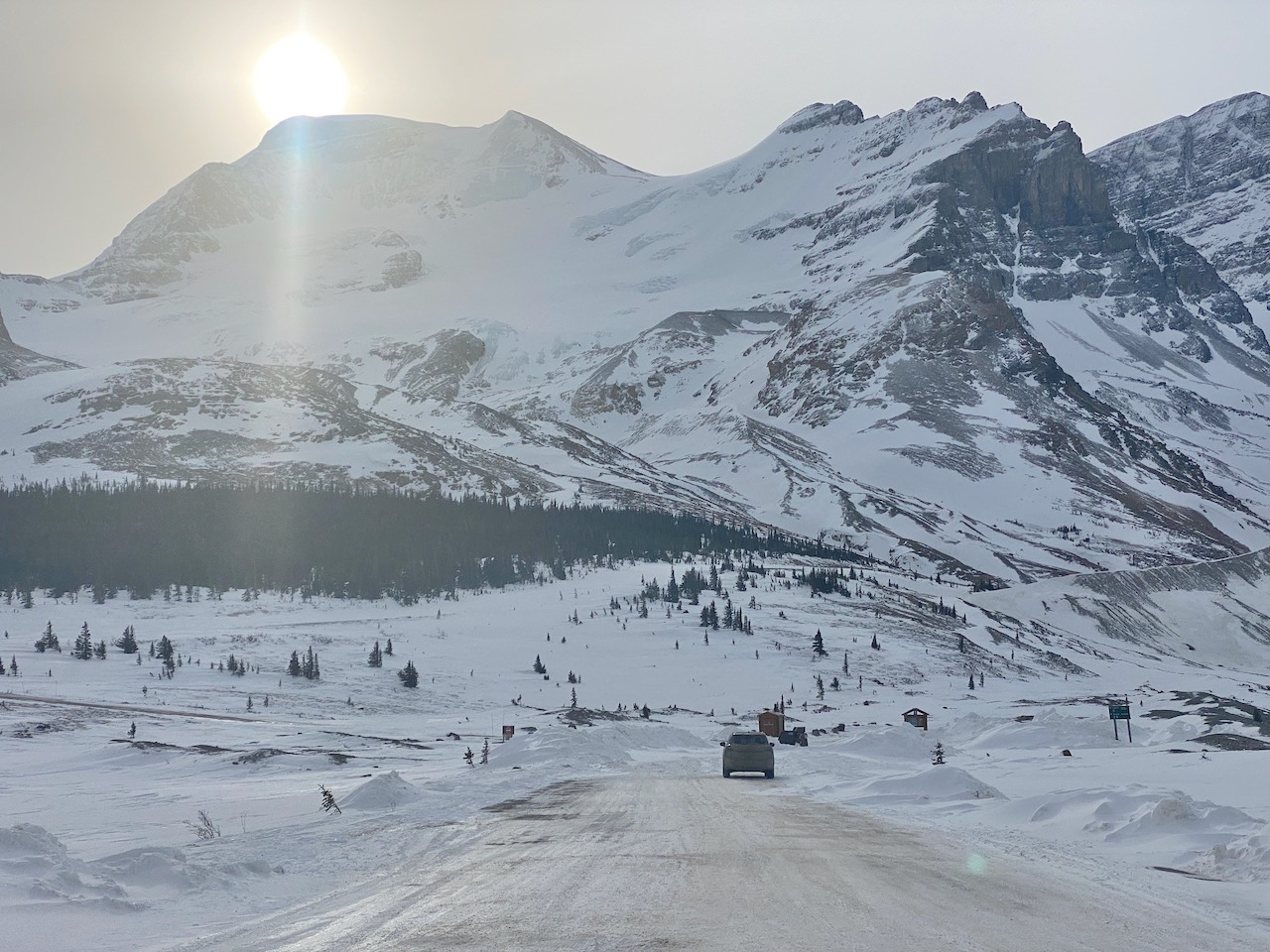
For decades, Canada has relied on a robust, albeit sometimes hazardous, suite of tools for avalanche control. The Royal Canadian Horse Artillery of the Canadian Armed Forces has historically played a critical role, utilizing 105 mm howitzer guns to fire shells onto vulnerable slopes. The resulting shockwave is designed to destabilize the snowpack and initiate a controlled avalanche. While effective, this method requires significant logistical support, personnel, and carries inherent risks associated with artillery deployment in remote, high-altitude environments.
Parks Canada itself has also employed helicopters for strategically dropping explosives. This method offers greater flexibility in targeting specific avalanche paths but is also subject to weather conditions and helicopter availability, which can be costly and time-consuming. In some locations, more permanent solutions involve the construction of remote trigger stations built directly into the slopes, allowing for detonations from a safe distance.
The Canadian government’s endorsement of AVSS’s drone-based approach signifies a proactive stance towards modernizing these essential safety protocols. The authorization for AVSS to explore and test drone technology for avalanche control reflects a recognition of the limitations and evolving needs in managing natural hazards. This governmental permission, granted after initial reports and evaluations, paved the way for this winter’s operational deployment.
The SnowDart Advantage: Precision, Accessibility, and Cost-Effectiveness
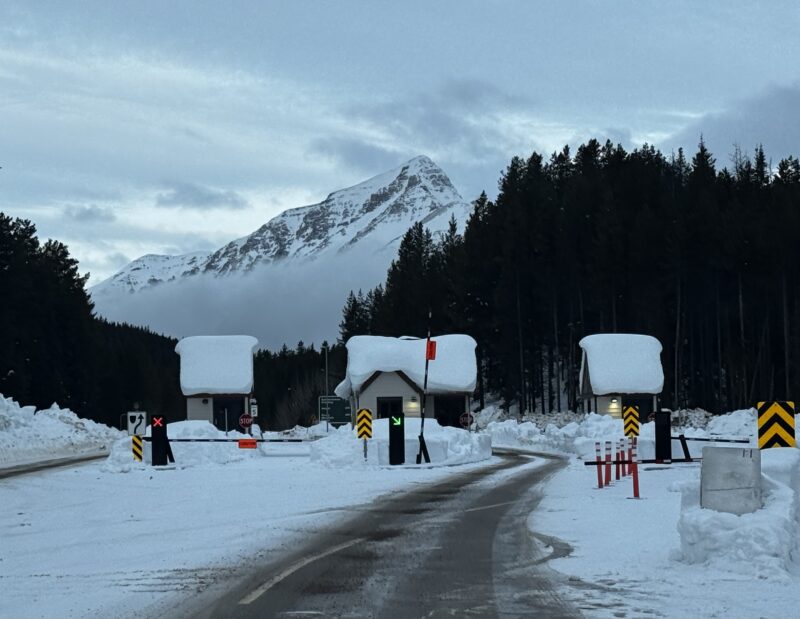
The advantages of the SnowDart system are multifaceted. Drones offer unparalleled access to areas that are either inaccessible or extremely difficult to reach with conventional artillery or even helicopters. Steep, remote, or unstable terrain that poses a significant risk to ground crews or helicopter operations can be safely accessed by drones. This is particularly crucial for managing avalanche risk along critical transportation corridors like the Icefields Parkway.
Furthermore, the operational cost of using drones for avalanche control can be significantly lower than employing helicopters. The reduced personnel requirements, fuel consumption, and maintenance associated with drone operations present a compelling economic argument for their wider adoption.
Josh Ogden, co-founder of AVSS, articulated the system’s value succinctly: "This just gives us another tool in the toolbox." This statement encapsulates the philosophy behind integrating drone technology – not as a replacement for existing methods, but as a complementary asset that enhances the overall effectiveness and efficiency of avalanche management.
The Icefields Parkway: A Case Study in Avalanche Vulnerability
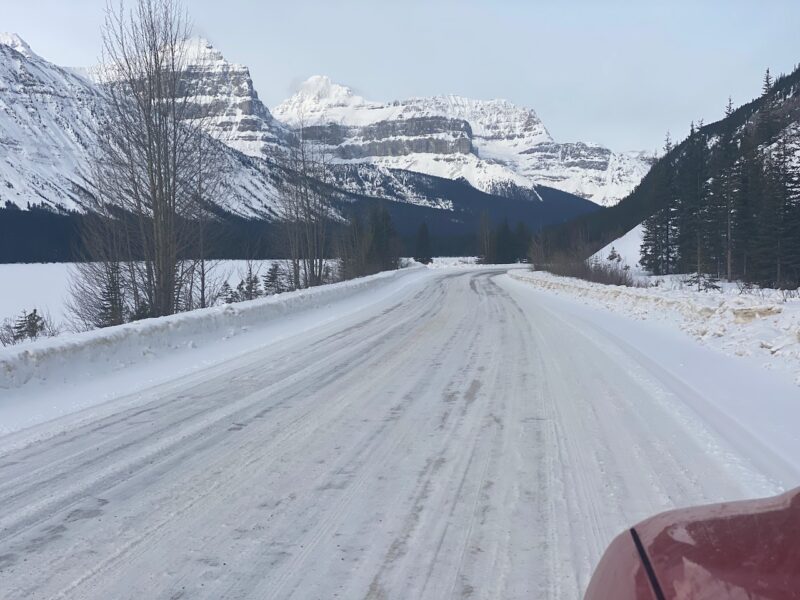
The Icefields Parkway (Highway 93 North) stands as a prime example of a vital transportation artery constantly threatened by avalanche activity during the winter months. This scenic route, connecting Jasper and Lake Louise, is a critical link for tourism, commerce, and local access in the heart of the Canadian Rockies. The sheer scale of the surrounding mountains and the prevalent winter weather patterns create a high-risk environment for avalanches.
This past winter, Parks Canada reported that the Icefields Parkway experienced an unprecedented closure period. Extreme weather conditions necessitated the triggering of several large avalanches to maintain safety, leading to snow accumulation on the roadway. The highway was closed for a total of 22 days, a duration described by Parks Canada officials to CBC News as the longest closure in "recent memory." This record-breaking closure highlights the persistent and growing challenges of managing avalanche risk in the face of increasingly variable winter conditions, exacerbated by above-average snowfall in the region.
Official Perspectives and Future Outlook
The trials of the SnowDart system have garnered attention from various stakeholders, including safety specialists and local businesses. Deryl Kelly, a safety specialist with Parks Canada, acknowledged the potential of drones in managing avalanche risk. In a statement, Kelly noted that while drones may support future avalanche management efforts, they are unlikely to become the sole method of control. He emphasized that drone operations are inherently dependent on favorable weather conditions, limiting their application in certain scenarios. Testing and refinement of the technology are slated to continue through the next winter season.

The prospect of drone-based avalanche control has also been met with optimism by the ski industry. Brian Rode, vice-president of the Marmot Basin ski resort in Jasper National Park, expressed enthusiasm for the technology’s potential. He indicated that the resort will closely monitor the ongoing development and market readiness of drone systems for avalanche control, suggesting a keen interest in adopting such innovations to enhance safety for their patrons.
Broader Implications and the Path Forward
The successful deployment of AVSS’s SnowDart system in Jasper National Park represents a significant stride in the application of advanced technology for public safety in Canada. The ability to precisely target and detonate explosives via drones offers a safer, more accessible, and potentially more cost-effective approach to avalanche control.
The implications extend beyond Jasper National Park. Regions worldwide grappling with similar avalanche threats – from the Alps to the Himalayas – could potentially benefit from this technology. The Canadian government’s proactive approach in facilitating such trials sets a precedent for embracing innovation in disaster management.

As testing continues and the technology matures, the SnowDart system, and similar drone-based solutions, are poised to become an increasingly integral part of the avalanche control toolkit. While acknowledging the need for a multi-faceted approach that still incorporates traditional methods, the drone revolution in avalanche management appears to be gaining momentum, promising enhanced safety and resilience in Canada’s iconic mountain landscapes. The ongoing collaboration between private technology firms, government agencies, and local stakeholders will be crucial in fully realizing the potential of these groundbreaking advancements. The insights gained from this winter’s operations will undoubtedly inform future strategies and investments in mitigating the persistent threat of avalanches.

