
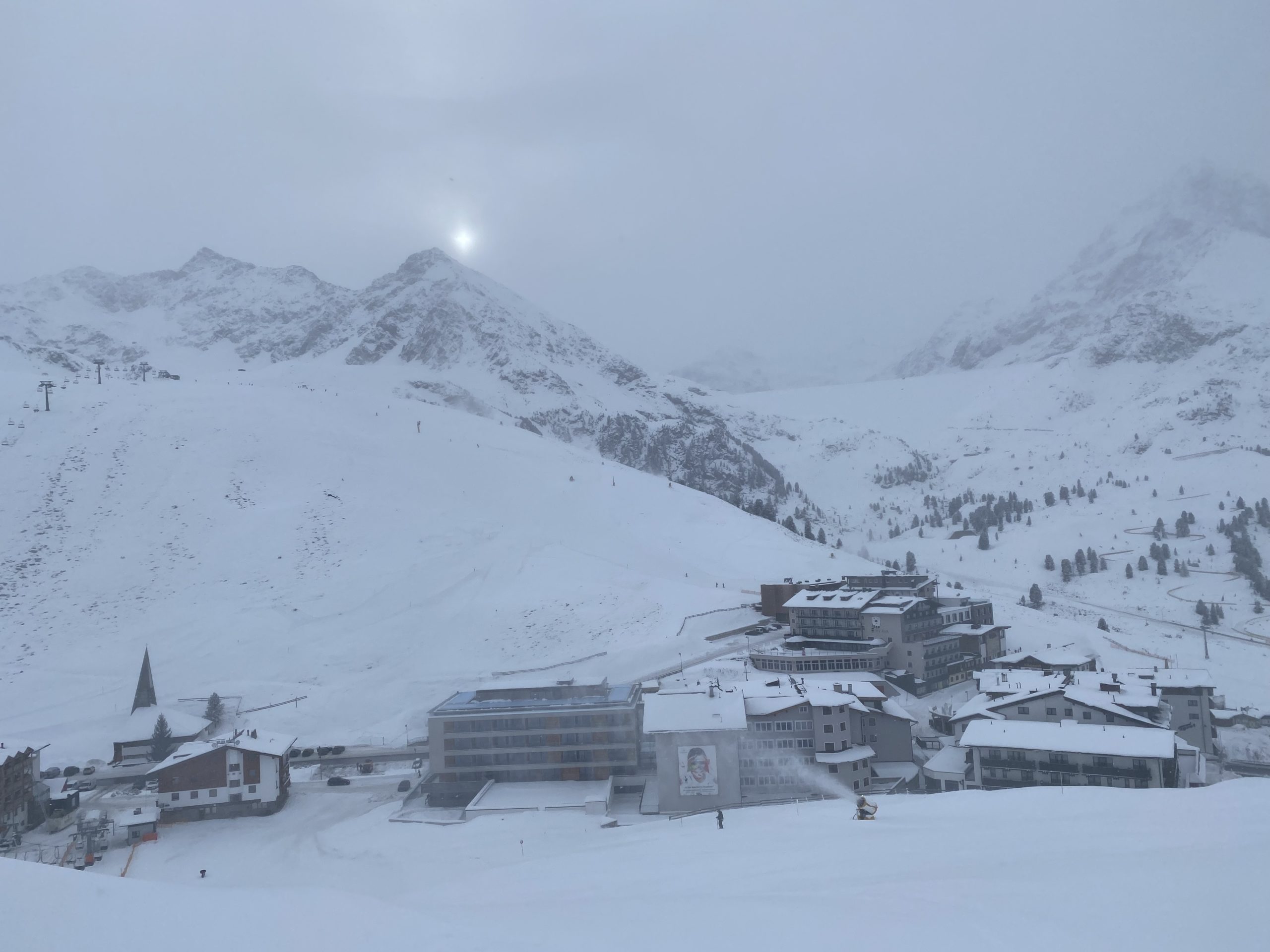
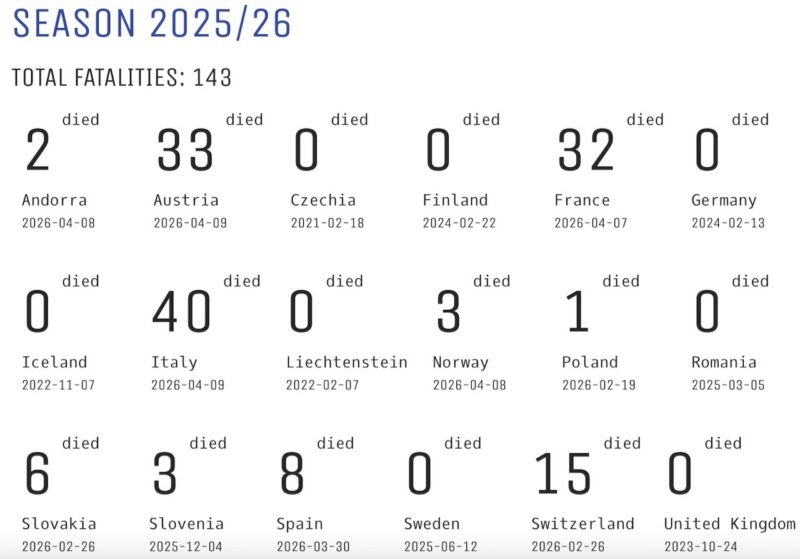
The approaching end of the 2025/2026 ski season has been tragically marked by a significant increase in avalanche fatalities across Europe, with a 49-year-old German snowboarder becoming the latest casualty. The incident occurred in Kühtai, near Innsbruck, Austria, bringing the grim total for the winter to 143 deaths, a stark doubling compared to the 70 recorded last season. This figure already surpasses the annual average of approximately 100 deaths and is nearing the recent high of 147 fatalities recorded in the 2017/18 season, with several weeks of potential snowfall still remaining.
The fatal incident involved the German man, a resident of Berlin, who was snowboarding with two companions when a powerful avalanche struck. Reports indicate that two of the three men were caught in the slide. One individual was only partially buried, with his head remaining above the snow, while the other was completely submerged. Tragically, neither of the individuals caught in the avalanche were equipped with essential avalanche safety gear. Rescuers located the deceased snowboarder’s body two and a half hours after the incident, highlighting the perilous conditions and the immediate challenges faced in avalanche rescue operations.
Escalating Avalanche Risk Across the Alps
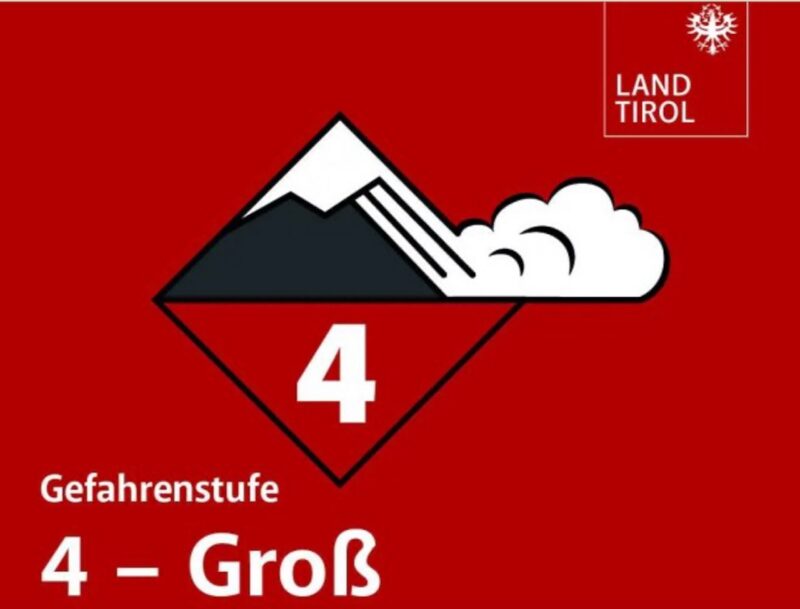
The heightened death toll is directly linked to a prolonged period of unstable snowpack conditions and an increased avalanche risk across various Alpine regions. On Monday, April 13th, 2026, the Tyrol region in Austria experienced a significant increase in avalanche danger, with the risk level elevated to Level 4 (High) above 2,500 meters following new snowfall and rain at lower elevations. This elevated risk prompted urgent warnings from the province’s avalanche warning service, urging extreme caution for ski tourers and anyone venturing off-piste.
The primary drivers for this dangerous snowpack instability, as explained by avalanche experts, are the increasingly waterlogged conditions and incoming precipitation. This moisture penetrates the snowpack, weakening previously formed coarse-grained weak layers that developed earlier in the winter. This weakening significantly increases the likelihood of wet snow avalanches, which are often heavier and more destructive.
Matthias Walcher from the avalanche warning service elaborated on the specific dangers, noting that spontaneous avalanches are particularly probable on steep west-, north-, and east-facing slopes situated between 2,200 and 2,500 meters. The province’s safety councillor, Astrid Mair, echoed these concerns, describing the avalanche situation as "dangerous" and strongly advising against traversing terrain steeper than 30 degrees.
Switzerland Also Faces Elevated Risks
Neighboring Switzerland is also experiencing elevated avalanche risks, with large areas of the Swiss Alps currently under a Level 3 (Considerable) warning. The Swiss and Austrian authorities have jointly issued strong advisories for off-piste skiers and snowboarders, imploring them to exercise restraint, avoid steep slopes, and remain acutely aware that avalanche paths can extend into unexpectedly broad areas.
Factors Contributing to the Deadly Season
The alarming increase in avalanche fatalities this winter can be attributed to a confluence of factors. Early winter snowfall was followed by periods of warmer temperatures and rain, creating weak layers within the snowpack. Subsequent cold snaps and further snowfall then buried these unstable layers, creating a dangerous trap. This layered and often fragile snowpack is particularly susceptible to triggering, especially when subjected to the weight of skiers or snowboarders, or due to natural triggers like wind loading.
The trend of increased off-piste activity, driven by factors such as the desire for fresh snow, the pursuit of less crowded slopes, and the availability of advanced safety equipment that can foster a false sense of security, also plays a role. However, the recent incidents, particularly the one in Kühtai, underscore the critical absence of basic avalanche safety equipment, a fundamental requirement for anyone venturing into backcountry terrain. This includes avalanche transceivers, probes, and shovels, along with the knowledge and training to use them effectively.
Historical Context and Averages
The current season’s fatality count is significantly higher than the average for recent years. The annual average of around 100 deaths has been consistently met and is likely to be exceeded. The previous peak in the 2017/18 season saw 147 fatalities, a number that now appears to be within reach for the current season. This trend highlights a potential shift in avalanche activity patterns or an increased exposure of recreational users to dangerous conditions.
Official Warnings and Expert Analysis
The European Avalanche Warning Services (EAWS) and national meteorological agencies have been consistently issuing warnings throughout the winter. These services provide crucial, up-to-date information on snow conditions, avalanche risk levels, and hazard zones. The data presented by these agencies, including detailed maps of risk levels in regions like the Tyrol and the Swiss Alps, serve as vital tools for backcountry enthusiasts.
Experts emphasize that avalanche danger is not static and can change rapidly due to weather fluctuations, temperature shifts, and new snowfall. The current situation, characterized by a destabilized snowpack and ongoing precipitation, demands an exceptionally high level of vigilance and adherence to safety protocols.
Implication and Future Outlook
The surge in avalanche deaths has significant implications beyond the immediate personal tragedies. It raises questions about avalanche safety education, the enforcement of off-piste regulations, and the responsibility of both individuals and resort operators. The financial and emotional toll on rescue services and the families of victims is substantial.
While cooler temperatures are forecast for the coming nights, potentially aiding in the refreezing and stabilization of the snowpack, the risk remains elevated. The coming weeks will be critical in determining the final fatality count for the season. The ongoing warnings from official bodies serve as a stark reminder that even as the ski season winds down, the mountains continue to present formidable natural hazards.
The incident in Kühtai serves as a tragic and potent reminder of the inherent dangers of the alpine environment and the absolute necessity of proper preparation and equipment when venturing off-piste. The doubling of fatalities compared to the previous season underscores the critical need for increased awareness, robust safety education, and a profound respect for the power of nature.
PlanetSKI.eu is a leading digital platform for ski news, resort information, travel, equipment rental, sport, money-saving deals, and all aspects of snowsports, available via its website, social media, and more.

