
Spring weather continues to define the skiing landscape across the Alps as the season enters its final weeks. While many lower-lying resorts are concluding their operations, higher-altitude destinations are still offering enjoyable conditions for dedicated snow sports enthusiasts. This report, updated on April 20th, 2026, provides a comprehensive overview of the current situation, drawing on expert meteorological forecasts and on-the-ground reports from key European ski regions.
Current Weather Patterns and Forecast for the Alps
As of Thursday, April 16th, 2026, much of the Alps has experienced a period of settled weather, conducive to late-season skiing. However, a shift in atmospheric conditions is anticipated. Fraser Wilkin from weathertoski.co.uk forecasts a change later in the weekend, with a move towards more unsettled weather patterns. "Over the next few days, the weather in the Alps will remain mostly fine, but will turn a bit more unsettled later in the weekend with a few showers in places (snow around 2300m), though this will not amount to any significant accumulations," Wilkin stated. This suggests that while accumulations will be minimal, higher elevations may see a dusting of fresh snow, potentially offering a brief revitalisation of conditions.
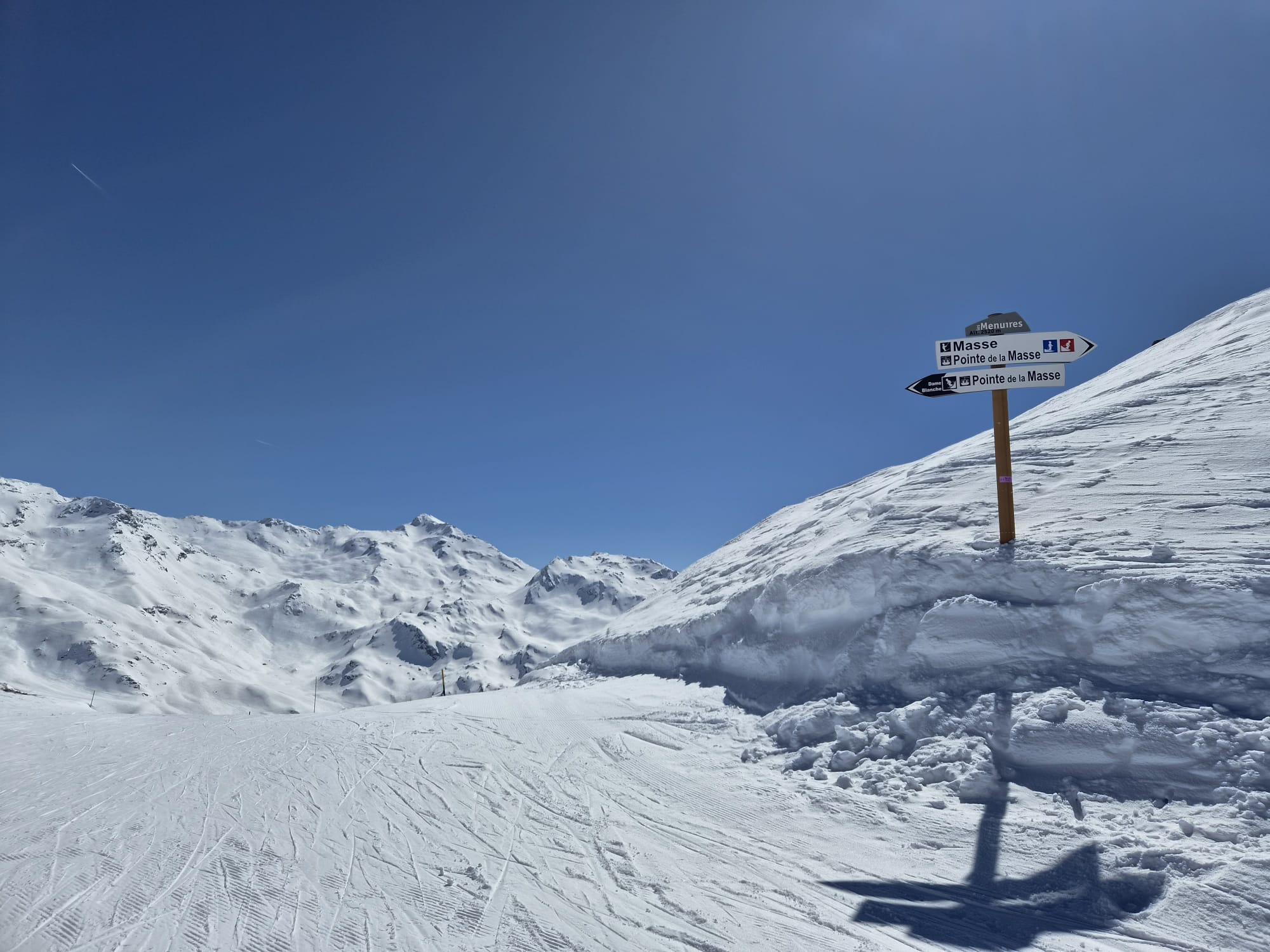
The prevailing snow conditions are characteristic of spring. Mornings typically begin with firm, consolidated snow, particularly on slopes that have experienced clear overnight skies. As the day progresses and temperatures rise, a softening-up process occurs. This softening is most pronounced first on east and south-east facing slopes, followed by south, then west, and finally north-facing aspects. To maximize the chances of experiencing more wintry snow conditions throughout the day, skiers and snowboarders are advised to target north-facing slopes situated above approximately 2500 to 2700 meters. For those seeking the best of the spring snow, the age-old adage of "following the sun" remains pertinent, allowing skiers to track the firmer snow as it melts and re-freezes on different aspects throughout the day.
On-the-Ground Reports from Key Resorts
Tignes/Val d’Isère: A Season Extended
In the French Alps, the popular dual-resort area of Tignes/Val d’Isère is still buzzing with activity. Steve Angus, providing his latest video snow report, indicates that despite it potentially being his final report of the season, skiing and snowboarding will continue in the area for at least another couple of weeks. This highlights the enduring snow reliability of higher-altitude French resorts, which often boast glacier skiing or extensive high-alpine terrain that supports operations well into late spring. The inclusion of his video report underscores the visual appeal and practical information sought by skiers planning late-season trips.
Cervinia and Zermatt: High-Altitude Excellence
Resorts situated at significant altitudes, such as Cervinia in Italy and Zermatt in Switzerland, have been among the beneficiaries of recent snowfall. These iconic destinations, known for their extensive glacier skiing and challenging terrain, have managed to maintain excellent snow conditions for the time of year. Reports indicate that these resorts, which are among the last to close in the Alps, are expected to offer skiing and snowboarding opportunities until the first weekend of May. This longevity is a testament to their geographical advantage and investment in snow management and high-altitude infrastructure.
French High-Altitude Resorts: Continued Spring Skiing
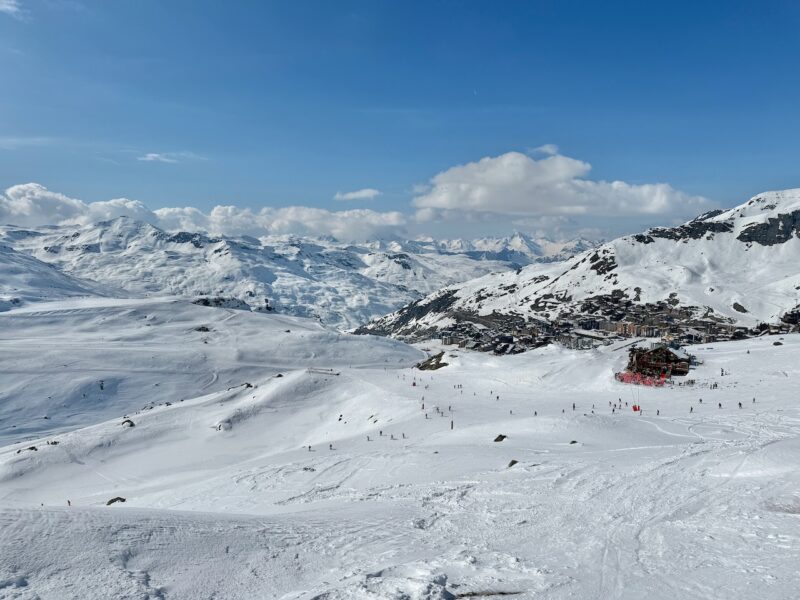
Beyond Tignes, other French high-altitude resorts are also providing good spring skiing experiences. Val Thorens, renowned for being Europe’s highest ski resort, continues to offer viable skiing and snowboarding. Similar to Cervinia and Zermatt, Val Thorens is scheduled to remain open until the first weekend of May, providing ample opportunity for late-season visitors. These resorts, often forming part of larger interconnected ski areas like Les Trois Vallées, leverage their elevation to maintain snow cover long after lower resorts have ceased operations.
Shifting Closing Dates: A Look at Resort Departures
As the season progresses, a significant number of resorts are reaching their scheduled closing dates. This weekend, April 18th-19th, marks the end of the operational period for several more European ski areas. Among these is Les Menuires, a well-known resort within the expansive Les Trois Vallées ski domain. The closure of such resorts signifies the transition from winter to spring across broader European ski regions, impacting travel plans and the availability of snow sports.
A comprehensive update on the closing dates for resorts across Europe has been published by PlanetSKI. This resource is invaluable for skiers looking to plan their final trips or assess the viability of different destinations for late-season skiing. The article, available on the PlanetSKI website, provides a detailed timeline, enabling enthusiasts to make informed decisions about where and when to ski in these final weeks. The ability of resorts to extend their seasons is often dictated by factors such as altitude, aspect, snowmaking capabilities, and glacier access, all of which contribute to their operational lifespan.
Impact of Recent Weather on Lower Slopes
The recent period of mixed weather, which included significant rainfall at lower altitudes in the Alps, has had a noticeable impact on snow conditions in these areas. While higher elevations have benefited from snow, the lower slopes have experienced degradation due to the rain. This has led to increased avalanche risks in certain locations, as reported previously. The stabilization of the weather pattern, with a return to drier conditions and only occasional light rain and snow flurries, is expected to improve the situation. However, the damage to lower slopes is likely to persist, reinforcing the importance of adhering to current snow reports and safety advisories.
Scottish Skiing: A Different Spring Narrative
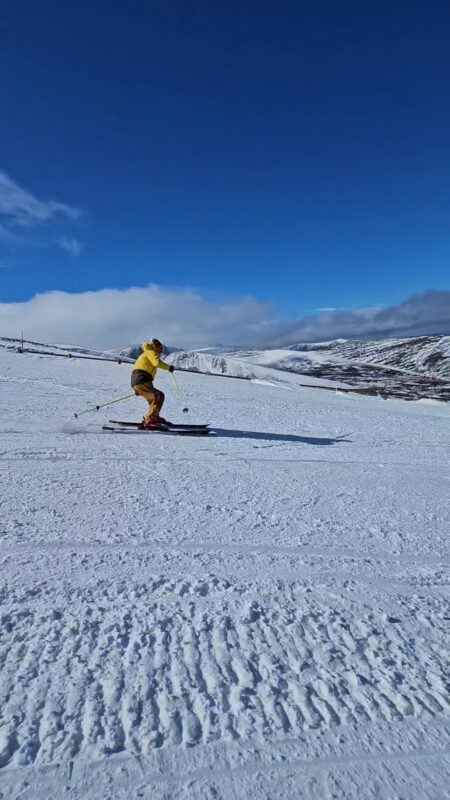
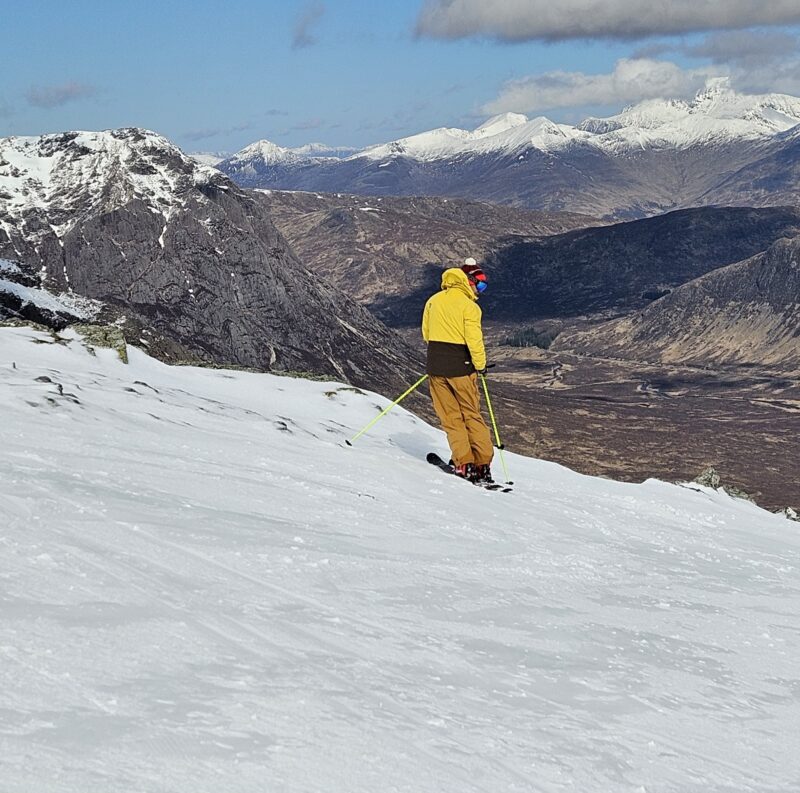
While the Alps dominate discussions of European ski seasons, it’s important to acknowledge the continued skiing opportunities in Scotland. PlanetSKI’s dedicated Scottish reporting team, Dianne and Rod Frazer, have provided recent updates from Cairngorm and Glencoe. These reports, accompanied by visual evidence, demonstrate that despite the challenges of the Scottish climate, a viable skiing experience is still available. This highlights the resilience of these locations and the dedication of their operational teams, offering a distinct alternative for snow sports enthusiasts closer to home for UK-based skiers. The conditions in Scotland, while subject to different weather patterns, also reflect the late-spring reality of variable snow cover and the importance of seeking out the best available conditions.
Analysis and Implications for Late-Season Skiers
The current spring skiing season in the Alps presents a nuanced picture. The disparity between high-altitude and low-altitude snow conditions is significant, a common characteristic of this transitional period. For skiers planning late-season trips, careful research and flexibility are paramount. Understanding the typical snow melt patterns, the benefits of north-facing slopes, and the operational status of individual resorts is crucial for a successful experience.

The extended season in resorts like Tignes, Val d’Isère, Cervinia, Zermatt, and Val Thorens underscores their status as prime destinations for late-season skiing. These resorts often offer a combination of challenging terrain, reliable snow cover due to altitude, and a commitment to extending their operational periods. The availability of glacier skiing in some of these locations further enhances their appeal, providing consistent snow conditions even as lower slopes become unusable.
The ongoing updates from PlanetSKI, including the comprehensive list of closing dates and the video snow reports, serve as vital resources for the skiing community. They enable skiers to make informed decisions, ensuring they can still enjoy the slopes before the summer months arrive. The continued presence of snow in Scotland also adds another dimension to late-season snow sports, offering a different, yet equally valid, experience for enthusiasts. As the season winds down, the focus shifts from extensive piste skiing to the more strategic pursuit of the best available snow, often found at higher elevations or on specific aspects, embodying the unique charm of spring skiing.
The prolonged period of spring weather, characterized by settled conditions followed by a forecast for increased unsettled weather, presents a dynamic environment. While the immediate forecast suggests minimal snow accumulation from upcoming showers, the return of more wintry conditions at higher altitudes could offer a brief but welcome respite for skiers. This cyclical nature of spring weather in the mountains is something that experienced skiers have learned to navigate, embracing the challenges and rewards that come with the changing seasons. The information provided by meteorological experts and on-the-ground reporters is invaluable in this regard, offering clarity and guidance to those wishing to make the most of the remaining ski days. The commitment of resorts to provide late-season skiing opportunities, coupled with the dedication of news outlets like PlanetSKI to disseminate timely and accurate information, ensures that the passion for snow sports can extend well into the spring months.

