
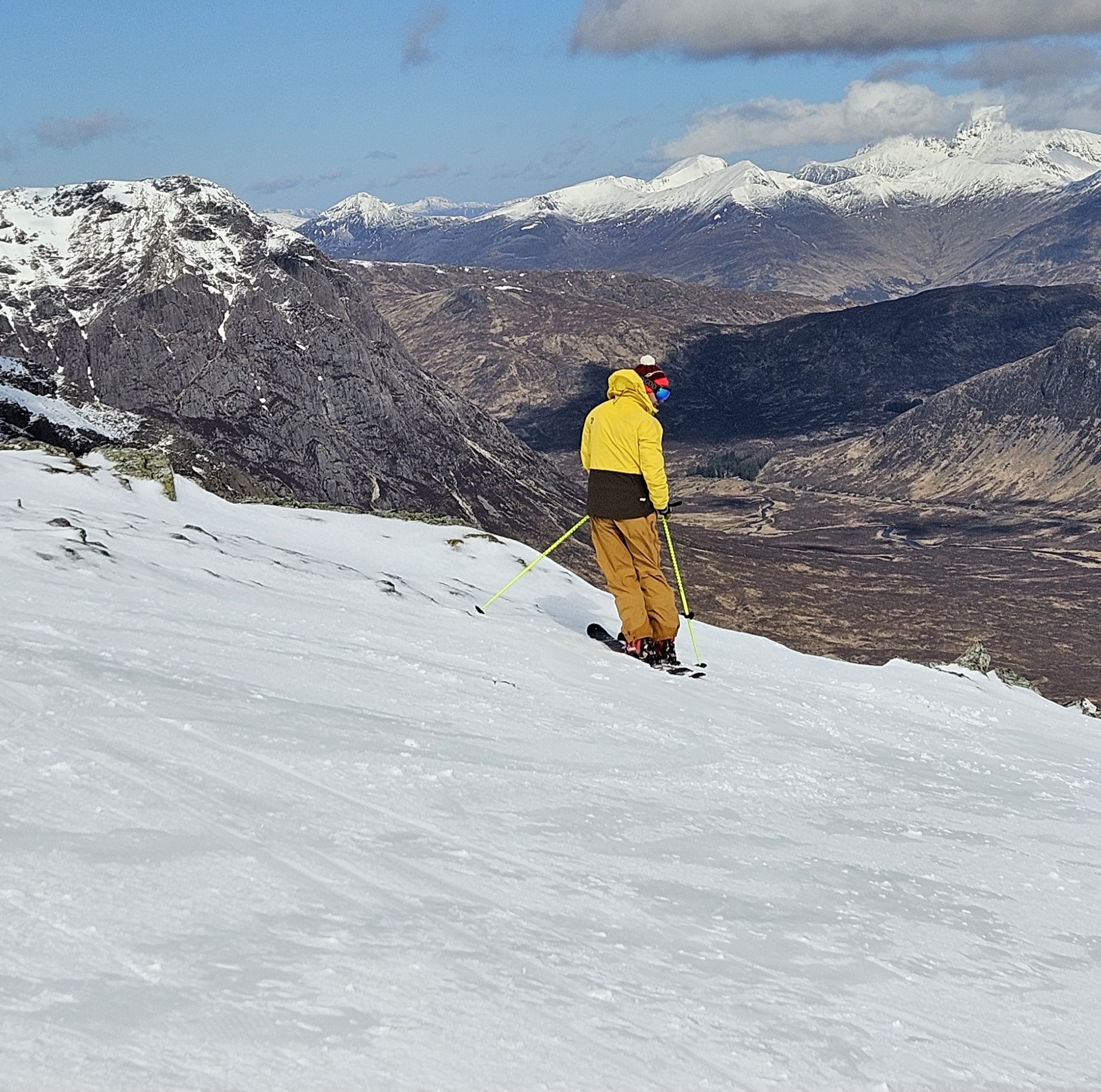
The 2025/2026 Scottish ski season has reached a triumphant conclusion, marked by an extraordinary late-season surge in snowfall that has transformed the Highlands into a premier destination for spring winter sports. Reports from the Cairngorms and Glencoe indicate that the combination of early-season accumulation and the arrival of traditional "lambing storms" has resulted in some of the most consistent and high-quality conditions witnessed in the region for over a decade. While many European resorts begin to wind down operations in mid-April, the Scottish centers of Cairngorm Mountain and Glencoe Mountain Resort have experienced a resurgence in activity, bolstered by cold maritime air masses and significant investments in snow-making technology. This late-season success provides a critical economic boost to the local tourism sector and underscores the resilience of the Scottish snowsports industry in the face of volatile climatic patterns.
Meteorological Context: The Impact of the Lambing Storms
The exceptional conditions observed during the final weeks of the season are largely attributed to a series of weather events known colloquially in Scotland as "lambing storms." These are late-season cold snaps that typically occur in late March and April, often bringing heavy snowfall to higher elevations just as the spring agricultural season begins. In 2026, these storms were particularly potent, driven by a persistent high-pressure system over Scandinavia that funneled cold, moisture-laden air across the North Sea.
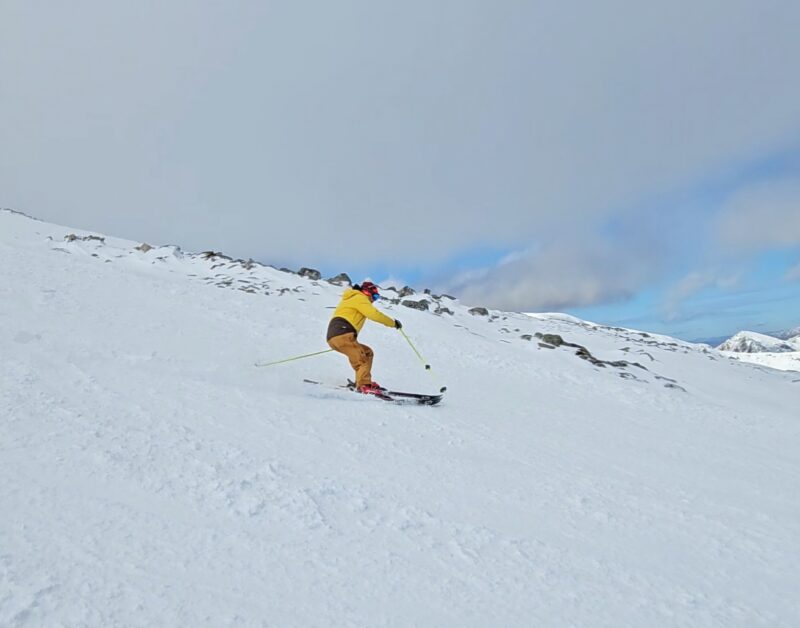
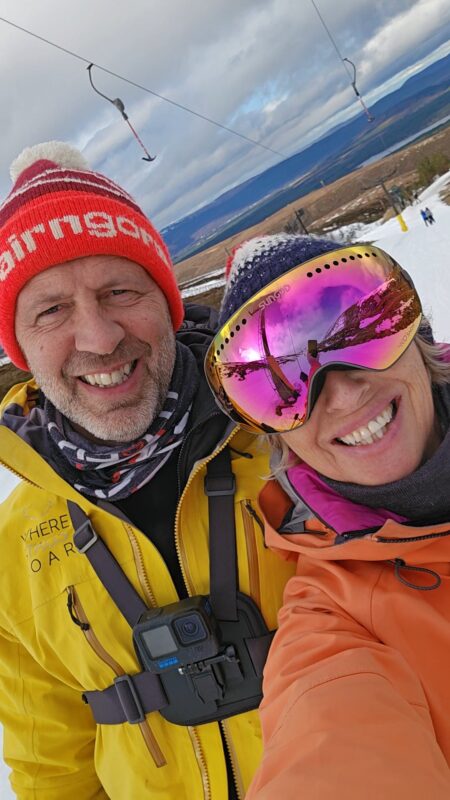
This meteorological setup followed a winter defined by powerful "Easterlies"—winds blowing from the east that are historically responsible for the deepest snow drifts in the Scottish mountains. Early in the season, these winds deposited massive volumes of snow into the natural bowls and gullies of the eastern Highlands. By the time the April storms arrived, the base layers were already well-established, allowing the fresh powder to create a surface that reporters Dianne and Rod Frazer described as "fantastic." This combination of a deep early-season base and fresh spring toppings has allowed resorts to maintain operations well past their traditional closing dates.
Cairngorm Mountain: A Season of Technical Triumphs
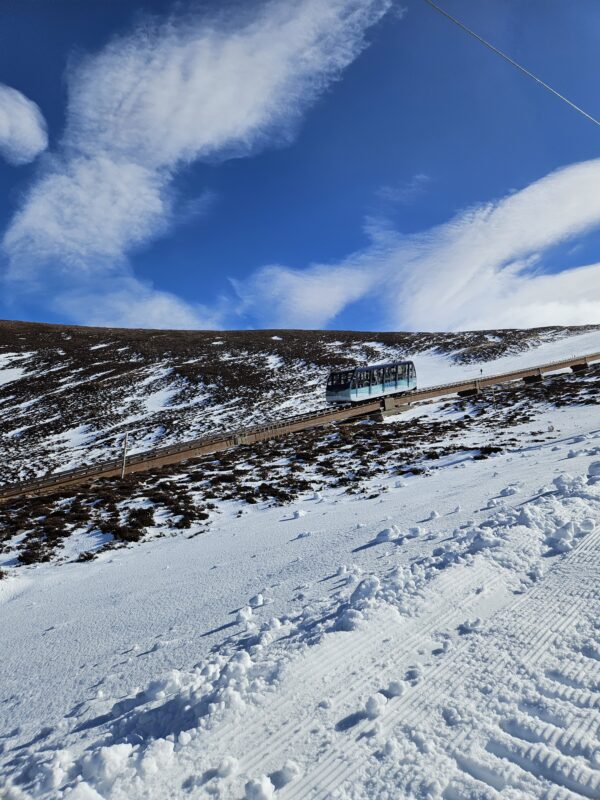
At Cairngorm Mountain, the focus of the late-season success has been the reliability of the funicular railway, which has provided seamless access to the upper slopes. The ability to transport skiers and snowboarders directly to the Ptarmigan bowl has been essential, particularly as lower-level snow began to retreat during brief periods of milder daytime temperatures.
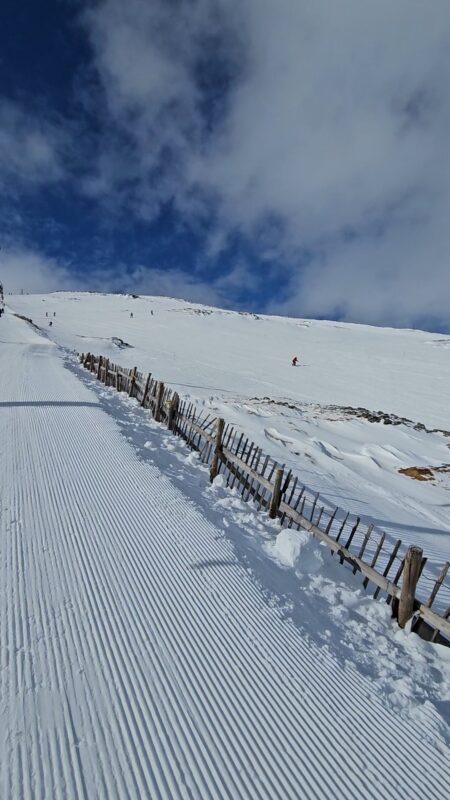
The standout feature of the April sessions has been the condition of the "White Lady," one of Scotland’s most iconic and challenging ski runs. Historically, the "Cas" run is the preferred late-season route for those wishing to ski down to the mid-station. However, the unique wind patterns of the 2025/2026 season resulted in an unprecedented build-up of snow on the White Lady. The run has seen its widest and deepest cover in recent memory, offering a vast, groomed surface that has attracted advanced skiers from across the United Kingdom.
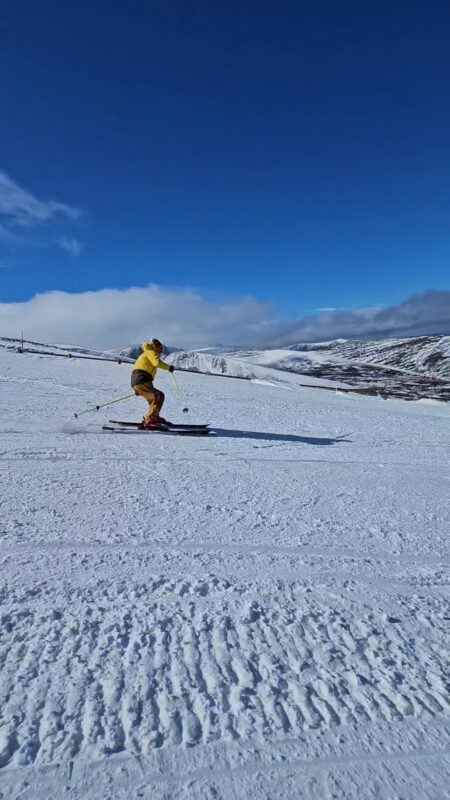
Beyond the technical runs, the resort has maintained an extensive snow park on the upper mountain. This facility has become a hub for freestyle enthusiasts, benefiting from the stable snowpack to maintain kickers and rails that would usually have melted by mid-April. Despite the high-quality conditions, resort officials noted a "spookily quiet" atmosphere on the hills during the midweek periods in April, allowing visitors the rare luxury of skiing directly onto lifts without the queues typically associated with peak-season weekends.
Glencoe Mountain Resort: Innovation and Expansion
On the western side of the country, Glencoe Mountain Resort has mirrored the success of its eastern counterparts while simultaneously looking toward future growth. During the second week of April, the upper mountain at Glencoe was reported to be in "awesome" condition, with a significant amount of fresh snow covering all high-altitude runs. The resort’s management has successfully managed a mix of groomed and ungroomed terrain, catering to a broad spectrum of abilities, from intermediate cruisers to expert off-piste skiers.
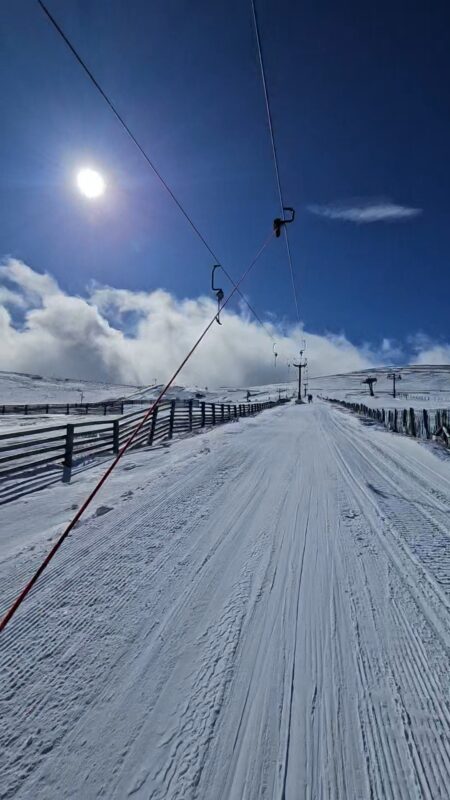
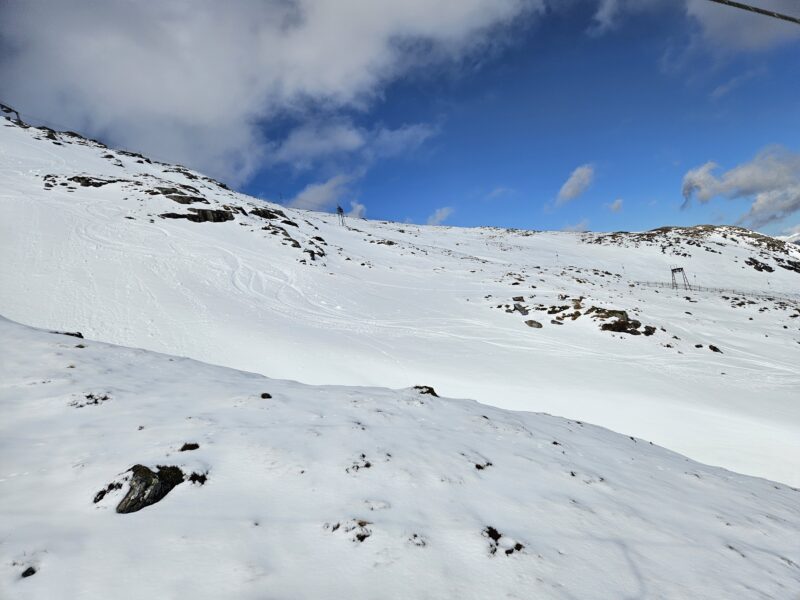
While snow cover at the mid-mountain level began to thin by mid-April, the resort’s strategic management allowed for continued access to the base cafe and the bottom of the "Cliffy Chair." This was made possible through a combination of natural snowfall conservation and the use of "Snow Factory" technology, which allows for the production of snow in temperatures above freezing.
A pivotal moment for Glencoe occurred during the final weeks of the season with the delivery of a second Snow Factory unit. This infrastructure investment is part of a broader strategy spearheaded by Glencoe’s managing director, Andy Meldrum. The new unit, which is expected to be fully operational for the 2026/2027 season, will work in tandem with a newly installed rope-tow. This equipment is specifically designed to expand the resort’s beginner and sledging hub located near the cafe.
Strategic Diversification and Economic Resilience
The decision to invest in snow-making and beginner-friendly infrastructure reflects a growing trend in the Scottish ski industry toward diversification. By ensuring "snow-sure" conditions for sledging and introductory skiing, Glencoe is insulating itself against the financial risks posed by lean winters. The income generated from families and non-skiers provides a stable financial foundation that supports the maintenance of the more technical, weather-dependent upper mountain runs.
Industry analysts suggest that this model of diversification is essential for the long-term viability of Highland resorts. The 2025/2026 season has demonstrated that while natural snowfall can still deliver world-class conditions, the ability to "guarantee" snow at the base area attracts a wider demographic of tourists. This, in turn, supports local hospitality businesses, including the award-winning self-catered accommodations in the Cairngorms National Park, such as those managed by the Frazer family, which have reported high occupancy rates throughout the spring period.
Comparative Analysis: 2026 vs. Previous Seasons
When placed in a historical context, the 2025/2026 season stands out as a significant outlier. Over the past decade, Scottish skiing has often been characterized by "marginal" winters, where fluctuating temperatures led to rapid freeze-thaw cycles that stripped the mountains of cover. In contrast, the current season has benefited from sustained periods of sub-zero temperatures at altitude and a lack of the devastating "Atlantic gales" that often blow snow off the ridges and into inaccessible corries.
Data from mountain weather services indicate that the snow depth on the Cairngorm plateau in mid-April 2026 was approximately 40% higher than the ten-year average for the same period. This has not only extended the alpine skiing season but has also provided exceptional conditions for ski touring and mountaineering in the surrounding wilderness areas of the National Park.
Official Reactions and Future Outlook
The mood among resort operators is one of cautious optimism. Speaking on the arrival of the new infrastructure at Glencoe, Andy Meldrum emphasized that the addition of the second Snow Factory is a "game-changer" for the resort’s ability to provide a consistent product. "The goal is to ensure that from December through April, there is always a reason to visit Glencoe, regardless of what the North Atlantic weather systems throw at us," Meldrum stated in a briefing to local stakeholders.
At Cairngorm, the successful operation of the funicular has restored confidence in the resort’s technical infrastructure. After years of intermittent service due to structural repairs, the railway’s performance this season has been flawless, proving its worth as the backbone of the resort’s uplift capacity.
As the season draws to a close, the focus shifts to summer maintenance and the preparation for the next winter cycle. However, the legacy of the 2026 spring season will likely be remembered as a turning point where natural bounty met technological foresight. The "lambing storms" provided the snow, but the strategic investments in snow-making and lift infrastructure ensured that the industry could capitalize on that gift.
Conclusion: A Benchmark for the Highlands
The 2025/2026 winter season has set a new benchmark for what is possible in the Scottish Highlands. By leveraging a "best-in-years" natural snowpack with forward-thinking management, Cairngorm and Glencoe have proven that Scotland remains a competitive and vital player in the European snowsports market. For the advanced skiers who tackled the wide expanses of the White Lady and the families who enjoyed the snow-sure sledging at Glencoe, the season provided a reminder of the unique allure of the Scottish mountains. As the last of the April snow begins to melt into the burns and lochs of the Highlands, the industry looks forward to a future where technology and nature work in tandem to preserve the tradition of Scottish skiing.

