
The recent announcement of a design collaboration between Perfect Moment, a luxury French ski and lifestyle brand, and H&M, the global fast-fashion retail giant, has sent ripples across the fashion and outdoor industries. This partnership, which brought Perfect Moment’s distinctive aesthetic to a mass market price point, represents a fascinating convergence of disparate brand philosophies, raising questions about brand integrity, sustainability, and the evolving landscape of consumer aspiration. The collection, designed primarily with après-ski and stylish mountain leisure in mind, quickly sold out upon its release, signaling a strong consumer appetite for accessible luxury within the winter sports segment.
The Unlikely Alliance: A Study in Contrasts
At first glance, the collaboration presents a stark juxtaposition. Perfect Moment, with its roots deeply embedded in elite freeride skiing culture, has cultivated an image synonymous with high performance, impeccable design, and an exclusive luxury experience. Its core offerings, such as puffer jackets retailing around $800 and flared ski pants at $600, cater to a discerning clientele willing to invest in premium quality and iconic style. The brand’s mission statement explicitly champions durability and longevity, emphasizing a commitment to minimizing environmental impact – principles typically associated with slow fashion and conscious consumption.
Conversely, H&M operates on a fundamentally different model. As one of the world’s largest apparel retailers, it boasts over 4,000 stores across more than 60 countries, renowned for its rapid trend adoption, vast product assortment, and affordability. This business model, often termed "fast fashion," has made H&M a frequent target of criticism for its environmental footprint, including high carbon emissions, excessive water usage, and the promotion of a disposable clothing culture. While H&M has made public efforts toward sustainability through initiatives like its Conscious collection and garment recycling programs, critics often argue that the inherent volume and speed of its operations make true environmental friendliness an insurmountable challenge. This divergence in brand ethos—luxury versus mass-market, durability versus disposability, conscious production versus rapid consumption—made the partnership an unexpected, if intriguing, development.
Perfect Moment: From Freeride Roots to Fashion Icon
Perfect Moment’s journey began in 1984 in Chamonix, France, under the vision of legendary big-mountain skier and filmmaker Thierry Donard. Initially, the brand was engineered for elite freeride athletes, focusing on technical performance and functional design that could withstand the rigors of extreme alpine environments. This heritage established a strong foundation of authenticity and performance credibility within the ski community, differentiating it from more traditional, fashion-centric skiwear brands.
The pivotal shift in Perfect Moment’s trajectory occurred in 2010 when it was acquired by European entrepreneurial couple Jane and Max Gottschalk. Under their leadership, the brand underwent a significant transformation, evolving from a purely technical outfitter into a luxury lifestyle brand. While retaining its performance DNA, Perfect Moment embraced a more fashion-forward aesthetic, characterized by vibrant colors, bold star motifs, and flattering silhouettes. This strategic repositioning tapped into the burgeoning "ski chic" trend, appealing to a broader demographic interested in stylish mountain wear that transitions seamlessly from the slopes to après-ski social events. Today, Perfect Moment is recognized globally for its distinctive designs, high-quality materials, and a sophisticated appeal that has garnered a loyal following, including celebrities and influencers, further solidifying its status as a premium brand in the luxury sportswear market. Its emphasis on designing apparel "with a focus on durability and longevity" underpins its premium pricing and positions it as a brand committed to quality craftsmanship.
H&M: A Global Retail Giant Under Scrutiny
H&M Hennes & Mauritz AB, founded in Sweden in 1947, has grown into one of the world’s most recognizable fashion retailers. Its business model is predicated on providing trendy, affordable clothing to a global audience, leveraging efficient supply chains and rapid production cycles to bring designs from concept to store in a matter of weeks. This agility allows H&M to quickly respond to emerging fashion trends, democratizing style and making contemporary fashion accessible to millions.
However, H&M’s immense scale and fast-fashion approach have placed it at the center of ongoing debates surrounding ethical production and environmental sustainability. The industry’s reliance on cheap labor, often in developing countries, and its contribution to textile waste, water pollution, and carbon emissions have drawn significant criticism from environmental activists, labor rights organizations, and conscious consumers. While H&M has invested in various sustainability initiatives—such as using organic cotton, recycled materials, and setting ambitious targets for reducing its environmental impact—these efforts are frequently met with skepticism. Critics argue that these measures, while commendable, often fall short of addressing the fundamental issues inherent in a business model that encourages high-volume consumption and rapid turnover of garments. The inherent tension between H&M’s commercial imperatives and its stated sustainability goals remains a complex challenge for the brand.
Strategic Rationale: Bridging the Divide
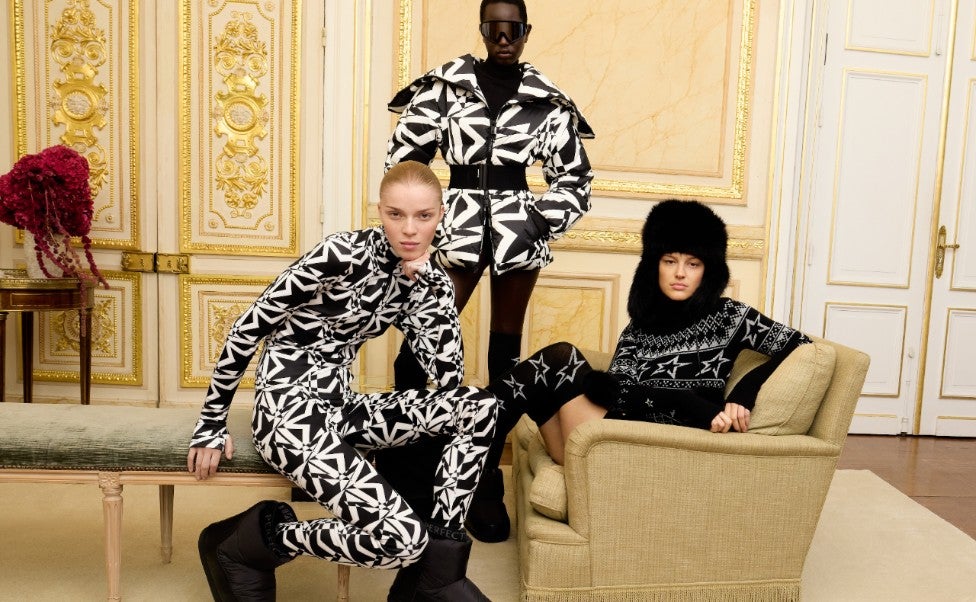
The decision for Perfect Moment and H&M to collaborate was not merely a whimsical pairing but a calculated strategic move for both entities, reflecting broader trends within the fashion industry.
For H&M, such a partnership offers several compelling advantages. Collaborations with high-end designers and luxury brands have long been a successful strategy for fast-fashion retailers to generate excitement, drive foot traffic, and elevate their brand perception. Previous H&M collaborations with designers like Karl Lagerfeld, Versace, and Balmain have proven immensely popular, selling out rapidly and creating significant media buzz. By partnering with Perfect Moment, H&M gains access to a segment of the market—luxury sportswear and ski fashion—that it typically does not serve. It allows H&M to offer aspirational products, leveraging Perfect Moment’s prestige and design expertise to attract a more fashion-conscious consumer base, while still adhering to H&M’s accessible price points. This strategy can help H&M diversify its product offerings and potentially enhance its reputation for style and quality, even if temporarily. As H&M’s Creative Advisor and Head of Design for Women’s Wear noted in the press release shared with SKI, the collection was poised to be "unexpected, dynamic, and sure to spark excitement," clearly articulating the brand’s intent to disrupt and capture attention.
For Perfect Moment, the collaboration presents an unparalleled opportunity for brand expansion and increased visibility. Despite its strong presence in the luxury market, Perfect Moment is still a niche brand compared to global giants. Partnering with H&M provides instant access to a massive global consumer base that might otherwise be unfamiliar with the brand. This exposure can significantly broaden Perfect Moment’s audience, potentially converting some of the collaboration’s customers into future buyers of their core luxury line. It allows Perfect Moment to "democratize" its aesthetic, making its distinctive patterns, bold colors, and signature star motifs accessible to a wider demographic. Furthermore, in an increasingly competitive luxury market, such collaborations can serve as a powerful marketing tool, generating buzz and reinforcing Perfect Moment’s position as a trendsetter in the ski fashion space. While there’s always a risk of brand dilution when a luxury brand partners with a mass-market retailer, the limited-edition nature of such collections often mitigates this risk, allowing the luxury brand to maintain its exclusivity while benefiting from mass-market exposure.
The Collection Unveiled: Focus on Après-Ski
The Perfect Moment x H&M collection, launched in late March 2026, was explicitly designed with the après-ski experience in mind, rather than high-performance alpine pursuits. This strategic focus is crucial for understanding the collection’s design choices and functional attributes. Après-ski wear emphasizes style, comfort, and warmth for social occasions off the slopes, allowing for more design flexibility compared to technical ski gear, which prioritizes waterproofing, breathability, and ergonomic fit for active skiing.
The collection featured a range of items that echoed Perfect Moment’s signature aesthetic, including puffer jackets, knit sweaters, base layers, and ski pants, all adorned with the brand’s recognizable patterns, shimmering metallics, and star motifs. Pricing was significantly more accessible than Perfect Moment’s main line, with the puffer jacket retailing at $329 and the baselayer top at $60. This pricing strategy aimed to capture consumers aspiring to the luxury look without the corresponding premium price tag, positioning the collection as an entry point into the Perfect Moment universe. The rapid sell-out of the collection shortly after its release underscores the strong consumer demand for this particular blend of aspirational design and accessible pricing.
On-Slope Assessment: Performance Meets Style
To assess the practical application of this "après-ski first" collection, a review was conducted focusing on two key items: a puffer jacket and a baselayer top. It is important to reiterate that these items were evaluated within the context of their intended use for casual wear and light activity, rather than demanding technical skiing.
The Puffer Jacket ($329):
The puffer jacket immediately presented an oversized aesthetic, a deliberate design choice that aligns with current fashion trends and facilitates layering. While the sleeves offered a comfortable and appropriate fit, the main body of the jacket featured a boxy, loose silhouette. This intentional design allows for significant layering underneath, making it versatile for varying temperatures. From a purely stylistic perspective, the oversized fit was noted as flattering, contributing to the jacket’s fashion-forward appeal.
However, from a functional standpoint for skiers, several limitations emerged. The most notable concern was the pocket situation. The jacket featured only two external pockets, secured with magnetic closures. While aesthetically clean, magnetic closures are notoriously unreliable for securing valuables, especially during dynamic activities like skiing, where items like lift passes, phones, or keys could easily be dislodged. A single internal pocket with a top opening offered minimal additional security. For any skier, even those primarily focused on après-ski, adequate and secure pocketing is a fundamental requirement for carrying essentials. This design choice clearly prioritizes aesthetics over practical utility for active slope use.
Despite these functional drawbacks for skiing, the jacket offered several commendable features. The hood was generously sized, capable of fitting comfortably over a ski helmet, a significant advantage for colder or windier conditions. For warmer, casual days on the slopes, or for après-ski gatherings, the jacket’s warmth and distinctive style were highly praised. Considering its price point of $329—significantly less than Perfect Moment’s core line jackets—it represents a fair investment for a stylish, warm puffer jacket, particularly for those prioritizing aesthetics. The large star design on the back, a signature Perfect Moment motif, served purely an aesthetic purpose but was highlighted as a favorite element, encapsulating the fashion-centric nature of the collaboration.
The Baselayer Top ($60):
The baselayer top, priced at $60, performed surprisingly well despite not being crafted from Merino wool, a material often considered the gold standard for performance baselayers due to its natural wicking and odor-resistant properties. Instead, it was constructed from a synthetic performance material, which effectively wicked away sweat, maintaining comfort during light activity. The design featured a flattering zippered mockneck, adding a touch of chicness.

Sizing proved to be a minor issue, as the baselayer ran slightly large. For colder conditions, the reviewer suggested layering a tighter Merino top underneath, effectively using the Perfect Moment x H&M baselayer as a pseudo mid-layer. This adaptability hints at its versatility, not just for skiing but also for other winter activities or casual wear. The price point was deemed quite reasonable for its quality and design, presenting an attractive option for skiers seeking a stylish yet functional piece for après-ski events or general winter wear without the premium cost of technical performance baselayers.
Market Reception and Consumer Insights
The rapid sell-out of the Perfect Moment x H&M collection unequivocally demonstrates a robust market demand for accessible luxury within the ski and winter sportswear segments. This swift depletion of inventory, despite the lack of immediate restock plans, indicates that the collaboration successfully tapped into a sweet spot: offering the aspirational design and brand cachet of Perfect Moment at price points that are attainable for a much broader consumer base.
This success suggests that consumers are increasingly open to "hybrid" fashion offerings that blend high-end aesthetics with mass-market accessibility. It also underscores the power of brand collaborations to generate significant hype and immediate sales, especially when they bridge perceived gaps in the market. The high demand signals that many consumers are seeking stylish, recognizable outerwear for leisure activities and social events associated with winter sports, even if the items are not engineered for extreme performance. This reinforces the growing importance of the "après-ski" segment as a distinct and lucrative market.
Implications for Luxury and Fast Fashion
The Perfect Moment x H&M collaboration carries significant implications for both the luxury and fast-fashion sectors, potentially reshaping strategies for brand growth, market positioning, and sustainability discourse.
For luxury brands, this partnership exemplifies a strategic avenue for expansion and audience engagement without necessarily diluting core brand values. By offering limited-edition, more accessible collections, luxury brands can introduce their aesthetic to new demographics, cultivate future customers, and maintain relevance in a dynamic market. The challenge lies in carefully managing brand perception and ensuring that such collaborations do not compromise the exclusivity and perceived quality of their main lines. Perfect Moment’s careful positioning of the collection as après-ski wear, rather than high-performance gear, was a key differentiator in maintaining its technical credibility.
For fast-fashion retailers like H&M, these collaborations are vital for enhancing brand image, driving sales, and diversifying product offerings. They provide an opportunity to momentarily transcend the "fast fashion" label by associating with high-quality, aspirational brands. However, such partnerships also bring renewed scrutiny to their sustainability practices. The stark contrast between Perfect Moment’s stated commitment to durability and H&M’s volume-driven model highlights the ongoing tension and the difficulty for fast-fashion brands to authentically claim environmental responsibility without fundamental changes to their core business model. Moving forward, fast-fashion brands might increasingly seek collaborations that allow them to integrate more sustainable materials or production methods, even if on a limited scale, as consumer awareness of ethical consumption grows.
Looking Ahead
The Perfect Moment x H&M collaboration serves as a compelling case study in modern retail strategy, demonstrating the potential for unexpected alliances to generate significant commercial success and reshape consumer expectations. While the collection may not have catered to the needs of the most demanding skiers, it undeniably fulfilled its mission: to bring a touch of luxury ski style to a broader audience at an accessible price.
As the lines between luxury, lifestyle, and mass-market fashion continue to blur, such collaborations are likely to become more prevalent. They offer a pathway for brands to navigate evolving consumer desires, balancing aspirations for high-end aesthetics with practical considerations of affordability and accessibility. The success of this partnership suggests a future where brand identity is increasingly fluid, and strategic collaborations are key to unlocking new markets and maintaining cultural relevance in a rapidly changing retail landscape. For consumers, it means more opportunities to experience a slice of luxury without breaking the bank, even if it comes with the understanding that not all "designer" collaborations deliver true high-performance functionality.

