
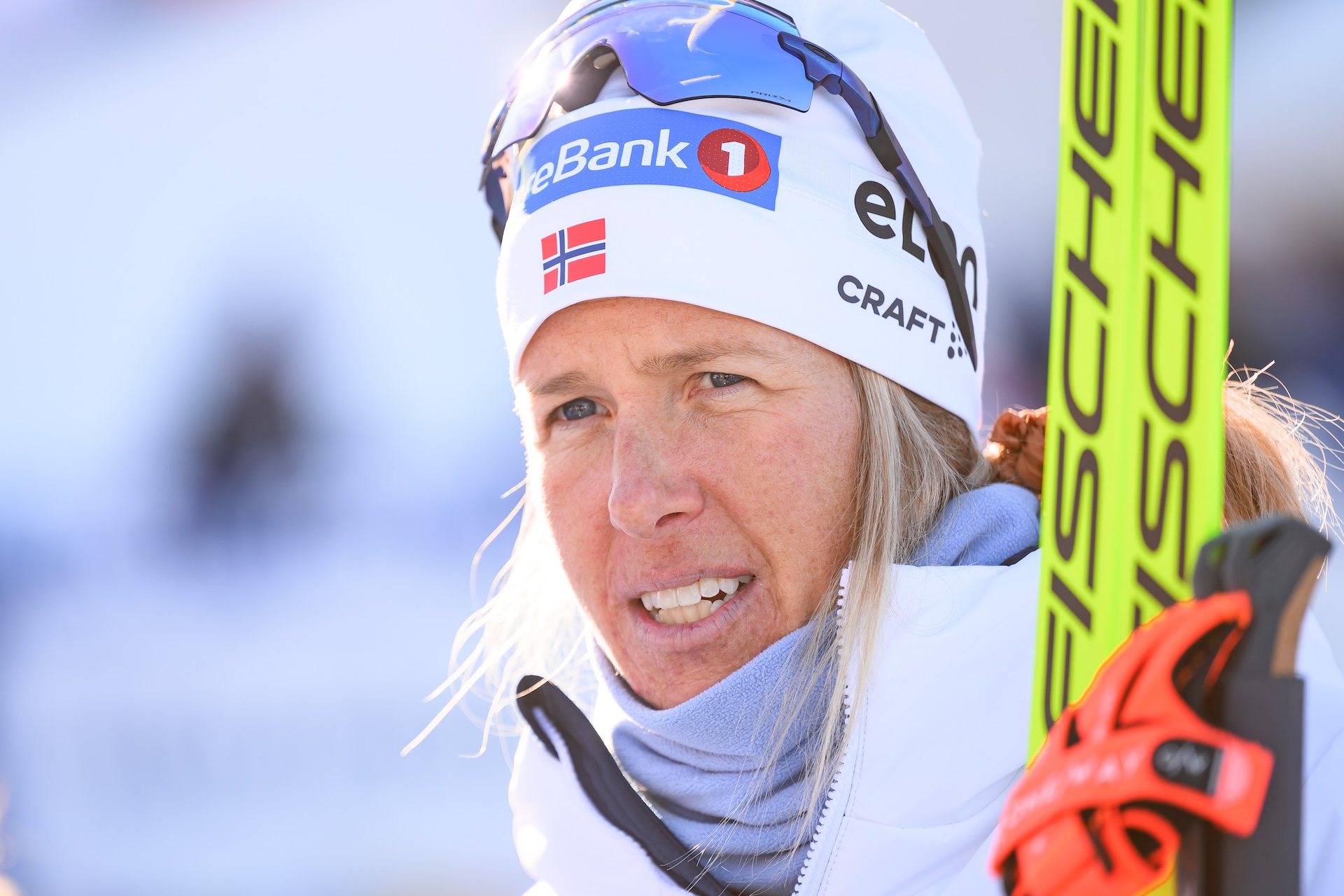
Astrid Øyre Slind, a prominent figure in all-around cross-country skiing, has expressed strong dissatisfaction and frustration following the rejection of her application for an exemption from the national team, alleging that she is facing implicit threats of being excluded from competitions. This development marks a significant shift after years of successfully navigating her career outside the traditional national team structure.
Since her breakthrough in the 2022-23 season, Øyre Slind, now 38 years old, has annually sought permission from the cross-country skiing committee to decline a national team placement while still being allowed to represent Norway internationally. These requests had been granted in previous years, allowing her to maintain her preferred training and competition setup. However, this year, her application has been denied, leading to a heated exchange and a public airing of grievances.
A Deepening Conflict Over National Team Policy
The core of the dispute lies in a rule implemented by the Norwegian Ski Federation (NSF) in 2013. This regulation stipulates that athletes who refuse a national team invitation are ineligible to compete for Norway in World Cup races and major championships. While the rule includes a provision for applying for an exemption, Øyre Slind contends that the process is opaque and arbitrary.
"It is not a good way to resolve things when they resort to threats," Øyre Slind stated in an interview with VG, the Norwegian media outlet that first reported the story. "That if I don’t say yes, then I won’t get to go to the World Cup." Her strong reaction underscores the perceived lack of flexibility and the pressure she feels from the governing body.
Øyre Slind further elaborated on her frustrations with the application process in an interview with TV 2. "I don’t quite understand the point of writing an application for which you don’t get to know the criteria, so that makes me quite exasperated," she said. This lack of transparency fuels her criticism, as she feels unable to understand the basis for the decisions being made.
The Historical Context of the 2013 Rule
The NSF’s 2013 rule was a direct response to the high-profile departure of Petter Northug from the national team that same year. Northug’s decision to forge his own path, often in conflict with the federation’s demands regarding sponsor obligations, highlighted a growing tension between elite athletes seeking greater autonomy and the NSF’s need to maintain its funding model.
The federation’s primary argument for the rule is to safeguard the national team model, which relies on athletes representing the NSF’s partners. The NSF contends that elite athletes, through their participation and the associated sponsorship revenue, are crucial in financing the development of junior and youth programs, as well as grassroots skiing. The fear is that if top athletes opt out of the national team, the attractiveness of the national team as a sponsorship entity would diminish, potentially undermining the entire structure that supports Norwegian cross-country skiing’s dominance on the international stage.
A Shift in Enforcement: Stricter Stance This Season
Historically, the NSF has shown a degree of leniency, granting exemptions to prominent athletes like Øyre Slind and Johannes Høsflot Klæbo in previous seasons. This flexibility allowed these athletes to pursue their preferred training regimens and sponsorship deals without jeopardizing their international careers. However, this year, the federation has signaled a significant tightening of its stance.
The NSF’s common regulations, specifically section 205.2, outline the conditions for athletes who decline national team offers: "Athletes who have declined an offer to participate in NSF’s national teams shall not be selected by NSF to represent NSF in competitions during the season for which the offer of a national team place is valid, unless there are special circumstances." While the existence of "special circumstances" theoretically allows for exceptions, the recent denial of Øyre Slind’s application suggests a stricter interpretation and enforcement of this clause.
Implications for Other Athletes: A Ripple Effect
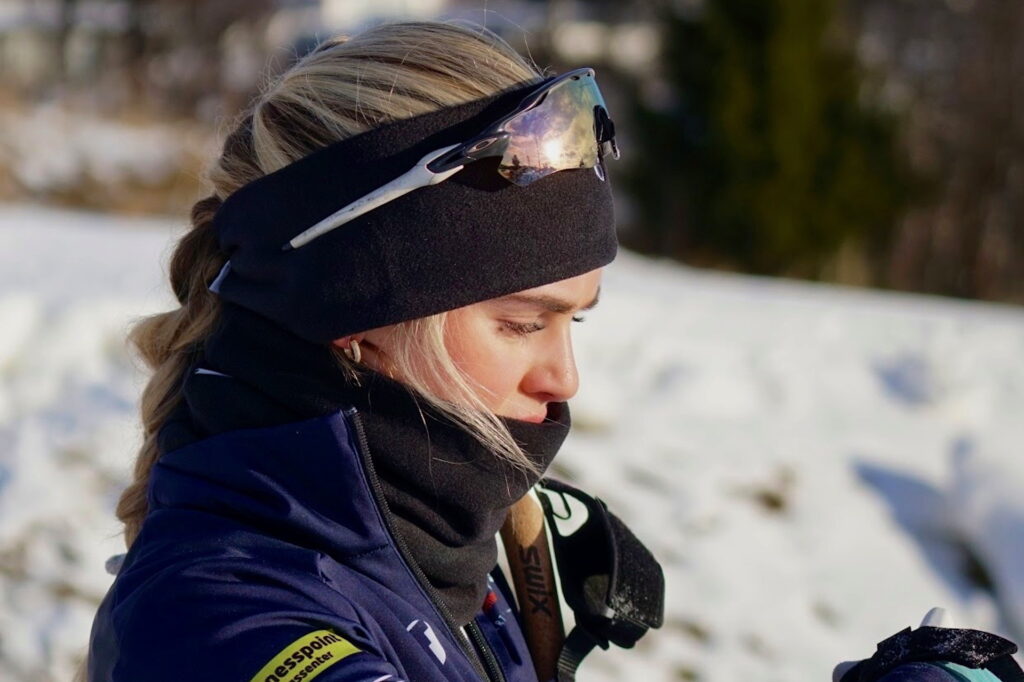
Øyre Slind’s situation is not isolated. On the women’s side, three skiers – Karoline Simpson-Larsen and Karoline Grøtting from Team Anlegg Øst, and Julie Drivenes from Team Konnerud – have reportedly been offered places on the national team for the 2026-27 season. Both Simpson-Larsen and Grøtting have expressed a strong desire to continue with their current private team, Team Anlegg Øst.
Sources close to Langrenn.com indicate that these two athletes are actively engaged in discussions with the NSF to clarify the implications of the contentious 2013 rule. Øyre Slind, based on her own experience, expressed pessimism about their prospects. "If I get a rejection, then I don’t understand how anyone else can get their application through, really," she commented, suggesting that her denial sets a precedent for others in similar situations.
The Uncertainty of the National Team Model
Adding to the athletes’ dilemma is the lack of clarity surrounding the national team’s offerings for the upcoming season. Details regarding the sporting program, coaching staff, and the overall structure of the national team model remain undisclosed by the NSF. This ambiguity makes it challenging for athletes to make informed decisions.
Stian Berg, a prominent coach at Team Olympiaparken, highlighted this issue, stating, "Then it becomes difficult for the athletes to make a well-considered choice. It also becomes difficult for us as coaches in a system where they have succeeded, to guide them." The tight deadline for athletes to respond to the national team offers—Friday, just two days after receiving the proposals—further exacerbates the pressure and uncertainty.
Official Response: A Desire for Continued Dialogue
Cathrine Instebø, the general manager of cross-country skiing at the NSF, has described her dialogue with Astrid Øyre Slind as positive and open. "We want to continue the conversation with Astrid going forward, including addressing the criticism she has raised – both to better understand it and to be clear where we see things differently," Instebø told TV 2. This statement suggests a willingness from the NSF to engage with Øyre Slind’s concerns, although it does not offer an immediate resolution to her rejected application.
Instebø’s comments imply that while the NSF stands by its regulations, it is open to refining its processes and communication. The federation’s emphasis on the financial interdependence between elite athletes and the broader skiing community remains a central tenet of its policy.
The Broader Implications for Athlete Autonomy
The conflict between Øyre Slind and the NSF highlights a recurring tension in elite sports: the balance between individual athlete autonomy and the collective needs and structures of governing bodies. While the NSF’s concerns about funding and the sustainability of its development programs are valid, the approach taken with Øyre Slind and potentially other athletes raises questions about the fairness and transparency of the exemption process.
The outcome of these negotiations will likely have significant implications for how elite cross-country skiers in Norway approach their careers in the future. A strict enforcement of the 2013 rule could push more athletes towards independent training camps and private teams, potentially fragmenting the sport. Conversely, a more accommodating approach, or a clearer and more transparent exemption process, could foster a more collaborative environment between athletes and the NSF, ensuring the continued success and growth of Norwegian cross-country skiing. The coming days will be crucial in determining the path forward for Astrid Øyre Slind and potentially other national team hopefuls.

