
Whitelines Snowboarding Magazine, an institution renowned for its irreverent spirit and unwavering dedication to the culture of snowboarding, marks its 30th anniversary in 2025, reflecting on three decades of chronicling the sport’s evolution from a fringe pursuit to a global phenomenon. From its humble, chaotic beginnings in 1995 as a "debaucherously British fanzine" to its current standing as a powerful digital media entity, Whitelines has consistently captured the raw energy and rebellious ethos that define snowboarding, earning it the enduring moniker, "The Conquistadors of Chaos."
The Genesis of a Snowboarding Icon: 1995 and Beyond
The mid-1990s represented a pivotal moment for snowboarding. Having emerged from the counter-culture fringes of the 1980s, the sport was rapidly gaining traction, shedding its "outlaw" image and attracting a burgeoning youth demographic. Major brands were investing, events were professionalizing, and the nascent media landscape was scrambling to keep pace. It was into this fertile, yet still wild, environment that Whitelines was born. Founded by Jim Peskett and Tudor "Chod" Thomas, both veterans of Snowboard World Magazine, Whitelines sought to offer a distinct voice. Their vision was less about polished professionalism and more about reflecting the authentic, often chaotic, experience of snowboarders themselves. As former editor and cover star Chris Moran aptly summarized in a blurb pitching a hypothetical biopic, the magazine was conceived by "idiots [who] try to put a mirror up to the burgeoning 1990s snowboard scene, but accidentally turn it on themselves instead. Blinded by the glare of their own stupidity, they head out on the kind of travel adventures where someone has to climb into a board bag that’s strapped to the roof rack because they’ve forgotten their passport.” This self-deprecating yet fiercely authentic spirit would become the hallmark of the Whitelines brand.
Operating from a small office in Oxfordshire, the early days were characterized by a remarkable lack of conventional resources and a pioneering spirit. With minimal budget and, by their own admission, little understanding of traditional magazine production, spelling, or even "basic decency," the founders and early staffers embraced a DIY approach that inadvertently became a key differentiator. The pre-email era meant that articles were often dictated over public payphone cards from remote locations, with company secretary Milly typing them out as they were read from scraps of paper. This method, while leading to charming misspellings like "Teens" instead of "Tignes," ensured that the content was fresh, immediate, and deeply embedded in the scene itself. There was no social media to provide instant feedback or complaints; as Moran recalled, "Pre-social media, we were all just screaming at the moon. Who knew what others thought of what we did? I mean, face-to-face feedback was always good, and as long as we annoyed our publisher Jim, we just thought things were going well!" This unfiltered communication fostered a direct, almost conspiratorial, relationship with its readership, who recognized the magazine’s genuine reflection of their own experiences.
Navigating the Nineties: A Counter-Cultural Chronicle
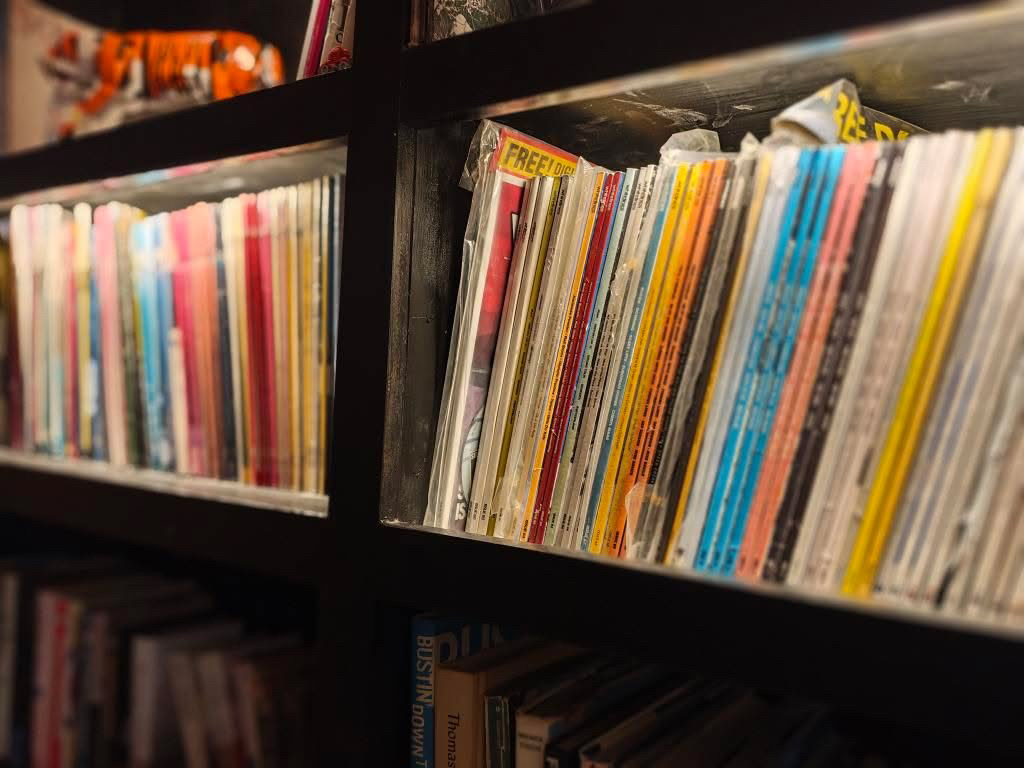
Whitelines quickly carved out a niche by embodying the decidedly unserious nature of snowboarding. While other publications might have aimed for slickness, Whitelines leaned into its raw, unpolished charm. Its pages were filled with stories of "cool people doing cool shit strapped onto planks of wood and letting gravity do the heavy lifting." This ethos extended to every aspect of the magazine, notably its famously mischievous spine titles. Designed by Tudor "Chod" Thomas, these often outlandish titles—such as "Dwarf Throwing Monthly," "Working With Endangered Animals Weekly," or "Neck Brace Monthly: The Skyscraper Issue"—became a legendary part of the magazine’s identity, a playful subversion that both entertained and challenged conventional publishing norms. These details underscored Whitelines’ commitment to pushing boundaries and never taking itself too seriously, a trait that deeply resonated with its core audience.
Beyond the witty covers, the internal culture of Whitelines was equally notorious. The magazine fostered a reputation for wild antics and a "chaos reigns supreme" attitude, with stories that, "statute of limitations notwithstanding… would make Led Zep blush." One memorable anecdote involved an editor stealing an accordion from a hotel bar in Austria, only for guests to engage in a tug-of-war with it, waking the entire establishment. This was compounded by staff members, notably Russ Ward, shaving a large taxidermied marmot on a plinth, leaving it with a "mad Lemmy-style goatee." Such tales, while perhaps apocryphal in their precise details, cemented the magazine’s image as a true product of the rebellious spirit it covered.
This irreverence wasn’t confined to internal hijinks; it extended to reader engagement. Whitelines became infamous for its competition entry addresses, which were often crude jokes aimed at publisher Jim Peskett. Addresses such as "the crack in the arse cheeks of Jim Peskett, 1 Stert Street, Abingdon" became a recurring source of exasperation for the UK postal service and Peskett himself, who reportedly "pleaded with us not to do that shit anymore because the postal service had threatened him with being blacklisted from receiving post." This audacious approach, however, further endeared the magazine to its readership. When one concerned mother wrote in to ban her son from reading the magazine, Whitelines not only awarded her letter "letter of the month" but also gifted her son a free lifetime subscription, perfectly encapsulating their playful defiance. This era of unapologetic, unfiltered content solidified Whitelines’ position as a counter-cultural beacon within the burgeoning snowboarding world.
The Digital Tsunami: Adapting to a New Media Landscape (Mid-2000s to 2015)
As the 21st century dawned, the media landscape began to shift dramatically. The advent of broadband internet, the proliferation of personal computing, and the rise of social media platforms fundamentally altered how consumers accessed information and entertainment. By the mid-2010s, the once-bustling shelves of snowboard magazines started to look increasingly sparse. Print circulation for many niche publications, including those in the action sports sector, began a steep decline as advertising revenues migrated online and readers sought instant gratification and convenience. This global trend did not spare Whitelines.
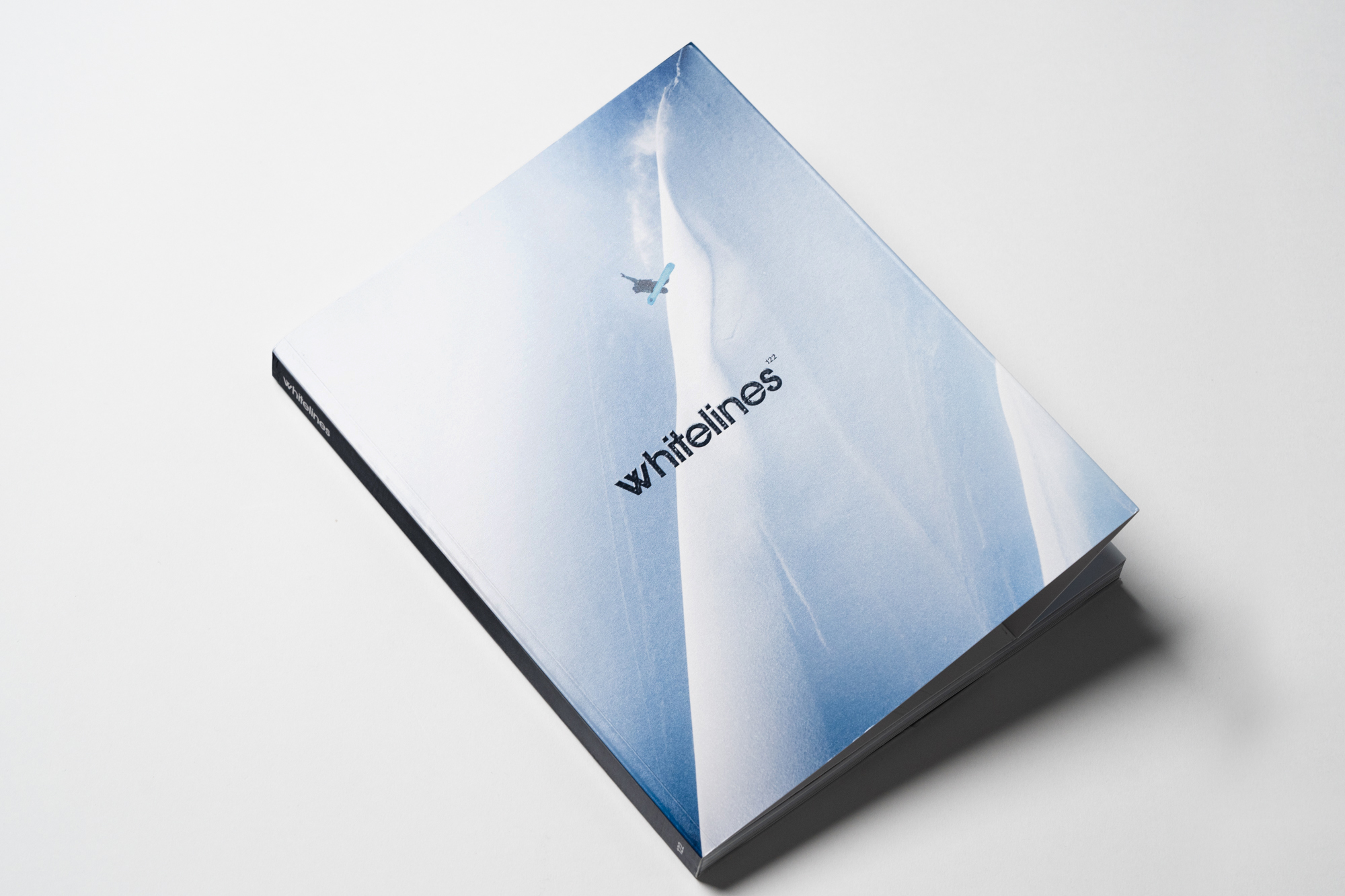
In 2015, after two decades and 120 issues, Whitelines made the difficult but strategic decision to cease its print editions. WL120 marked the end of an era, but it was also a pivot towards a new future. The announcement, appropriately made online, was delivered by then-editor Ed Blomfield, who offered a candid assessment of print media’s viability in the digital age. Blomfield’s statement articulated the bittersweet reality: "Factory Media’s proposal to sacrifice print frees up the editorial staff to channel all that passion and energy into their websites, including this one. As a team, we’re obviously gutted to see the end of a paper publication into which we poured heart and soul over two decades. But with the good ship WL celebrating its 20th anniversary this year, we’re also excited to see where – with a renewed focus and a healthy budget – we can take it next."
This transition was not merely a surrender to technological change but a proactive adaptation. Whitelines embraced the digital revolution with a grace "usually reserved for willowy ballet dancers, not middle-aged snowboarders." The shift allowed the editorial team to reallocate resources and focus entirely on online platforms. This led to a significant expansion of digital content, including more unique video productions, comprehensive gear reviews (building upon the established authority of the "Whitelines 100" annual product guide), detailed "how-to" guides, and immersive travel features. The ease of access provided by digital platforms allowed the industry to grow massively, offering a "24-hour buffet where sliding sideways was the order of the day." This digital pivot transformed Whitelines from primarily a UK-focused publication into a truly global media powerhouse, reaching audiences worldwide with a constant stream of high-quality, relevant content. The analogy often used to describe this shift—comparing traditional magazines to a 14-course meal and digital offerings to a quick, satisfying kebab—aptly captures the evolving consumption habits without diminishing the value of either format. Both serve a purpose, and Whitelines aimed to excel in the digital domain while retaining its core essence.

Resilience and Reinvention: The "Comeback Kid" Narrative
The media industry is notoriously fickle, with publications rising and falling with economic tides, paper prices, and shifting audience preferences. Whitelines, however, has proven to be an anomaly, earning its reputation as "the cockroach that refuses to die, the chewing gum stuck to the sole of snowboarding’s gaffa-taped boot." It has faced existential threats more than once, but its survival speaks volumes about the unwavering passion and dedication of the individuals at its helm. Operating on a "shoestring and a dream," especially in its formative years, the team resorted to ingenious, if unconventional, methods to stay afloat. One particularly telling anecdote reveals their resourcefulness: "No one had any money, least of all our publisher, but we begged, borrowed and stole enough to get all 120-odd editions out! And we eBayed pretty much every bit of product that anyone ever sent in. Honestly, it kept us all afloat. Sketchy as fuck, eh?" This level of commitment underscores the deep personal investment in the magazine’s mission.
In a surprising, yet warmly received, move, Whitelines briefly returned to print in 2019 with "The Whitelines Annual." This second print run, though short-lived, offered a deep dive into snowboarding culture across three substantial magazines, totaling over 600 pages of exclusive interviews, blockbuster photographs, and written content from the sport’s top contributors. With Ed Blomfield once again at the helm, this limited print offering served as a testament to the enduring appeal of the tactile experience of a physical magazine and a nostalgic nod to its roots, even as the broader trend continued its digital trajectory.
The 2026 Vision: A Fully Digital Powerhouse
As of 2026, Whitelines has firmly re-established itself as a purely digital entity, strategically aligning with the contemporary media consumption landscape. Its current focus is on curating and cultivating a "crack team of proper snowboarders" spread across three continents. This global network is dedicated to rigorously testing the latest innovations, producing premium gear reviews that serve as an authoritative benchmark for the industry. Beyond product assessment, Whitelines continues to lift the curtain on the sport through in-depth interviews with a wide range of industry figures, providing unique insights and personal narratives. The team also maintains a constant pulse on the day-to-day happenings, delivering relevant culture hits and providing boots-on-the-ground event coverage that captures the authentic, beating heart of the sport.
The sheer scale and reach of digital platforms cannot be overstated. In the past season alone, Whitelines’ website attracted an impressive 2 million visitors, while its social media channels boast over 750,000 followers across various platforms. Furthermore, the brand’s content frequently appears in AI snippets, underscoring its pervasive digital presence and authority. This exponential reach starkly contrasts with the challenges of selling 20,000 copies of a print magazine in the current climate. Despite this increased quantity and broader reach, Whitelines remains steadfast in its tried-and-true tenet: every piece of content must be engaging, informative, or amusing—ideally, all three simultaneously. While the team openly admits to "wax[ing] poetic about the joys of print, run[ning] the numbers and scrawl[ing] hasty business models on the back of napkins every time we’re three pints deep," acknowledging the "Goonies never say die" spirit, the future is unequivocally digital. As a final nod to their enduring humor and legacy, the team confirmed that, as of yet, they have received "no mail addressed to the crack in the arse cheeks of anyone."
Impact and Legacy: 30 Years of Shredding the Rules
Whitelines’ 30-year journey is more than just a publishing success story; it is a testament to the power of authenticity, irreverence, and unwavering passion in shaping a cultural movement. From its chaotic genesis in the mid-90s, when snowboarding was finding its voice, to its current sophisticated digital presence, Whitelines has consistently served as a mirror—albeit a deliberately distorted one—to the snowboarding community. It not only documented the sport but actively participated in defining its ethos, celebrating its heroes, and critiquing its excesses with equal measure of wit and insight.
The magazine’s ability to survive multiple media paradigm shifts, from the rise of specialized print to the dominance of digital and social media, speaks to its foundational strength: a deep understanding and love for snowboarding. Its influence extends beyond its readership, having inspired countless aspiring writers, photographers, and filmmakers within the action sports industry. Whitelines proved that a publication could be both fiercely independent and commercially successful, that it could challenge norms while still providing essential information. Its legacy is etched not just in its pages or server logs, but in the collective memory of generations of snowboarders who found their tribe and their stoke reflected within its unique voice. As Whitelines looks to its next chapter, its commitment to engaging, informing, and amusing its audience remains the guiding principle, ensuring its continued relevance in the ever-evolving world of snowboarding media.

