
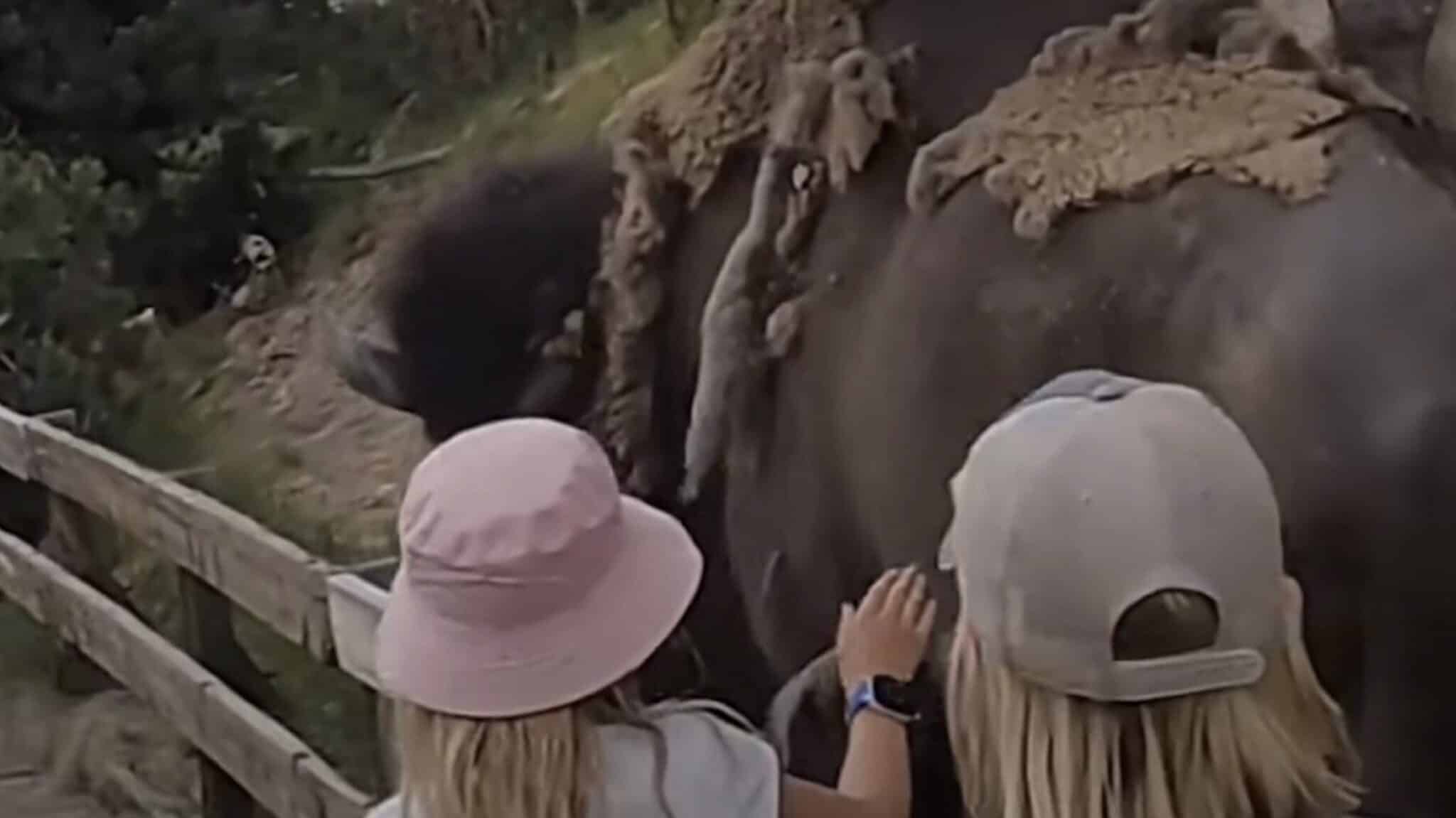
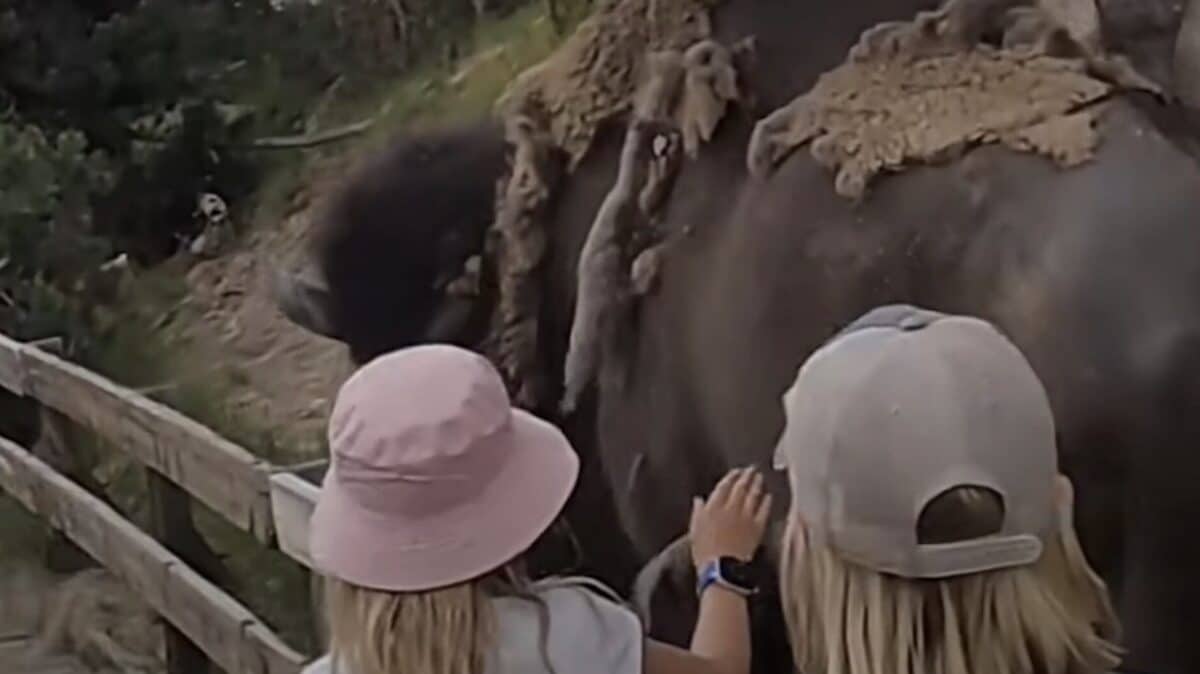
An incident captured on video within Yellowstone National Park, where a child was filmed by their father approaching and touching a bison, has ignited concerns among park officials and wildlife safety advocates. The footage, widely shared, depicts a young individual reaching out to touch the hindquarters of a bison, an act that directly violates established park regulations designed to ensure the safety of both visitors and wildlife. This event underscores a persistent challenge Yellowstone National Park faces: educating millions of annual visitors about the inherent dangers of interacting with wild animals, particularly the park’s iconic bison.
Background of the Incident and Yellowstone’s Bison Population
Yellowstone National Park, established in 1872, is a vast ecosystem that is home to a significant population of American bison (Bison bison). These majestic creatures, the largest land mammals in North America, play a crucial role in the park’s ecology. Adult males, often referred to as bulls, can weigh up to 2,000 pounds, while females, or cows, typically weigh between 700 and 1,000 pounds. Despite their often docile appearance as they graze or rest, bison are powerful, unpredictable, and can be extremely dangerous when they feel threatened or provoked.
The park’s management has long grappled with visitor behavior that disregards wildlife safety guidelines. The minimum recommended distance for observing bison is 25 yards (approximately 23 meters). This guideline is not arbitrary; it is based on the animals’ ability to react quickly and aggressively. Bison are capable of reaching speeds of up to 35 miles per hour and can pivot with surprising agility. Their strength and unpredictable nature make them responsible for more injuries to visitors in Yellowstone than any other animal. Park staff often employ the adage, "Don’t pet the fluffy cows," a reminder that these animals, while appearing calm, are wild and should be treated with extreme caution.
The specific circumstances surrounding the video’s creation are not fully detailed in the initial report, but the visual evidence indicates a clear breach of safety protocols. The father’s act of filming his child’s interaction with the bison, rather than intervening to prevent it, has drawn particular criticism. This suggests a potential misunderstanding or disregard for the risks involved, possibly driven by a desire to capture a unique "moment" without fully comprehending the potential consequences.
Chronology of the Event and its Aftermath
While a precise timeline of the incident itself is unavailable without further investigation, the emergence of the video has prompted a renewed emphasis on existing safety advisories. The footage clearly shows the child making physical contact with the bison. Fortunately, in this particular instance, the bison did not react aggressively, and the child was unharmed. This fortunate outcome, however, does not diminish the severity of the act or the potential for a tragic accident.
The immediate aftermath of the video’s circulation has seen park officials and wildlife enthusiasts reiterating the importance of respecting wildlife at a safe distance. The incident serves as a stark, real-world illustration of the dangers that can arise when these guidelines are ignored. It highlights a recurring problem: despite widespread signage, educational programs, and the active presence of park rangers, a segment of visitors continues to treat Yellowstone as an open-range petting zoo.
Supporting Data on Bison Encounters and Injuries
Yellowstone National Park receives over 4 million visitors annually, a significant number that increases the potential for human-wildlife conflict. Data compiled by the National Park Service consistently shows bison as the primary source of visitor injuries. While specific figures for the year of this incident are not immediately available, historical data reveals a pattern. For example, in some years, bison have been responsible for a majority of the reported animal-related injuries in the park. These incidents range from charges and goring to trampling.
The park’s "Safety" page on its official website prominently features warnings about bison, stating they have injured more people in Yellowstone than any other animal. It emphasizes that bison are unpredictable and can charge without warning. The recommended distance of 25 yards for bison and other large animals like elk and bears is a crucial piece of information that many visitors appear to overlook. The park also advises visitors to stay on boardwalks in geyser basins, as the ground can be thin and unstable, and to never feed any wild animals.
Official Responses and Safety Initiatives
The National Park Service (NPS) consistently reinforces its "Be Bison Smart" messaging. Following incidents like the one captured in the video, NPS officials typically issue statements urging visitors to maintain safe distances and respect the wild nature of the animals. While specific comments directly addressing this particular video have not been detailed, the general stance of the park service is clear: visitor safety and wildlife protection are paramount.
Park rangers are trained to educate visitors and enforce regulations. They regularly patrol areas where bison are commonly sighted, advising people to stay in their vehicles or maintain significant distances. Educational materials, including brochures, interpretive signs, and online resources, are readily available to inform visitors about wildlife behavior and safety protocols. The park also utilizes social media and its official website to disseminate crucial safety information, especially during peak visitation seasons.
The incident underscores the ongoing need for enhanced visitor education. This might involve more frequent ranger-led talks, interactive exhibits, or even increased use of interpretive signage in high-traffic areas where bison are likely to be encountered. The challenge lies in effectively conveying the potential danger of these powerful animals to a diverse audience with varying levels of outdoor experience and awareness.
Broader Impact and Implications
The viral nature of the video has a dual impact. On one hand, it serves as a powerful cautionary tale, potentially deterring others from engaging in similar risky behavior. The visual evidence of a child’s close proximity to a bison, even without a negative outcome, is deeply unsettling for many viewers and reinforces the seriousness of the park’s warnings.

On the other hand, the incident highlights a persistent disconnect between park regulations and visitor behavior. It raises questions about the effectiveness of current educational strategies and the responsibility of visitors to adhere to rules designed for their own safety and the well-being of the wildlife. The father’s decision to film the interaction, rather than prevent it, points to a potential cultural shift where capturing content for social media can sometimes overshadow immediate safety concerns.
The implications extend beyond this single event. Such interactions can have detrimental effects on bison populations. Animals that become habituated to human presence or that are repeatedly disturbed may exhibit altered behaviors, potentially leading to increased aggression or their removal from the park for public safety. This not only diminishes the wild character of Yellowstone but can also have long-term consequences for the animals’ survival and the overall health of the ecosystem.
Furthermore, incidents like these can strain park resources. Responding to close encounters, managing visitor behavior, and potentially dealing with injuries all require significant attention from park staff, diverting resources that could be used for conservation and scientific research.
In conclusion, the incident of a child touching a bison in Yellowstone National Park, captured on video by their father, serves as a critical reminder of the delicate balance between human enjoyment of natural wonders and the imperative to protect both visitors and the wild inhabitants of these protected spaces. It underscores the ongoing challenge of public education and the profound responsibility each visitor bears to observe wildlife safely and respectfully, ensuring that Yellowstone’s iconic bison remain wild and unharmed for generations to come.

