
The alpine skiing world is abuzz with anticipation as two of its most dynamic talents, Norway’s Steen Olsen and France’s Cyprien Sarrazin, have officially returned to the snow, marking crucial milestones in their respective recoveries from season-ending injuries. Their comeback signifies not only a personal triumph over adversity but also promises to inject renewed excitement and competition into the upcoming World Championship season, which is roughly six months away. This week’s developments offer clear encouragement that two of the sport’s most exciting racers are moving closer to the start gate once again, meticulously rebuilding strength and confidence.
Steen Olsen’s Return to the Slopes
On April 29, the Norwegian alpine community, via Alpin Norway, shared a video capturing the much-anticipated return of Steen Olsen to the slopes of Kvitfjell. The venue itself holds significant prestige, having recently hosted the 2025–26 World Cup Finals in March, making it a fitting stage for a comeback of this magnitude. Olsen, a prodigious talent in technical disciplines, had been sidelined for an extended period, making his first turns on skis since October of the previous year—a hiatus spanning nearly half a year.
The 24-year-old expressed his thoughts with a characteristic blend of introspection and humor upon his return. "I haven’t been on skis since October. That’s almost half a year," Steen Olsen remarked, acknowledging the long break. He then added with a discernible smile, "It will be interesting to see if I can still stay on my feet. But everything should actually go well." This lighthearted comment belies the intense physical and mental rehabilitation process that precedes such a return, highlighting the athlete’s enduring optimism. After successfully navigating his initial runs back on snow, Olsen’s relief and joy were palpable. "It just feels good to get a feeling again, to lean into the curves, to carve and to cruise," he shared, articulating the fundamental sensations that define the sport he excels in. His words resonate with any skier who understands the unique connection between athlete and snow, a bond temporarily severed by injury.
A Star’s Ascent: Olsen’s Pre-Injury Dominance
Before his enforced absence, Steen Olsen had rapidly ascended through the ranks of the World Cup circuit, establishing himself as a formidable challenger to the sport’s elite, particularly in the demanding technical disciplines of slalom and giant slalom. His career trajectory showcased a rapid progression from junior success to World Cup podiums. He clinched both slalom and giant slalom gold medals at the World Junior Championships in Panorama, British Columbia, signaling his immense potential. Just over a year later, he secured his maiden World Cup victory in slalom at Palisades Tahoe, California, a moment that firmly cemented his arrival on the global stage.
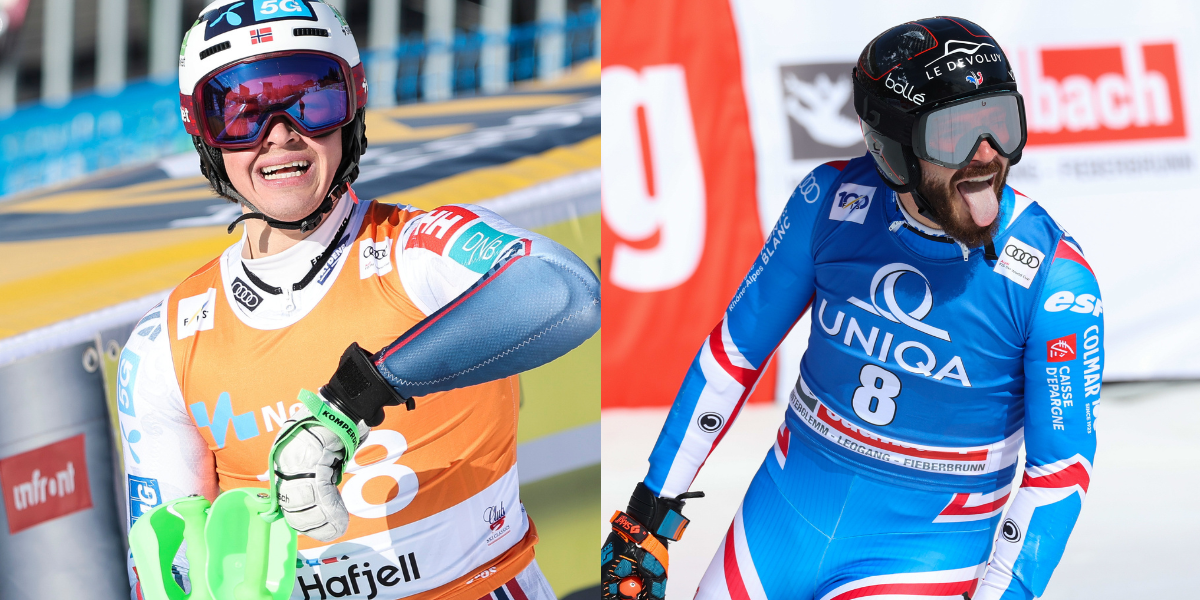
The 2024–25 season proved to be a career-defining period for Olsen. He added two crucial giant slalom wins to his growing tally, triumphing in Sölden, Austria, and Schladming, Austria. These victories were particularly significant as they positioned him as one of the very few skiers capable of consistently challenging the seemingly invincible Marco Odermatt in giant slalom over the preceding four seasons. Odermatt’s dominance in GS has been unprecedented, making Olsen’s ability to not only contend but also defeat the Swiss superstar a testament to his exceptional skill, aggressive style, and competitive spirit. His consistent presence at the top of the leaderboard made every technical race a thrilling spectacle, often pushing the limits of the sport.
The Impact of Olsen’s Absence on the GS Season
Steen Olsen’s injury and subsequent withdrawal from the 2025–26 season left a significant void in the men’s giant slalom field. His absence naturally raised questions about whether Marco Odermatt would continue his near-uninterrupted domination of the discipline. However, the season took an unexpected turn, underscoring the depth and competitive nature of World Cup skiing. Instead of a clear run for Odermatt, it was Olsen’s former Norwegian teammate, Lucas Pinheiro Braathen, now racing under the Brazilian flag, who mounted a compelling challenge. Braathen, demonstrating remarkable consistency and prowess, ultimately edged out the Swiss star to claim the coveted giant slalom title. This outcome powerfully highlighted just how competitive the discipline remained, even without one of its top challengers, and underscored the unpredictable drama inherent in elite alpine racing.
The Injury Timeline and a Resilient Outlook
The three-time World Cup winner’s entire 2025–26 season was tragically cut short due to a debilitating knee injury. Initially, Olsen and his team attempted a conservative approach, delaying his season start by opting out of the traditional October races in Sölden and the early-season technical events held in Colorado. Despite these efforts, the severity of the injury became undeniable. Shortly before Christmas, the difficult decision was made for him to undergo knee surgery, confirming his complete absence from the entire campaign.
Speaking to NRK at the time, Olsen conveyed the profound emotional toll of the decision, describing it as "extremely difficult," particularly as it coincided with an Olympic season – a quadrennial pinnacle for any elite athlete. The prospect of missing such a significant event, alongside a full World Cup season, is a heavy burden. Yet, even in that moment of profound disappointment, his outlook remained unequivocally clear and resolute. "I’ll be back next year, stronger and more experienced than ever," he declared, a statement that now, with his return to snow, rings with prophetic truth and unwavering determination. His journey through rehabilitation has been a testament to his mental fortitude and commitment to the sport.
Cyprien Sarrazin: A Speed Specialist’s Comeback

Parallel to Olsen’s return, French speed specialist Cyprien Sarrazin also marked a significant and eagerly awaited step forward in his recovery this week. The charismatic Frenchman, whose aggressive style had captivated fans worldwide, commenced his gradual return to snow in December 2025, carefully managing his physical rehabilitation. On April 30, a pivotal moment arrived as he trained Super-G in Val d’Isère for the first time since his harrowing crash during a downhill training run in Bormio in December 2024. This return to high-speed training on a demanding course like the Val d’Isère OK piste is a powerful indicator of his progress and his readiness to confront the mental and physical challenges of elite speed skiing once more.
A Dominant Stretch Before the Crash
Sarrazin’s injury struck at the absolute zenith of his career, interrupting a period of extraordinary performance that saw him emerge as one of the sport’s most electrifying figures. The 2023–24 season had been nothing short of spectacular for the Frenchman. He achieved a remarkable victory in the challenging Bormio downhill, known for its icy, demanding conditions. This was followed by a Super-G win in Wengen, Switzerland, another iconic venue. The pinnacle of his season, however, came with a memorable downhill double triumph in Kitzbühel, Austria – the legendary Hahnenkamm races, which are considered the ultimate test of nerve and skill in alpine skiing. Winning once in Kitzbühel is a career highlight; winning twice in the same weekend is an almost mythical achievement.
Throughout that incredible campaign, Sarrazin amassed an impressive nine podium finishes across four disciplines, including five victories in three different disciplines (downhill, Super-G, and Giant Slalom, where he also has a World Cup win from 2016). This exceptional versatility and consistent performance firmly established him as a genuine overall speed contender, placing him in the elite company of global superstars like Marco Odermatt, Vincent Kriechmayr, and Dominik Paris. His aggressive, all-or-nothing approach to racing resonated with fans and experts alike, making him a must-watch athlete whenever he pushed out of the start gate.
The Speed Scene Without Sarrazin
Sarrazin’s sudden absence from the speed disciplines created a vacuum, but also an opportunity for a new generation of talent to shine. The competitive landscape of downhill and Super-G, while missing Sarrazin’s distinctive flair, remained intensely contested. His sidelining inadvertently opened the door for a new wave of speed specialists to break through and claim major victories over the past two seasons. Young talents such as Franjo von Allmen, Giovanni Franzoni, and Alexis Monney seized their chances, demonstrating their capabilities and reshaping the top tiers of the speed circuit. Their emergence ensured that the excitement and unpredictability of speed racing continued unabated, a testament to the depth of talent within the sport. However, the return of Sarrazin is expected to further intensify this competition, pushing all athletes to higher levels.
A Clear Message of Perseverance
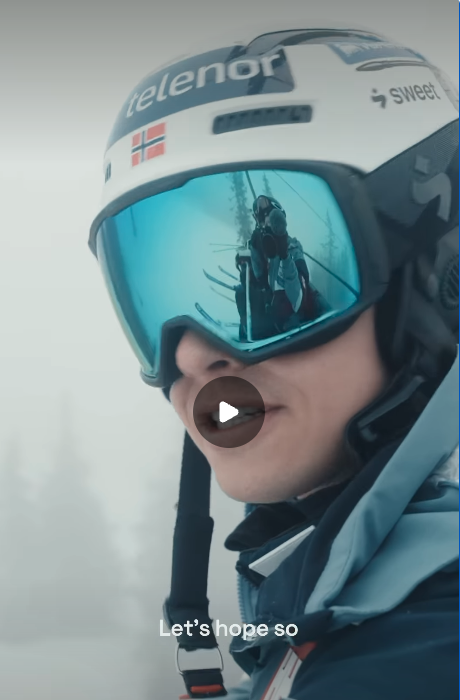
Following his significant training milestone, Sarrazin conveyed a brief yet potent update to his legion of fans and the wider skiing community via social media. He posted the succinct but powerful message, "Step by step," accompanying footage of his powerful run down the famed OK piste in Val d’Isère. This simple statement, devoid of elaborate rhetoric, spoke volumes. It encapsulated the methodical, cautious, and determined approach required for an athlete to return from a serious, high-speed injury. It communicated a clear focus on a steady, progressive recovery, with the ultimate goal of not just returning to competition, but competing once again at the absolute highest level of the sport. The image of him carving through the snow, even in training, served as a powerful visual affirmation of his unwavering commitment.
Looking Ahead: The Road to Full Competition Form
While both Steen Olsen and Cyprien Sarrazin have made incredible strides in their rehabilitation and are now back on snow, it is important to acknowledge that they remain some distance from achieving full race form. The transition from controlled training runs to the high-stakes, unforgiving environment of World Cup competition is a significant leap that requires careful preparation. With approximately six months until the start of the crucial World Championship season, both athletes now have a vital window of opportunity. This period will be dedicated to meticulously rebuilding their physical strength, regaining their acute sense of timing and balance on skis, and, crucially, restoring the mental confidence necessary to push the limits at World Cup speeds.
Their respective national federations and medical teams will undoubtedly implement highly individualized training protocols, focusing on gradual load progression, technical refinement, and injury prevention. The mental aspect of returning from long-term injuries, especially those sustained in high-speed crashes, cannot be overstated. Athletes must not only trust their bodies but also their instincts, overcoming any lingering psychological barriers.
The return of these two phenomenal athletes to the snow is more than just a personal achievement; it’s a significant morale booster for the entire alpine skiing community. It reaffirms the resilience of human spirit and the unwavering passion for a demanding sport. Their eventual return to the start gate will undoubtedly be met with immense excitement from fans and competitors alike, promising to enrich the competitive landscape and deliver thrilling races in the seasons to come. The sight of Olsen’s precise carving and Sarrazin’s fearless attacks down the mountain are moments the sport eagerly awaits.

