
The Colorado Supreme Court is poised to deliver a potentially landmark ruling that could significantly reshape the landscape of ski resort liability in the state. Following two high-profile and costly legal battles, the court has agreed to hear a case that centers on the extent of protection afforded to ski resorts by liability waivers, particularly in incidents involving collisions between skiers and other authorized users of resort property. This decision could have far-reaching implications for the state’s burgeoning winter tourism industry and the contractual agreements that govern recreational activities.
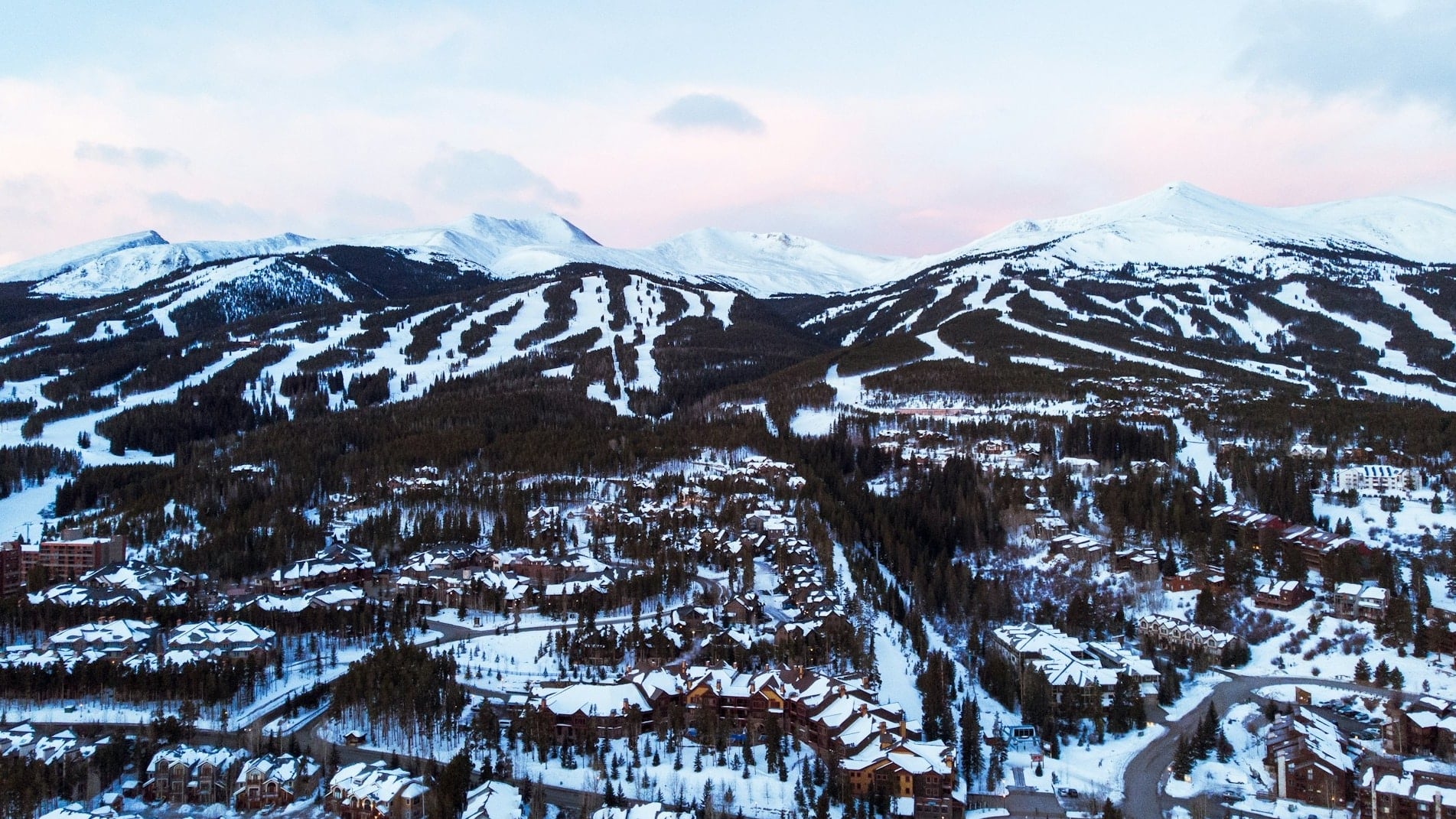
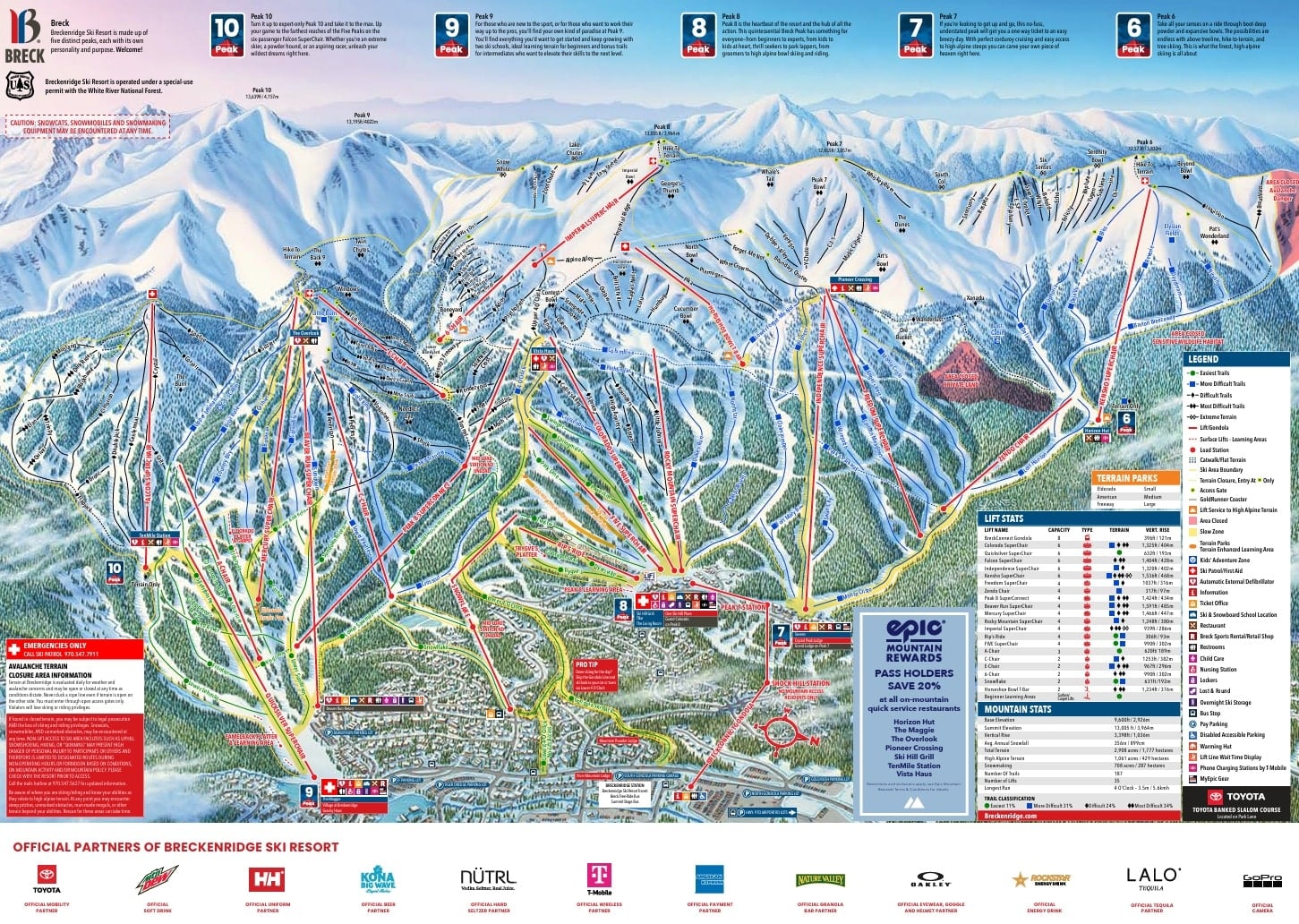
The case before the court involves an incident that occurred in December 2020 at Breckenridge Resort, a prominent destination owned and operated by Vail Resorts. John Litterer, a snowboarder from Texas, sustained injuries after colliding with a snowmobile on Peak 8 Road, a route designated for both snowmobiles and other resort vehicles. The incident, which unfolded on the Wirepatch trail, has since been the subject of a legal challenge that has navigated through lower courts before reaching the state’s highest judicial body.
Timeline of the Incident and Legal Proceedings:
- December 2020: John Litterer is snowboarding at Breckenridge Resort. While descending the Wirepatch trail, he makes a left turn onto Peak 8 Road. Simultaneously, a snowmobile, operated by a resort employee, is traveling on the same road.
- Collision: The snowmobile strikes the snowboarder. The snowmobile was reportedly traveling at 8 mph, well below the posted 25 mph speed limit for the road. The snowboarder was allegedly traveling at a high speed and made a sudden turn, catching the snowmobile operator by surprise.
- Injuries: Litterer sustains injuries as a result of the collision.
- Lawsuit Filed: Litterer initiates a lawsuit against a subsidiary of Vail Resorts and the snowmobile operator, alleging violations of the Colorado Snowmobile Safety Act and the Ski Safety Act.
- Lower Court Dismissals: Both the initial trial court and an appellate court dismiss the case, ruling in favor of the resort and the snowmobile operator. The lower courts primarily cited the liability waivers signed by Litterer as a defense.
- Colorado Supreme Court Review: Litterer appeals the decisions, and on April 16th, the Colorado Supreme Court hears arguments in the case. The justices express a nuanced view, acknowledging potential issues with Litterer’s actions leading up to the collision while also scrutinizing the breadth of Vail Resorts’ liability protections.
Key Legal Arguments and Judicial Scrutiny:
At the heart of the case is the enforceability of liability waivers, commonly known as "hold harmless" agreements, which are a standard practice in the ski industry. Litterer signed an Epic Pass liability waiver for the season in which the accident occurred. Crucially, he also purchased an Epic Pass for the following season, which required him to sign another waiver. Vail Resorts argues that these waivers absolve them of responsibility for the incident.
However, the Colorado Supreme Court justices have signaled a willingness to examine the boundaries of these agreements. During oral arguments, the court expressed skepticism regarding Litterer’s decision-making prior to and during the collision, particularly his high-speed turn onto a shared roadway. Yet, they also posed probing questions about how broadly Vail Resorts’ liability protections should extend, particularly in situations where negligence might be alleged. The court is tasked with determining whether the waivers adequately cover the circumstances of this specific incident and if they supersede potential claims of negligence under state statutes.
The Colorado Snowmobile Safety Act and the Ski Safety Act are central to the legal arguments. Litterer’s lawsuit contends that the actions of the resort and the snowmobile operator violated provisions within these acts, which are designed to ensure the safety of individuals participating in these activities. The court’s interpretation of how these statutes interact with signed liability waivers will be critical.
Broader Context: A Trend of Challenged Liability Waivers
This Breckenridge case is not an isolated incident. It emerges against a backdrop of recent legal decisions in Colorado that have either challenged or, in some instances, weakened the broad protections previously afforded to recreational businesses through liability waivers.

One significant case that predates the current one is Miller v. Crested Butte. In this instance, a teenager suffered paralysis after falling from a chairlift at Crested Butte Mountain Resort. The Colorado Supreme Court ruled that the ski resort was negligent and awarded the victim $12.4 million. This decision was seen by many as a significant blow to the traditional liability protections for ski resorts, emphasizing that waivers may not always shield operators from responsibility in cases of proven negligence.
More recently, a tragic incident at Glenwood Caverns Adventure Park, accessible via gondola, further underscored the evolving legal landscape. A young girl died after falling from a drop tower ride due to an unsecured seatbelt. Colorado courts found the amusement park liable, leading to a substantial settlement that, despite being reduced from an initial $205 million to $116 million, forced the park into Chapter 11 bankruptcy. While this case involved an amusement park rather than a ski resort, the underlying principle of holding operators accountable for safety failures, even when waivers are in place, resonates across the recreational industry.
These preceding cases suggest a judicial trend toward scrutinizing the fairness and enforceability of liability waivers, particularly when gross negligence or a failure to adhere to safety regulations is at play. The Breckenridge case will likely be viewed through this lens, with the court carefully considering whether the waivers signed by Litterer should prevent his claim from proceeding.
Implications for Colorado’s Recreational Industry:
The outcome of the Colorado Supreme Court’s decision in the Breckenridge case carries significant weight for ski resorts and other outdoor recreation providers in the state. A ruling in favor of the snowboarder could have a chilling effect on the industry, potentially leading to increased insurance costs, more stringent operational requirements, and a reluctance by some businesses to offer certain activities. Conversely, a ruling that broadly upholds the waivers could reinforce the existing legal framework but might also lead to continued public debate about the fairness of these agreements.
Michael Hofmann, an attorney representing Vail Resorts, articulated the company’s concern during the proceedings. He argued that a ruling that invalidates waivers based on a party’s failure to read them would "destabilize contract law." Hofmann’s statement highlights the industry’s perspective that these waivers are essential contractual agreements that inform participants of inherent risks and protect businesses from frivolous lawsuits. The argument posits that allowing individuals to disavow agreements they have signed, simply because they did not read them, undermines the predictability and reliability of contract law, which is foundational to commercial transactions.
The potential impact extends beyond just ski resorts. Many adventure tourism operators, from rafting companies to zip-line providers, rely on similar waivers to manage their risk exposure. A precedent set by the Colorado Supreme Court could influence how these waivers are drafted and enforced across various sectors of the outdoor recreation economy.
The court’s deliberation process is expected to be lengthy, with a decision not anticipated for several months. This extended period will allow the justices to thoroughly review the legal precedents, the specific facts of the case, and the potential ramifications of their ruling on Colorado’s vibrant and economically vital recreational industry. The outcome will be closely watched by legal professionals, industry stakeholders, and the public alike, as it promises to define the boundaries of responsibility and risk in the pursuit of outdoor adventure.

