
The Bonneville judicial court in Haute-Savoie has delivered a landmark verdict in a case that has reignited international debates regarding safety, speed, and personal accountability on the ski slopes of Europe. A 43-year-old male skier, identified as a volunteer firefighter and experienced winter sports enthusiast, has been convicted of manslaughter following a high-speed collision that resulted in the death of a five-year-old girl in the French resort of Flaine. The court handed down a 12-month suspended prison sentence and ordered the defendant to pay €165,000 in damages to the bereaved family, marking the conclusion of a legal process that spanned four years and deeply impacted the alpine community.
The Fatal Incident on the Serpentine Slope
The accident occurred in early 2022 within the Grand Massif ski area, specifically on a blue-graded run known as the "Serpentine." Blue slopes are traditionally classified as "easy" or "intermediate," designed for skiers who have moved beyond the nursery slopes but are not yet ready for the steep gradients of red or black runs. On the day of the incident, the victim, a five-year-old girl named Ophélie, was participating in a supervised group lesson led by a professional ski instructor.
According to court testimonies and accident reconstruction reports, Ophélie was positioned at the rear of the group. As the class navigated a section of the Serpentine, she had fallen slightly behind the other children and was preparing to initiate a turn. It was at this moment that the 43-year-old defendant, skiing at a speed estimated to be approximately 60 kilometers per hour (37 mph), collided with her. The force of the impact was catastrophic. Witness accounts indicated that both the skier and the child traveled a "considerable distance" down the slope following the initial contact, highlighting the momentum involved in the collision.
Immediate medical assistance was rendered at the scene. Ironically, the defendant, utilizing his professional training as a volunteer firefighter, attempted to administer first aid to the child he had just struck. Emergency services were dispatched quickly, and Ophélie was transported to the hospital in Sallanches. Despite the efforts of trauma specialists, she was pronounced dead shortly after arrival, with the cause of death attributed to the severe internal injuries sustained during the high-velocity impact.
Legal Proceedings and the Quest for Accountability
The subsequent investigation into the death of Ophélie took four years to reach a judicial conclusion, a duration that the family’s legal representatives criticized heavily. Throughout the proceedings, the defense maintained that the event was a "tragic accident" involving an experienced skier who was generally cautious. However, the prosecution focused on the appropriateness of the defendant’s speed relative to the conditions and the presence of a children’s ski school group.
In court, the defendant acknowledged that his speed may have been inappropriate for the specific environment of the Serpentine slope at that time. Under French law, manslaughter (homicide involontaire) in the context of a sporting accident requires the prosecution to prove a "manifestly deliberate violation of a safety or caution obligation." The court ultimately found that skiing at 60km/h on a blue slope in the vicinity of a visible group of beginner children constituted a failure to adhere to the fundamental rules of the mountain.
The family of the victim expressed a sense of being "worn down" by the legal process. Their lawyers noted that the length of the investigation and the complexities of the trial had compounded their grief, transforming a personal tragedy into a protracted legal battle. The award of €165,000 in damages, while significant, was described by the family’s representatives as a secondary concern compared to the need for a formal acknowledgment of the defendant’s responsibility.
The Serpentine Slope: A History of Safety Concerns
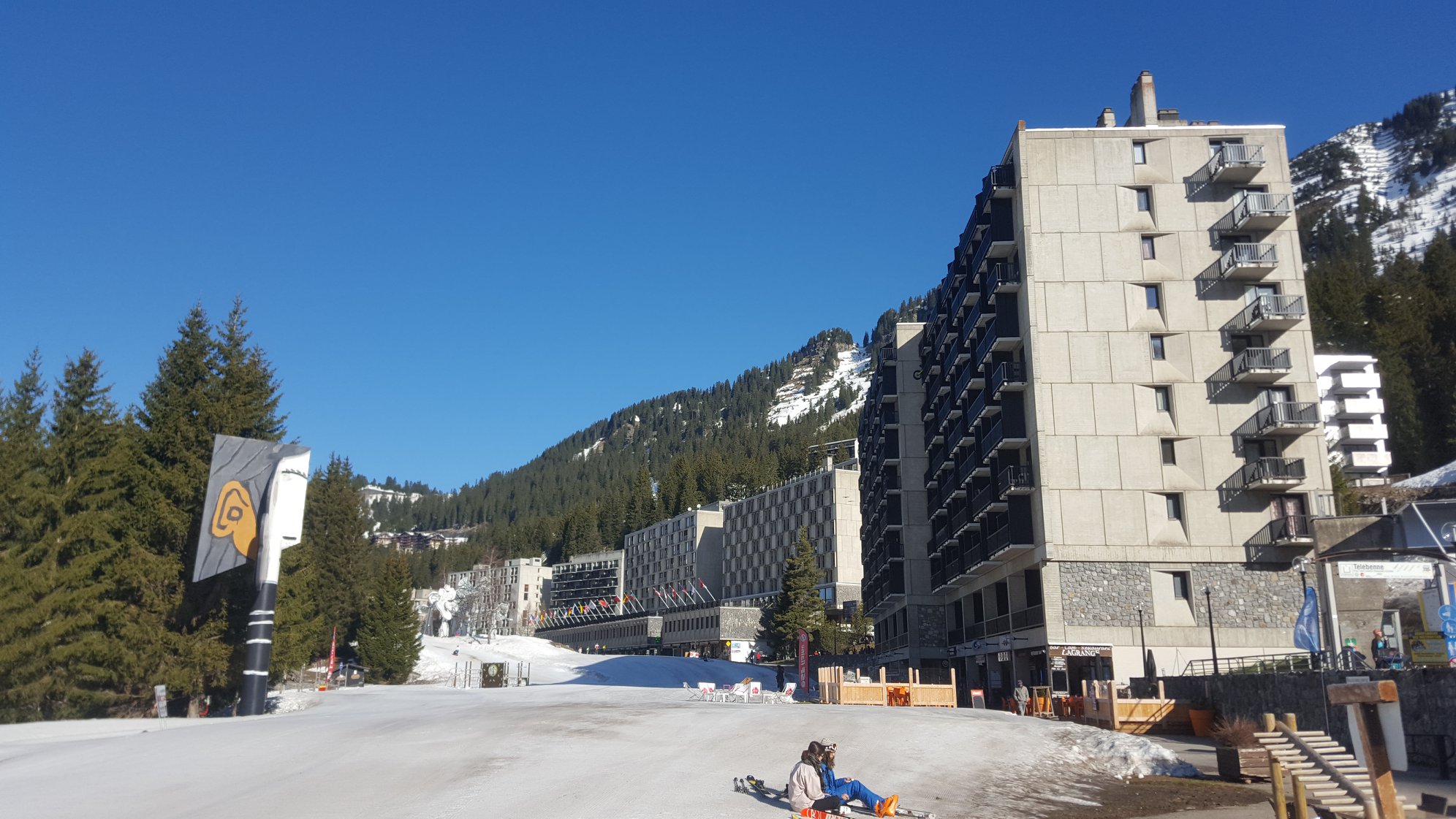
The Serpentine slope in Flaine has come under intense scrutiny following this and other incidents. It is a popular arterial run that connects various parts of the resort, meaning it often experiences high traffic volumes. Prior to the 2022 accident, the slope had been the site of several other serious incidents, leading to questions about its design and the behavior of those who use it.
In the wake of Ophélie’s death, the resort management and local authorities implemented several safety modifications to the Serpentine. These improvements included:
- Enhanced Visibility: Clearing of certain topographical obstructions to ensure skiers have a better line of sight of those downhill.
- Prominent Signage: The installation of large, high-visibility signs reminding skiers of the "Skier’s Code" and specifically instructing them to reduce speed in areas frequented by ski schools.
- Physical Speed Deterrents: Strategic grooming and the placement of markers to naturally slow the flow of traffic in high-risk zones.
These changes reflect a broader trend in the Alps where resorts are increasingly held to higher standards of "duty of care" regarding the layout and maintenance of their runs.
Statistical Context: Skiing Accidents and Speed in the Alps
While skiing is generally considered a safe sport relative to the number of participants, high-speed collisions remain a leading cause of severe trauma. Data from the Système National d’Observation de la Sécurité en Montagne (SNOSM) in France indicates that while the overall injury rate remains stable at around 2 to 3 injuries per 1,000 skier days, the severity of injuries in collisions is often higher than in isolated falls.
In a typical season, French mountain rescue services (the PGHM and CRS Alpes) respond to thousands of incidents. Collisions between skiers account for approximately 5% to 10% of these interventions, but they are disproportionately represented in fatality statistics. The physics of a 60km/h impact—the speed at which the defendant was traveling—is comparable to a fall from a multi-story building or a low-speed car crash without a seatbelt. When such force is applied to a small child, the results are almost inevitably fatal.
The FIS Rules of Conduct and the Concept of "Controlled Speed"
The legal foundation for the conviction in Bonneville rests heavily on the International Ski Federation (FIS) Rules of Conduct. These ten rules are the "highway code" of the slopes and are recognized by courts across Europe as the standard for determining liability.
- Rule 2: Control of Speed and Skiing. This rule states that every skier must move in control. They must adapt their speed and manner of skiing to their personal ability and to the prevailing conditions of terrain, snow, and weather, as well as to the density of traffic.
- Rule 3: Choice of Route. The skier coming from behind must choose their route in such a way that they do not endanger skiers ahead.
- Rule 4: Overtaking. A skier may overtake another skier above or below and to the right or to the left, provided that they leave enough space for the overtaken skier to make any voluntary or involuntary movement.
In Ophélie’s case, the court determined that the defendant violated Rule 2 and Rule 3. By skiing at a speed that did not allow him to avoid a child at the back of a group lesson, he failed in his legal obligation to remain in control. The verdict reinforces the principle that the "downhill skier" always has the right of way and that it is the sole responsibility of the overtaking skier to ensure a safe passage.
Broader Implications for Alpine Tourism and Regulation
The conviction of the 43-year-old skier is likely to have lasting implications for how speed is regulated on European slopes. There is a growing movement among safety advocates to introduce "speed zones" monitored by radar, similar to road traffic enforcement. Some resorts in North America have already implemented "Slow Zones" where "Mountain Safety" patrols have the authority to revoke lift passes for reckless behavior.
Furthermore, the case highlights a cultural divide on the mountains. On one side are those who view skiing as a high-adrenaline sport where speed is a primary objective; on the other are families and beginners who view the slopes as a shared recreational space. As equipment technology improves, allowing even intermediate skiers to reach high speeds with less effort, the risk of "out of control" skiing increases.
Legal experts suggest that this verdict may lead to more criminal prosecutions in the event of collisions. Historically, many such incidents were settled through civil insurance claims. However, the use of "manslaughter" charges signals a shift toward holding individuals criminally accountable for the consequences of their speed.
Conclusion and Future Outlook
The tragedy in Flaine serves as a somber reminder of the inherent risks of winter sports and the profound responsibility each skier carries for the safety of others. The 12-month suspended sentence and the significant financial penalty imposed on the defendant serve as both a punishment and a deterrent, emphasizing that the mountain is not a lawless space.
As the 2026 ski season progresses, the case of Ophélie remains a focal point for discussions on slope etiquette and safety reform. For the family of the five-year-old girl, the conclusion of the legal case provides a measure of closure, though the scars of the four-year investigation and the loss of a young life remain. The alpine community now faces the challenge of ensuring that the lessons learned from the Serpentine slope are applied across all resorts to prevent similar tragedies in the future. The conversation has moved beyond "accidents" toward a more rigorous definition of "preventable negligence," a shift that may fundamentally change the experience of skiing for millions of tourists.

