
As the autumnal equinox passes and temperatures begin to drop across the Northern Hemisphere, the window for physical preparation for the winter sports season narrows. While many recreational athletes view the autumn months as a period of transition characterized by leisure, sports medicine professionals and alpine experts emphasize that this period is vital for establishing the physiological foundation required for the rigors of skiing. The transition from a sedentary or low-intensity summer routine to the high-impact, high-velocity environment of the slopes presents a significant risk for musculoskeletal injuries. Statistical evidence underscores the necessity of this preparatory phase; for instance, a landmark Swedish study involving alpine ski students demonstrated that consistent preseason neuromuscular training reduced the incidence of Anterior Cruciate Ligament (ACL) injuries by nearly 50% over the course of two competitive seasons.
The Physiological Imperative of Preseason Conditioning
The demand that alpine skiing places on the human body is unique, requiring a combination of explosive power, isometric endurance, and rapid-fire neuromuscular responses. For skiers entering their fourth or fifth decade of life, the emphasis shifts from mere performance enhancement to the critical goal of injury prevention and long-term joint health. The objective of fall training is to cultivate a "bulletproof" physical state that can withstand the eccentric loading of carving turns and the sudden impact of variable snow conditions.
According to orthopedic insights, specifically those shared by surgeons associated with the U.S. Ski Team, the most common catastrophic injury—the ACL tear—often occurs when a skier is fatigued or lacks the stabilizer muscle strength to counteract improper body positioning. Preseason conditioning targets these vulnerabilities by sharpening the body’s "proprioception," or its ability to sense movement, action, and location. By engaging in specific autumn activities, skiers can ensure that their cardiovascular systems, muscle groups, and neurological pathways are synchronized well before the first chairlift begins to turn.
A Chronology of Preparation: The Autumn Training Phases
The ideal preseason training regimen follows a logical progression, beginning in late summer with base-level aerobic conditioning and intensifying throughout September and October with sport-specific movements.
- Late August to Mid-September (Base Building): Focus on steady-state cardio and general strength to prepare the heart and lungs for higher-intensity work.
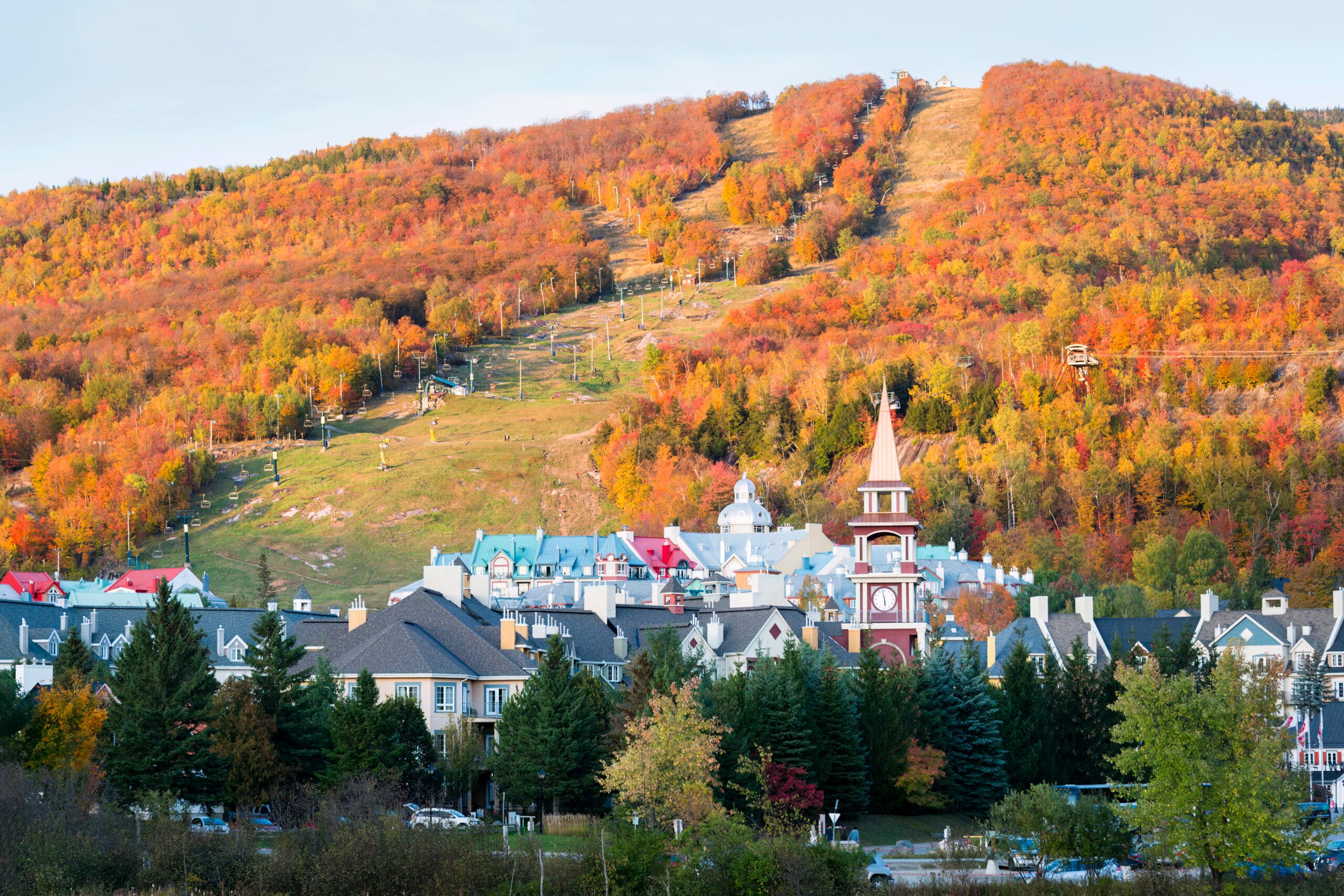
- Late September to October (Intensity and Specificity): Introduction of hill climbs, mountain biking, and trail running to build "ski-specific" leg strength and balance.
- November (Refinement and Neuromuscular Prep): Utilization of ski simulators or indoor slopes to fine-tune technique and "wake up" the muscle memory associated with edging and weight shifting.
Strategic Outdoor Modalities for Alpine Readiness
To achieve peak condition, experts recommend a diversified approach to fall fitness that mirrors the environmental challenges of the mountains.
Vertical Ascent Training and Slope Hiking
For those residing in proximity to mountain resorts, hiking directly up ski trails offers a peerless form of conditioning. This activity provides a "humbling" cardiovascular challenge that simulates the high-altitude environment skiers will encounter in the winter. The primary benefit lies in the engagement of the posterior chain—the glutes, hamstrings, and calves—which are essential for maintaining a proper athletic stance on skis.
Furthermore, descending these slopes on foot provides eccentric loading, which strengthens the tendons and ligaments around the knee. For advanced athletes, the use of a weighted vest during these ascents can mimic the burden of an avalanche pack or heavy winter gear, increasing the metabolic demand of the workout.
Mountain Biking and Edge Control
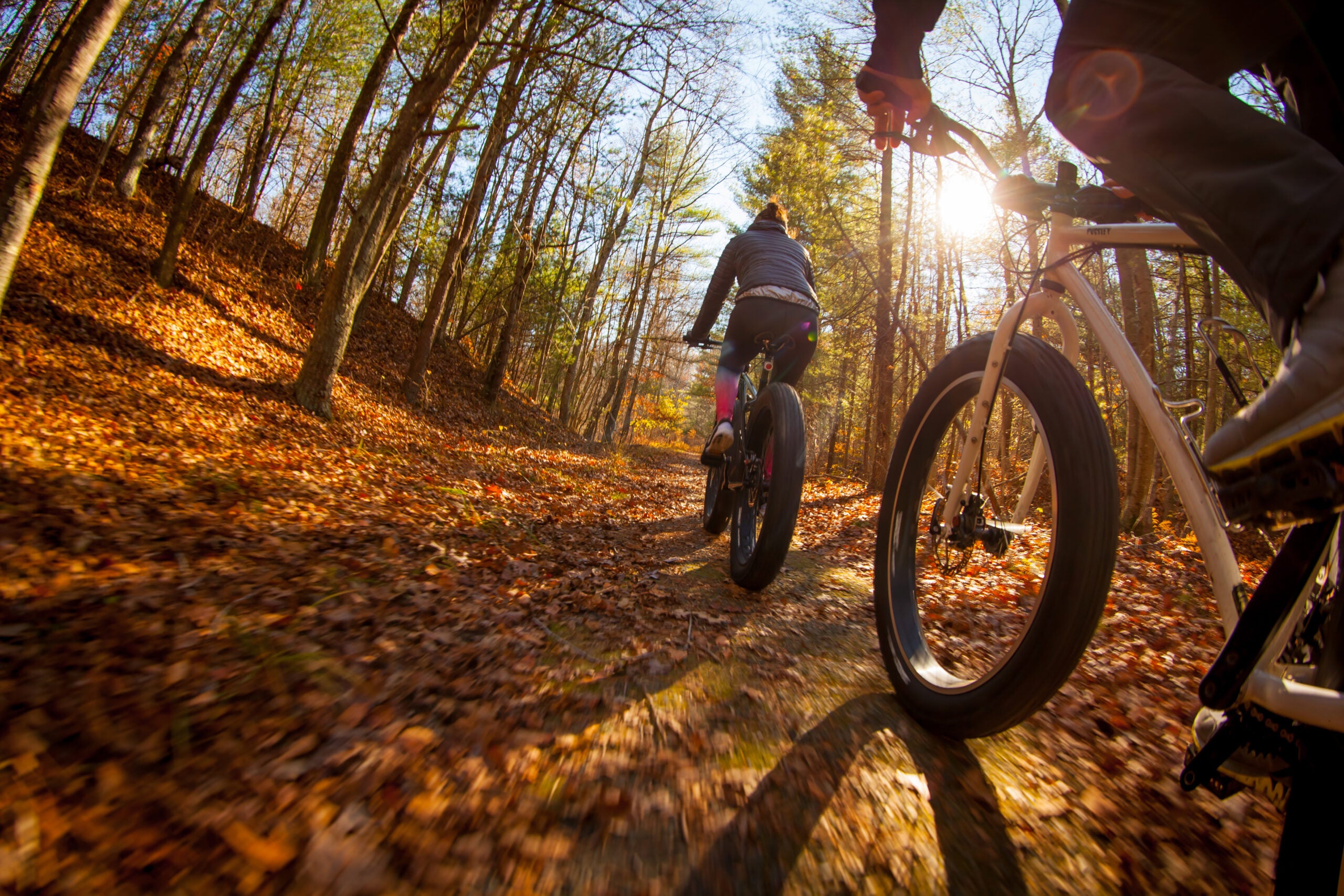
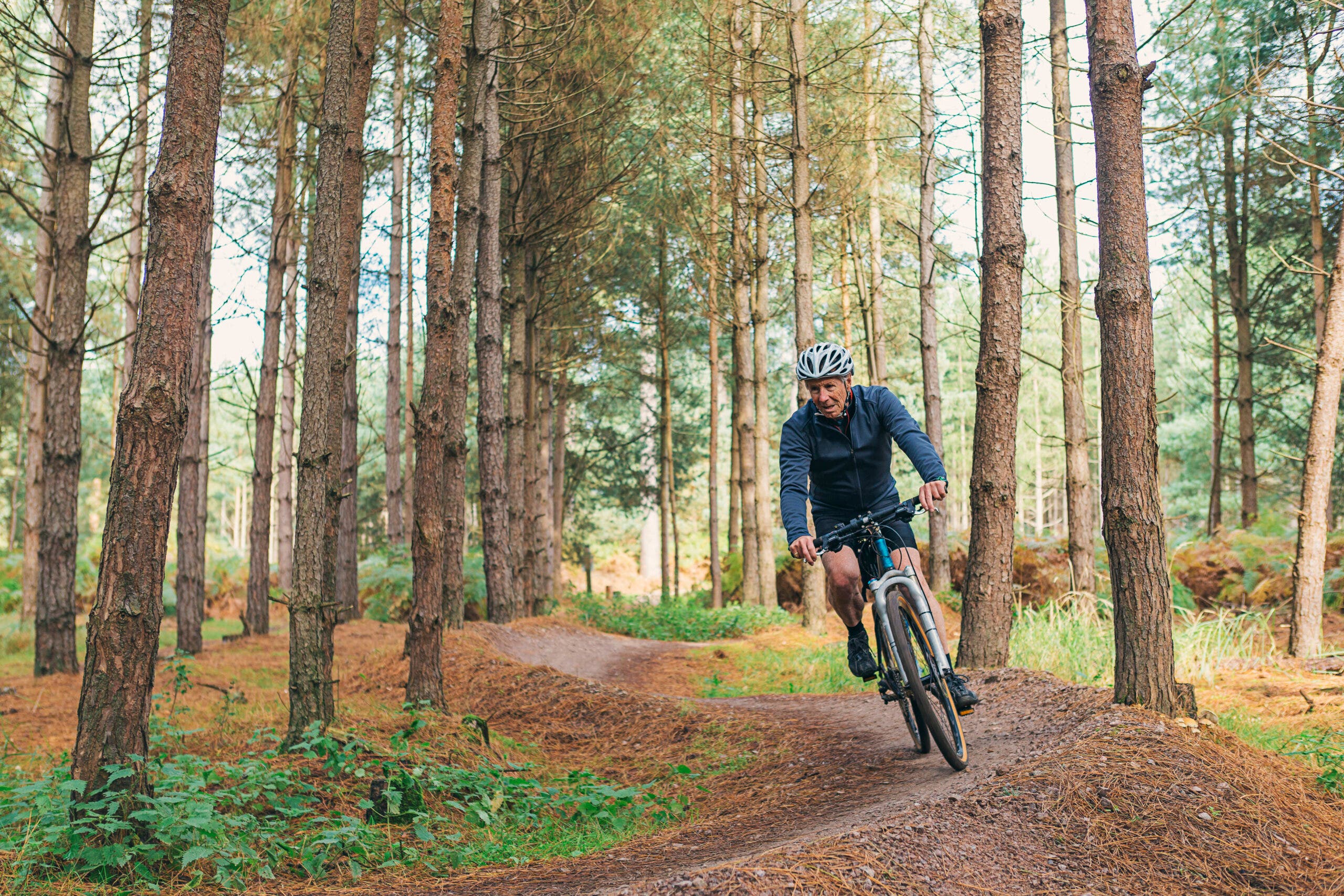
Mountain biking has emerged as the preferred off-season activity for professional and amateur skiers alike. The physical parallels between the two sports are extensive. Negotiating technical descents on a bicycle requires a "line choice" mentality identical to that used in mogul or glade skiing.
Physiologically, the act of cornering on loose dirt trains the body to maintain balance while applying pressure to an "edge." This translates directly to the lateral movements required for carving. Additionally, the high-intensity interval nature of climbing steep trails on a bike builds the "anaerobic engine" necessary for long, non-stop descents on the snow.
Via Ferrata and Core Integration
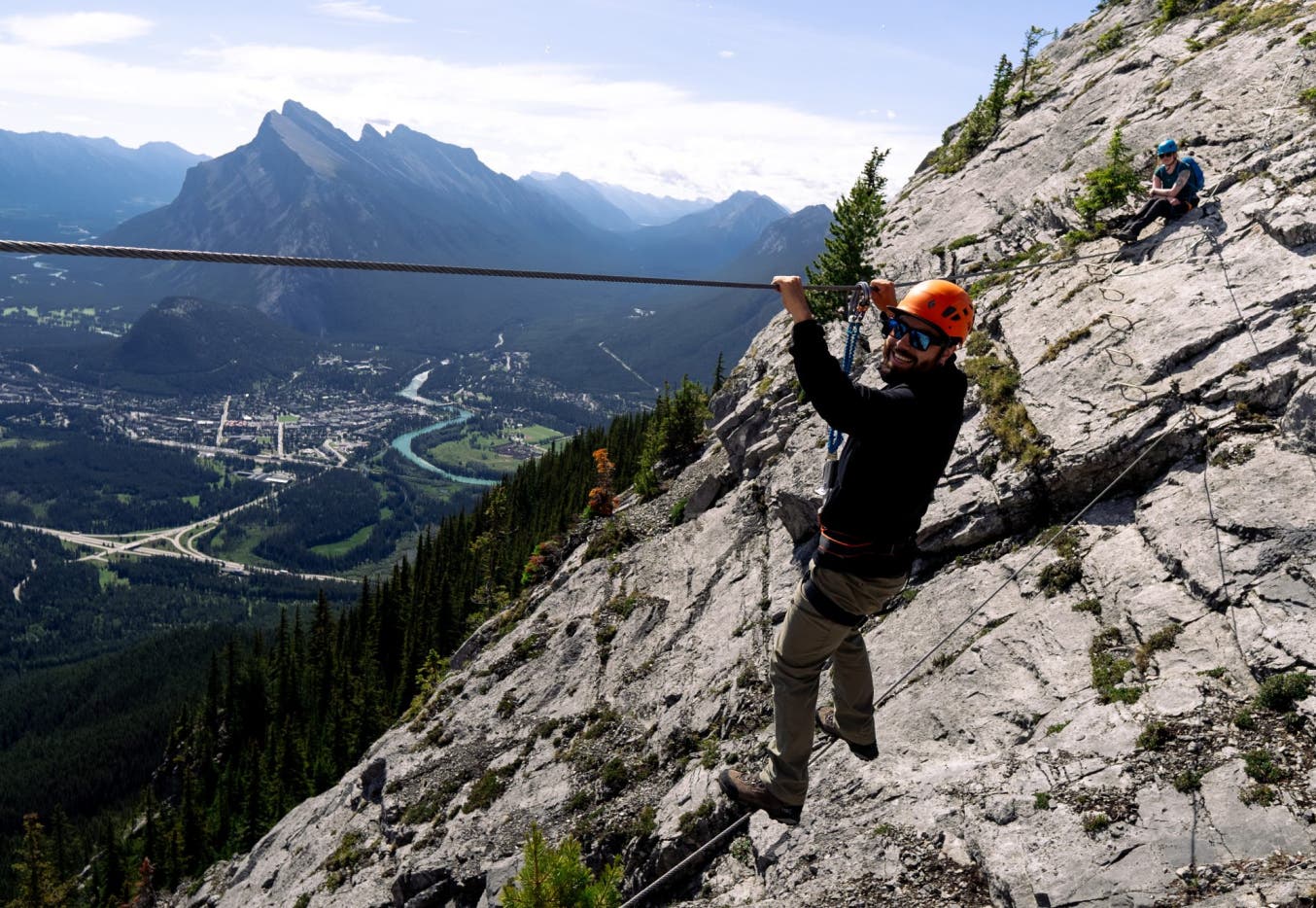
Originating in the Italian Dolomites, the "via ferrata"—a protected climbing route using steel cables and iron rungs—has seen a surge in popularity across North America. While often viewed as a recreational adventure, it serves as an exceptional tool for preseason endurance and mental focus.
The via ferrata requires sustained core engagement and upper-body grip strength, both of which are critical for skiers who frequently navigate steep, technical terrain. The mental discipline required to move across a vertical cliff face also prepares the athlete for the "high-stakes" focus required during high-speed alpine descents.
High-Altitude Trail Running
Trail running, particularly at elevation, forces the respiratory system to adapt to thinner air, increasing red blood cell count and improving oxygen efficiency. Unlike running on flat pavement, trail running involves constant lateral micro-adjustments to avoid rocks and roots. These movements strengthen the stabilizer muscles in the ankles and knees, providing a secondary layer of protection against sprains and ligamentous injuries.
The Role of Technology: Ski Simulators and Indoor Facilities
As the ski industry evolves, technology is playing an increasingly prominent role in preseason preparation, particularly for those living in urban environments far from the mountains. The rise of indoor ski centers and "infinite slopes" has revolutionized how athletes maintain their form year-round.
The Rise of Infinite Slope Technology
Companies like Bluerun have introduced revolving slopes that function similarly to a treadmill for skiers. These surfaces allow for high-repetition training in a controlled environment. Unlike a standard ski run where a skier might get ten minutes of downhill time for every thirty minutes of lift time, a revolving slope allows for continuous carving. This high volume of repetition is crucial for "greasing the groove" of proper technique, such as upper-lower body separation and hip angulation.
Comparative Analysis of Indoor Environments
While traditional indoor snow centers like "Big Snow" at the American Dream Mall provide real snow surfaces, they are often limited by the length of the run. In contrast, interactive ski simulators focus on the biomechanics of the turn. These machines allow skiers to practice edge transitions and weight distribution without the risk of a fall, making them an ideal rehabilitative or preparatory tool for the aging skier demographic.
Broader Implications: Longevity and the "Aging Athlete"
The trend toward rigorous preseason training reflects a broader shift in the demographics of the skiing community. As the "Baby Boomer" and "Generation X" cohorts continue to participate in high-impact sports into their 60s and 70s, the focus of the industry has moved toward longevity. Maintaining a high level of fitness in the 40s is now seen as the prerequisite for remaining active in the sport for several more decades.
The economic implications are also significant. Ski injuries represent a substantial cost to the healthcare system and lead to lost revenue for mountain resorts. By promoting "neuromuscular readiness" through fall fitness, the industry can ensure a more resilient and consistent customer base.
Conclusion: The Reward of Proactive Training
The consensus among sports scientists and veteran skiers is clear: the quality of a winter season is determined by the work put in during the autumn. Whether through the rugged challenge of mountain hiking, the technical demands of mountain biking, or the precision of indoor simulators, fall endurance workouts provide the "physical insurance" necessary for a successful season.
By prioritizing cardiovascular health, muscle strength, and balance before the first snowflake falls, skiers can move beyond mere survival on the slopes. Instead, they can achieve a state of "peak performance" that allows them to tackle challenging terrain with confidence, efficiency, and, most importantly, a significantly reduced risk of injury. The transition from autumn to winter should not be a shock to the system, but rather the culmination of a deliberate and disciplined preparatory journey.

