
Montana – Glacier National Park is implementing a significant shift in its visitor access strategy for the iconic Going-to-the-Sun Road and other popular areas for the 2026 season. After several years of utilizing a vehicle reservation system to manage surging crowds, the National Park Service (NPS) will eliminate reservation requirements for the main road and the Many Glacier, Two Medicine, and North Fork regions. Instead, the park will introduce a new approach centered on ticketed parking at the highly trafficked Logan Pass and will continue to offer and expand its robust shuttle service. This strategic pivot aims to address persistent congestion issues, particularly at Logan Pass, while providing visitors with a more streamlined and accessible experience.
A New Era of Access: Shifting from Reservations to Targeted Management
The decision to move away from the full vehicle reservation system, which was piloted from 2021 through 2025, marks a notable evolution in Glacier National Park’s approach to managing visitor impact. The NPS acknowledged that while the previous system helped mitigate overall traffic flow on the Going-to-the-Sun Road and its adjacent valleys, it did not fully resolve the intense congestion experienced at Logan Pass. This high-elevation area, serving as the gateway to popular trailheads like the Hidden Lake Overlook and the Highline Trail, frequently sees its parking lot fill to capacity before dawn, leaving many visitors unable to access its prime attractions.
The new strategy for 2026 focuses on managing capacity at the most sought-after location: Logan Pass. By implementing a ticketed parking system, the park aims to provide a more predictable and equitable access experience for those who wish to drive and park directly at the summit. This system, coupled with an enhanced and affordable shuttle service, is designed to offer diverse options for visitors to explore the park’s unparalleled scenery.
Logan Pass: The Core of the New Strategy with Ticketed Parking
Beginning July 1, 2026, and continuing through September 7, 2026 (Labor Day), drivers intending to park at Logan Pass will be required to obtain a ticket. This ticket, once acquired, must be prominently displayed on the vehicle’s dashboard. A key feature of this new system is a time-limited parking window. Visitors will have a three-hour window from the time of ticket acquisition to explore the Logan Pass area. This duration is intended to be sufficient for most visitors to experience the Visitor Center, embark on short hikes, or participate in ranger-led programs. The NPS is also considering extending this ticketed parking system to encompass the fall operational period, though a final decision is pending. Importantly, the enforcement of this system will be continuous, operating 24 hours a day, seven days a week, to ensure compliance throughout the designated period.
The NPS stated in a recent announcement that the previous vehicle reservation system, while beneficial in reducing overall congestion, had inherent limitations. "While vehicle reservations helped manage congestion along Going-to-the-Sun Road and outlying valleys, congestion at Logan Pass remained an ongoing challenge," the park service explained. "Due to the popularity of Logan Pass and the hikes that begin there, the parking lot often fills before dawn and remains mostly full all day, leaving few opportunities to park and visit." This direct quote from the park service underscores the critical need for a more targeted solution at Logan Pass, which the ticketed parking system aims to address.
Enhanced Shuttle Service: An Eco-Friendly and Convenient Alternative
Recognizing that the three-hour parking limit at Logan Pass may not accommodate all visitor plans, particularly those embarking on longer backcountry hikes or seeking a more relaxed exploration, Glacier National Park is heavily promoting its shuttle service. This service is presented as an ideal option for those who prefer to avoid the challenges of navigating narrow, winding roads, wish to reduce their environmental footprint, or simply want a hassle-free way to access key park areas.
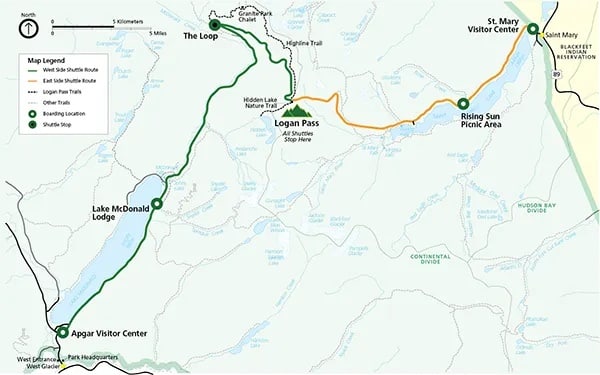
For the 2026 season, the Logan Pass shuttle service will continue to operate with expanded routes and increased frequency. Shuttles will depart from several strategic locations, including the Apgar Visitor Center, Lake McDonald Lodge, St. Mary Visitor Center, and the Rising Sun Picnic Area. These departure points are situated to provide convenient access for visitors arriving from various directions and accommodations. The shuttles will run throughout the day, with return trips scheduled for the afternoon and early evening, allowing ample time for exploration.
A nominal fee of $1 per ride will be charged for the shuttle service, a price point designed to be accessible to all visitors. Tickets can be purchased in advance through the federal government’s recreation reservation portal, Recreation.gov, at https://www.recreation.gov/ticket/facility/10087424. The shuttle operation will coincide with the Logan Pass ticketed parking system, running from July 1 to September 7. This fee structure not only contributes to the operational costs of the shuttle system but also serves as a small deterrent against frivolous short-distance rides, encouraging its use for longer journeys.
A Look Back: The Evolution of Glacier’s Access Management
The implementation of the 2026 access plan is the culmination of a multi-year effort by the National Park Service to balance visitor access with resource protection and the preservation of a quality visitor experience in Glacier National Park.
2019 and Prior: Prior to 2020, Glacier National Park experienced significant traffic congestion, particularly along the Going-to-the-Sun Road. The park’s popularity, driven by its stunning natural beauty and iconic status, led to record visitation numbers, overwhelming existing infrastructure and creating frustrating delays for visitors. The lack of managed entry meant that roads and parking areas could become completely saturated, especially during peak season.
2020: The COVID-19 pandemic introduced unprecedented challenges and opportunities for park management. In response to public health concerns and the need for social distancing, Glacier National Park implemented a temporary vehicle reservation system for the Going-to-the-Sun Road. This was one of the first instances of such a system being deployed in a national park to manage crowds during the pandemic.
2021-2025: Building on the experience of 2020, the NPS formalized and expanded the vehicle reservation system for the Going-to-the-Sun Road corridor and other popular areas like Many Glacier and Two Medicine. This system required visitors to obtain a timed entry reservation online in advance of their visit. The primary goal was to distribute visitation throughout the day and across different areas of the park, thereby reducing bottlenecks and improving the overall visitor experience. While effective in managing overall traffic, the NPS noted persistent issues at Logan Pass, which remained a bottleneck due to its inherent popularity and limited parking capacity. Data from these years indicated that while the system prevented overwhelming numbers on the main road, the concentration of visitors at Logan Pass continued to be a significant management challenge.
2026: The current announcement represents a strategic refinement of the park’s approach. By removing the broad reservation requirement and implementing targeted management at Logan Pass, the NPS seeks to strike a new balance. The focus shifts from controlling entry to the entire road to managing the finite parking resources at its most popular destination, while simultaneously providing a robust and affordable alternative through the shuttle system.
Broader Implications and Visitor Experience Analysis
The shift in strategy for Glacier National Park has several potential implications for visitor experience and park management.
-
Increased Accessibility for Day-Trippers: By removing the reservation requirement for the Going-to-the-Sun Road itself, the park may see an increase in visitors who wish to drive the road for shorter periods or access trailheads without the need for advance planning. This could lead to a more spontaneous and flexible visitor experience for some.
-
Targeted Management of Peak Demand: The ticketed parking at Logan Pass represents a focused attempt to manage the most acute congestion point. By limiting parking duration, the park aims to increase the turnover of parking spots, theoretically allowing more visitors to access the area throughout the day. However, the success of this system will depend on the efficiency of its implementation, enforcement, and the accuracy of the three-hour time limit in meeting visitor needs.
-
Enhanced Role of Public Transportation: The emphasis on the shuttle service signifies a growing recognition of the importance of public transportation in national parks. A $1 shuttle fare is highly attractive and can significantly reduce the number of vehicles on park roads, leading to decreased emissions, less wear and tear on infrastructure, and a more peaceful visitor experience. The success of this shuttle system will rely on its reliability, frequency, and convenience for a wide range of visitors.
-
Potential for New Congestion Points: While Logan Pass is being directly managed, there is a possibility that removing reservations for the broader road could lead to increased traffic and parking demand at other popular pull-offs or trailheads along the Going-to-the-Sun Road. The park will need to closely monitor these areas for any emerging congestion issues.
-
Data-Driven Adaptability: The NPS’s iterative approach, moving from a broad reservation system to a more targeted strategy, demonstrates a commitment to adapting management techniques based on real-world data and visitor feedback. The park service has indicated that the success of the 2026 season will inform future management decisions, suggesting a continued evolution of the access strategy.
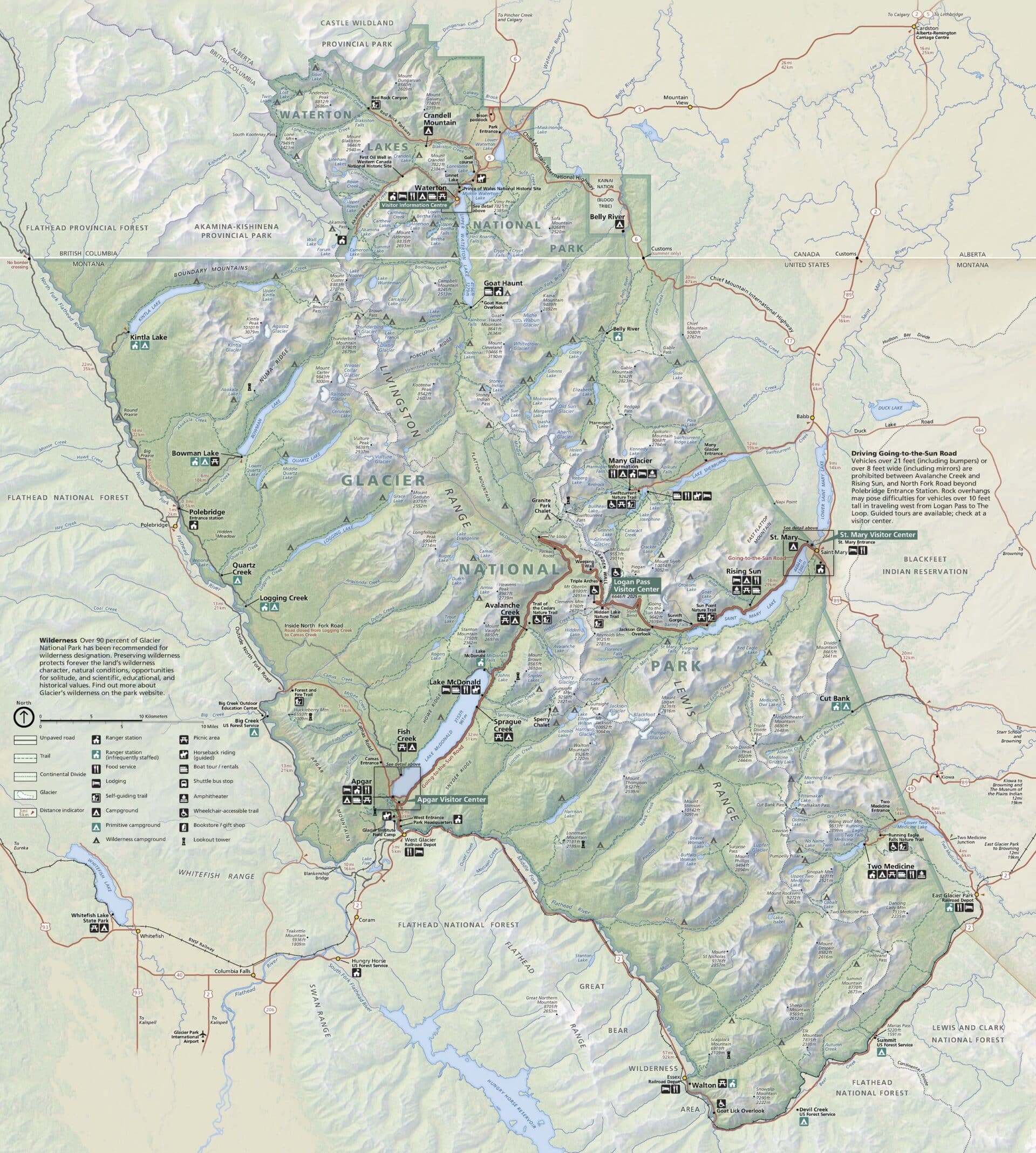
The typical operational window for the Going-to-the-Sun Road, weather permitting, extends from the latter half of June through approximately the third Monday of October. This extended season offers a significant period for visitors to experience the park, and the new access management plan will be in effect throughout the peak summer months.
The National Park Service is committed to providing information and resources to help visitors plan their trips effectively. The park’s official website, along with its social media channels, will offer regular updates on operational status, shuttle schedules, and any adjustments to the access management plan. Visitors are strongly encouraged to consult these resources before their trip to ensure a smooth and enjoyable experience in one of America’s most cherished natural landscapes. The 2026 season promises to be a dynamic period for Glacier National Park, as it navigates a new chapter in its ongoing mission to preserve its natural wonders while welcoming millions of visitors.
Image Credits: Brett Meliti (Unsplash), Living in Montana (YouTube), Glacier National Park (NPS).

