
Just months after achieving a spectacular gold medal and five other podium finishes at the Junior World Championships, French biathlon sensation Amandine Mengin found her promising career abruptly derailed by a sudden and significant physical transformation. What was poised to be her breakthrough season into the senior ranks was instead consumed by an unexpected and arduous battle with her own body, a fight that tested her resolve and forced a profound reevaluation of her athletic journey. The transition from junior prodigy to World Cup competitor, a dream realized in Holmenkollen, was swiftly overshadowed by a health crisis that would redefine her definition of success.
The Unforeseen Turn: From Triumph to Trepidation
The winter of 2025 had been a period of unprecedented triumph for Amandine Mengin. Her performance at the Junior World Championships was nothing short of dominant, securing a gold medal and an additional five medals from a possible six. This stellar showing earned her a coveted debut in the senior World Cup circuit, an opportunity that culminated in her participation in the final event of the season at the iconic Holmenkollen ski stadium. The future seemed blindingly bright, a trajectory set for continued ascent in the demanding world of biathlon.
However, merely two months after this peak of athletic achievement, Mengin’s life took a dramatic and unwelcome turn. The physical prowess that had propelled her to international acclaim began to falter in ways she could not initially comprehend. A rapid and substantial weight gain, amounting to nine kilograms, became the most visible symptom of an underlying issue. This physical alteration had a direct and debilitating impact on her training regimen. What was once a fluid and powerful execution of her skiing and shooting became an arduous struggle. Every training session felt weighted down, her body sluggish and unresponsive. The fatigue was not merely a passing sensation; it was a pervasive exhaustion that permeated her days, making even the most basic physical exertion feel monumental.
Diagnosis: A Life-Altering Revelation
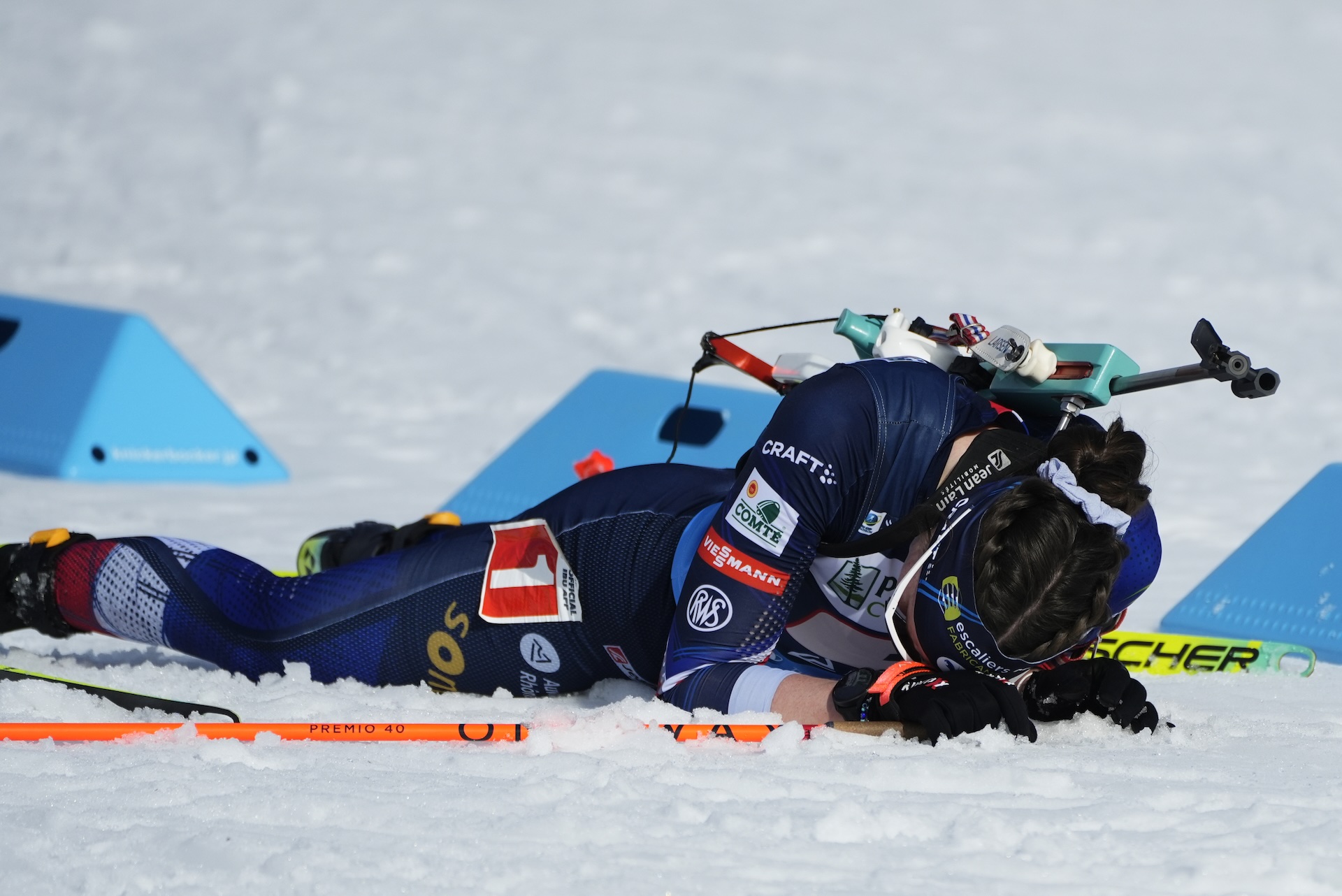
The persistent symptoms, including the significant weight gain and overwhelming fatigue, prompted a medical investigation. In May 2025, Amandine Mengin received a diagnosis that would fundamentally alter her perspective on her health and her athletic future: Hashimoto’s thyroiditis. This autoimmune condition, characterized by the body’s immune system mistakenly attacking the thyroid gland, leads to chronic inflammation and often hypothyroidism. There is currently no known cure for Hashimoto’s, meaning it is a lifelong condition that requires ongoing management.
Speaking candidly to Nordic Mag, the then 21-year-old athlete described the gravity of the news. "It was not very good news, because this illness comes with all sorts of problems: weight gain, hormonal changes, extreme fatigue, pain, and injuries that are persistent and difficult to get rid of. And it’s something I have to live with for the rest of my life," she explained. Her raw honesty underscored the emotional toll of the diagnosis. "To be honest, it was absolutely awful." The realization that this condition would be a permanent fixture in her life, impacting her athletic pursuits and daily well-being, was a deeply unsettling prospect.
The Emotional Crucible: Panic, Doubt, and Resilience
The year following her diagnosis was an emotional and psychological crucible for Mengin. The uncertainty surrounding her condition and its unpredictable nature fueled a constant undercurrent of fear and anxiety. The confidence that had been a cornerstone of her success on the biathlon circuit began to erode. "I lost all my self-confidence and doubted myself all the time," she admitted. The frustration of not being able to perform at her accustomed level, coupled with the physical limitations imposed by Hashimoto’s, led to significant mental distress. She grappled with the question of whether she would ever regain her former capabilities, a question that weighed heavily on her spirit.
Adapting her training became a daily challenge. There were days, and even weeks, where her body simply refused to cooperate, where the overwhelming fatigue made her desired training intensity impossible. Finding the correct dosage of medication was a meticulous and often trying process, a delicate balancing act to manage her thyroid hormone levels effectively. Each adjustment was a step into the unknown, with the hope of finding relief but also the risk of unintended side effects.
Throughout this arduous period, Mengin found solace and strength in the unwavering support of those around her. She expressed profound gratitude towards her coaches, medical team, and family. "When I panicked, there was always someone there for me. Everyone, especially my doctors and my family, has been so kind to me," she stated. This network of support proved invaluable in navigating the emotional turbulence, providing a sense of stability and encouragement when her own self-belief wavered.
A Grueling Start to the Season: Facing Setbacks
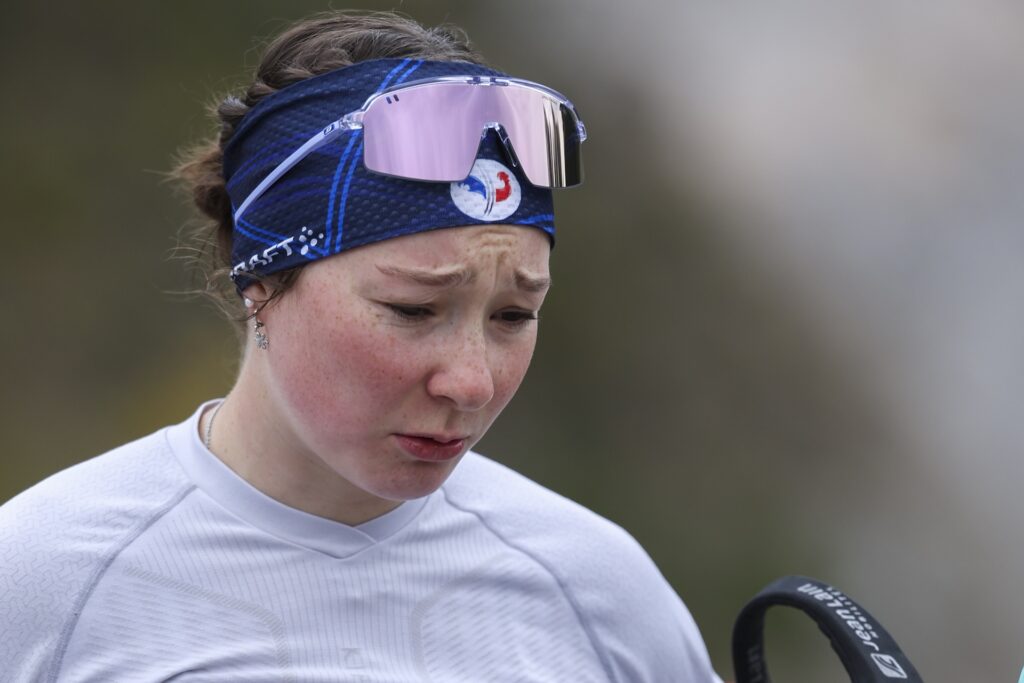
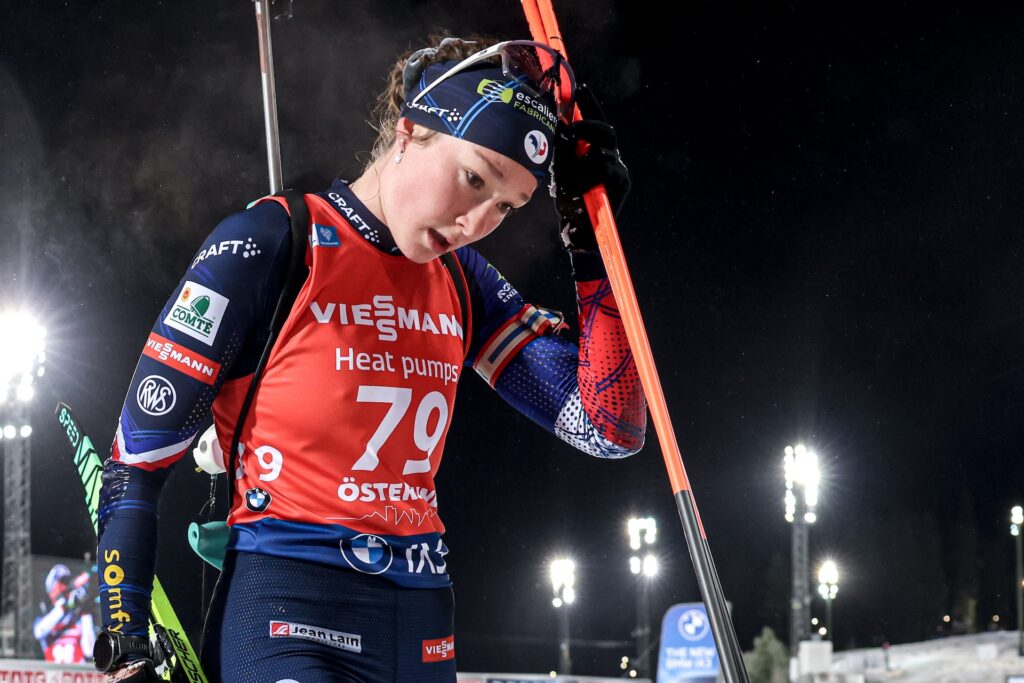
The commencement of the 2025-2026 biathlon season presented a stark contrast to the triumphant trajectory of the previous year. Despite a promising final training camp in the autumn, the World Cup opening in Östersund proved to be a brutal awakening. Mengin found herself far down the rankings, a stark indicator of the challenges she was facing. The difficult performances led to her reassignment to the IBU Cup, the second-tier competition circuit. However, even at this level, the struggles persisted, underscoring the profound impact of her condition on her athletic output.
"Östersund was a real cold shower. And it continued on the IBU Cup in Ridnaun-Val Ridanna and Lenzerheide. It was the last straw, and it hurt," she reflected, describing the deep disappointment of these early season results. The physical and mental toll of these setbacks was immense, threatening to extinguish the flickering embers of her competitive spirit.
The Turnaround: A Remarkable Resurgence
However, as Mengin and her medical team began to fine-tune her treatment and medication, a gradual but significant shift occurred. The arduous process of managing Hashimoto’s began to yield positive results, and with them, a resurgence in her biathlon performances. The latter half of the season witnessed a remarkable turnaround. By the end of the IBU Cup season, she had achieved a significant milestone: winning the overall mass start cup. This remarkable feat was complemented by an additional victory and several podium finishes in individual IBU Cup races. Her success extended to the European Championships (EM), where she stood on the podium three times, and she secured two top-30 finishes in World Cup events.
Looking back at the totality of her season, Mengin expressed a sense of disbelief and profound satisfaction. "It’s almost too good to be true, and when you look at the overall picture, I never would have thought I would have such a good season," she admitted. This comeback, against considerable odds, demonstrated not only her athletic prowess but also her extraordinary mental fortitude and her ability to adapt and persevere in the face of significant adversity.
Dietary Adjustments: A New Approach to Nutrition
Integral to her treatment and recovery plan, Mengin has had to make significant adjustments to her lifestyle and dietary habits. The goal has been to reduce inflammation within her body, a crucial aspect of managing Hashimoto’s thyroiditis. This has involved a rigorous reevaluation of her food intake, particularly during the competitive season. A notable change has been the elimination of gluten from her diet.
This dietary shift presented its own set of challenges, especially when traveling. "It was definitely not easy. It was simply a nightmare, especially when we were in the USA. There was almost nothing I could eat," she recounted, highlighting the difficulties of adhering to strict dietary protocols in diverse culinary environments. The process of identifying safe and suitable food options has become an ongoing task, requiring careful planning and constant vigilance.
Gratitude and a Hopeful Future
Mengin also expressed relief that her condition was diagnosed relatively early. "We discovered it early, and I had barely noticed that I had gained nine kilograms. Most of it was fluid. I’m glad I got the diagnosis before I started to overthink it too much. It’s easier to accept when you know something is wrong." This early detection allowed for prompt intervention and a more proactive approach to managing her health.
As she looks towards the upcoming season, Amandine Mengin is a member of the French B-team. Her primary focus is on preparing herself comprehensively, both mentally and physically, to meet the demands of elite biathlon. The lessons learned from her battle with Hashimoto’s have undoubtedly forged a deeper resilience and a more profound appreciation for her athletic career. Her journey serves as a powerful testament to the human capacity to overcome obstacles, adapt to unforeseen challenges, and ultimately, to find strength and success even in the face of chronic illness. Her story is not just one of athletic recovery, but a broader narrative of navigating life’s unexpected turns with courage and determination.

