
The pursuit of high-performance mountain sports often entails a hidden physiological cost that manifests as chronic pain, structural imbalances, and long-term joint degradation. In the world of alpine skiing, where participants frequently experience extreme G-forces and erratic terrain, the physical toll is often accepted as an inevitable byproduct of the sport. However, emerging data and case studies within the sports medicine community suggest that the "reaction" to years of high-impact activity—often characterized by debilitating lower back pain and joint inflammation—can be mitigated, and in some cases reversed, through the strategic application of resistance training. A decade-long longitudinal perspective on injury and recovery highlights a shift in athletic conditioning from passive mobility exercises to high-volume, functional weightlifting as a primary tool for career longevity.
The Physiological Cost of High-Impact Alpine Recreation
For many dedicated skiers, the accumulation of "days on hill" serves as a badge of honor, yet it often correlates with a parallel timeline of physiological decline. Statistical data from sports traumatology indicates that for every 1,000 hours of skiing, there is a significant risk of both acute injury and repetitive strain. While acute injuries, such as the common Anterior Cruciate Ligament (ACL) tear or upper-limb fractures, receive immediate clinical attention, it is the "chronic creep" of musculoskeletal imbalances that poses the greatest threat to an athlete’s long-term mobility.
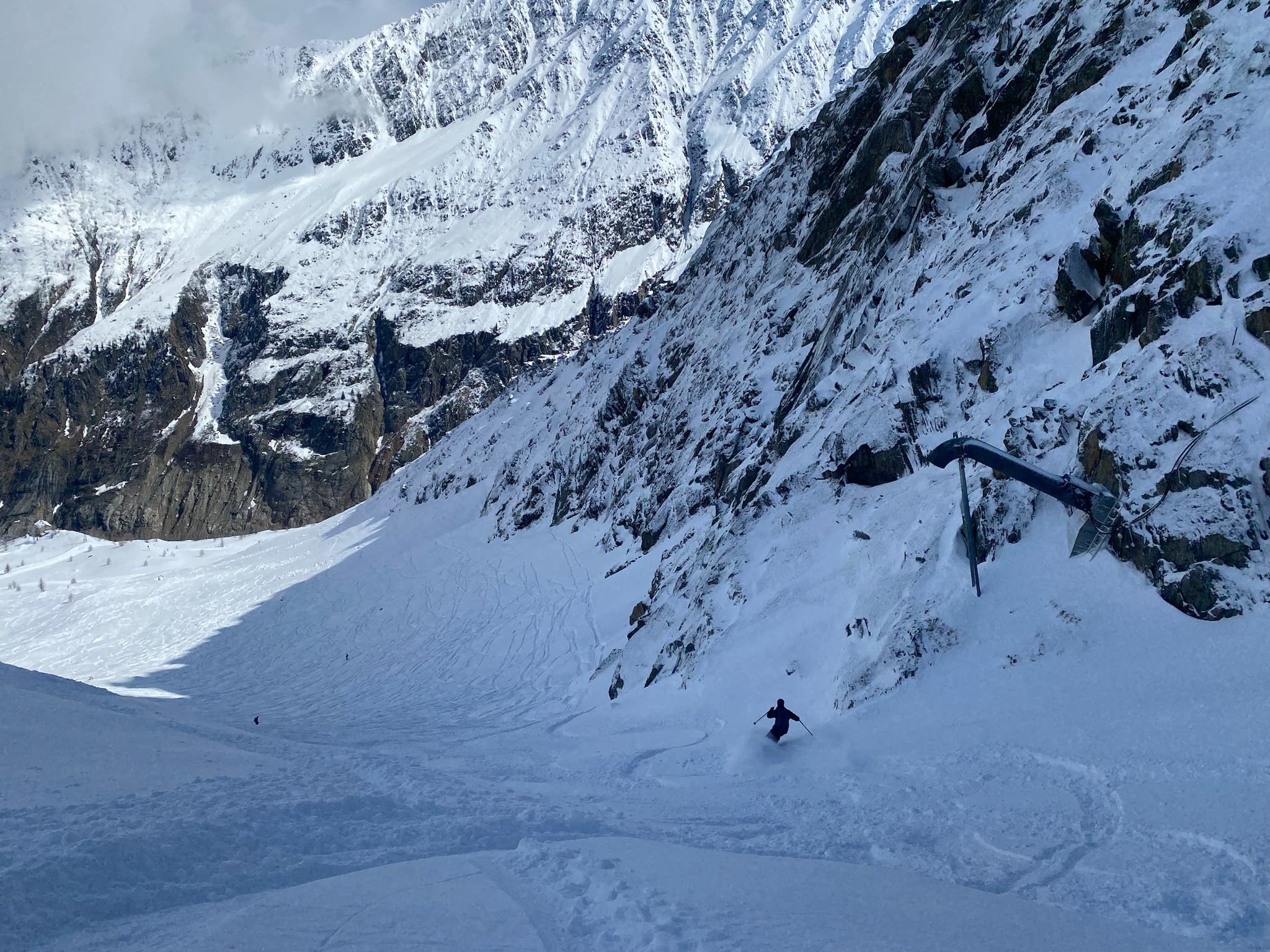
In a representative case study of a 33-year-old male skier with over 1,000 days of experience, the physiological "reaction" to a decade of skiing included chronic elbow pain stemming from a 2017 fracture-dislocation, hip soreness during rhythmic movements, and persistent lower back pain. This trajectory is common among "weekend warriors" and professional athletes alike, where the excitement of the sport masks the gradual weakening of stabilizing muscle groups. By the age of 32, many such individuals face a critical juncture where the cumulative stress on the spinal column and joints threatens to end their participation in mountain sports entirely.
A Chronology of Injury and the Failure of Passive Recovery
The timeline of chronic pain management often follows a predictable pattern of trial and error. Between 2015 and 2024, the subject of this study engaged in various non-weight-bearing recovery modalities. These included:
- Mobility and Flexibility Focus: Regular yoga, static stretching, and foam rolling were utilized to address stiffness.
- Dietary Adjustments: A transition to a vegetarian diet and a focus on maintaining a lean physique to reduce the load on joints.
- Core Stability Exercises: Implementation of body-weight movements such as planks, sit-ups, and "bicycles."
- Environmental Adjustments: The use of firm mattresses, standing desk modifications, and frequent hydrotherapy (hot tubs) or massage therapy.
Despite these efforts, the underlying issues remained unaddressed. Clinical observations suggest that while stretching and yoga improve flexibility, they do not necessarily correct the muscle imbalances inherent in sports that require explosive power and stabilization. For the subject, this culminated in 2024 with a series of acute lower back spasms—involuntary muscle contractions designed by the body to prevent further spinal injury—that resulted in total temporary incapacitation. This "crisis point" serves as a frequent catalyst for athletes to move beyond management and toward structural rebuilding.
The Biomechanics of Muscle Imbalance: The "Gluteal Sidekick" Theory
Expert analysis from the fitness and sports science sector identifies muscle imbalance as the primary driver of chronic "achiness" in skiers. Franco Morris, Head of Program Delivery at a prominent athletic facility in Sydney, Australia, notes that human evolution has not kept pace with the demands of modern high-impact sports or the sedentary lifestyles that often bracket them.
"We’re not evolved for what we do, whether that’s skiing, skateboarding, or, as is more often the case, sitting," Morris states. This evolutionary gap is particularly pronounced in individuals with specific morphological traits, such as broad shoulders paired with a narrow waist and hips. In such frames, the upper body acts as a heavy apparatus constantly swinging during downhill movement. If the "posterior chain"—specifically the gluteal muscles—is not sufficiently developed to anchor this movement, the lower back (erector spinae) must compensate.
Over time, this compensation leads to muscle fatigue and eventual failure. As athletes age, muscle tissue becomes less malleable and slower to recover, making the structural support provided by a strong posterior chain even more critical. The transition from youth to the third decade of life often marks the period when "Father Time lays down the law," and the body can no longer rely on youthful resilience to mask mechanical inefficiencies.
The Weight Training Intervention: A Paradigm Shift in Conditioning
In late 2024, the subject shifted from passive recovery to a structured resistance training regimen. Within twelve months, the reported results included entire days of zero pain—a state not experienced in the previous decade. This transformation was achieved through a focus on three core principles: professional supervision, posterior chain engagement, and volume over maximum weight.
1. The Role of Professional Coaching
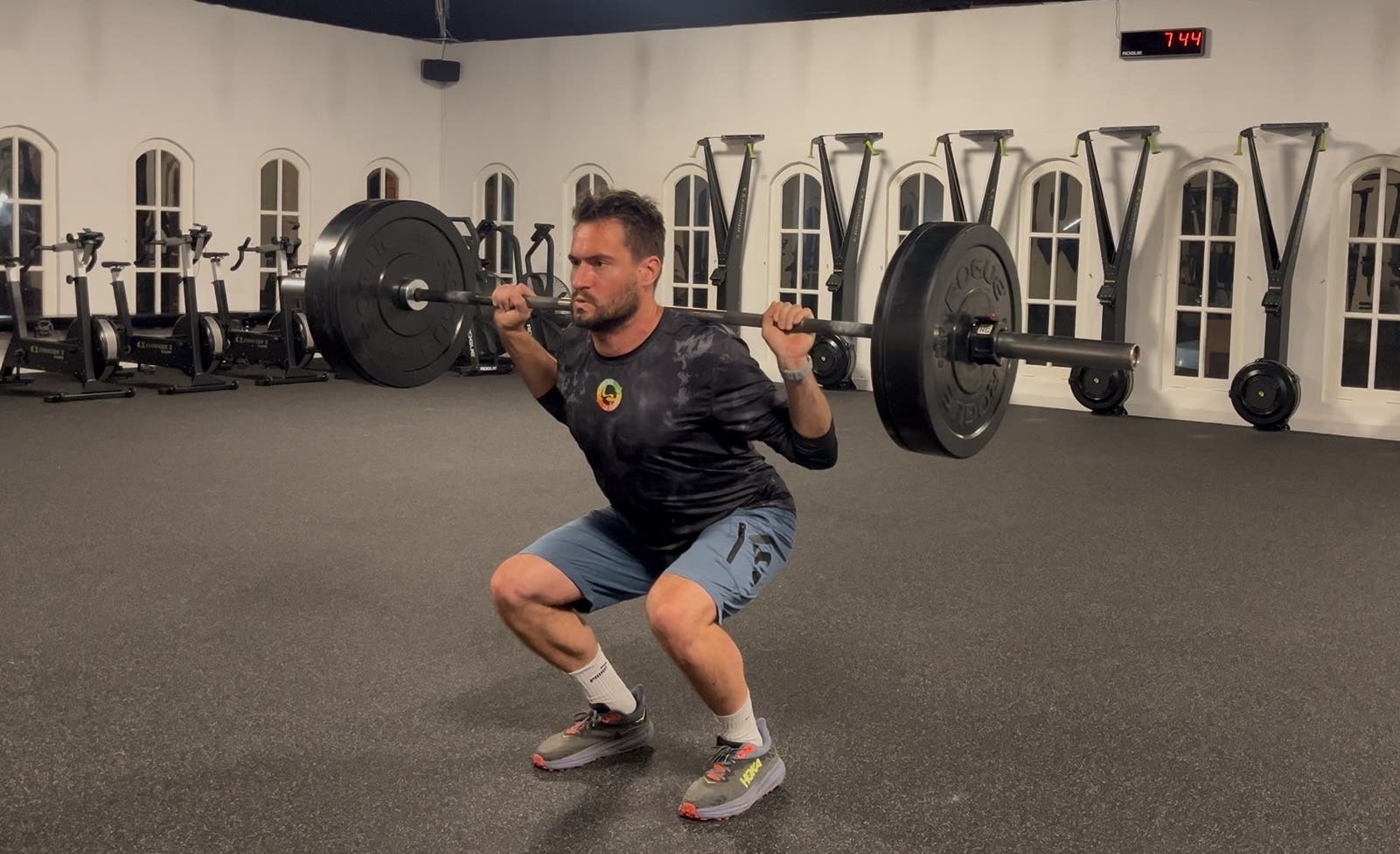
The complexity of weightlifting movements, such as the deadlift or the back squat, requires precise form to avoid exacerbating existing injuries. Engaging with qualified trainers allows athletes to identify specific weaknesses and ensure that the "metamorphosis" of muscle building does not result in new trauma. Group training environments have also emerged as a cost-effective way for athletes to access high-level coaching while maintaining the motivation of a community.
2. Targeting the Posterior Chain
The posterior chain consists of the hamstrings, glutes, lower back, calves, and upper back. For skiers, this group of muscles is the engine of power and the shield for the spine. Key movements identified for rehabilitating the skier’s frame include:
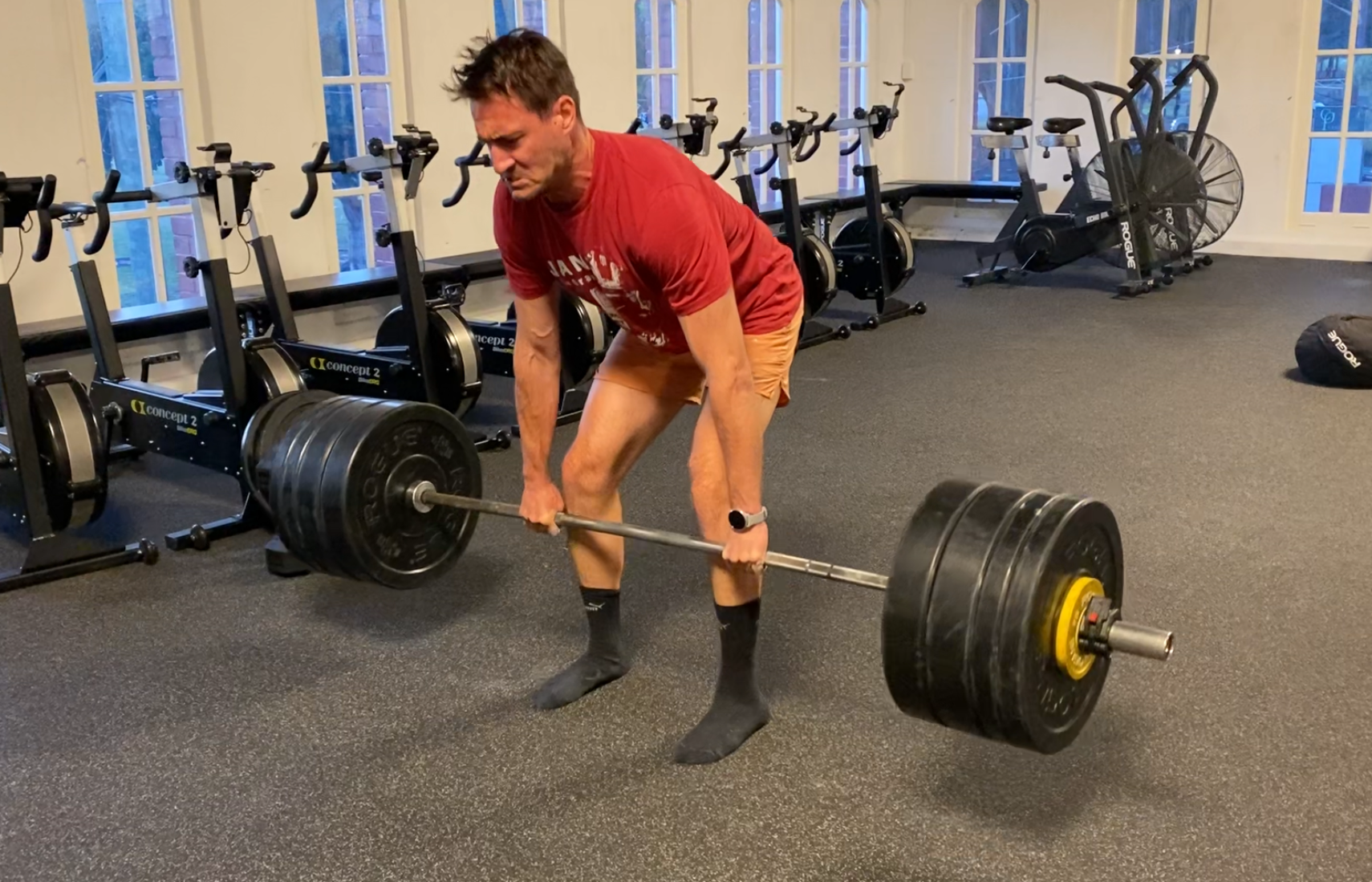
- The Deadlift: Directly engages the entire posterior chain by lifting a load from the ground to the hip.
- Kettlebell Swings: Utilizes explosive hip hinging to build power in the glutes.
- Barbell Hip Thrusts: Isolates the gluteal muscles to provide better pelvic stability.
- Barbell Step-Ups: Mimics the unilateral demands of skiing and builds stability in the knees and hips.
3. Volume and Endurance vs. Hypertrophy
For mountain athletes, the goal of weight training is rarely to gain excessive muscle mass (hypertrophy), which can be counterproductive in endurance-based mountain environments. Instead, the focus is on "volume"—performing higher repetitions (e.g., 10 reps at 60% of maximum weight) rather than low reps at maximum weight. This approach builds muscular endurance and bone density without adding the "glamour muscle" weight (biceps, chest) that can hinder agility on the slopes.
Supporting Data: The Science of Bone Density and Injury Prevention
The benefits of weight training for skiers extend beyond pain management into the realm of injury prevention. According to Wolff’s Law, bone in a healthy person or animal will adapt to the loads under which it is placed. By subjecting the skeletal system to the controlled stress of weightlifting, athletes increase their bone density.
Franco Morris emphasizes that building muscle provides "cushioning tissue" around bones, which acts as a shock absorber during the high-impact landings and vibrations inherent in skiing. Furthermore, strength training has been shown to increase the structural integrity of ligaments and tendons. A 2023 study on alpine athletes suggested that those who engaged in consistent lower-body resistance training had a 30% lower incidence of non-contact ACL injuries compared to those who focused solely on cardiovascular or flexibility training.
Broader Implications and Economic Impact
The shift toward proactive strength training has broader implications for the outdoor industry and public health. Chronic pain is a leading cause of lost productivity and a primary driver of the opioid crisis in various regions. In "ski towns" and mountain communities, the loss of professional work experience and the depletion of retirement savings due to physical inability to work represent a significant economic drain.
By extending the "athletic life" of individuals into their 40s, 50s, and beyond, targeted weight training contributes to a more sustainable recreation economy. The "miracle cure" of resistance training allows individuals to maintain their lifestyle, professional output, and mental well-being.
Conclusion: The Path to Longevity
As the subject of this case study enters 2026, the prognosis is optimistic. While minor aches and the "crackling" of joints in the morning remain a reality of an active life, the transition from chronic, debilitating pain to manageable, fleeting soreness represents a fundamental victory over the laws of physical attrition.
The consensus among sports medicine experts is clear: the human body is not naturally evolved for the rigors of modern alpine sports, but it is highly adaptable. Through the deliberate application of weight training, focus on the posterior chain, and a commitment to long-term conditioning, the "sky is the limit" for athletes seeking to counter the effects of aging and maintain their presence in the mountains for decades to come. The "equal and opposite reaction" to a life of skiing does not have to be a life of pain; rather, it can be a life of reinforced strength and structural resilience.

