
The culture of alpine skiing has long embraced a stoic acceptance of physical discomfort, particularly regarding the rigid constraints of the ski boot. For decades, enthusiasts have viewed the localized pressure and post-slope soreness of their feet as an unavoidable consequence of the sport—a "tax" paid for the thrill of the descent. However, as the 2025-2026 ski season progresses, medical professionals are increasingly vocal about the distinction between the expected snugness of performance gear and the pathological damage caused by ill-fitting equipment. Recent clinical observations suggest that the "no pain, no gain" mentality in skiing may be contributing to a rise in chronic, and sometimes irreversible, foot deformities among both recreational and professional skiers.
The anatomical conflict arises from the fundamental design of the modern alpine boot. Unlike traditional footwear that allows for the natural expansion and contraction of the foot during the gait cycle, a ski boot is designed to act as a rigid lever, transferring the skier’s weight and kinetic energy directly to the edges of the skis. While this rigidity is essential for control at high speeds, it places the foot in a high-pressure environment that can exacerbate underlying genetic predispositions or create new trauma-induced conditions.
The Clinical Reality of Performance Footwear
Dr. Nelya Lobkova, a prominent New York City-based podiatrist and an avid skier, notes that the most common issues reported by skiers are not merely temporary aches but the acceleration of structural deformities. Chief among these are bunions (hallux valgus) and Morton’s neuroma. A bunion is a bony bump that forms on the joint at the base of the big toe, often resulting from a genetic predisposition to certain foot structures. When a skier with this predisposition is placed in a boot with a narrow "last" (the width of the boot at the forefoot), the constant friction and lateral pressure can inflame the bursa, leading to chronic pain and the eventual permanent shifting of the toe bones.
Similarly, Morton’s neuroma—a thickening of the tissue around one of the nerves leading to the toes—is a frequent byproduct of the "tight-is-right" philosophy. "When the toebox in a boot is tight, friction can cause bunions, hammertoes, and neuromas to become painful," Dr. Lobkova explains. The compression of the metatarsal heads squeezes the plantar digital nerves, leading to sharp, electric-like pains or numbness. Paradoxically, boots that are too loose can be just as damaging. In an oversized boot, the foot lacks a stable anchor, causing it to slide forward during deceleration or when engaging the tips of the skis. This repetitive "jamming" of the toes against the front of the boot, known as "toe bang," can lead to subungual hematomas—bleeding under the nail bed—and permanent damage to the nail matrix.
Statistical Context and Industry Trends
The concern over foot health in skiing comes at a time when the snowsports industry is seeing record participation. According to data from the National Ski Areas Association (NSAA), the 2023-2024 and 2024-2025 seasons saw a surge in "lapsed skiers" returning to the sport, alongside a growth in new participants. This influx has placed a strain on rental fleets and retail inventory, often leading to consumers settling for boots that do not accurately match their foot morphology.
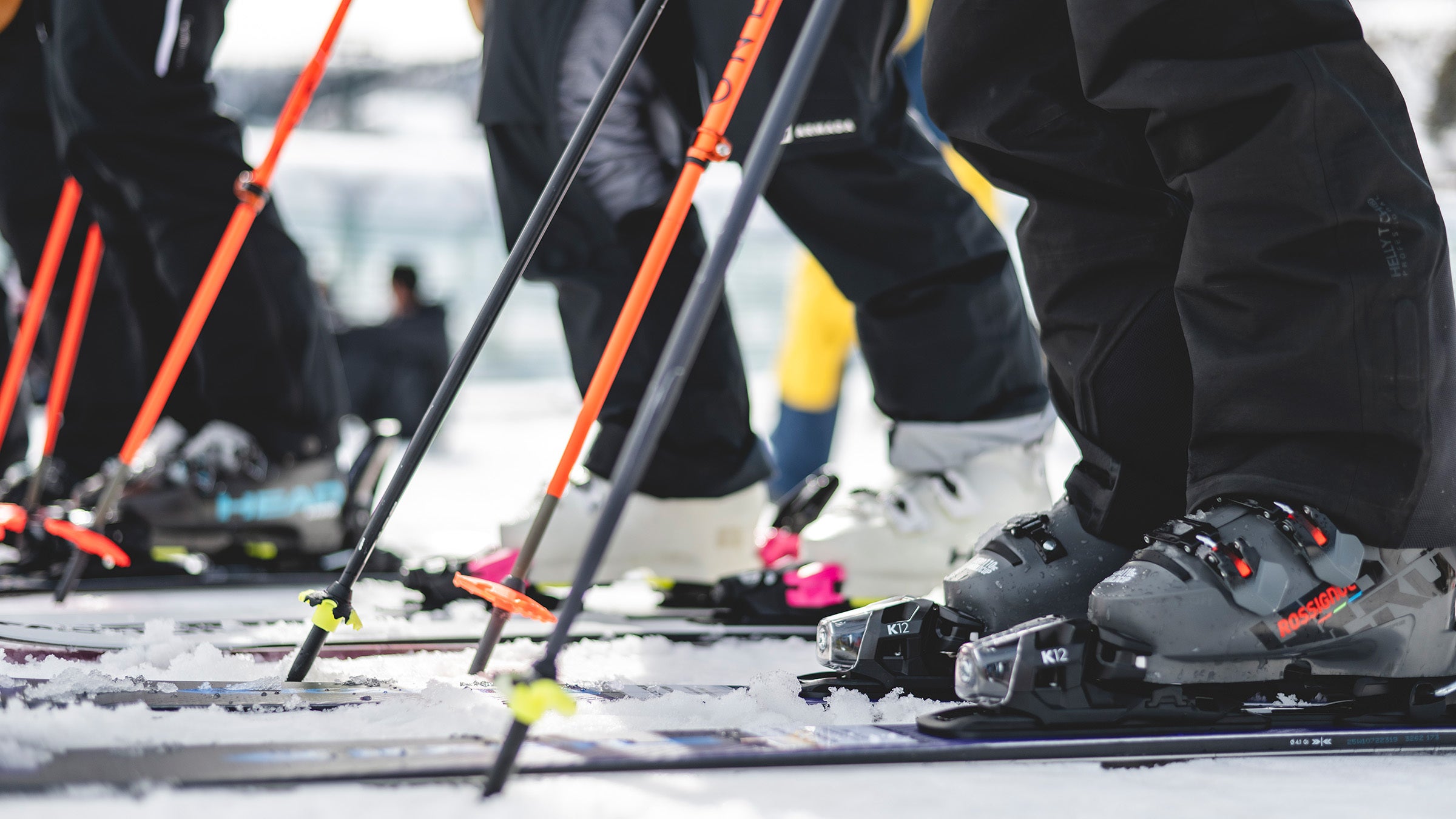
Market analysis from 2025 indicates that while the global ski gear market is valued at over $1.5 billion, a significant portion of consumer spending is shifting toward "aftermarket" modifications. Professional boot-fitting, once a service reserved for World Cup racers, has become a mainstream necessity. The rise of 3D foot scanning technology in retail environments highlights the industry’s recognition that a "standard" foot shape is a myth. Despite these technological advances, many skiers remain unaware of the threshold where discomfort transitions into medical injury.
The Anatomy of the Injury: A Chronological Progression
The damage caused by poorly fitted boots rarely happens in a single afternoon. Instead, it is a cumulative process that follows a predictable chronology.
- The Acute Phase: During the first few days of skiing in a poorly fitted boot, the skier experiences "pins and needles" (paresthesia) and localized redness. This is often dismissed as the "break-in period." At this stage, the issues are typically restricted to soft tissue inflammation.
- The Sub-Acute Phase: After 10 to 15 days of use, the pressure points begin to cause more persistent symptoms. Subungual hematomas (black toenails) may appear. The nail bed becomes traumatized, and the first signs of nerve thickening (neuroma) may manifest as a "clicking" sensation between the third and fourth toes.
- The Chronic Phase: If the fit is not corrected, the body begins to adapt to the trauma. Bony deposits may form (exostosis), and the big toe may begin to deviate inward permanently. Dr. Lobkova warns that at this stage, the toenails may never return to their original state, appearing thicker, shorter, and more prone to fungal infections due to the compromised nail matrix.
Expert Recommendations and Preventative Interventions
Dr. Mikel Daniels, a Baltimore-based podiatric surgeon, emphasizes that while the boots themselves are not inherently "bad," the fit is the deciding factor in long-term health. "My rule is simple: if your boot pain makes you think more about your feet than your skiing, the fit is wrong," says Daniels.
To mitigate these risks, experts recommend several tiers of intervention:
Heat Molding and Shell Modification: Modern ski boots are constructed from thermoplastics that can be manipulated. Heat molding the liner allows the foam to take the exact shape of the skier’s foot. For more severe pressure points, professional boot-fitters use hydraulic tools to "punch" or "grind" the plastic shell, creating extra millimeters of space for bunions or prominent ankle bones. This process, according to Dr. Daniels, can be the difference between a season-ending injury and a successful winter.
Custom Orthotics: Both Lobkova and Daniels advocate for the use of custom-made insoles. The "prefabricated" insoles that come with most boots provide minimal arch support and are often made of cheap, compressible foam. A custom orthotic stabilizes the heel and supports the arch, preventing the foot from "splaying" or lengthening under load, which is a primary cause of toe-room issues. Dr. Lobkova specifically recommends thin, specialized insoles with embedded metatarsal pads to separate the toe bones and alleviate pressure on the nerves.
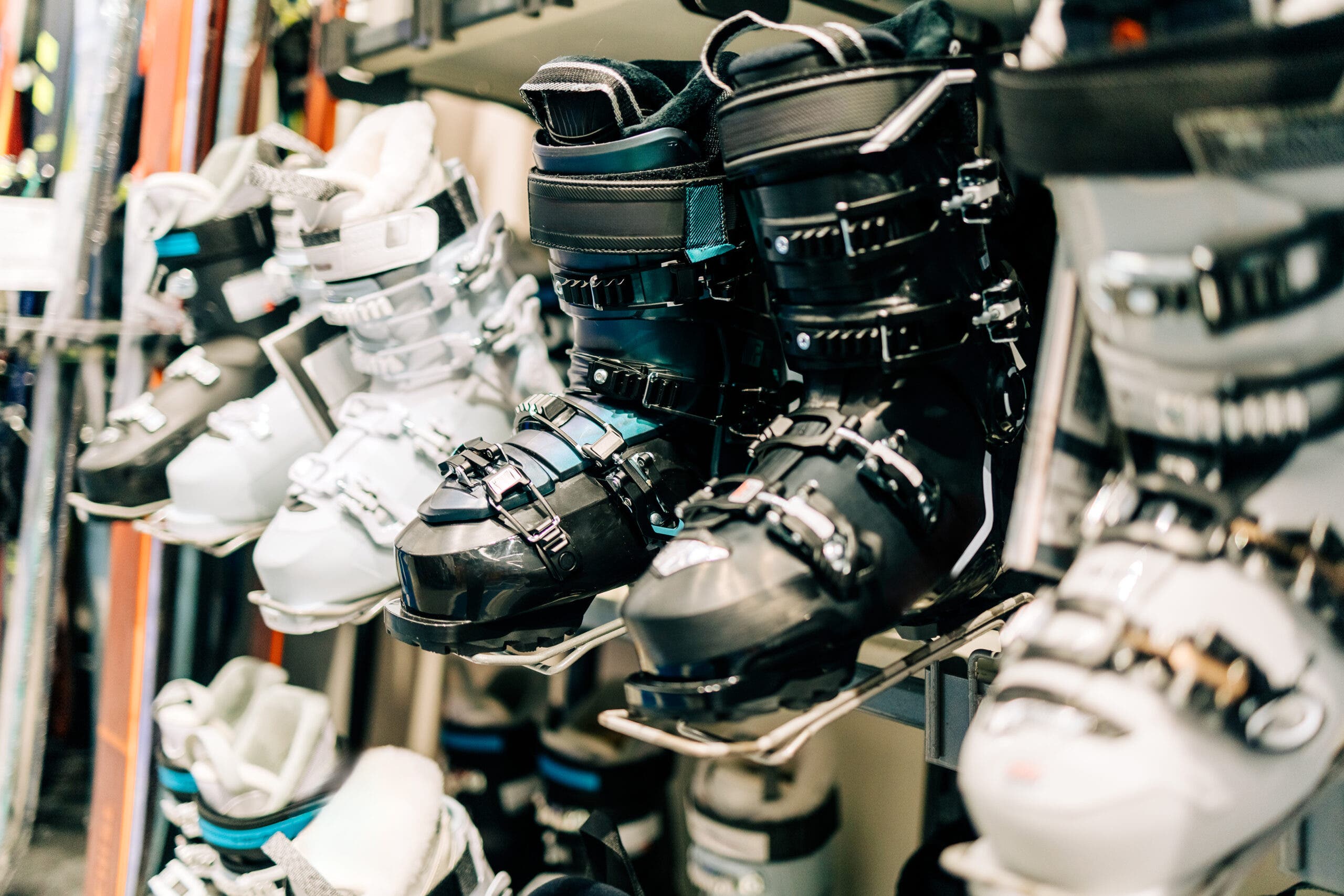
Thermal Management: The "tourniquet effect" is a significant concern for skiers. When a skier moves from the sub-zero temperatures of the slope to a heated lodge, the feet and ankles naturally swell due to vasodilation. If the boots remain buckled tight, this swelling has nowhere to go, further compressing nerves and restricting blood flow. Experts advise loosening all buckles during lunch breaks and transit to allow for proper circulation.
The Rental Market and Casual Skiers
The risk is arguably highest for the casual skier who relies on rental equipment. Rental boots are designed for durability and ease of entry, often sacrificing the nuanced fit required for foot health. Dr. Daniels suggests that even when renting, skiers should be proactive. "Always opt for a shell that is reasonably snug, rather than oversized. A loose shell with over-tight buckles gives you pressure points and poor control," he notes.
Furthermore, the choice of hosiery is critical. The traditional "thick wool sock" is often a hindrance rather than a help. Modern, thin socks made of merino wool or synthetic blends provide better moisture-wicking and thermal regulation without adding unnecessary volume that can lead to "hot spots" and blisters.
Broader Implications for the Sport
The medical community’s focus on ski boot fit reflects a broader trend in sports medicine toward "pre-habilitation"—the idea of preventing injury through equipment optimization and biomechanical awareness. As the average age of the skiing population increases, the long-term impact of foot health on general mobility becomes a public health consideration. Chronic foot pain can lead to sedentary lifestyles in later years, compounding the risks of cardiovascular disease and obesity.
Furthermore, the economic impact of "boot pain" is not negligible for the ski industry. Surveys suggest that discomfort is a leading reason why first-time skiers do not return for a second season. By prioritizing foot health and professional fitting, the industry can improve retention and ensure that skiing remains a lifelong pursuit rather than a painful memory.
Ultimately, the message from the medical community is clear: pain is a diagnostic signal, not a requirement for performance. As Dr. Lobkova and Dr. Daniels suggest, the technology exists to make skiing a comfortable experience. It is up to the skier to listen to their body and seek the professional adjustments necessary to protect their feet for the seasons to come. Listening to your body remains the most vital piece of equipment a skier can bring to the mountain.

