
The North Slope of Alaska has become a primary focal point for climate researchers as they seek to understand the complex feedback loops driving rapid environmental transformation in the Arctic. At the Toolik Field Station, a remote research hub situated near the Brooks Range, a specialized team of scientists recently completed a critical mission to monitor greenhouse gas emissions from degrading permafrost. Led by Dr. Jenny Watts, an ecologist and carbon flux expert, and Dr. Kelly Gleason, a snow hydrologist from Portland State University and a member of the Protect Our Winters (POW) Science Alliance, the expedition focused on the installation of advanced monitoring infrastructure designed to quantify the release of methane and carbon dioxide from active thaw slumps.
The Arctic is currently warming at nearly four times the global average rate, leading to the destabilization of permafrost—ground that has remained frozen for two or more consecutive years. As this frozen soil thaws, it releases organic matter that has been sequestered for millennia. When microbes decompose this ancient material, they emit carbon dioxide and methane, the latter of which possesses a warming potential roughly 80 times greater than CO2 over a 20-year period. The data collected from this new installation aims to fill critical gaps in global climate models, which frequently overlook the localized but intense emissions generated by abrupt permafrost collapse.
Monitoring Invisible Emissions: The Flux Tower Installation
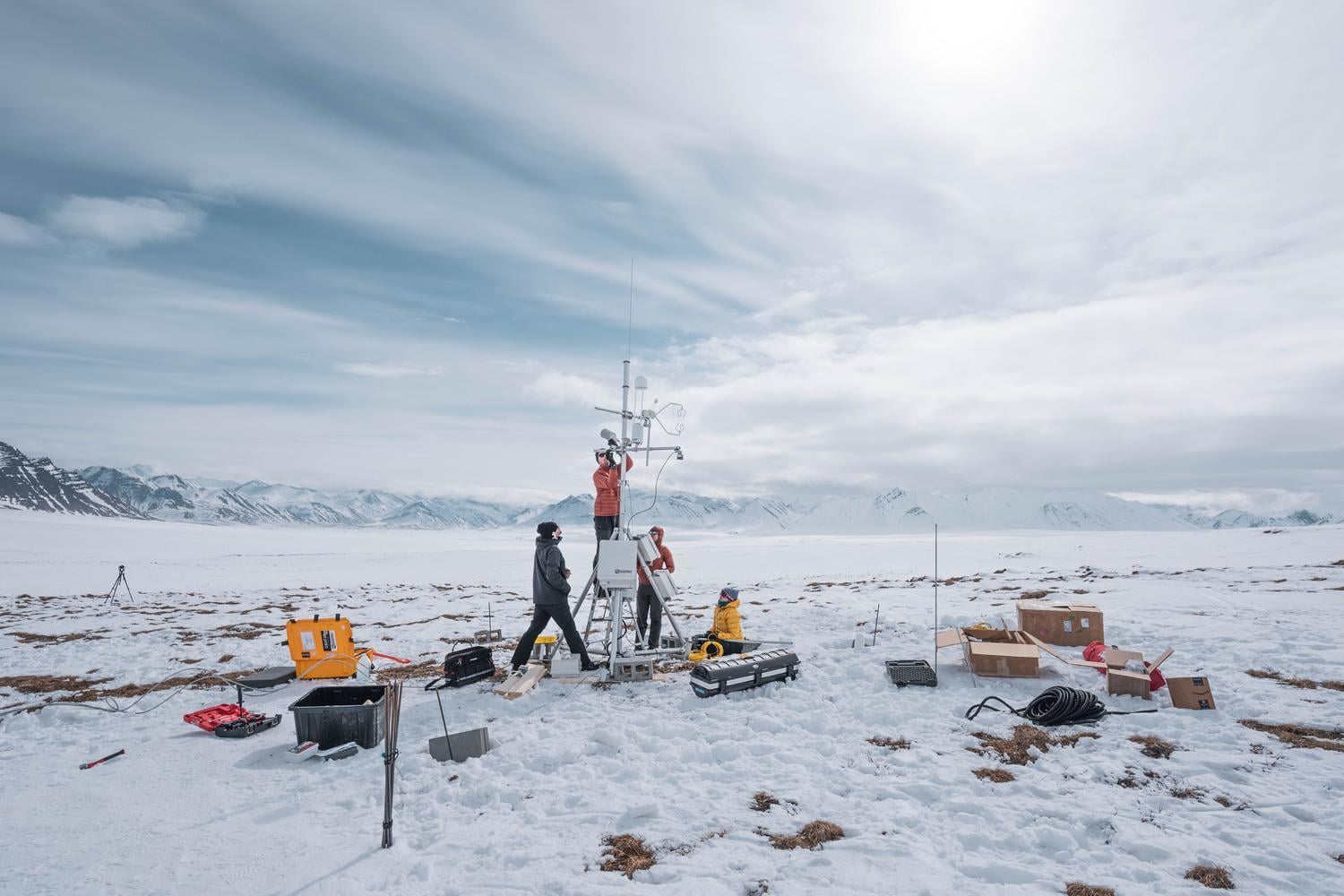
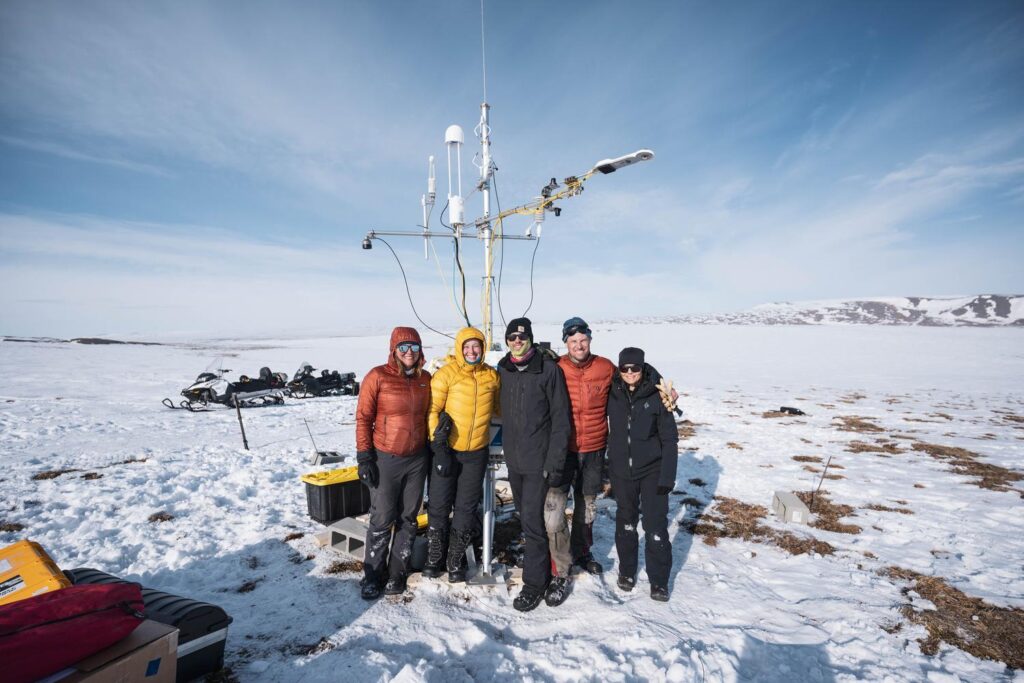
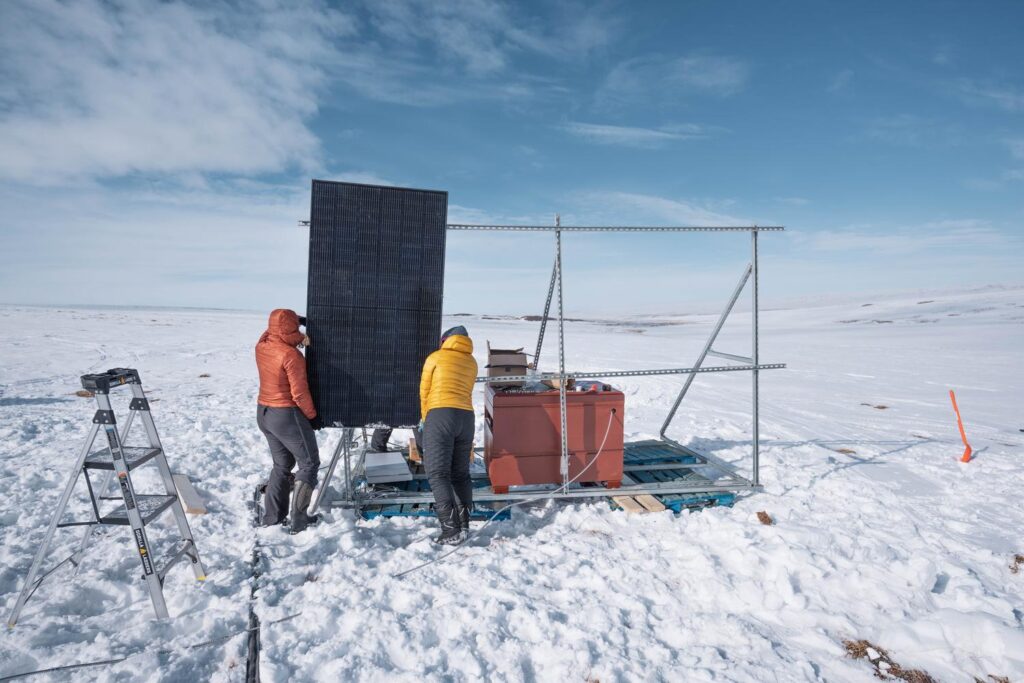
The primary objective of the expedition was the deployment of a 15-foot-tall aluminum flux tower at a permafrost thaw slump. This installation represents a significant technological milestone, as it is the first of its kind in the Arctic specifically positioned to evaluate the atmospheric exchange of methane and carbon dioxide from a site of rapid, localized permafrost failure.
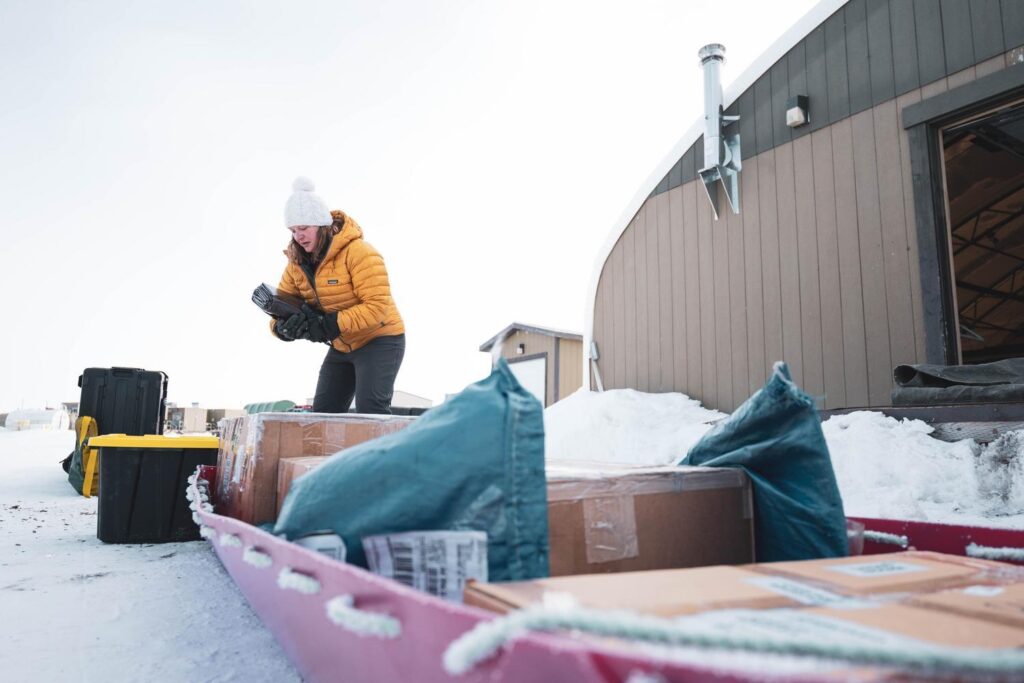
The logistical requirements for the installation were substantial. The team, which included researchers Kyle, Christina, and Kai, transported an array of heavy equipment across the tundra via snowmachines and specialized sleds. The payload included the aluminum frame, guy-lines for stabilization, cement anchors, four large solar panels, and a massive electrical enclosure. Powering the sensitive instrumentation in a remote, sub-zero environment necessitated the transport of eight deep-cell batteries, each weighing over 100 pounds.
The tower operates using eddy covariance technology, a method that measures the vertical movement of air and the concentration of gases within it. By calculating the "flux," or the exchange rate of gases between the earth’s surface and the atmosphere, scientists can determine exactly how much carbon and methane a specific area is contributing to the atmosphere. This data is vital for understanding whether the Arctic tundra is acting as a carbon sink—absorbing more than it releases—or a carbon source.
Geological Instability: The Mechanics of Permafrost Thaw Slumps
Thaw slumps, also known as retrogressive thaw slumps, are dramatic manifestations of thermokarst activity. These features occur when ice-rich permafrost melts, causing the overlying ground to lose its structural integrity and slump downhill. The resulting exposure of raw, frozen earth creates a steep, eroding headwall that continues to retreat as more ice melts.
While gradual permafrost thaw is a well-documented phenomenon, these abrupt collapse events are significantly more potent in terms of gas emissions. The exposure of ancient organic material to oxygen and warmer temperatures accelerates microbial decomposition at a rate far exceeding that of intact tundra. Despite their high emission intensity, thaw slumps are difficult to represent in global climate simulations because of their relatively small geographic footprint and unpredictable occurrence. The Toolik expedition seeks to provide the empirical data necessary to integrate these high-emission features into broader climate projections, ensuring that future warming estimates are more accurate.
The Dual Role of Arctic Snow: Albedo vs. Insulation
A secondary but equally critical focus of the expedition was the study of snow dynamics and their influence on ground temperature. Dr. Kelly Gleason’s research highlighted a complex paradox inherent to Arctic snow: its role as both a cooling agent and a warming insulator.
In traditional climate science, snow is valued for its high albedo, or reflectivity. By bouncing a significant portion of incoming solar radiation back into space, snow helps maintain lower global temperatures. However, Gleason’s fieldwork on the North Slope emphasized that in the Arctic, snow’s capacity for thermal insulation may be just as impactful as its reflectivity.
As climate change causes a reduction in sea ice, more open water is exposed to the atmosphere, leading to increased evaporation and higher humidity. This "wetting" of the Arctic atmosphere has resulted in increased snowfall in certain regions. While more snow theoretically increases albedo, it also creates a thicker insulating blanket over the permafrost. During the long, dark Arctic winters, this snow layer prevents the extreme cold of the atmosphere from reaching the ground, effectively trapping heat within the soil.
Comparative Thermal Analysis: Shallow vs. Deep Snowpacks
To investigate the insulating effect, Dr. Gleason conducted a series of "snow pit" analyses, comparing the temperature profiles of shallow snowpacks against deeper drifts. The findings revealed a stark contrast in the thermal environment at the soil-snow interface.
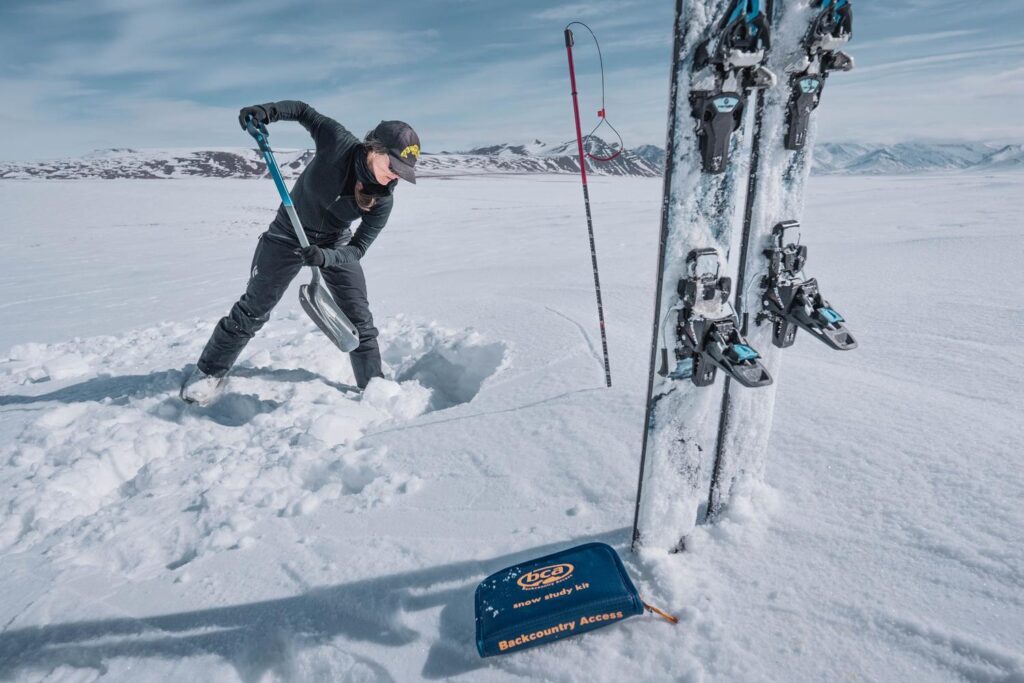
In early May, Gleason observed that while surface temperatures were relatively consistent across different snow depths—averaging around -3°C—the temperatures at the base of the snowpacks varied significantly:
- Deep Snowpack (approx. 2 meters): Beneath a two-meter drift, temperatures warmed with depth. While the surface was -3°C, the temperature at 35 cm was -8°C, and it rose to nearly -3°C at the soil surface. This temperature is dangerously close to the threshold where microbial activity can remain active, allowing for the year-round decomposition of organic matter and the continuous release of greenhouse gases.
- Shallow Snowpack (57 cm): In contrast, the shallow snowpack allowed for much more efficient cooling of the ground. The temperature cooled steadily from the surface down to the base, reaching -10°C at the soil interface. This colder environment promotes the formation of faceted depth hoar crystals and, more importantly, keeps the permafrost sufficiently chilled to suppress microbial gas production.
These observations suggest that increased snowfall, driven by climate change, could paradoxically accelerate permafrost thaw by preventing the ground from "recharging" its coldness during the winter months. This creates a dangerous positive feedback loop: more warming leads to more moisture, which leads to more snow, which leads to warmer permafrost and higher gas emissions, further fueling the warming cycle.
Chronology of the Toolik Field Mission
The expedition followed a rigorous timeline designed to maximize data collection during the critical spring transition period:
- Preparation and Staging: The team assembled at the Toolik Field Station, a facility managed by the University of Alaska Fairbanks. Equipment was tested and calibrated to ensure functionality in extreme cold.
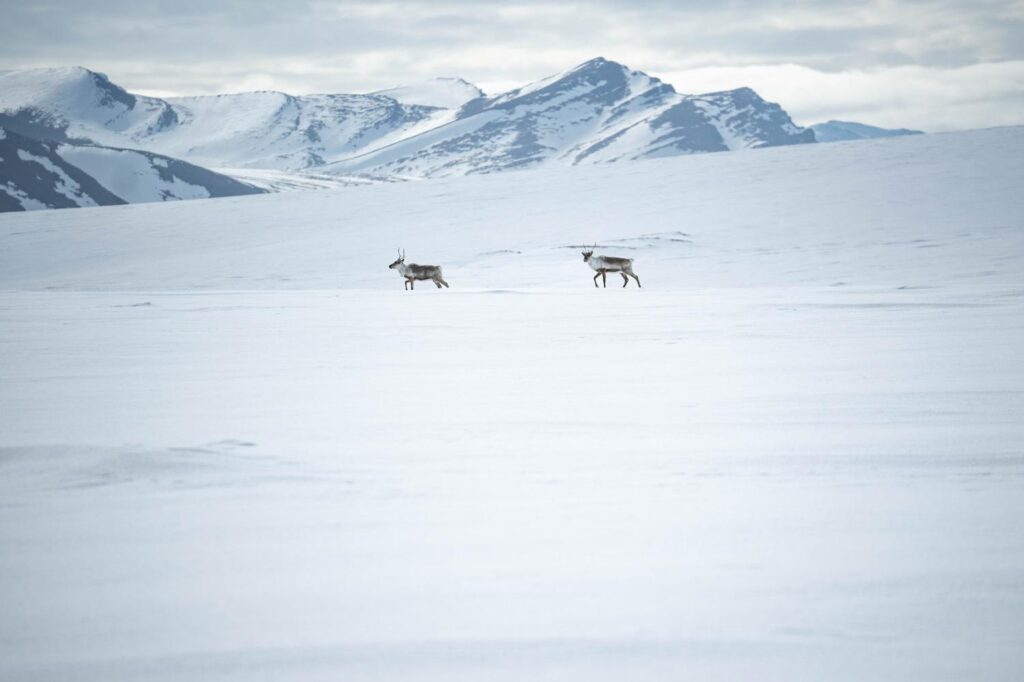
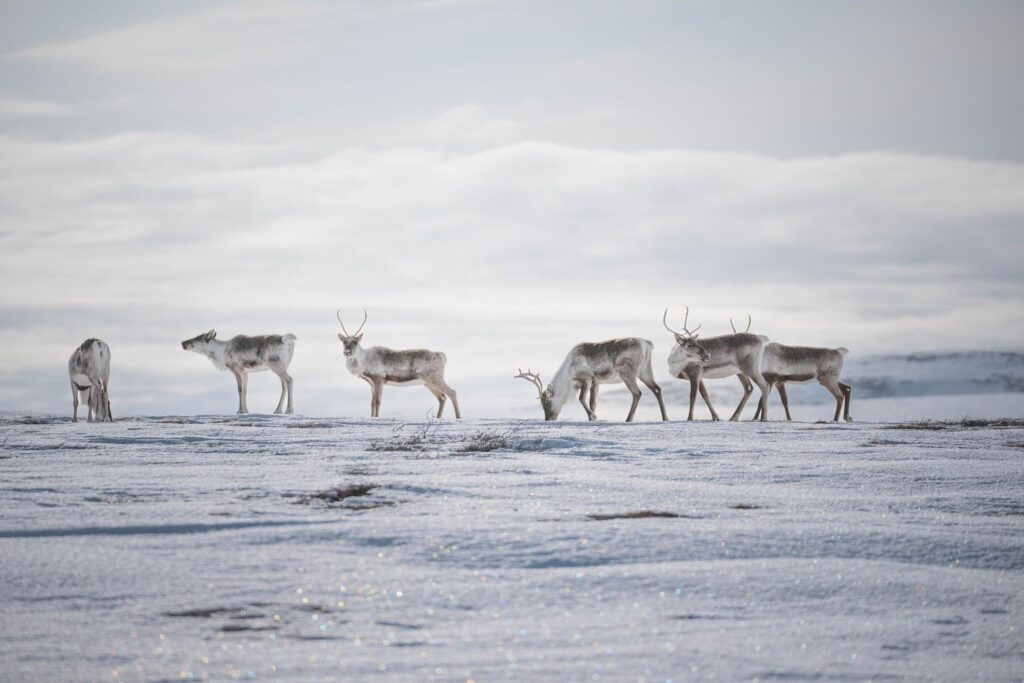
- Transport Phase: Utilizing snowmachines, the team navigated the vast expanse of the North Slope, moving hundreds of pounds of equipment to the designated thaw slump site. This phase required careful navigation to avoid disturbing local wildlife, such as the caribou herds grazing near the Brooks Range.
- Infrastructure Installation: Over several days, the flux tower was erected and secured. Solar panels were positioned to capture the low-angle Arctic sun, and the heavy battery bank was wired to provide a consistent power supply for the sensors.
- Scientific Sampling: Concurrent with the tower installation, Dr. Gleason performed snow pit excavations and thermal profiling. These measurements provided the "ground truth" data necessary to interpret the atmospheric readings from the tower.
- Data Transmission Initiation: The team established the communication protocols for the tower, ensuring that methane and CO2 flux data could be monitored remotely throughout the coming seasons.
Broader Impact and Global Implications
The research conducted by the POW Science Alliance and the Woodwell Climate Research Center at Toolik Field Station has implications that extend far beyond the borders of Alaska. The Arctic acts as the world’s "refrigerator," and the degradation of its cooling systems affects global weather patterns, sea levels, and carbon cycles.
By quantifying the emissions from thaw slumps, researchers are providing a clearer picture of the "permafrost carbon bomb"—a tipping point where the release of sequestered carbon becomes a self-sustaining process beyond human control. Current international climate agreements, such as those established under the Paris Accord, rely on carbon budgets that may be overly optimistic if they do not account for these abrupt thaw events.
Furthermore, the work of the POW Science Alliance underscores the growing importance of "science-based advocacy." By translating complex thermodynamic and geochemical data into narratives of environmental change, organizations like Protect Our Winters aim to bridge the gap between academic research and public policy. The goal is to move beyond the observation of change and toward the implementation of systemic solutions that address the root causes of Arctic warming.
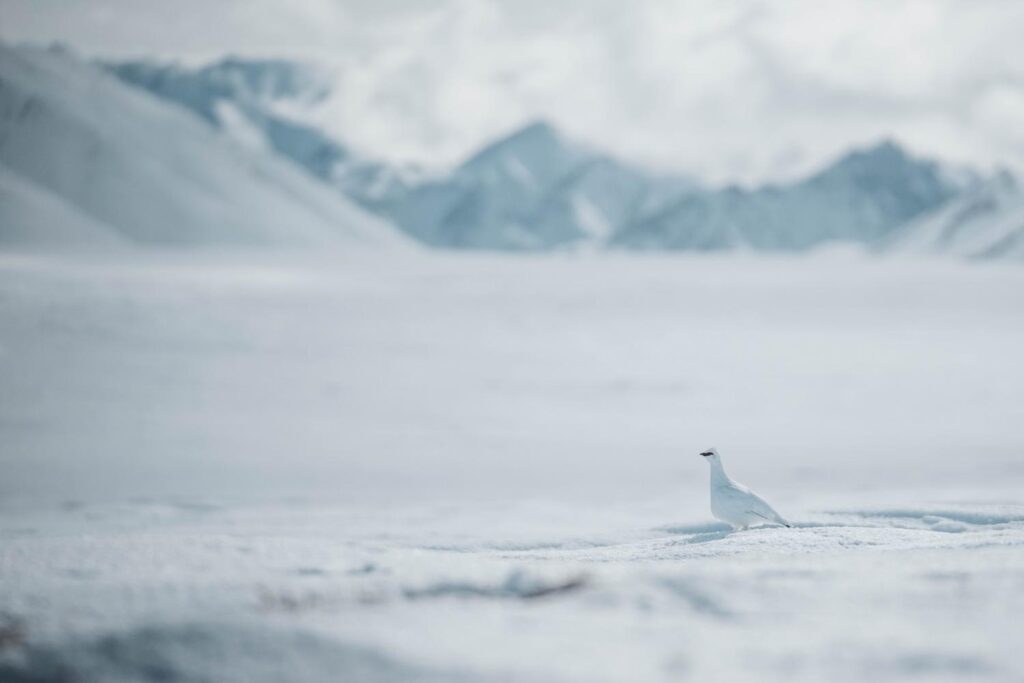
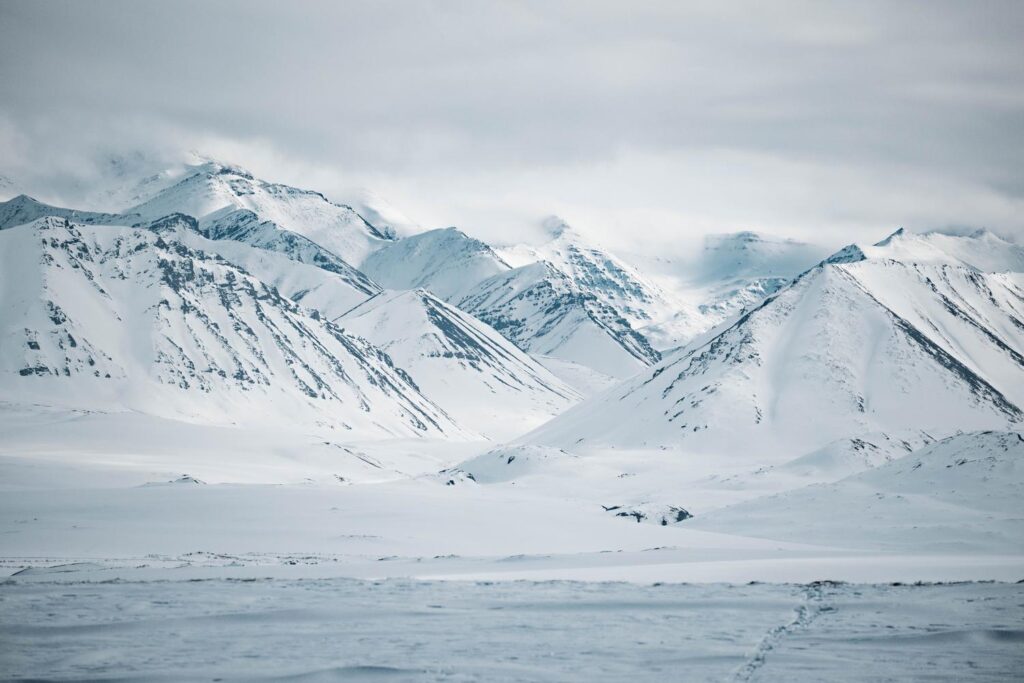
The expedition concludes that the Arctic is currently in a state of profound flux. From the jagged peaks of the Brooks Range to the microscopic interactions of microbes in the warming soil, every element of the landscape is responding to a changing climate. The installation of the flux tower at Toolik is a vital step in "listening" to the Arctic, providing the data necessary to understand our global future and the urgency of the actions required to protect it.

