
Even for the most seasoned enthusiasts and industry professionals, a fundamental oversight in ski boot fitting can persist for decades, subtly undermining performance and comfort. This stark reality recently came to light for SKI magazine’s Executive Editor, a lifelong skier whose extensive experience, commitment to the sport, and professional oversight of gear reviews did not exempt her from a critical, long-standing error: wearing ski boots of the incorrect volume. This revelation, startling in its simplicity and profound in its implications, highlights a pervasive challenge within the ski community, where the nuances of boot fitting are often overshadowed by more commonly understood metrics.
For decades, the Executive Editor, whose life has been meticulously intertwined with skiing—from her formative years in grade school to raising three accomplished skiers—operated under the assumption of adequately fitted boots. Her personal history is a testament to deep engagement: she has assigned countless bootfitting stories, engaged with leading boot experts, and meticulously edited numerous boot reviews for SKI’s acclaimed annual Gear Guides. Yet, despite this immersive environment, a crucial piece of the puzzle remained elusive, preventing her from ever truly "connecting the dots" regarding the persistent, subtle inadequacies in her boot fit. This underscores a broader issue within the sport: the complexity of ski boot mechanics often leads even well-informed individuals to misinterpret crucial fitting parameters.
The Elusive Nature of Proper Boot Fit
The subtle nature of the Executive Editor’s predicament made it particularly difficult to diagnose. Her boots consistently felt snug, aligning with the industry adage of a "firm handshake"—a sensation often promoted as the gold standard for fit. There were no glaring hot spots, debilitating pressure points, or obvious gaps between her foot and the liner that would immediately signal a significant problem. Consequently, these boots never overtly impeded her ability to conquer steep terrain or revel in the exhilaration of epic powder days. The issue was more insidious: a latent cap on her performance, a quiet barrier preventing her from achieving the next level of precision, control, and ultimately, enjoyment. This experience is far from unique; many skiers report similar sensations, attributing minor discomforts or performance plateaus to technique rather than an underlying equipment mismatch.
Among the myriad metrics considered in ski boot fitting—shell size, flex index, last width—volume stands out as perhaps the most overlooked, and ironically, one of the easiest to misinterpret. The industry’s historical emphasis on shell length (mondo point size) and flex stiffness often relegates internal boot volume to an afterthought. This oversight is compounded by the inherent foreignness of ski boot footwear itself. Unlike everyday shoes, which prioritize comfort and ample space, ski boots are engineered for a precise, form-fitting embrace necessary for optimal energy transfer. Consequently, even a boot that is technically too large in volume for a skier’s foot can still feel uncomfortably tight due to its rigid structure and the unfamiliar sensation of full foot encapsulation. This psychological factor often leads skiers, and even some bootfitters, to mistakenly opt for a larger shell or higher volume boot than necessary, believing it will alleviate perceived tightness, when in fact, it may exacerbate the underlying issue by introducing excessive internal space.
A Catalyst for Revelation: The BOA System and Surefoot Intervention
The Executive Editor’s journey toward enlightenment began in November, when she acquired a new pair of ski boots featuring the innovative BOA closure system. She anticipated that this advanced closure mechanism, known for its micro-adjustability and even pressure distribution, would finally provide the heel lock and enhanced performance she had long sought. However, her initial turns on Vail’s slopes in December revealed a familiar disappointment. Despite what felt like an impeccably firm fit, the hoped-for level of control remained elusive. It was this lingering dissatisfaction that prompted her to seek further consultation, leading her to a Surefoot store in the village. Her intention was to explore custom footbeds or liners as a potential remedy, unknowingly setting the stage for a much more fundamental discovery.
This scenario highlights a common trajectory for many skiers: pursuing incremental solutions (new boots, different closure systems, generic insoles) without addressing the foundational fit. The decision to visit Surefoot, a pioneer in custom boot fitting, proved to be the pivotal moment, demonstrating the value of specialized expertise and advanced diagnostic tools in resolving deep-seated fitting issues.
Surefoot: A Legacy of Customization and Innovation
Surefoot’s origins trace back to 1982 in Park City, Utah, where brothers Bob and Russ Shay founded the company out of a shared frustration with the painful and poorly fitting ski boots prevalent at the time. As lifelong skiers and competitive racers, the Shays intimately understood the detrimental impact of inadequate footwear on performance, comfort, and the sheer enjoyment of the sport. Their vision was revolutionary: to move beyond the "one-size-fits-all" paradigm and offer skiers truly customized boot solutions. They embarked on developing proprietary custom ski boot fitting technology, laying the groundwork for an industry that increasingly values personalization. Over four decades, Surefoot has expanded its footprint significantly, now boasting over 30 stores across North America and Europe, cementing its position as a global leader in custom boot fitting. Their enduring success is a testament to the persistent demand for personalized solutions in a sport where equipment precision is paramount.
The Surefoot boot fitting process is a meticulously structured three-step approach, designed to achieve an unparalleled level of customization and precision. Each stage is critical, building upon the previous one to create a boot that functions as a seamless extension of the skier’s foot and lower leg.
The initial step involves a comprehensive digital scan and foot evaluation. This is where the Executive Editor’s long-standing issue was finally brought to light. Using advanced 3D scanning technology, Surefoot technicians capture precise measurements of the foot’s length, width, instep height, arch structure, and crucially, its overall volume. This sophisticated diagnostic tool provides an objective, data-driven assessment that goes far beyond traditional manual measurements. For the Executive Editor, the scan unequivocally revealed "low-volume feet with narrow heels"—a critical anatomical characteristic that had been consistently overlooked in her previous fittings. This detailed diagnosis explained why her boots, despite feeling snug, never delivered optimal control. When asked if she had ever been fitted in a low-volume boot, her "Never" was met with a knowing smile from the Surefoot technician, who confidently asserted, "Oh yeah, that’s going to make a big difference." This moment encapsulated the essence of specialized boot fitting: identifying the root cause through precise data.
Following the diagnostic scan, the second step is the creation of a custom insole. These insoles are foundational to proper boot fit, providing crucial support and stability for the foot. Unlike generic insoles, Surefoot’s custom versions are molded precisely to the contours of each individual’s arch and footbed, ensuring even weight distribution, preventing excessive pronation or supination, and enhancing power transfer. A well-designed insole effectively "locks" the foot in place, minimizing micro-movements that can lead to energy loss, discomfort, and even blisters. By stabilizing the foot, the custom insole creates a solid platform from which to drive the ski, maximizing efficiency and control.
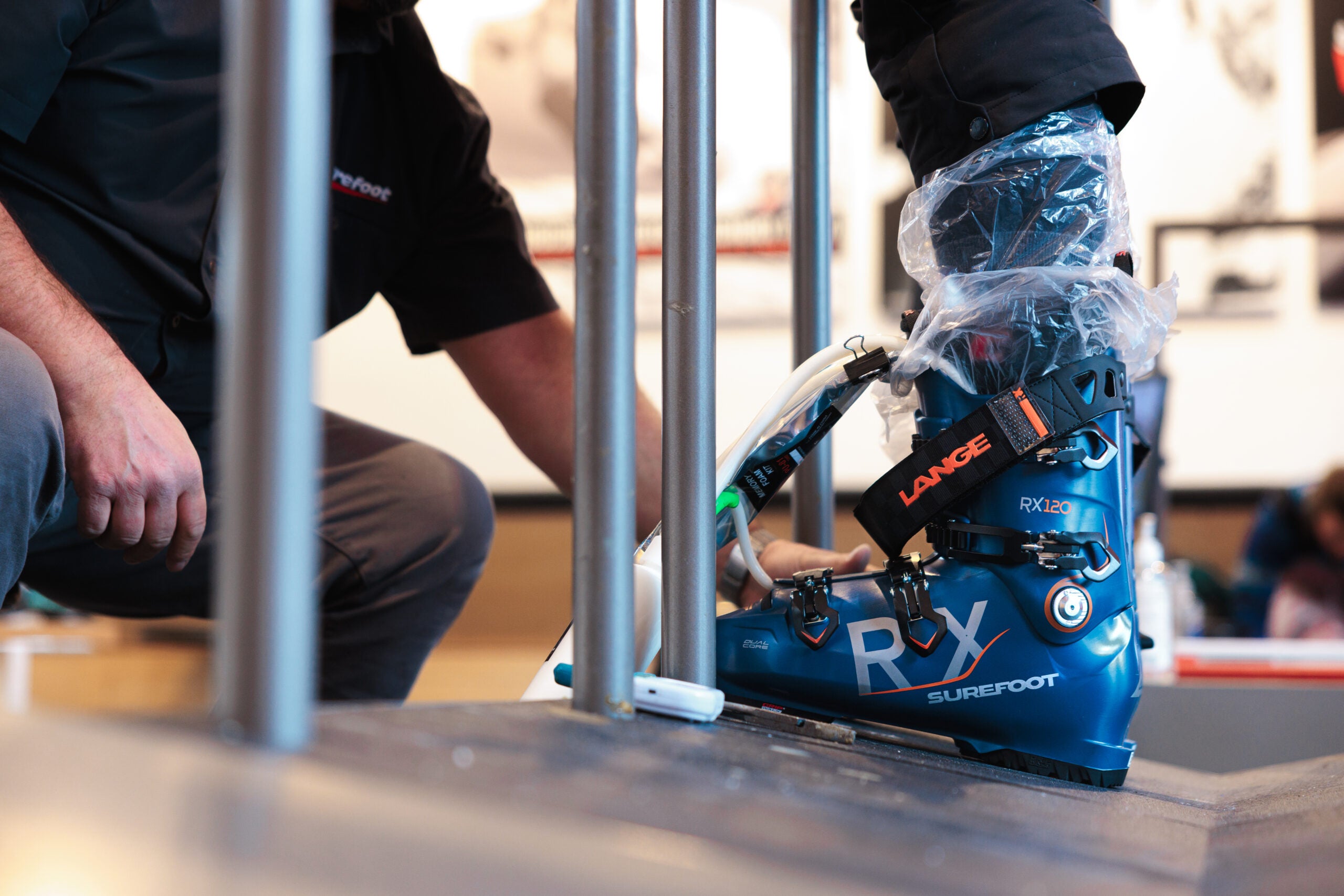
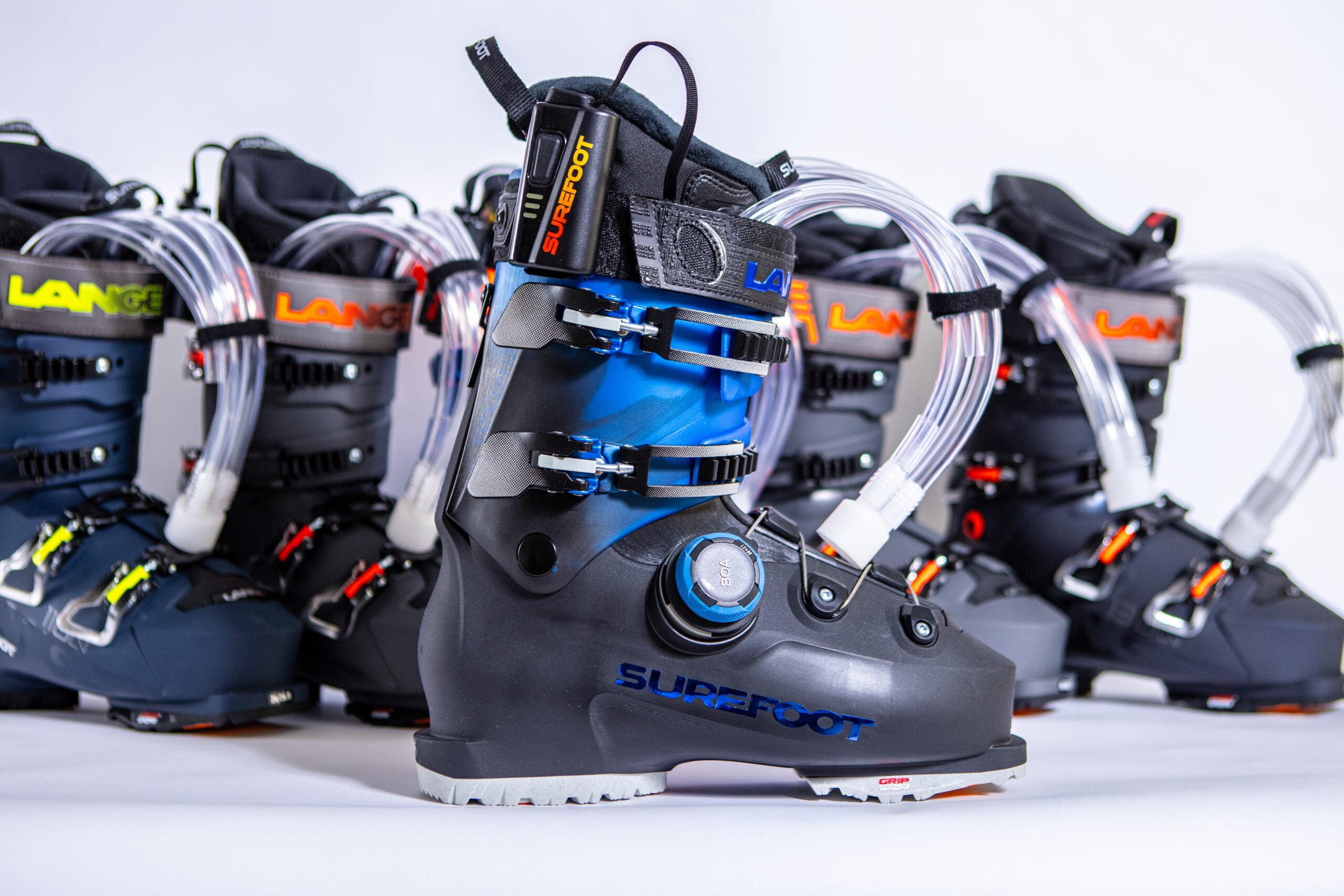
The final and arguably most transformative step is the molding of the boot liner to the skier’s foot and lower leg. Surefoot employs a unique chemical foam injection process for this stage. Once the custom insole is in place and the chosen shell is selected based on the digital scan, a specialized foam is injected into the liner while the skier’s foot is positioned inside the shell. This foam expands and conforms precisely to every nuance of the foot and lower leg, filling all available space within the shell without creating pressure points. This ensures a truly intimate connection between the skier, the boot, and ultimately, the ski. The benefits are manifold: enhanced energy transmission, improved comfort by eliminating voids and hot spots, and a reduction in fatigue due to the absence of compensatory movements. The entire process, from scan to final fitting, typically takes about an hour, culminating in a highly personalized piece of equipment. An added bonus with all Surefoot boots and liners is the inclusion of boot heaters, a welcome feature for any skier, particularly those like the Executive Editor who battle persistently cold toes.
The Transformative Impact: Performance, Comfort, and Longevity
The Executive Editor’s experience after receiving her new low-volume Tecnica Mach1 LVs with custom liners and removable insoles was profoundly positive. While the difference was initially "subtle," it quickly became "definitely noticeable" throughout the remainder of the season. This subtle yet significant improvement underscores the difference between a "good enough" fit and an "optimal" fit. She noted a persistent, albeit minor, issue with heel lift—a common challenge for individuals with narrow heels—which Surefoot technicians were able to address through complimentary modifications, utilizing wedges to further narrow the heel pocket. This commitment to ongoing adjustment and refinement is a cornerstone of Surefoot’s service, recognizing that fine-tuning is often necessary to achieve perfection.
The true impact of her properly fitted boots manifested in several key areas. Foremost was the unprecedented level of control she gained over her skis, particularly in "dicey or tough terrain." This enhanced precision directly translated into increased confidence, allowing her to push her boundaries and tackle challenging conditions with greater assurance. While she acknowledges the ongoing need to refine her technique, she now possesses "the right tools to finally level up," indicating that equipment limitations are no longer a primary impediment.

This transformation extends beyond immediate performance. Proper boot fit is a critical factor in a skier’s long-term engagement and enjoyment of the sport. Incorrectly fitted boots can lead to chronic discomfort, pain, and even injuries, eventually sidelining skiers. By addressing the fundamental issue of boot volume and achieving a truly custom fit, the Executive Editor now feels that her aspiration to "ski for another 25 years" is not only viable but truly enjoyable. This longevity is a significant implication for recreational skiers and athletes alike, as comfortable and efficient equipment can literally add decades to one’s skiing career. Her newfound understanding also informs her future purchasing decisions: "now I know what I’m shopping for when it’s time for the next pair," eliminating guesswork and ensuring continued optimal fit.
Broader Implications and Expert Consensus
The Executive Editor’s journey serves as a powerful case study for the broader skiing community, from novices to experts. It highlights that even those deeply entrenched in the sport can overlook critical details of equipment fitting, underscoring the universal need for professional, data-driven assessments. Industry experts and professional bootfitters universally agree that a proper boot fit is the single most important factor for maximizing performance, ensuring comfort, and preventing injuries. Data suggests that a significant percentage of skiers—some estimates reaching as high as 70%—may be skiing in boots that are not optimally fitted, leading to lost potential and unnecessary discomfort.
The evolution of ski boot technology, from rudimentary leather boots to today’s sophisticated plastic shells with advanced closure systems and customizable components, mirrors a broader trend towards personalization in sports equipment. This shift is driven by a deeper understanding of biomechanics and the recognition that individual anatomical variations demand tailored solutions. While the initial investment in custom boot fitting, such as Surefoot’s services, might seem substantial, the long-term benefits—enhanced performance, reduced risk of injury, and sustained enjoyment—represent a significant return. It’s an investment not just in gear, but in the skiing experience itself.
In conclusion, the revelation that a veteran skier and industry executive had been wearing the wrong volume ski boots for decades underscores the profound importance of precise boot fitting. The experience with Surefoot’s advanced diagnostic and customization process illuminates how overlooked metrics like boot volume can subtly yet significantly impact a skier’s performance, comfort, and long-term engagement with the sport. This serves as a vital reminder for all skiers, regardless of experience level: the pursuit of the perfect fit is not merely about comfort, but about unlocking one’s full potential on the slopes, ensuring every turn is precise, powerful, and truly enjoyable.

