
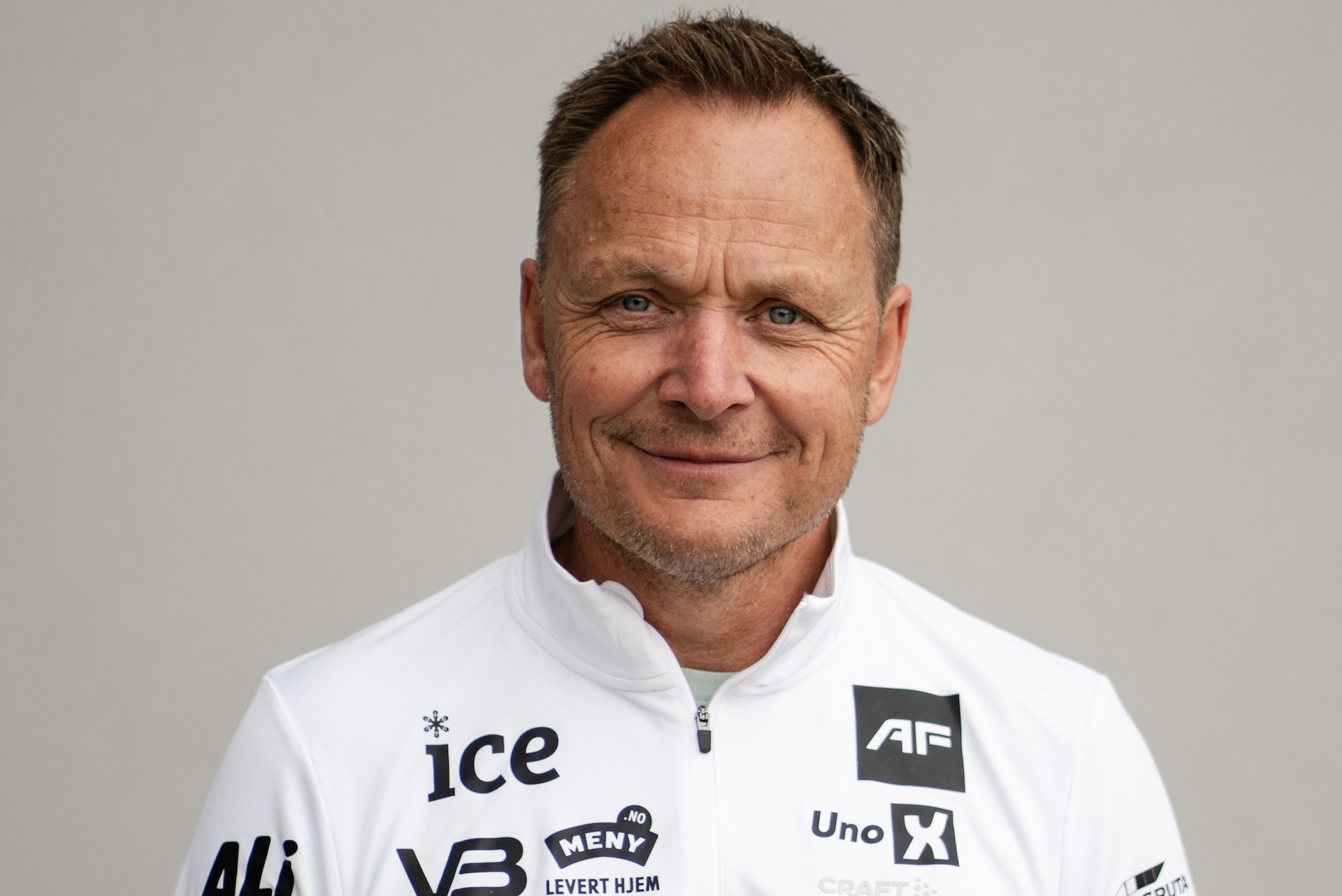
Per Arne Botnan, a figure synonymous with the meteoric rise of Norwegian biathlon to global dominance, has embarked on a new chapter in his illustrious career, taking on the challenge of revitalizing the Lithuanian biathlon program. This surprising move, confirmed by the Lithuanian Biathlon Federation, marks a significant international appointment for the former sport director, who spent 16 years shaping the powerhouse Norwegian national team. Botnan’s expertise, instrumental in Norway’s sustained success, will now be directed towards nurturing talent and implementing strategic development within a nation seeking to make its mark on the international biathlon stage.
The appointment has generated considerable interest, not only due to Botnan’s formidable reputation but also because it represents a departure from Lithuania’s traditional approach to leading its national biathlon teams. Historically, leadership roles have been filled by individuals from within the Baltic region, including Lithuania, Latvia, Estonia, and Belarus. Botnan’s engagement signals a strategic shift, aiming to leverage external expertise to foster significant advancements.
A Legacy Forged in Norwegian Biathlon Excellence
Botnan’s tenure with the Norwegian Biathlon Federation is widely regarded as a golden era for the sport in Norway. He held various critical positions, including a significant stint as sport director, during which Norwegian athletes consistently topped the podium in World Cup events, World Championships, and Olympic Games. His strategic vision, meticulous planning, and deep understanding of athlete development are credited with laying the groundwork for Norway’s unparalleled success. His departure from his long-held Norwegian post earlier this year was met with widespread acknowledgement of his profound contributions.
Following his departure from the Norwegian biathlon leadership, Botnan briefly transitioned to an advisory role with the Norwegian Athletics Federation, serving as assistant sport director. This experience in a different, albeit related, athletic discipline further underscores his broad expertise in sports management and athlete development. However, his recent engagement with Lithuania represents a return to his core specialization in biathlon, albeit on a different continent and with a nation aiming for its own breakthrough.
Lithuania’s Strategic Vision for Biathlon Advancement
The Lithuanian Biathlon Federation has openly articulated its aspirations for Botnan’s involvement. The federation’s president, Arūnas Daugirdas, emphasized the need for a fresh perspective and innovative methodologies to propel Lithuanian athletes forward. "We hope Per Arne can show us something different from what we have seen in recent years, so that our results improve," Daugirdas stated. "We have reached a point where we see that the methods we have used until now are no longer yielding progress." This candid admission highlights the critical juncture at which Lithuanian biathlon finds itself, necessitating a significant injection of expertise.
The federation, in a statement released on Facebook, referred to Botnan as "one of the world’s best biathlon specialists" who has been advising their team since the beginning of July. This early involvement suggests a proactive approach to integration and immediate application of his knowledge. Botnan’s role is expected to encompass enhancing athlete performance, contributing to sport-specific strategy, and strengthening the overall organizational structure of the Lithuanian national team.
Botnan’s Philosophy: Structure, Responsibility, and Shared Vision
Botnan himself has expressed his motivation for taking on this international role. He sees it as an opportunity to share the knowledge and experience gained from his highly successful years in Norway with a nation aspiring to elevate its standing in the sport. "There is no great secret behind the path to success," Botnan remarked, sharing his core principles. "The most important thing is to have a good structure, and for each individual athlete, together with the team and coaches, to take responsibility for their own development."
He further elaborated on the importance of collective effort: "If everyone pulls in the same direction, it is naturally possible to lift the level of the Lithuanian athletes." This emphasis on a unified approach and individual accountability reflects a coaching philosophy that prioritizes long-term development and sustainable growth rather than solely focusing on immediate results.
A Timeline of Transition and New Beginnings
Botnan’s departure from his role with the Norwegian Biathlon Federation was announced in the spring, concluding a remarkable period of over two decades dedicated to Norwegian biathlon. His journey within the federation was multifaceted, encompassing various coaching and leadership positions that were pivotal in transforming Norway into a global biathlon powerhouse.
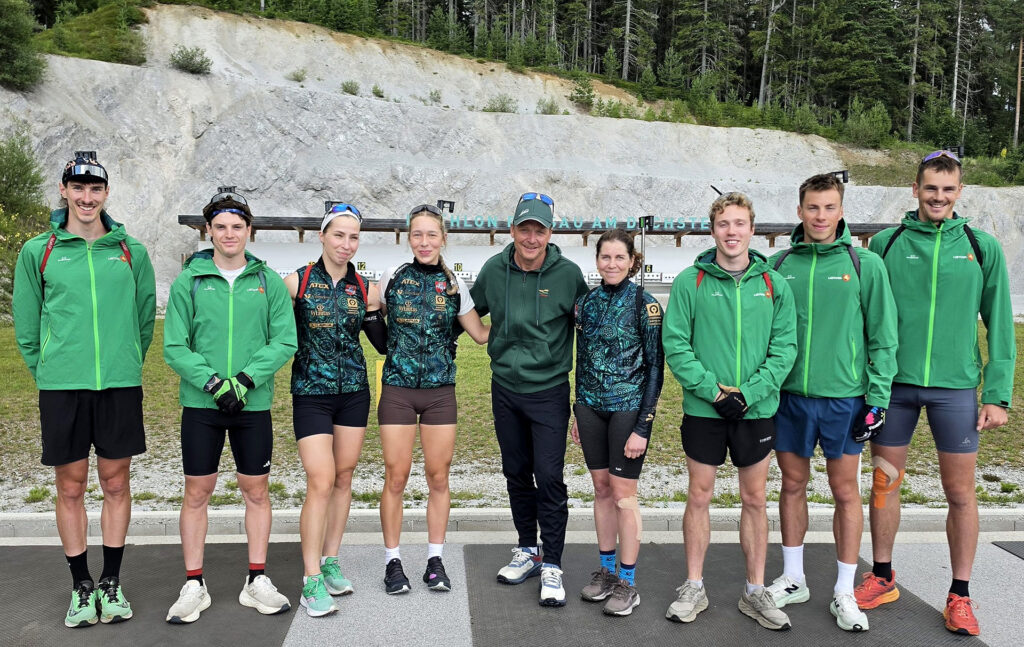
His recent engagement with the Lithuanian team has already seen practical application. Botnan has participated in a training camp with the Lithuanian squad in Ramsau, Austria. This hands-on involvement allows him to assess the current state of the team, identify specific areas for improvement, and begin implementing his strategies in a practical setting.
It is important to note Botnan’s concurrent role as assistant sport director for the Norwegian Athletics Federation, a position he is set to assume on September 1, 2026. This suggests that his commitment to Lithuania will likely operate on a consultancy basis, complementing his primary responsibilities in Norwegian athletics. This dual engagement underscores his broad commitment to the advancement of sport, both domestically and internationally.
Broader Implications for Lithuanian and International Biathlon
The engagement of a seasoned expert like Per Arne Botnan by a developing biathlon nation like Lithuania carries significant implications. For Lithuania, it represents a strategic investment in their sporting future, aiming to bridge the gap between their current capabilities and the elite level of international competition. The federation’s proactive approach, in seeking external expertise and openly acknowledging the need for change, demonstrates a strong commitment to progress.
On a wider scale, Botnan’s involvement highlights a growing trend in international sports development, where nations are increasingly looking beyond their borders for specialized knowledge and proven methodologies to enhance their athletes’ performance. This cross-pollination of expertise can lead to a more competitive and dynamic global sporting landscape.
The success of this collaboration will depend on several factors, including the receptiveness of the Lithuanian athletes and coaching staff to new approaches, the sustained commitment of the federation, and Botnan’s ability to adapt his strategies to the specific context of Lithuanian sport. However, given Botnan’s track record of success and the clear ambition of the Lithuanian Biathlon Federation, this partnership holds the potential for significant positive outcomes. It is a testament to Botnan’s enduring impact on the sport that he continues to be sought after for his expertise, even after stepping away from his leadership role with the dominant Norwegian team. His journey with Lithuania promises to be a compelling narrative in the ongoing evolution of international biathlon.

