
As the winter season approaches, sports medicine professionals and alpine athletes are shifting their focus toward injury prevention and physical readiness to combat the inherent risks of downhill skiing. While the sport offers high-speed thrills and challenging terrain, it remains one of the most physically demanding recreational activities, characterized by high-velocity impacts and complex biomechanical stresses. According to data from the National Ski Areas Association (NSAA), the rate of reported injuries in recent seasons has fluctuated between two and three injuries per 1,000 skier visits, with knee ligament tears—specifically the Anterior Cruciate Ligament (ACL) and Medial Collateral Ligament (MCL)—representing approximately 30 percent of all documented incidents. To mitigate these risks, Dr. Matt Hastings, a Doctor of Physical Therapy at The Alpine Athlete, has identified five critical training pillars designed to prepare the musculoskeletal system for the unique demands of the slopes.
The Biomechanical Context of Alpine Injuries
Skiing is a dynamic sport that requires the body to function as a sophisticated suspension system. As a skier descends a mountain, they encounter varying snow densities, hidden obstacles, and rapid changes in slope gradient. These factors necessitate a high level of neuromuscular control. Most injuries occur when the external forces applied to the body exceed the structural integrity of the tissues or the capacity of the muscles to stabilize the joints. This is particularly prevalent during "early season" conditions, where thin snow cover masks rocks and logs, or during late-afternoon fatigue, when muscle reaction times slow down.
Physical therapists and orthopedic surgeons have long noted a "chronology of risk" throughout the winter. The first spike in injuries often occurs in early December as "weekend warriors" return to the slopes without adequate pre-season conditioning. A second spike typically occurs in February and March, correlating with higher speeds and more aggressive terrain choices as confidence grows. By establishing a fitness routine at least six to eight weeks before the first chairlift ride, skiers can significantly improve their "load tolerance," allowing their bodies to absorb the shocks of the mountain without structural failure.
Pillar One: Eccentric Strengthening for Shock Absorption
In the realm of strength and conditioning, "eccentric" refers to the phase of an exercise where the muscle is lengthening under tension. In a squat, this is the lowering phase. For a skier, eccentric strength is perhaps the most critical component of performance and safety. When navigating moguls or landing a jump, the quadriceps and glutes must act as brakes, decelerating the body’s mass against the force of gravity.
Dr. Hastings emphasizes that skiing is essentially a series of sustained eccentric contractions. As a skier moves through a turn, the downhill leg must resist the "loading" of the turn’s arc. If the muscles lack eccentric control, the force is transferred directly to the joints and ligaments. To train this, athletes should focus on "tempo" training—taking three to five seconds to lower into a squat or lunge. This slow, controlled movement builds the connective tissue strength necessary to withstand the high-impact environment of alpine skiing.
Pillar Two: Isometric Stability and the "Quad Burn"
While eccentric movements handle the changes in terrain, isometric contractions are responsible for maintaining a stable edge. An isometric contraction occurs when a muscle generates force without changing length, such as holding a tuck position or maintaining a deep carve through a long radius turn. The infamous "quad burn" experienced halfway down a long run is a direct result of sustained isometric and near-isometric demands.
The classic wall sit remains a gold standard for assessing and building this type of endurance. However, modern sports science suggests advancing these holds by adding weighted resistance or incorporating unstable surfaces to mimic the vibration of skis on ice. By increasing the body’s threshold for isometric fatigue, skiers can maintain better form for longer durations, reducing the likelihood of "fatigue-related collapses" that often lead to catastrophic knee injuries in the final hours of a ski day.
Pillar Three: Unilateral Training and Edge Control
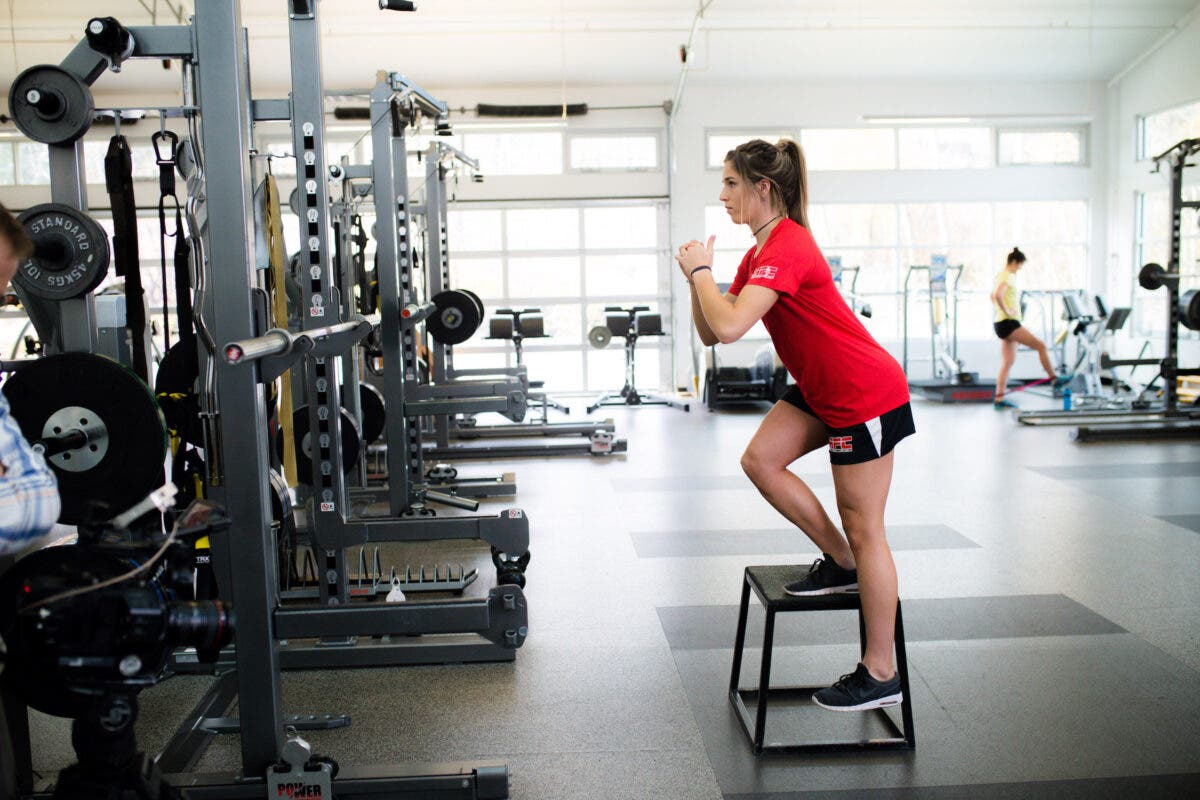
Skiing is fundamentally a single-leg sport. Although both feet are strapped into bindings, the majority of the work—and the majority of the risk—is concentrated on the outside (downhill) ski during a turn. This requires exceptional unilateral strength and balance. If a skier has a significant strength imbalance between their left and right legs, they are more likely to lose control when transitioning from edge to edge or when one ski hits a patch of ice.
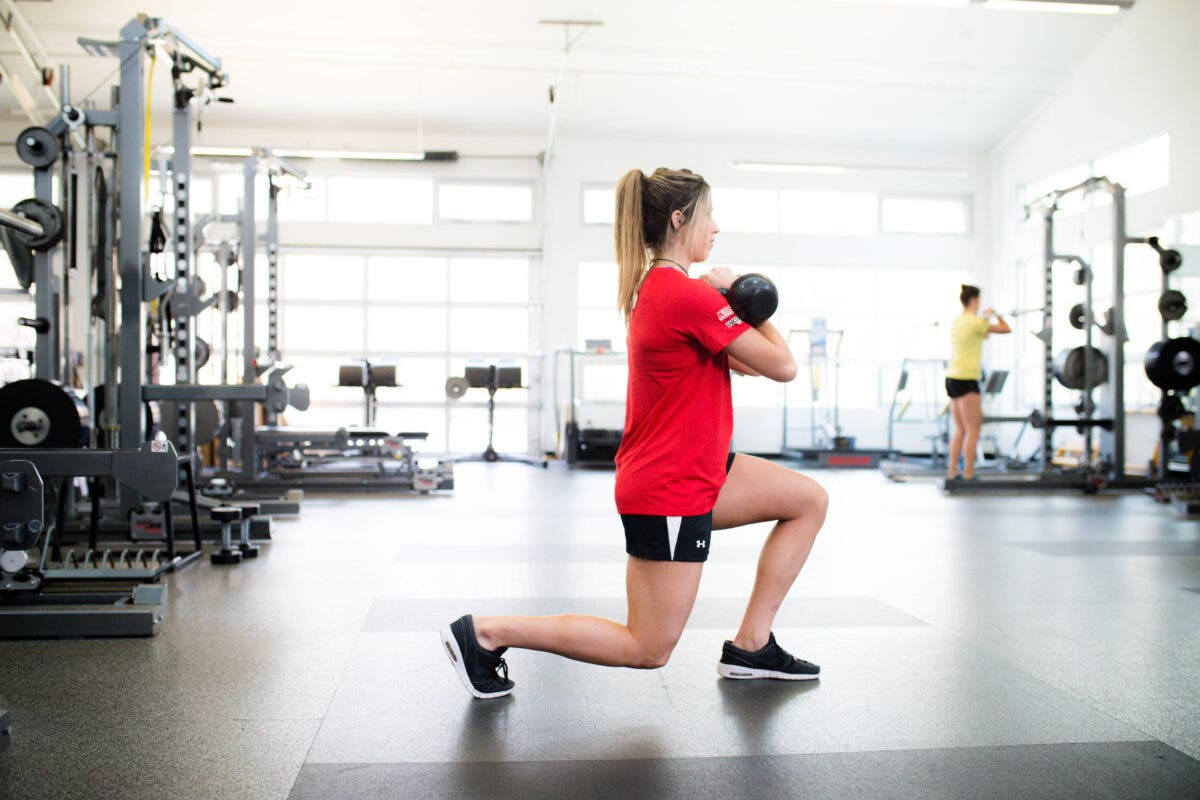
Incorporating single-leg exercises such as Bulgarian split squats, single-leg deadlifts, and multi-planar lunges (forward, lateral, and reverse) is essential. These movements not only build the primary movers like the quadriceps and hamstrings but also engage the smaller stabilizer muscles around the ankle and hip. Improving "proprioception"—the brain’s ability to sense the body’s position in space—through single-leg training allows for faster micro-adjustments on uneven terrain, preventing the "catch-an-edge" scenarios that often result in fractures or dislocations.
Pillar Four: Core Integration and Trunk Stability
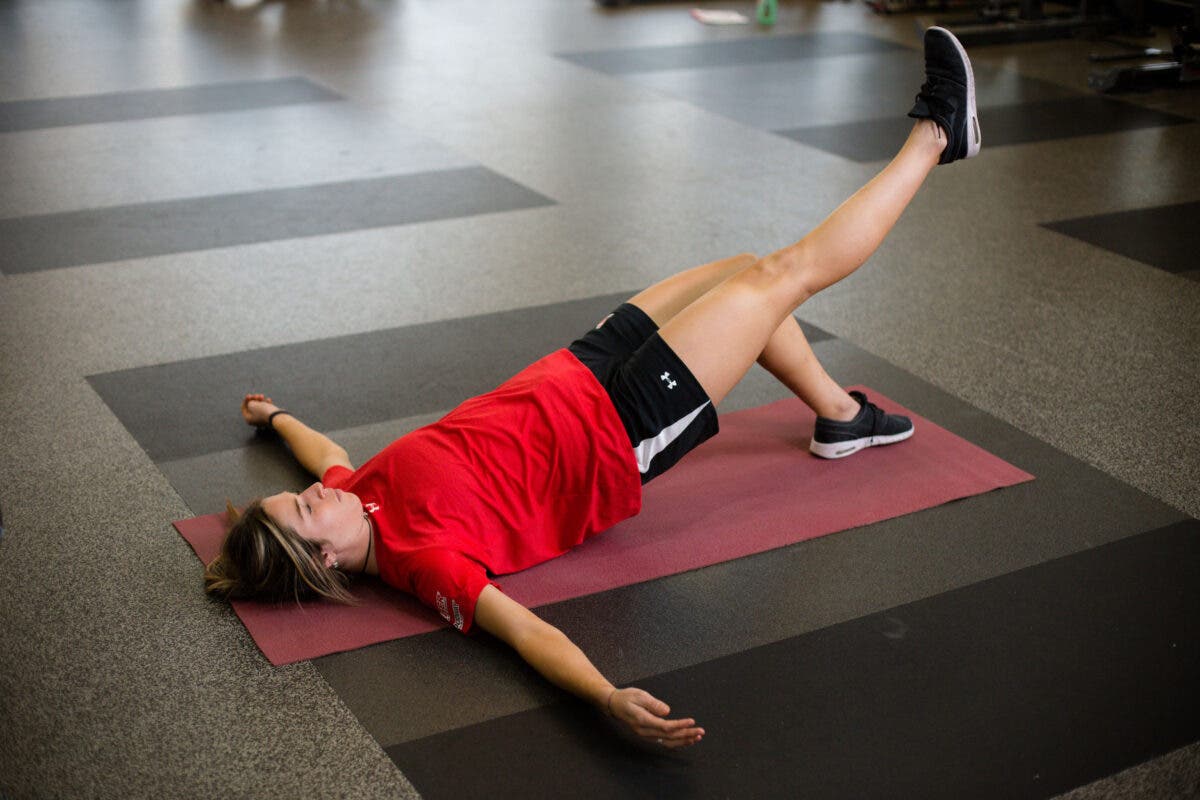
The relationship between the upper and lower body is facilitated by the core. In skiing, the legs move independently of a relatively quiet, stable upper body. This "separation" is only possible through a strong, reactive trunk. Without core stability, the forces generated by the skis are lost in the midsection, leading to inefficient turns and increased strain on the lower back.
Dr. Hastings recommends moving beyond the traditional forearm plank. For skiers, "anti-rotational" core strength is vital. This includes side planks, Copenhagen planks (which specifically target the adductors, or inner thighs, crucial for edge grip), and dynamic planks that involve arm or leg reaches. A stable core ensures that the power generated by the legs is translated directly into the skis, providing better control in steep or icy conditions where precision is paramount.
Pillar Five: Mobility and the Role of Recovery
Strength alone is insufficient if the joints cannot move through their required ranges of motion. Skiing requires significant "dorsiflexion" (the ability of the ankle to flex forward), as well as hip and thoracic spine mobility. If the ankles are stiff, the skier will be forced into a "backseat" position, which is a leading cause of ACL injuries because it places the knee in a vulnerable, hyper-extended state.
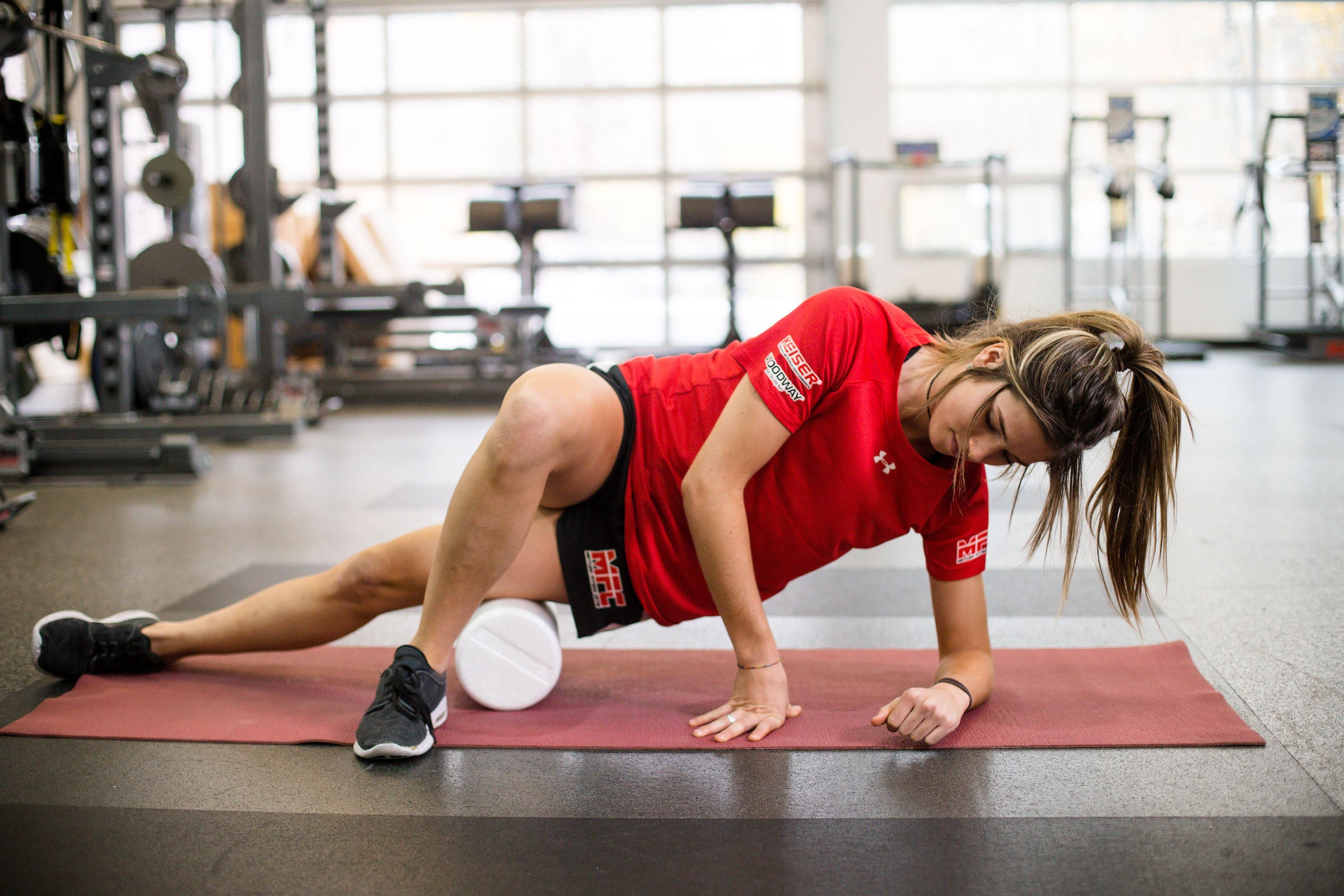
A comprehensive mobility routine should involve both pre-ski activation and post-ski recovery. Tools such as foam rollers and massage guns can help manage soft tissue tension, but active mobility drills—like deep lunges with a reach or "90/90" hip rotations—are more effective at improving functional range. Furthermore, recovery is a physiological necessity. The repeated eccentric loading of skiing causes micro-tears in the muscle fibers; without adequate rest and mobility work, these tissues become brittle, increasing the risk of strains and tears.
Expert Reactions and Broader Implications
The shift toward proactive "ski-fitness" has gained significant traction in the medical community. Dr. Hastings, through his work at The Alpine Athlete in Denver, Colorado, notes that the "Brain-Body Connection" is a frequently overlooked aspect of fitness. Training the nervous system to react to sudden changes in balance is just as important as building muscle mass.
Industry analysts suggest that the economic impact of ski injuries is substantial, affecting not only the individuals through medical costs and lost work time but also the ski industry through decreased participation and rising insurance premiums. "A proactive approach to fitness is the most cost-effective insurance policy a skier can have," says one industry consultant. "The cost of a gym membership and a few sessions with a physical therapist is a fraction of the cost of an ACL reconstruction and six months of rehabilitation."
Furthermore, as the average age of the skiing population increases, the importance of "pre-habilitation" grows. Older skiers often have less tissue elasticity and slower reaction times, making them more susceptible to injury. For this demographic, the focus on eccentric strength and mobility is not just about performance—it is about "skiing longevity," or the ability to remain active in the sport well into their 70s and 80s.
Conclusion: A Strategic Approach to the Season
The transition from a sedentary lifestyle to the high-intensity environment of the mountains is a significant physiological leap. By integrating eccentric loading, isometric holds, single-leg stability, core integration, and dedicated mobility work, skiers can prepare their bodies for the "dynamic chaos" of the slopes.
As Dr. Hastings highlights, the goal of a well-rounded ski fitness routine is to ensure that the "weakest link" in the chain—whether it be a lack of core stability or poor ankle mobility—does not become the cause of a season-ending injury. With the right preparation, skiers can focus on the enjoyment of the mountain, confident that their bodies are resilient enough to handle whatever terrain or conditions the winter season provides.
