
The German biathlon landscape underwent a significant shift this week as 28-year-old Olympic bronze medalist Vanessa Voigt announced her decision to withdraw from the official German national team training camps. The Oberhof native, who has been a cornerstone of the German squad for several seasons, will instead oversee her own preparation regimen leading up to the World Cup opener in Kontiolahti, Finland, which is scheduled for late November. This development marks a notable departure from the traditional centralized training structure maintained by the German Ski Association (DSV).
A Strategic Pivot Toward Individualization
Vanessa Voigt’s decision comes after a period of intense reflection following a challenging 2025 campaign. Having been forced to withdraw from the World Championships and the majority of the 2025 World Cup season due to unforeseen circumstances, Voigt is prioritizing physical and mental recovery alongside tailored training loads. In an official statement released Monday morning, Voigt emphasized that the choice was not made in isolation but was the result of transparent negotiations with the sport’s governing body.
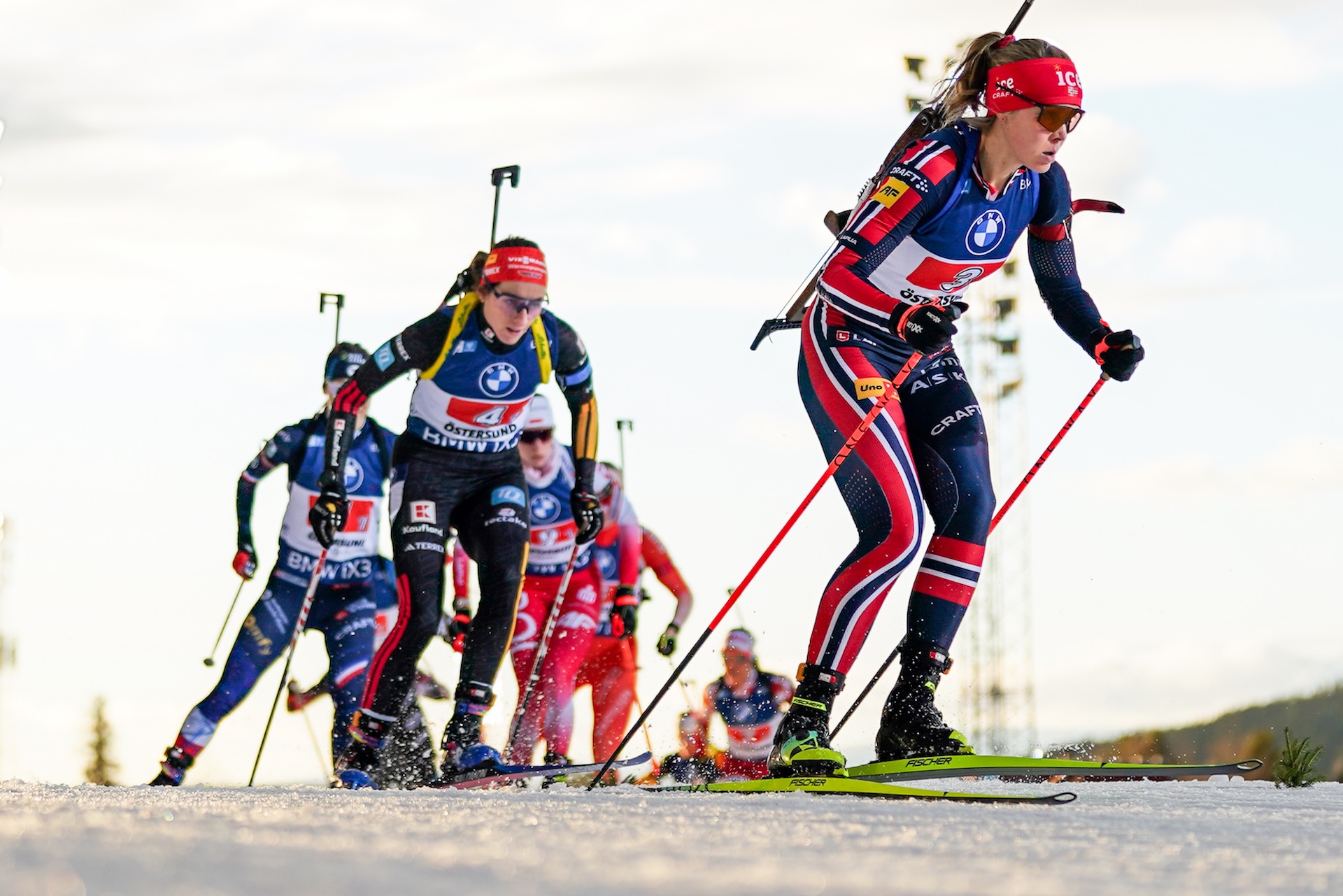
"The recent period has involved a lot of self-reflection," Voigt noted. "I have concluded that the most effective path for my performance is to train outside the formal national team structure, allowing me to focus on my specific physiological needs and preparation requirements."
The athlete, who has consistently ranked among the top performers in the IBU circuit, views this individualization as a vital component in reaching her peak form for the 2026-2027 season. By managing her own schedule, Voigt aims to mitigate the risk of overtraining and injury, factors that hindered her progress during the previous season.
Chronology of a Career at the Top
Vanessa Voigt’s trajectory has been one of consistent excellence marked by intermittent setbacks. Her rise to international prominence began in earnest following her breakout performances in the 2021-2022 season.
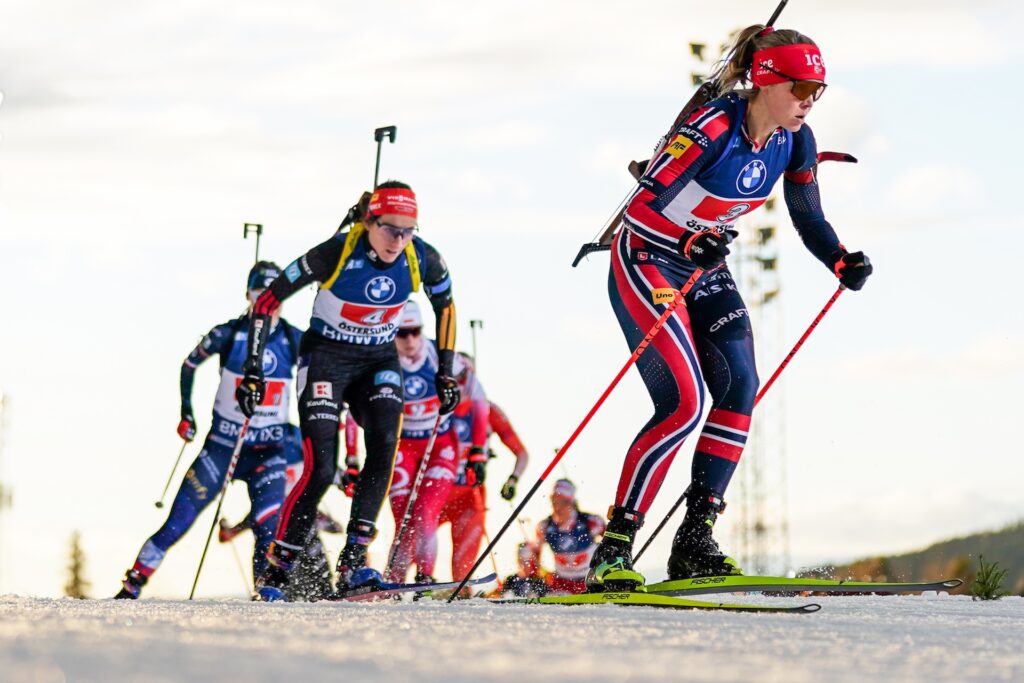
- February 2022: Voigt secures her first Olympic medal, contributing to the bronze-winning performance of the German mixed relay team at the Beijing Winter Games.
- 2023-2024 Season: Voigt cements her status as a consistent top-ten contender, accumulating multiple podium finishes and demonstrating world-class shooting accuracy.
- 2025 Season: A difficult year for the athlete, characterized by a mandatory withdrawal from the World Championships and a significant portion of the World Cup calendar. This period proved to be a turning point, necessitating a change in her training philosophy.
- February 2026: Voigt returns to the Olympic stage, helping the German team secure another bronze in the mixed relay, a performance that highlighted her resilience and tactical acumen.
- October 2026: Voigt officially announces her intent to train independently of the national team for the upcoming winter, citing a need for personalized volume and intensity management.
Contextualizing the German Team Dynamics
The decision by Voigt to train independently is occurring against a backdrop of instability and transition within the German biathlon camp. The German women’s team faced a significant void following the retirement of Franziska Preuss, the 2024 World Cup winner, who stepped away from the sport mid-season during the last winter cycle. Preuss’s departure placed immense pressure on the remaining veterans to fill the leadership vacuum, a role Voigt has increasingly occupied.
Furthermore, the coaching staff underwent a major transition when Sverre Olsbu Røiseland, the highly regarded head coach who led the German women for four years, announced his departure to take the helm of the Norwegian women’s national team. This leadership shift has forced many German athletes to re-evaluate their training environments, as the team adjusts to new tactical philosophies and performance expectations.
Statistical Profile and Performance Metrics
Vanessa Voigt’s credentials remain formidable. Over her career, she has accumulated 15 individual and team podium finishes in the IBU World Cup, including two individual victories. Her hallmark, however, has been her remarkable consistency on the shooting range. Even during periods of fluctuating physical form, her hit rate remains among the highest in the field, making her a critical asset for relay events.
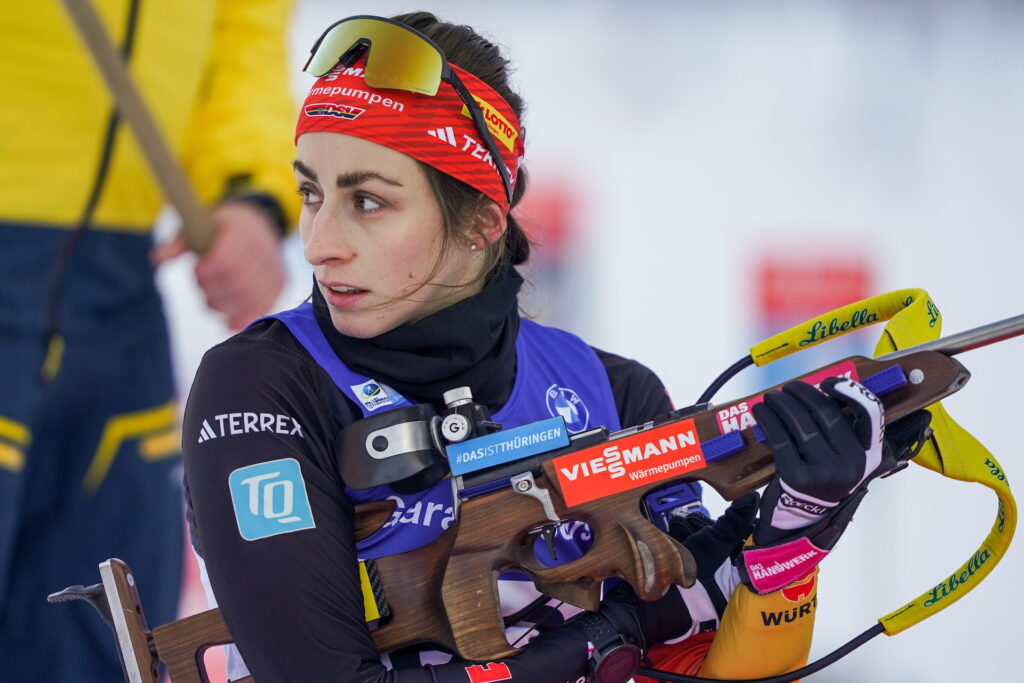
The shift to independent training raises questions about how she will maintain this standard without the immediate, daily feedback of the national coaching staff. However, the German Ski Association has opted for a pragmatic approach, choosing to support the athlete’s autonomy rather than forcing a rigid compliance with centralized protocols.
Official Responses and Organizational Support
The reaction from the German Ski Association (DSV) has been characterized by professional conciliation. Landslagssjef (National Team Director) Bernd Eisenbichler confirmed that the association has engaged in productive dialogue with Voigt to reach an agreement that satisfies both the athlete’s requirements and the team’s organizational standards.
"We have held thorough and honest conversations with Vanessa," Eisenbichler stated. "We have arrived at a solution that we believe is conducive to her success over the coming weeks. We remain in close contact and will continue to coordinate with her as we approach the season opener in Finland."

This response suggests a shift in the German approach to elite athlete management—moving away from a "one-size-fits-all" model toward a more flexible, athlete-centric framework. By accommodating stars like Voigt, the DSV is likely attempting to retain top-tier talent who might otherwise consider early retirement or alternative training setups.
Implications for the 2026-2027 Season
The implications of Voigt’s decision are twofold: performance-based and administrative. From a performance perspective, the coming weeks will determine whether individualization serves as a catalyst for a return to form or if the absence of a group training dynamic negatively impacts her race readiness. Biathlon, while a solitary pursuit on the shooting range, relies heavily on the intensity generated during group training sessions—often referred to as "race simulation"—to maintain competitive sharpness.
From an administrative standpoint, this sets a precedent within the German team. If Voigt succeeds, other veteran athletes may seek similar arrangements, potentially fragmenting the national team’s centralized training model. The DSV must now balance the benefits of individual autonomy for high-performing veterans with the need to maintain a cohesive, unified team culture for younger, developing athletes.
Looking Toward Kontiolahti
As the calendar turns toward the end of November, the focus shifts to the World Cup opener in Kontiolahti, Finland. The event, scheduled for November 26–29, will serve as the first true test of the off-season preparations for all nations. With the Norwegian team having already finalized their squad and the Germans in a state of flux, the competition promises to be fierce.
For Vanessa Voigt, the race in Kontiolahti will be a high-stakes verification of her new regimen. Having secured four World Championship medals and back-to-back Olympic bronze medals in her career, the expectations remain high. Her ability to integrate back into the team for international competition after weeks of independent training will be the primary narrative to follow as the season commences.
The German biathlon community, along with international observers, will be watching closely to see if this pivot pays dividends. Whether Voigt can reclaim her status as a perennial threat for the overall crystal globe will depend on her ability to execute a training plan that balances the high-intensity demands of professional biathlon with the personalized recovery she has deemed essential. In a sport where margins of victory are measured in seconds, this gamble on self-regulation may be the most defining move of her career.

