
The seemingly simple act of carrying skis can be a surprisingly revealing indicator of a skier’s experience level. For the uninitiated, or those who frequent the slopes only sporadically, wrestling with skis often results in an awkward gait, fumbled grips, and the universally recognized, yet widely discouraged, "Texas Suitcase" method. This visual cue, while sometimes amusing, underscores a fundamental aspect of mountain etiquette and practical preparation that can significantly enhance a skier’s overall experience. Recognizing this common challenge, professional European ski instructor and popular YouTube content creator, Marius Quast, has disseminated a clear and instructive guide to the proper technique for carrying skis, aiming to equip skiers of all levels with the confidence and skill to navigate mountain environments with ease and grace.
The Unspoken Language of Ski Carrying
In the bustling environment of ski resorts, from parking lots to lift lines, the way skiers handle their equipment speaks volumes. An experienced skier moves with a fluid efficiency, their skis an extension of their preparedness. Conversely, someone visibly struggling—adjusting their grip, stumbling, or resorting to makeshift carrying methods—often signals a novice or an infrequent visitor to the winter sports community. This struggle is not merely an aesthetic concern; it can lead to dropped equipment, potential damage to skis or bindings, and a general sense of discomfort that detracts from the enjoyment of the mountain.
The "Texas Suitcase," a technique where ski pole straps are employed to create a rudimentary handle for carrying skis, is a prime example of a seemingly practical solution that undermines a skier’s appearance and potentially their control. While it might offer a momentary sense of convenience, its widespread adoption among those lacking proper technique has rendered it a symbol of inexperience and an aesthetic faux pas within the skiing community. Experts universally advise against its use, emphasizing that there are more refined and effective methods available.
Marius Quast’s Expertise: A Solution for All Levels
Marius Quast, a seasoned ski instructor with a significant following on YouTube, has addressed this common predicament through a detailed video tutorial. His approach is rooted in the practical application of his extensive teaching experience, aiming to demystify the process and provide a universally applicable method. Quast’s guidance focuses on the precise placement of skis over the shoulder, demonstrating how to achieve a balanced and secure carry that projects confidence and competence.
The core of Quast’s instruction lies in understanding the optimal weight distribution and grip points. By educating skiers on these fundamentals, he seeks to foster a greater sense of ease and self-assurance when transitioning between different areas of the resort or transporting skis to and from accommodations. This initiative not only benefits individual skiers by improving their comfort and appearance but also contributes to a more polished and welcoming atmosphere within ski communities.
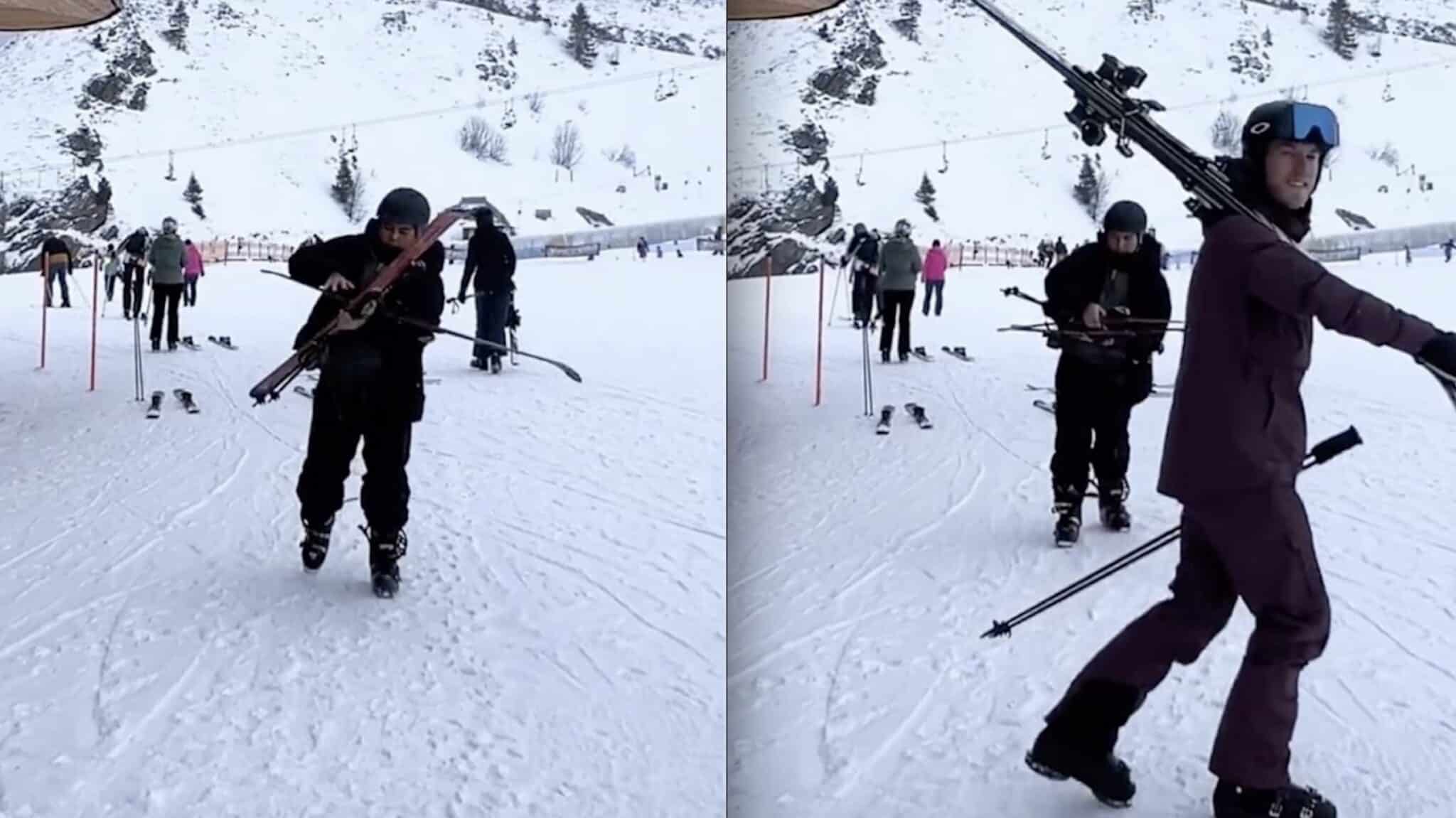
Deconstructing the "Texas Suitcase"
The "Texas Suitcase" method, while intuitive for some in its attempt to consolidate equipment, is widely considered detrimental to both the skier’s image and their ability to manage their skis effectively. The reliance on pole straps to form a handle can lead to uneven weight distribution, making the skis prone to swinging or tipping. This lack of control can result in collisions with others or the environment, potentially causing damage to the skis or injuries. Furthermore, the visual impact of this method is undeniable, often eliciting polite, or sometimes not-so-polite, chuckles from seasoned skiers. The inherent awkwardness and perceived lack of sophistication associated with this technique make it a practice that many instructors, including Quast, actively discourage.
The Broader Implications of Proper Technique
The ability to carry skis with proficiency extends beyond mere aesthetics; it is an integral component of a well-rounded skiing experience. It reflects respect for the equipment, the environment, and fellow mountain-goers. A skier who can effortlessly manage their gear demonstrates a level of preparedness and understanding that enhances their presence on the mountain. This confidence can translate into a more enjoyable and less stressful day, allowing the skier to focus on the thrill of the slopes rather than the burden of their equipment.
Moreover, the dissemination of proper techniques, such as Marius Quast’s instructional videos, plays a vital role in the growth and accessibility of snow sports. By providing clear, actionable advice, these resources help to break down barriers for newcomers, making the sport feel more approachable and less intimidating. As more individuals adopt efficient carrying methods, the overall experience for everyone on the mountain can be elevated, fostering a more inclusive and enjoyable environment for all. The simple act of carrying skis, when executed correctly, becomes a small yet significant demonstration of belonging and mastery within the vibrant world of skiing.
The Evolution of Skiing and Equipment Handling
The history of skiing is intrinsically linked to the evolution of ski equipment and the practices associated with its use. In the early days of skiing, equipment was heavier, more cumbersome, and less forgiving. Skis were often made of solid wood, and bindings were rudimentary. Carrying these early skis required significant strength and a practiced technique, often involving wrapping them over the shoulder with the bases facing outward to protect the edges. As materials and designs advanced, skis became lighter, more maneuverable, and equipped with sophisticated edge technology. This progression in equipment design naturally led to refinements in how skiers interact with their gear, both on and off the slopes.
The development of shaped skis, for instance, introduced a new paradigm in on-snow performance but also altered the way skis were carried. Their wider profiles and more complex sidecuts meant that simply gripping the base was no longer the most stable or efficient method for many. This shift necessitated a re-evaluation of carrying techniques, leading to the popularization of methods that better accommodate the varied shapes and sizes of modern skis.
The Role of Digital Platforms in Skill Dissemination
The advent of the internet and social media platforms has revolutionized the way knowledge and skills are shared within niche communities, and the skiing world is no exception. Platforms like YouTube have become invaluable resources for skiers seeking to improve their technique, understand equipment, or simply gain inspiration. Content creators like Marius Quast leverage these digital spaces to reach a global audience, offering accessible and expert-led instruction that was previously only available through in-person lessons.
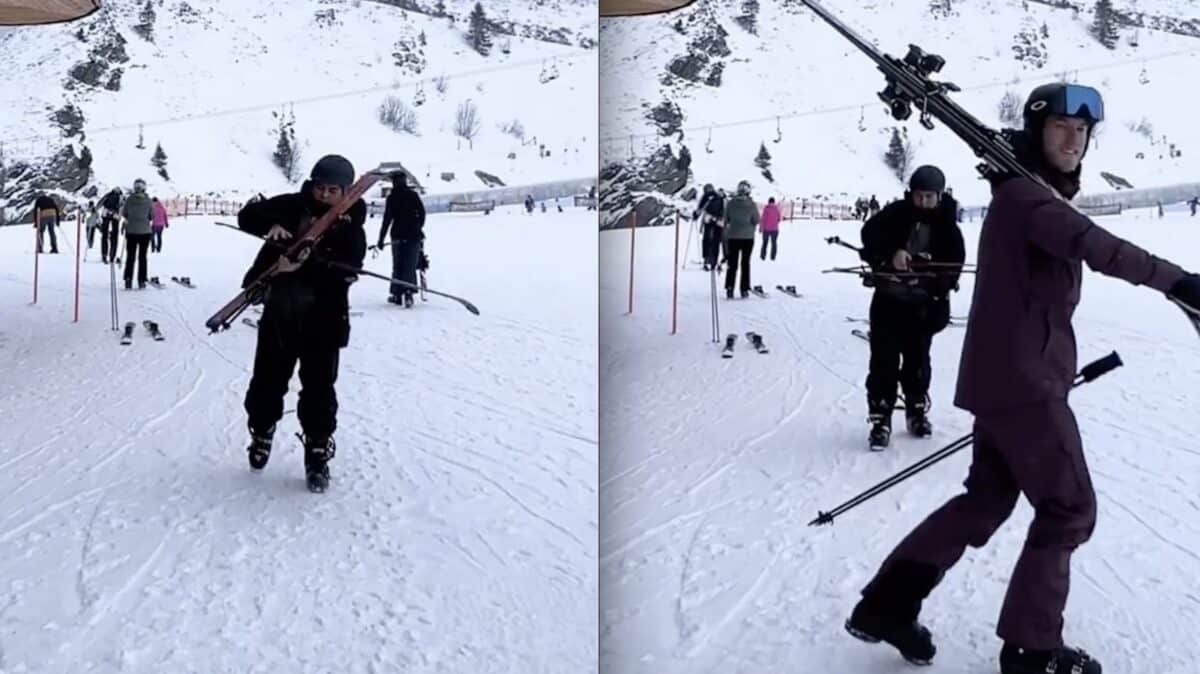
Quast’s decision to share his expertise on carrying skis through a video format is a testament to the power of digital dissemination. A visual medium allows for a far more nuanced demonstration than text alone can provide. Viewers can observe the precise hand placements, the angle of the skis, and the subtle adjustments that contribute to a balanced carry. This visual learning approach is particularly effective for kinesthetic learners and for demonstrating physical techniques that are difficult to describe in words. The widespread accessibility of such content democratizes learning, enabling skiers of all backgrounds and geographical locations to benefit from professional guidance. The fact that this advice is shared freely underscores a commitment to fostering a stronger, more confident, and more aesthetically pleasing skiing community.
Analyzing the Impact on Resort Operations and Safety
Beyond the individual skier, the widespread adoption of proper ski-carrying techniques can have a positive impact on the operational efficiency and safety of ski resorts. When skiers can navigate crowded base areas, parking lots, and lift lines with ease, it reduces congestion and the potential for accidental collisions. In high-traffic areas, such as the base of a popular lift, a group of skiers struggling with their equipment can create bottlenecks, slowing down the flow of people. Conversely, a cohesive group of skiers who can manage their gear efficiently contributes to a smoother and more orderly progression.
From a safety perspective, a secure grip on skis minimizes the risk of them falling and striking other skiers or snowboarders. This is particularly important in areas where skiers might be dismounting from lifts or traversing short distances to reach slopes. Furthermore, a skier who is not preoccupied with maintaining their grip is more likely to be aware of their surroundings, reducing the likelihood of tripping or falling, which can lead to injuries. While not a primary safety concern in the same vein as avalanche awareness or piste etiquette, proper equipment handling is a foundational element that contributes to an overall safer mountain environment.
Future Trends and Continued Education
As the sport of skiing continues to evolve, so too will the associated techniques and best practices. Future developments in ski technology may introduce new challenges or offer innovative solutions for equipment transport. For instance, the increasing popularity of backcountry skiing and touring, with its specialized equipment like lightweight skis and touring bindings, often requires different carrying strategies, particularly when hiking or boot-packing uphill.
The ongoing commitment to education, exemplified by instructors like Marius Quast, will remain crucial. As new generations of skiers emerge, the fundamental principles of responsible and efficient equipment handling will need to be consistently reinforced. This can be achieved through a combination of in-person instruction at ski schools, readily available online resources, and the encouragement of experienced skiers to mentor newcomers. The goal is to cultivate a culture where proper technique is not just seen as a matter of style but as an integral part of the skiing experience, contributing to enjoyment, safety, and respect for the mountain environment. Ultimately, mastering the art of carrying skis is a small but significant step in becoming a more accomplished and considerate skier.
