
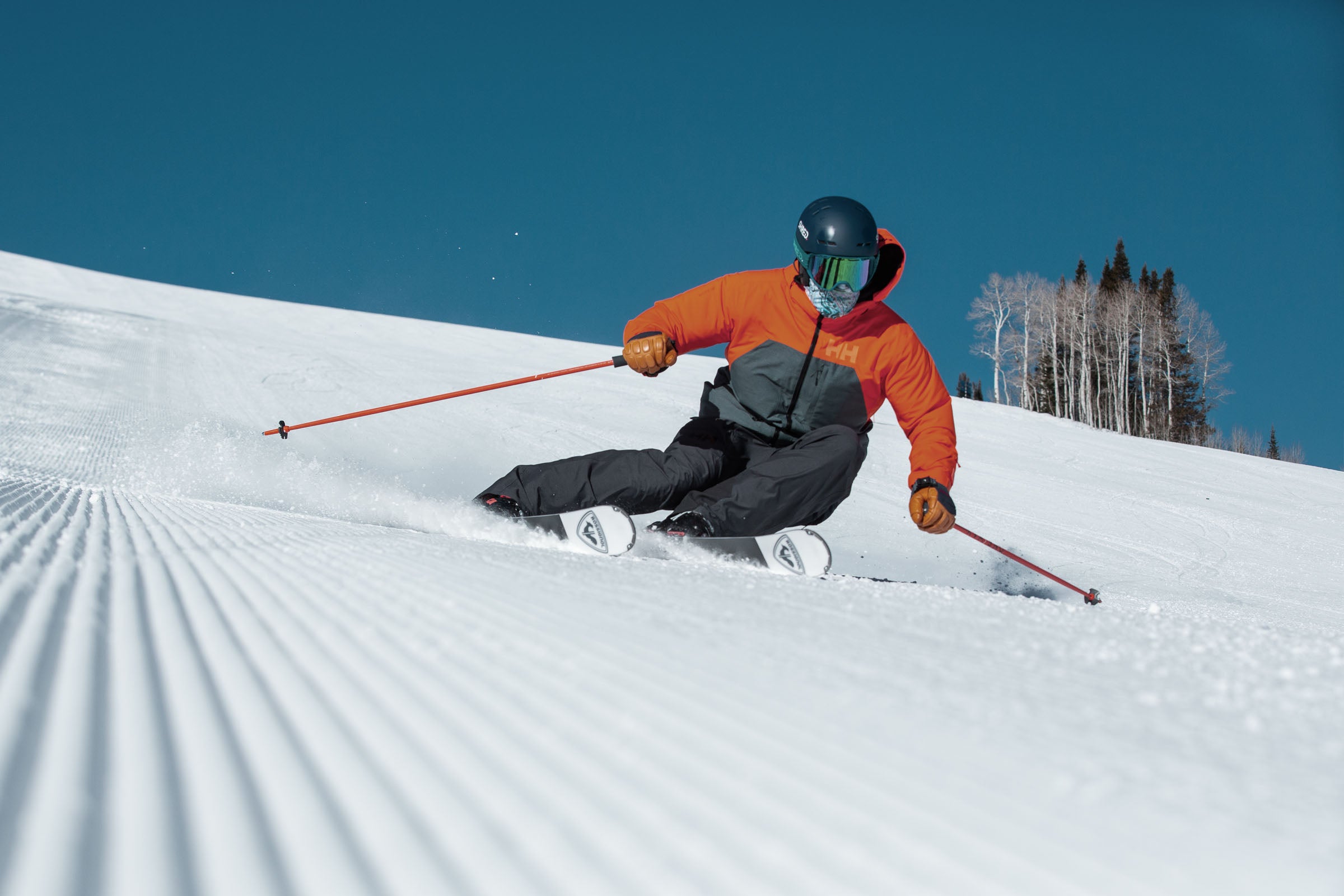
Skiing is a sport defined by the paradox of gravity and exertion; while the primary direction of travel is downhill, the physiological demands placed on the human body are among the most strenuous in the outdoor athletic world. As the winter season approaches, the focus for both professional athletes and recreational enthusiasts shifts from equipment selection to physical readiness. The annual SKI Test, a cornerstone event in the industry where the latest carving technology is put to the test on pristine corduroy snow, serves as a perennial reminder that even the most advanced Rossignol or Volkl skis cannot compensate for a lack of physical conditioning. To address this gap, elite coaches like Chris Miller have developed specialized training protocols designed to bridge the divide between raw strength and the sustained performance required for long days in the backcountry or high-speed laps on groomed runs.
The Physiological Foundation of Power Endurance
In the context of alpine sports, "power endurance" is defined as the ability of the neuromuscular system to sustain high-intensity, explosive movements over a prolonged period. While traditional strength training might focus on the maximum weight a skier can squat, power endurance focuses on the ability to execute a perfect carved turn at the end of a four-minute descent when lactic acid levels are peaking. This hybrid fitness state is the "key ingredient" that Miller identifies as essential for maintaining stability and control.
Physiologically, skiing relies heavily on eccentric muscle contractions—where muscles lengthen under tension—to absorb terrain changes and resist centrifugal forces during turns. Research in sports medicine suggests that the majority of non-contact skiing injuries, particularly ACL tears and meniscus damage, occur during the final hours of the ski day. This phenomenon is directly linked to the degradation of power endurance; as the primary movers (the quadriceps and glutes) fatigue, the body’s ability to stabilize the knee joint through muscular support diminishes, placing the burden on ligaments and bone structures. Training for power endurance, therefore, is as much a matter of safety and injury prevention as it is a matter of performance.
A Chronological Approach to Pre-Season Conditioning
The transition from sedentary autumn months to the high-impact environment of the slopes requires a tiered approach to fitness. Coach Chris Miller’s methodology emphasizes a progression that begins with mobility and activation before moving into high-output power circuits. This structure mimics the demands of a typical ski day: a period of warming up the joints, followed by intense bursts of leg activity, all supported by a stable, unyielding core.
Phase I: The Quadruped and Mobility Warm-Up
Before engaging in explosive movements, the body must be "primed" to ensure the nervous system is communicating effectively with the musculature. The Quadruped Series is a foundational element of this routine, focusing on the "trunk" or core, which acts as the transmission between the upper and lower body. By performing movements such as bird-dogs or quadruped rotations—typically in sets of six per side—skiers activate the multifidus and transverse abdominis muscles. These muscles are critical for maintaining a "quiet" upper body while the legs work independently underneath.
Following the quadruped work, the Lunge Series and Dynamic Series introduce multi-planar movement. Skiing is rarely a linear sport; it involves lateral shifts and rotational stresses. By performing lunges and dynamic stretches (two to six reps per side), athletes increase the synovial fluid in the hip, knee, and ankle joints, reducing the risk of strains during the more intensive portions of the workout.
Phase II: The Leg Power Circuit and Sandbag Integration
Once the body is activated, the focus shifts to the primary drivers of the ski turn. Miller’s "Power Circuit No. 1" utilizes sandbags and plyometric movements to simulate the shifting weight and unpredictable forces of a mountain environment. The sandbag is an ideal tool for skiers because its weight is "alive"—it shifts and flows, forcing the stabilizer muscles to react in real-time, much like a skier reacting to a hidden bump in the snow.
The circuit typically involves four sets with no rest between individual exercises, such as sandbag squats or cleans, followed by a 45-second recovery period between sets. This high-density training is designed to elevate the heart rate while under load, specifically targeting the anaerobic glycolytic energy system. A standout exercise in this phase is the Skater Hop. By jumping laterally from one foot to the other, skiers mimic the edge-to-edge transition of a carving turn. This movement builds explosive power in the gluteus medius, a muscle vital for maintaining knee alignment and preventing the "valgus collapse" that often leads to ligament failure.
Phase III: Trunk Stability and Anti-Movement
The final component of the power endurance regimen is the "Trunk Circuit," which focuses on anti-movement. In skiing, the core’s primary job is not to move the body, but to resist being moved by external forces. When a skier hits a mogul or a patch of ice, the core must remain rigid to prevent the torso from collapsing forward or rotating out of alignment.

Exercises like the Dead Bug and various "anti-rotation" holds are performed in three sets, with 45 to 60 seconds of rest. These movements train the athlete to keep the spine neutral while the extremities are in motion. By strengthening the "anti-movement" capacity of the trunk, skiers can maintain a more aerodynamic and balanced stance, which directly translates to better edge pressure and more efficient energy transfer into the snow.
Supporting Data and Industry Implications
The necessity of this specific training is supported by data from the National Ski Areas Association (NSAA) and various sports science journals. Studies indicate that an average skier may burn between 400 and 600 calories per hour, but the intensity is highly intermittent. Heart rates frequently spike into the 80-90% of maximum range during a descent and then drop during the lift ride. This "interval" nature of the sport is why steady-state cardio, like jogging, is often insufficient for peak ski performance.
Furthermore, the evolution of ski technology has changed the physical requirements of the sport. Modern carving skis, featured in the annual SKI Test, allow for much higher edge angles and greater speeds than the straight skis of the 1980s. These higher speeds result in greater G-forces in every turn. To "lay the newest carving skis over on pristine corduroy," as the SKI Test editors describe, requires a level of leg strength and core tension that was less critical in decades past.
Expert Analysis: The Shift Toward Functional Longevity
The adoption of power endurance routines marks a shift in the skiing community toward "functional longevity." In previous eras, pre-season training was often limited to "wall sits" and basic leg presses. However, experts like Chris Miller and the trainers at elite academies are moving toward holistic, multi-dimensional movement patterns.
"True ski fitness is about more than just leg strength," Miller notes. It is about the integration of the entire kinetic chain. When a skier is fatigued at 3:00 PM on a Friday afternoon, it is the endurance of their power—their ability to still fire those muscles with precision—that determines whether they make it to the base area safely or end up in the clinic.

The broader implication for the ski industry is a potential reduction in the "injury rate per 1,000 skier days." As more recreational skiers adopt professional-grade training regimens, the overall safety of the mountain environment improves. Better-conditioned skiers are more in control, less likely to collide with others, and more capable of navigating challenging terrain without losing their form.
Conclusion and Future Outlook
As the 2025-2026 ski season approaches, the message from the training community is clear: preparation is the prerequisite for performance. By dedicating time to power endurance—specifically through the Quadruped, Sandbag, and Trunk circuits—skiers can ensure that their physical capabilities match the high-performance potential of their equipment.
The transition from the gym to the gondola is a matter of discipline and specific intent. With the right foundation of stamina, balance, and coordination, the "best days" of the SKI Test and personal ski trips alike become not just a test of endurance, but a celebration of athletic capability. Whether charging through back bowls or perfecting the art of the carve, the power to endure is what turns a good season into a great one.
