
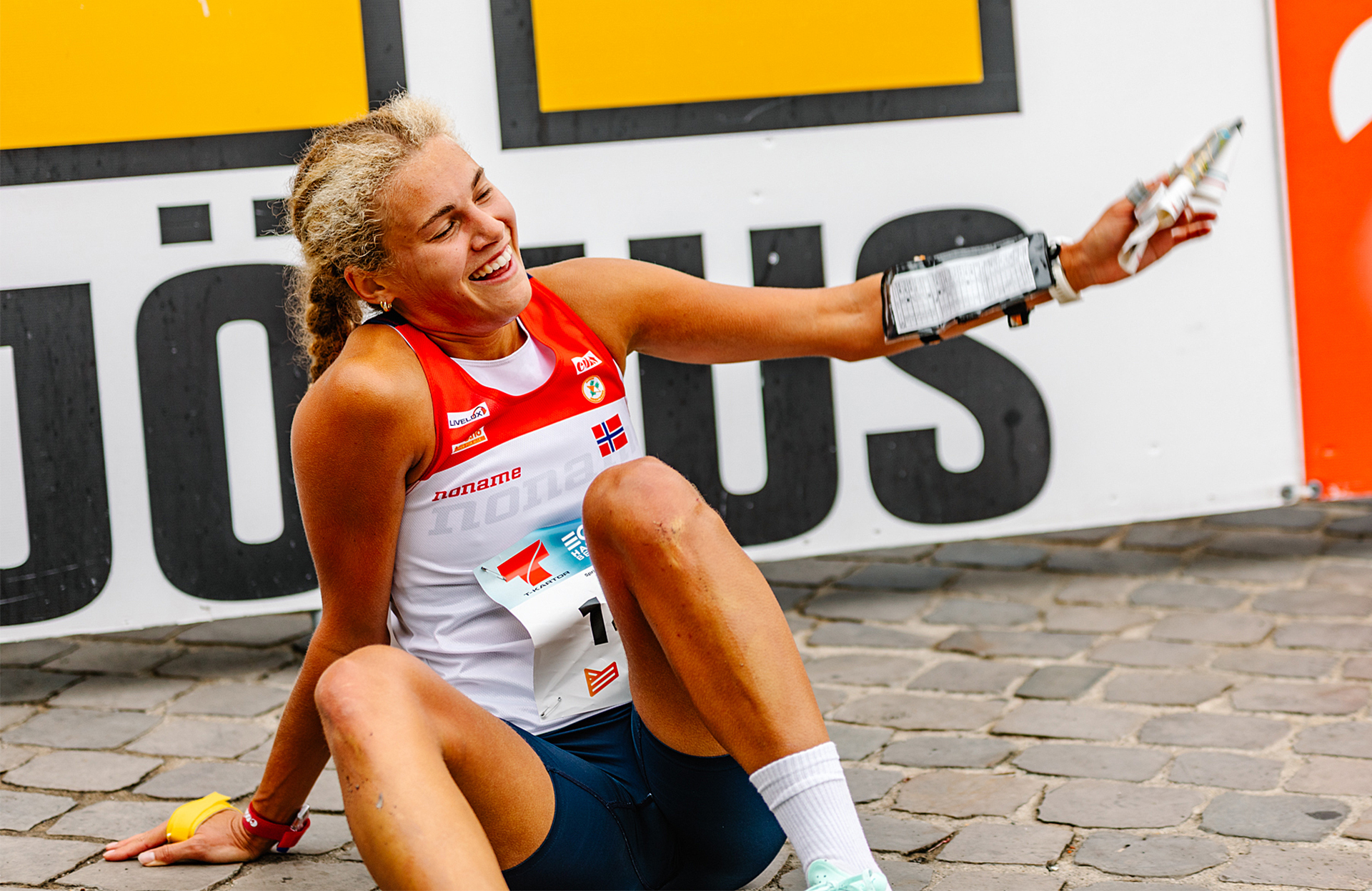
The opening round of the Orienteering World Cup in Locarno, Switzerland, witnessed a stark contrast in fortunes for Norwegian athletes, with the women’s team delivering a stellar performance that salvaged national pride, while the men’s contingent struggled to break into the top ten. Pia Young Vik led the charge for the Norwegian women, securing a podium finish and contributing to a strong overall team showing, a stark contrast to the men’s difficulties in the sprint discipline.
Women’s Dominance in the Swiss Sprint
The picturesque setting of Locarno provided a challenging and exciting backdrop for the first World Cup sprint of the season. The women’s race, in particular, showcased the depth and talent within the Norwegian team. Pia Young Vik delivered a performance that initially suggested a potential victory, leading the pack for a significant portion of the demanding course. Her strong showing, characterized by precise navigation and sustained speed, placed her firmly in contention for the win. However, the competitive landscape proved fierce, with Swedish rival Hanna Lundberg delivering a technically flawless final sprint. Lundberg, starting later in the field, ultimately clocked a time that was a full 20 seconds faster than Young Vik’s, securing a decisive victory. This "blue-yellow" win for Sweden was particularly notable in the absence of their star athlete, Tove Alexandersson, often considered the "queen" of orienteering.
The absence of Alexandersson opened the door for other contenders, and the race for the podium was intense. Simona Aebersold of Switzerland, the reigning World Cup champion, faced an initial setback in her home event, starting slower than desired. Despite this early disadvantage, Aebersold mounted a strong comeback, at one point challenging Pia Young Vik for the lead. However, she ultimately could not maintain her momentum through the final stages of the course, finishing in third place, just behind the impressive Norwegian. This result still represented a significant achievement for Aebersold on home soil, demonstrating her resilience and championship pedigree.
The Norwegian success was not limited to Pia Young Vik’s individual performance. Andrine Benjaminsen and Victoria Håstad Bjørnstad also demonstrated remarkable consistency, securing sixth and tenth place respectively. Their races were characterized by a lack of major errors, a crucial factor in the highly technical sprint discipline. Benjaminsen finished just 37 seconds behind the winner, while Bjørnstad was 49 seconds adrift, highlighting the tight competition over the nearly 4-kilometer course. These placings underscore the collective strength of the Norwegian women’s team and their potential to contend for top honors throughout the season.
Men’s Struggles in the Sprint Discipline
In stark contrast to the women’s success, the Norwegian men’s team faced a challenging start to their World Cup campaign. The sprint format, known for its demanding navigation and rapid pace, proved particularly difficult for the male competitors. Pre-race favorite Kasper Fosser, widely expected to challenge for the win, encountered significant difficulties. While he managed to recover from a somewhat hesitant start and regain ground, a major navigational error on the longest leg of the course ultimately derailed his chances of a top finish. This mistake proved costly, pushing him outside the top ten.
Fosser ultimately finished just outside the coveted top-10 positions, narrowly ahead of his teammate Eirik Langedal Breivik. Both athletes had demonstrated strong form earlier in the season, including victories in the previous World Cup final held in Switzerland. However, the dynamics of the sprint discipline in Locarno proved to be a different challenge. The technical demands and the unforgiving nature of even minor errors were starkly evident in their results.
The men’s race was ultimately won by Swiss local hero Tino Polsini, who secured his second World Cup victory by a mere one-second margin over Tomas Krivda of the Czech Republic. This close finish exemplifies the razor-thin margins in elite orienteering. The final podium spot was claimed by Yannick Michiels of Belgium, who started last and delivered a strong performance to secure third place. The absence of a Norwegian presence on the men’s podium marks an unusual start to the season and raises questions about the team’s strategy and preparation for sprint events.
Background and Context of the Locarno World Cup
The Orienteering World Cup is the premier international competition in the sport, bringing together the world’s best athletes across various disciplines, including sprint, middle-distance, and long-distance races. The 2026 season opener in Locarno, Switzerland, was highly anticipated, offering athletes a chance to test their skills on a technically demanding European terrain. Locarno, nestled in the southern Swiss canton of Ticino, is known for its varied terrain, which can include urban environments, intricate forests, and challenging open country, demanding a high level of navigational skill and physical endurance.
The sprint discipline, in particular, requires athletes to navigate through complex terrains at high speed, often in urban settings or dense forest areas. Success in sprint orienteering relies on a combination of sharp decision-making, precise route choices, and flawless execution under pressure. A single mistake in navigation can cost valuable seconds, often the difference between a podium finish and a position outside the top ten. This was clearly demonstrated in both the men’s and women’s races in Locarno.
The World Cup season serves as a crucial indicator of athlete form leading up to major championships, including the World Orienteering Championships. Performances in these early races provide valuable insights into the strengths and weaknesses of individual athletes and national teams. The contrasting results in Locarno suggest that while the Norwegian women are building strong momentum, the men will need to reassess their approach to the sprint discipline to remain competitive on the international stage.
Analysis of Implications and Future Prospects
The contrasting fortunes in Locarno carry significant implications for the Norwegian orienteering program. For the women, the strong showing in the opening round is a positive sign, confirming their status as medal contenders. Pia Young Vik’s podium finish, coupled with the solid performances of Benjaminsen and Bjørnstad, indicates a robust team capable of challenging for individual wins and team accolades. This success will likely boost morale and confidence as they head into the subsequent stages of the World Cup. The depth of talent suggests that Norway will be a significant force in women’s orienteering for the foreseeable future.
On the men’s side, the struggles in the sprint discipline present a clear area for improvement. While Kasper Fosser remains a formidable athlete, particularly in longer formats, his performance in Locarno highlights the need for enhanced preparation and strategy for sprint races. The fact that he, along with Eirik Langedal Breivik, finished outside the top ten suggests that other nations have made significant strides in this discipline. The Norwegian men’s team will need to analyze the technical aspects of their sprint racing, focusing on minimizing errors and optimizing their route choices. The upcoming sprint relay, scheduled for later in the weekend, will provide another opportunity to assess their collective strength in this format.
The broader implication for Norwegian orienteering is the need for a balanced approach to developing talent across all disciplines and genders. While the women’s team is clearly thriving, the men’s challenges in sprint orienteering may require targeted coaching and training programs. The sport is constantly evolving, with athletes pushing the boundaries of speed and navigation. To maintain their standing as a leading orienteering nation, Norway must ensure that all its athletes are equipped to excel in every format.
The upcoming events in the World Cup series will be crucial in determining whether the women’s success is a sustained trend and whether the men can rebound from their opening-day disappointment. The ability of the men’s team to adapt and improve in the sprint discipline will be a key storyline to follow throughout the season.
Chronology of Events
The World Cup event in Locarno commenced with the individual sprint races. The women’s competition saw Pia Young Vik initially leading, with Hanna Lundberg eventually securing the win. Simona Aebersold finished third, with Andrine Benjaminsen and Victoria Håstad Bjørnstad placing sixth and tenth respectively. In the men’s race, Kasper Fosser and Eirik Langedal Breivik finished outside the top ten, while Tino Polsini took the victory. The event will continue with a sprint relay competition, offering another opportunity for the Norwegian teams to showcase their abilities and for the men to demonstrate their potential for recovery.
Official Statements and Reactions (Inferred)
While direct quotes were not available in the provided text, it is logical to infer that the Norwegian Orienteering Federation would express pride in the women’s exceptional performance. A spokesperson might comment on Pia Young Vik’s "outstanding race" and the "impressive depth" of the women’s team. Regarding the men’s results, the federation would likely acknowledge the "challenging day" and emphasize a commitment to analyzing performance and "working on strategies for improvement" in sprint orienteering. Coaches would be expected to provide specific feedback to the athletes, focusing on the technical aspects of navigation and decision-making in high-pressure situations.
Broader Impact and Implications for the Sport
The contrasting performances in Locarno serve as a reminder of the dynamic and competitive nature of international orienteering. The rise of strong female athletes and teams globally continues to elevate the sport. The success of countries like Sweden and Switzerland in challenging Norwegian dominance in certain disciplines highlights the growing global talent pool. For the sport itself, these diverse results contribute to a more exciting and unpredictable World Cup season, captivating a wider audience. The continued development of sprint orienteering, particularly in urban and complex terrains, also reflects the sport’s adaptation to new challenges and its appeal to a broader range of athletes. The Locarno event has set the stage for an intriguing season, with much to unfold as athletes and teams navigate the remaining World Cup stages and prepare for future major championships.

