
The Northwest Avalanche Center (NWAC) has announced the appointment of its new Volunteer and Communications Coordinator, a role poised to significantly bolster the organization’s outreach efforts and strengthen its vital network of volunteers. This strategic hiring comes at a pivotal time for NWAC, as the organization continues its mission to provide crucial avalanche safety information and forecasting to the growing community of backcountry enthusiasts in the Pacific Northwest. The new coordinator brings a blend of international experience and a deep-seated connection to the region, aiming to leverage communications and marketing expertise to expand NWAC’s reach and accessibility.
The individual stepping into this key position spent the preceding two years immersed in the French Alps, where they honed their skills teaching English and gained valuable experience in diverse cultural and professional environments. This international sojourn, following a period of engaging with the nonprofit and outdoor industries, has provided a unique perspective that is expected to enrich NWAC’s strategic communications. The coordinator’s background in communications and marketing is seen as a critical asset in developing and implementing effective strategies to connect with a broader spectrum of backcountry users, from seasoned professionals to novice adventurers.
Expanding NWAC’s Impact Through Enhanced Communication and Volunteer Support
In their role as Volunteer and Communications Coordinator, the new hire will be tasked with a multifaceted approach to advancing NWAC’s objectives. Key responsibilities will include providing dedicated support to NWAC’s extensive volunteer network, a cornerstone of the organization’s operational capacity. Volunteers are instrumental in data collection, public outreach, and assisting with educational programs, all of which are essential for comprehensive avalanche forecasting and safety promotion. By focusing on enhancing volunteer support, NWAC aims to ensure the continued strength and effectiveness of these critical human resources.
Furthermore, the coordinator will play a pivotal role in shaping NWAC’s digital presence. This includes contributing to social media content creation and the development of overarching social media strategies. In an era where digital platforms are primary channels for information dissemination, a robust and engaging online presence is paramount for reaching a wide audience. The coordinator’s expertise will be directed towards crafting compelling narratives and informative content that resonates with the backcountry community, fostering greater awareness and engagement.
Event planning is another significant area of responsibility. NWAC regularly hosts and participates in various events, including workshops, public forums, and fundraising initiatives. The coordinator’s involvement in these activities will be crucial for their successful execution, ensuring that NWAC can effectively engage with the public, educate stakeholders, and foster a sense of community around avalanche safety. Ultimately, the overarching goal of these efforts is to support and expand NWAC’s reach to backcountry enthusiasts of all levels and backgrounds, emphasizing inclusivity and accessibility.
Bridging Local Roots with Global Experience
The new coordinator’s personal connection to the Pacific Northwest significantly informs their approach to their new role. Having grown up skiing at Crystal Mountain, the West South zone holds particular sentimental value. This firsthand experience with the local terrain and its associated challenges provides an intimate understanding of the environment NWAC serves. However, the coordinator also expresses keen anticipation for exploring the Snoqualmie Pass zone, the immediate vicinity of NWAC’s office. This eagerness to engage with diverse regional areas underscores a commitment to understanding and serving the entirety of NWAC’s operational domain.

The experience gained in the French Alps, a region renowned for its challenging and extensive backcountry terrain, offers a valuable comparative perspective. The coordinator’s account of skiing in Chamonix on a "bluebird day surrounded by a cathedral of alpine peaks" highlights a profound appreciation for the transformative power of nature and the mountains. This memory, described as one of the most "epic ski memories," underscores a deep personal connection to the very environments that NWAC strives to make safer and more accessible. This international experience, combined with local knowledge, provides a unique foundation for developing culturally sensitive and globally informed strategies for avalanche safety education.
A Universal Message for Backcountry Users: Safety and Respect
A central tenet of the new coordinator’s message to all backcountry users is the principle of universal responsibility regarding safety. The assertion that "the moment you step foot (or ski or board or sled!) into backcountry terrain, you are a backcountry skier/rider/snowshoer/user" emphasizes that everyone venturing into these environments shares a common responsibility for their well-being and the safety of others. This applies regardless of experience level, from a novice taking their first steps on snowshoes to a seasoned expert.
The critical importance of avalanche safety is underscored by the statement that it "still applies!" This direct and unambiguous message aims to dismantle any perception that avalanche awareness and preparedness are exclusive to advanced users. NWAC’s commitment to inclusivity, as articulated by the coordinator, means ensuring that "everyone deserves access to the outdoors." However, this access is intrinsically linked to a duty to "learn about and respect the mountain conditions, no matter what adventure takes you out there." This philosophy champions a balanced approach, promoting open access while instilling a profound respect for the inherent risks and complexities of the backcountry.
Vision for the Future of Avalanche Safety and NWAC
The new Volunteer and Communications Coordinator expresses significant enthusiasm for the future trajectory of NWAC and the broader field of avalanche safety. A key area of excitement is NWAC’s dedication to making avalanche resources "as accessible as possible for anyone stoked about getting into the backcountry." This commitment aligns with the organization’s mission to democratize access to vital safety information, thereby empowering a wider range of individuals to make informed decisions in the mountains.
Several significant initiatives are underway that underscore this forward-looking vision. The development of a new website designed to "centralize avalanche center forecasts from across the country" represents a substantial step towards a more unified and user-friendly national avalanche information system. Such a platform has the potential to streamline access to critical data, making it easier for backcountry users to plan their trips and assess risks across different regions.
Furthermore, NWAC’s ongoing efforts to "continue to build our community of volunteers and members" highlight the organization’s recognition of the invaluable human capital that supports its operations. A strong and engaged community is essential for the sustained success of any nonprofit organization. Equally important is the focus on "developing more programs and opportunities for people of all backgrounds to get involved with NWAC." This inclusive approach aims to broaden participation in avalanche safety education and advocacy, ensuring that the benefits of NWAC’s work reach diverse populations and foster a more equitable outdoor recreation landscape.
The Evolving Landscape of Avalanche Forecasting and Public Engagement
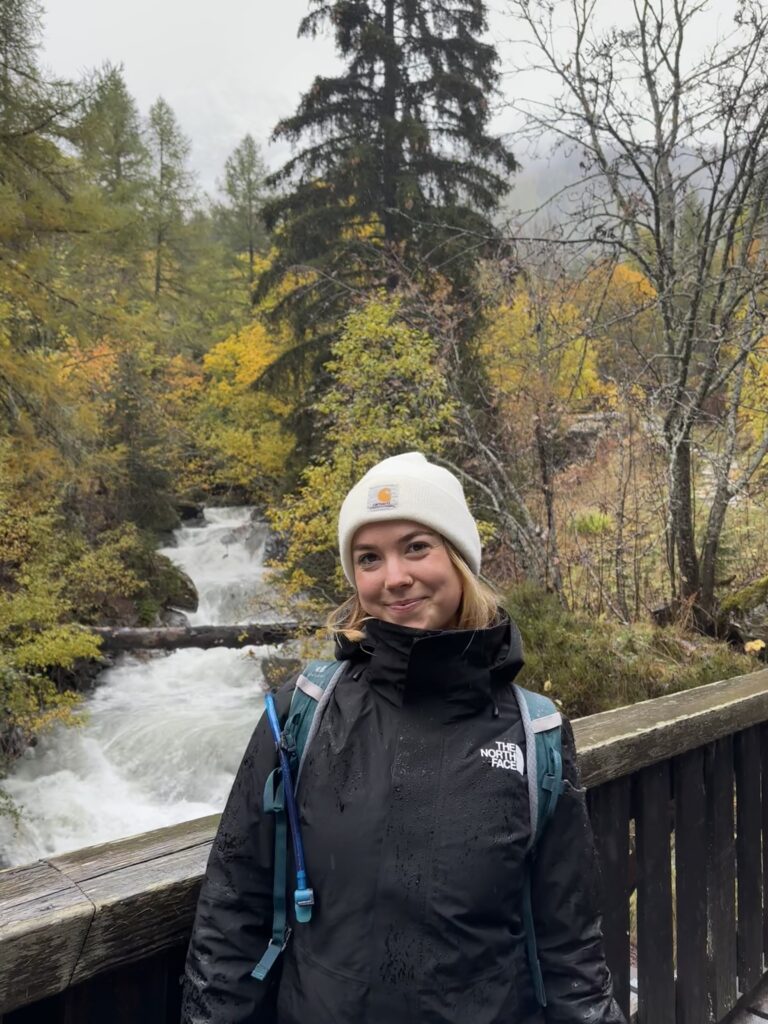
The appointment of a dedicated Volunteer and Communications Coordinator by NWAC signifies a strategic investment in enhancing public engagement and operational efficiency. The organization operates within a dynamic environment where increasing numbers of individuals are venturing into the backcountry for recreation and sport. This trend, while positive in promoting outdoor activity, also presents challenges related to safety education and risk management.
NWAC, as a non-profit organization, relies heavily on the contributions of volunteers and the support of its community. The coordinator’s role in nurturing these relationships is therefore critical. Volunteers contribute essential field observations, assist in educational outreach, and provide logistical support for events. By strengthening the volunteer program, NWAC can expand its data-gathering capabilities, enhance its educational footprint, and extend its reach into underserved communities.
The emphasis on communications strategy, particularly through social media, reflects an understanding of contemporary information dissemination channels. Avalanche forecasts and safety advisories are time-sensitive and require rapid, widespread communication. A well-executed social media strategy can ensure that crucial information reaches backcountry users in a timely and accessible manner, potentially mitigating risks and preventing incidents. The development of engaging content that educates and informs, rather than simply stating facts, can foster a deeper understanding of avalanche hazards and promote a culture of safety.
Analyzing the Implications of Enhanced Outreach
The implications of NWAC’s enhanced focus on communication and volunteer engagement are far-reaching. Firstly, it signals a proactive approach to addressing the growing demand for backcountry recreation. As more people participate in activities like skiing, snowboarding, snowshoeing, and snowmobiling in avalanche-prone areas, the need for accurate and accessible safety information becomes paramount. By investing in these areas, NWAC is positioning itself to meet this increasing demand effectively.
Secondly, the focus on inclusivity and accessibility in avalanche safety education is a critical development. Historically, avalanche safety training and information may have been perceived as exclusive or primarily for advanced practitioners. NWAC’s stated commitment to reaching "people of all backgrounds" and ensuring "everyone deserves access to the outdoors" suggests a move towards a more equitable approach. This inclusive strategy is likely to foster greater awareness and participation in safety protocols across a wider demographic, potentially reducing avalanche fatalities and injuries among diverse user groups.
The development of a national platform for avalanche forecasts, as mentioned, is a significant undertaking with the potential to standardize and improve the delivery of critical weather and snowpack information. Such a centralized resource could simplify trip planning for individuals traveling across different regions and provide a consistent baseline of information for forecasting centers nationwide. This initiative aligns with broader trends in data integration and accessibility within the scientific and public safety sectors.
The success of these initiatives will depend on a sustained commitment to resource allocation, effective program management, and continuous evaluation. The new Volunteer and Communications Coordinator’s role is central to driving these efforts forward, translating organizational goals into tangible outcomes that enhance public safety and foster a stronger, more informed backcountry community. The ongoing evolution of NWAC, with its emphasis on communication, community building, and accessibility, points towards a future where avalanche safety is an integral and understood component of every backcountry adventure.
