
The United States ski industry is grappling with the aftermath of a historically catastrophic winter, as newly released data confirms the 2025-26 season was defined by unprecedented snow droughts and a sharp decline in skier visitation. According to a preliminary report from the National Ski Areas Association (NSAA), the industry saw a total drop of 9 million skier visits compared to the previous year, representing a 9.1% decline from the 10-year average. The impact was most acutely felt in the Western United States, particularly within the Rocky Mountain region, where visitation plummeted by 24% following a winter that saw the lowest snowfall totals in more than a decade.
Industry leaders and climate scientists are characterizing the past season as a "climate anomaly" that tested the limits of modern snowmaking infrastructure. While the Eastern United States and parts of the Midwest remained near or slightly above historical averages, the high-altitude resorts of the West—long considered the crown jewels of American skiing—faced a reality where natural precipitation simply failed to materialize. The average snowfall across the entire United States was recorded at just 112 inches (2.84m), a staggering 33% decrease from the 10-year average of 169 inches (4.29m).
The Colorado Crisis: A Historic Low for the High Country
Colorado, home to world-renowned destinations such as Vail, Breckenridge, and Aspen, stood at the epicenter of the crisis. The Colorado Climate Center officially designated the 2025-26 winter as "the worst year for the Colorado snowpack in recorded history." For a state whose economy is inextricably linked to the "champagne powder" of the Rockies, the lack of accumulation was more than a disappointment; it was a systemic shock.
In typical years, Colorado’s high elevations provide a natural refrigerator that preserves snowpack well into late spring. However, the 2025-26 season saw a combination of late-arriving winter storms and unseasonably warm temperature spikes in February and March. This "snow-drought" forced many resorts to rely almost exclusively on artificial snow for their lower-mountain terrain, and in some cases, high-alpine bowls that usually remain open until May were closed by mid-March due to exposed rock and vegetation.
The economic ripple effects in Colorado have been significant. Small mountain communities that depend on "apres-ski" spending, lodging taxes, and seasonal employment reported sharp revenue declines. While the largest resorts managed to maintain operations through massive capital investment in snowmaking, smaller, independent hills in the region faced shorter seasons and, in some instances, temporary closures.
Corporate Analysis: Vail Resorts and the Market Response
Vail Resorts, the world’s largest ski resort operator, has been vocal about the challenges of the past season while maintaining a long-term optimistic outlook. CEO Rob Katz addressed the decline in sales, attributing the dip primarily to the poor conditions in the Western U.S. and a subsequent shift in consumer behavior. Katz noted that while the numbers are jarring, they must be viewed within a multi-decadal context.
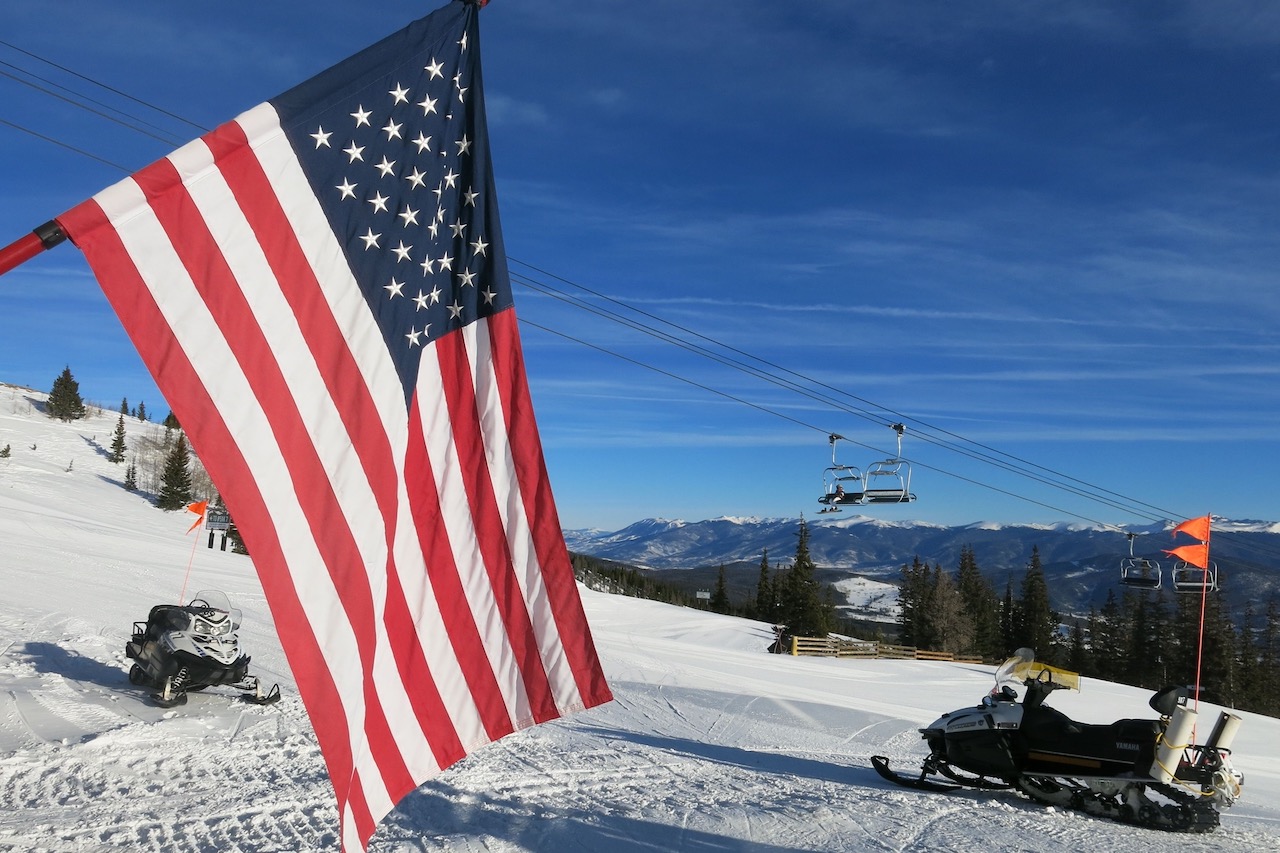
"Looking back over the past several decades, U.S. ski market data indicates that visitation typically fully recovers following a season with poor conditions if the subsequent season has normal conditions," Katz stated. He highlighted that, prior to the COVID-19 pandemic, the worst visitation decline in the Rockies occurred in 2012, when numbers dropped by 8%. The 24% decline seen this year underscores the "unprecedented severity" of the 2025-26 conditions.
Vail Resorts suggested that some of the decline in season pass sales may be attributed to "purchase delay." Historically, skiers who experience a poor season are more likely to wait until the first signs of snow in the autumn before committing to a pass for the following year. This psychological factor, combined with the physical lack of snow, created a "perfect storm" for decreased early-season revenue. Despite this, the company emphasized that its diversified portfolio—including resorts in the East and Midwest that performed better—helped to hedge against the total regional failure in the West.
The Role of Snowmaking and Infrastructure Investment
One of the few silver linings in the NSAA report was the resilience of operating days. Despite a 33% drop in snowfall, the number of days resorts remained open to the public declined only modestly. This discrepancy is a direct result of the billions of dollars the industry has invested in snowmaking technology over the last decade.
Modern snowmaking systems are no longer just "gap fillers"; they are sophisticated, automated networks capable of coating an entire mountain in a matter of days when temperatures allow. High-efficiency snow guns and massive water storage reservoirs allowed many Western resorts to offer a consistent product on groomed runs, even when the surrounding woods and ungroomed trails were bare.
Michael Reitzell, President and CEO of the National Ski Areas Association, pointed to this technological buffer as the industry’s primary defense against climate variability. "Few seasons demonstrate as clearly as this one how dependent our industry remains on regional weather patterns," Reitzell said. "However, the fact that we were able to maintain a viable season for millions of skiers despite such historic lows in snowfall is a testament to the skill of mountain operations teams and the effectiveness of our infrastructure."
Regional Divergence: A Tale of Two Winters
While the headlines were dominated by the drought in the West, the 2025-26 season told a different story for the Appalachian Mountains and the Northeast. Resorts in Vermont, New Hampshire, and Maine reported snowfall totals that were near or slightly above their 10-year averages. This regional divergence prevented the national visitation numbers from falling even further.
In the Mid-Atlantic, consistent cold snaps allowed for robust snowmaking, and several resorts reported record-breaking attendance during the December holiday period. This highlights a growing trend in the North American ski industry: the "geographic hedge." As weather patterns become more volatile, multi-resort pass products like the Epic and Ikon passes allow skiers to pivot their travel plans toward regions with better conditions, providing a level of stability for the large operators even when specific regions underperform.
Historical Precedents and the "Rebound" Effect
The NSAA and industry analysts are now looking toward the 2026-27 season with a focus on historical "rebound" trends. Data from the last 40 years suggests that the ski industry is remarkably resilient. Following the 2011-12 season, which was previously cited as one of the worst snow years on record, the 2012-13 season saw a significant bounce-back in both snowfall and visitation.
"We’ve seen time and again that a lower-snow season is often followed by a strong rebound," added Michael Reitzell. "With continued investment, a stable base of participants, and the passion that drives skiers and snowboarders, we’re already looking ahead to next season."
This optimism is backed by the "pent-up demand" theory. When skiers are deprived of a quality season, they often return with increased vigor the following year, provided the weather cooperates. However, the 2025-26 season has also renewed debates regarding the long-term sustainability of low-elevation resorts and the necessity of further diversifying mountain resort economies to include year-round activities like mountain biking and alpine coasters.
Broader Implications for the Future of Snowsports
The severity of the 2025-26 winter serves as a wake-up call for the global snowsports community. Beyond the immediate financial impact on resort operators, there are concerns regarding the "skier pipeline." A season with poor conditions can discourage newcomers from taking up the sport, particularly in the crucial "beginner" demographic.
Furthermore, the Colorado Climate Center’s data on the snowpack has implications far beyond recreation. The snowpack in the Rockies serves as a vital water tower for the American West, feeding the Colorado River and providing water for agriculture and municipalities across multiple states. The "worst snowpack in recorded history" suggests a challenging summer ahead for water management and wildfire prevention in the region.
As the industry prepares for the next cycle, the focus remains on adaptation. Investment in high-altitude terrain, water conservation for snowmaking, and sophisticated weather forecasting are no longer optional—they are the requirements for survival in an increasingly volatile climate. For now, the 9 million "missing" skier visits serve as a stark reminder of the industry’s vulnerability to the whims of the atmosphere, even as it looks to the future with a calculated sense of hope.

