
The annual observance of Father’s Day, alongside other significant gifting occasions, consistently highlights dynamic shifts within consumer markets, particularly in niche sectors such as winter sports. Recent analyses indicate a growing sophistication in gift-giving, moving beyond generic items towards highly specialized, performance-oriented equipment and apparel tailored for specific demographic segments. One prominent segment attracting considerable attention from retailers and manufacturers is the "bell-to-bell ski dad"—a dedicated enthusiast whose passion for the slopes extends beyond casual recreation. This demographic, often characterized by a profound commitment to early mornings, extensive slope time, and a desire for both comfort and performance, represents a critical, high-value target for the winter sports industry. The shift reflects broader trends in consumer behavior, where experiences and specialized equipment that enhance those experiences are increasingly prioritized over mere material possessions. This report delves into the specific product categories witnessing heightened interest, the underlying technological advancements driving these preferences, and the broader implications for the retail landscape of winter sports.
Market Dynamics and the Rise of the Specialized Gifting Segment

The global winter sports equipment market, valued at approximately $15 billion in 2023 and projected to grow at a compound annual growth rate (CAGR) of over 4% through 2030, demonstrates a robust trajectory fueled by increasing participation and technological innovation. Within this expansive market, the sub-segment focusing on high-performance and durable gear for dedicated skiers, particularly adult males, exhibits strong growth. Retail data from the past five years indicates a consistent upward trend in sales of premium ski apparel, protective gear, and performance-enhancing accessories around key gifting periods. For instance, specialized outdoor retailers report an average 12% increase in sales of advanced ski equipment during the months leading up to and immediately following Father’s Day, underscoring the strategic importance of this period for influencing purchasing decisions. This trend is not merely anecdotal; consumer surveys commissioned by industry associations like the National Ski Areas Association (NSAA) reveal that approximately 65% of individuals shopping for gifts for active fathers prioritize durability, functionality, and brand reputation above all else. This contrasts with more general gifting patterns, where novelty or lower price points might hold sway. The "ski dad" is not just a consumer; he is often an influencer within his family unit, introducing younger generations to the sport and therefore necessitating reliable, high-quality gear that can withstand rigorous use.
Evolution of Ski Gear: A Chronology of Innovation and Consumer Preference
The journey of ski gear from its rudimentary origins to today’s sophisticated offerings reflects a continuous pursuit of performance, safety, and comfort. Historically, ski equipment prioritized basic functionality, with apparel often being repurposed everyday wear. The mid-20th century saw the introduction of specialized materials like nylon and synthetic insulation, vastly improving warmth and water resistance. The late 20th and early 21st centuries ushered in an era of rapid technological advancement, from parabolic skis and advanced binding systems to highly engineered boots and breathable, waterproof fabrics. This evolution has directly influenced consumer expectations, particularly among experienced skiers like the "ski dad" demographic, who are discerning about their equipment.
- 1960s-1970s: Emphasis on basic protection and warmth. Simple leather boots, wooden skis, and wool or cotton outerwear were common. The "retro grouch" archetype, as humorously referenced, might harken back to this era’s utilitarian approach.
- 1980s-1990s: Emergence of synthetic materials (Gore-Tex, Thinsulate), plastic boots, and shaped skis. Comfort and performance began to be integrated.
- 2000s-Present: Miniaturization of technology, advanced composites, ergonomic design, and integration of smart features. Focus on moisture management, precise fit, and data-driven performance enhancement.
This chronology highlights a continuous drive towards optimization, a factor that profoundly influences current gifting choices. Modern gifts for the ski dad are not just items; they are investments in enhanced performance, extended comfort, and prolonged enjoyment on the slopes.
Key Product Categories and Their Impact
Several product categories exemplify these trends, catering specifically to the nuanced demands of the dedicated ski enthusiast.
-
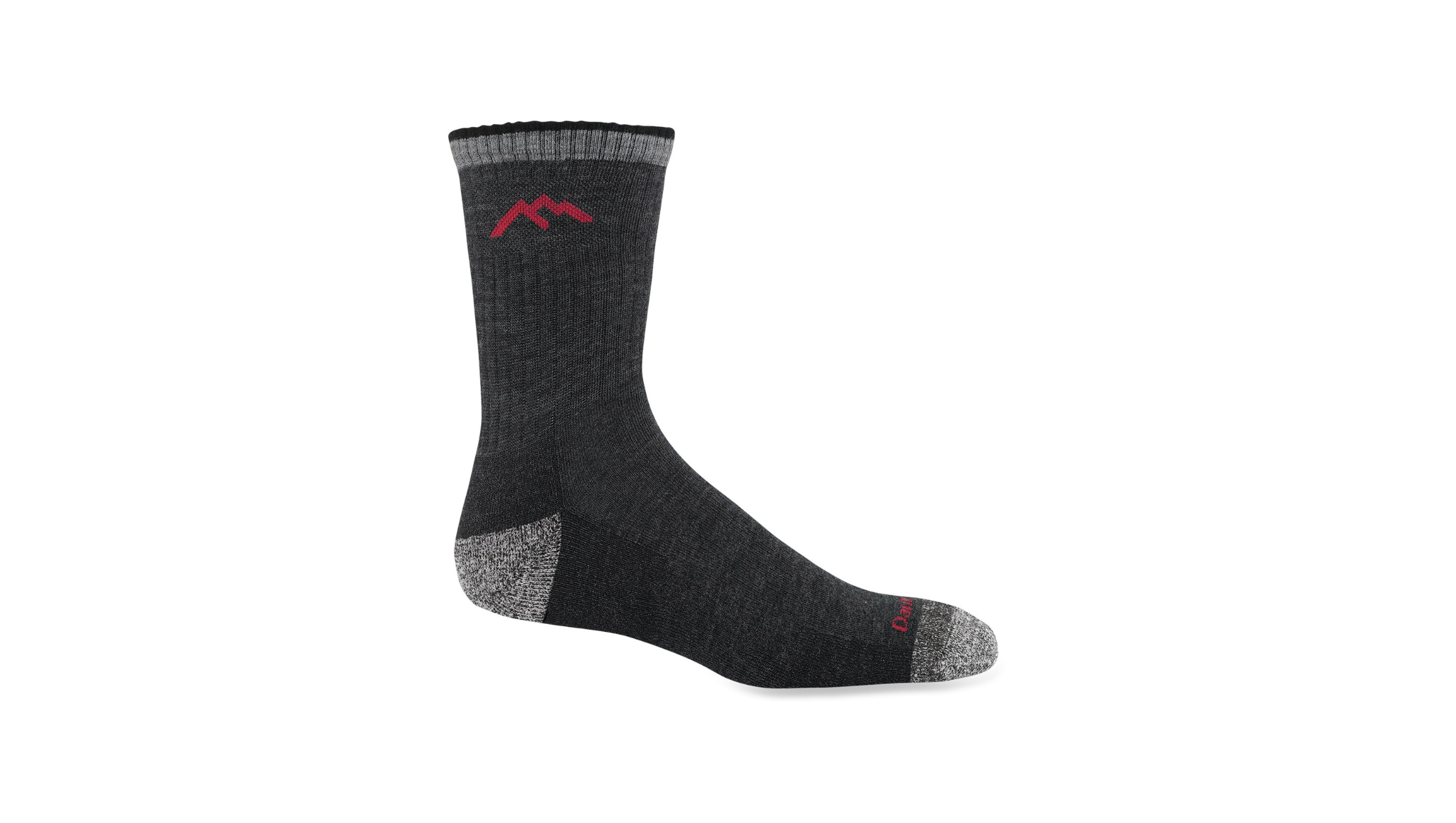
High-Performance Base Layers and Socks (e.g., Darn Tough Edge Over-the-Calf Midweight Cushion Socks):
The foundation of any comfortable ski day begins with appropriate base layers. High-quality wool socks, such as those offered by Darn Tough, are a prime example of an essential item that combines traditional material science with modern manufacturing. Merino wool, known for its exceptional warmth-to-weight ratio, moisture-wicking properties, and natural odor resistance, has become the industry standard. The "Over-the-Calf Midweight Cushion" specification speaks to the need for targeted support and padding within ski boots, preventing pressure points and enhancing circulation. The lifetime guarantee often associated with premium brands like Darn Tough is a significant consumer draw, signaling confidence in product longevity and reflecting a broader trend towards sustainable, durable goods that reduce waste and offer long-term value. Industry data suggests that consumers are increasingly willing to invest in higher-priced, durable apparel items, viewing them as long-term assets rather than disposable commodities. Sales figures for premium wool socks within the winter sports category have shown a consistent 8% year-over-year increase in unit sales, indicating strong market acceptance and a clear preference for quality over cost-cutting in foundational apparel. -
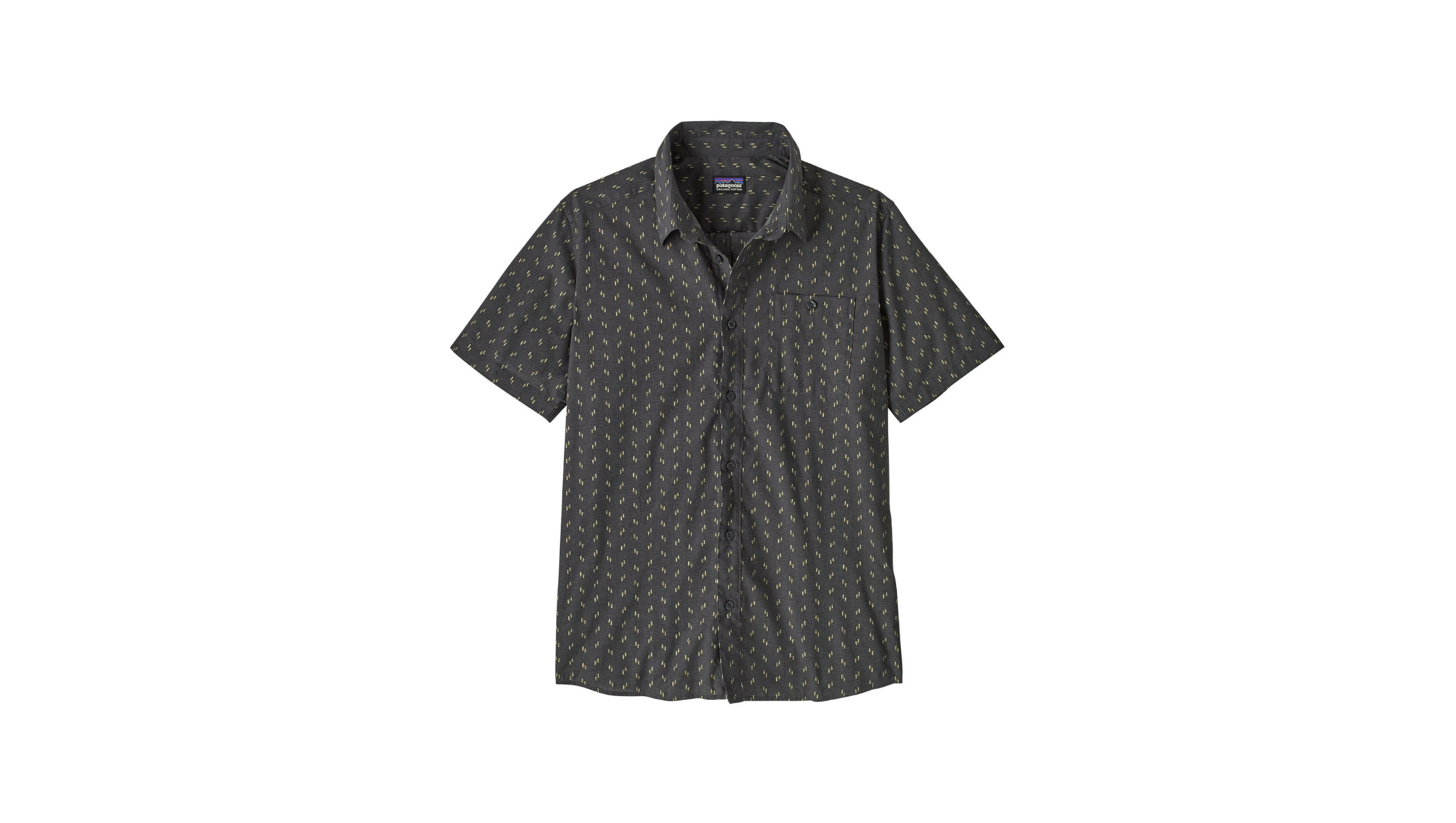
Versatile, Durable Casual Apparel (e.g., Patagonia Go-To Shirt):
While the focus is on ski gear, the lifestyle surrounding skiing—from travel to après-ski activities—also informs gifting choices. Apparel that transitions seamlessly between casual settings and light activity is highly valued. The Patagonia Go-To shirt, for instance, represents a blend of comfort, style, and practicality. Its wrinkle-resistant, lightweight fabric caters to the needs of travelers and individuals who prioritize low-maintenance clothing. Patagonia’s brand ethos, centered on environmental responsibility and product longevity, resonates with a consumer base that is increasingly conscious of sustainable practices. Retail analytics show that brands with strong sustainability credentials experience a 10-15% higher purchase intent among eco-conscious consumers, a demographic that often overlaps with active outdoor enthusiasts. Such shirts serve as a versatile wardrobe staple, aligning with the pragmatic sensibilities of many fathers who appreciate multi-functional items. -
Functional and Durable Accessories (e.g., Arcade Atlas Belt):
Even seemingly minor accessories play a crucial role in overall comfort and performance. The Arcade Atlas belt, with its stretchy elastic fabric and robust buckle system, addresses specific needs for active individuals. For skiers, a flexible belt that can securely hold up ski pants without creating pressure points or restricting movement is invaluable. Its versatility extends beyond the slopes, proving equally effective for casual wear like cargo shorts. This product highlights the demand for accessories that are not only functional but also adaptable to various activities, reflecting a desire for efficiency and minimalism in gear selection. Market research indicates that accessories contributing to overall comfort and fit, particularly those made from durable, flexible materials, consistently outperform their rigid, less adaptable counterparts in consumer satisfaction surveys.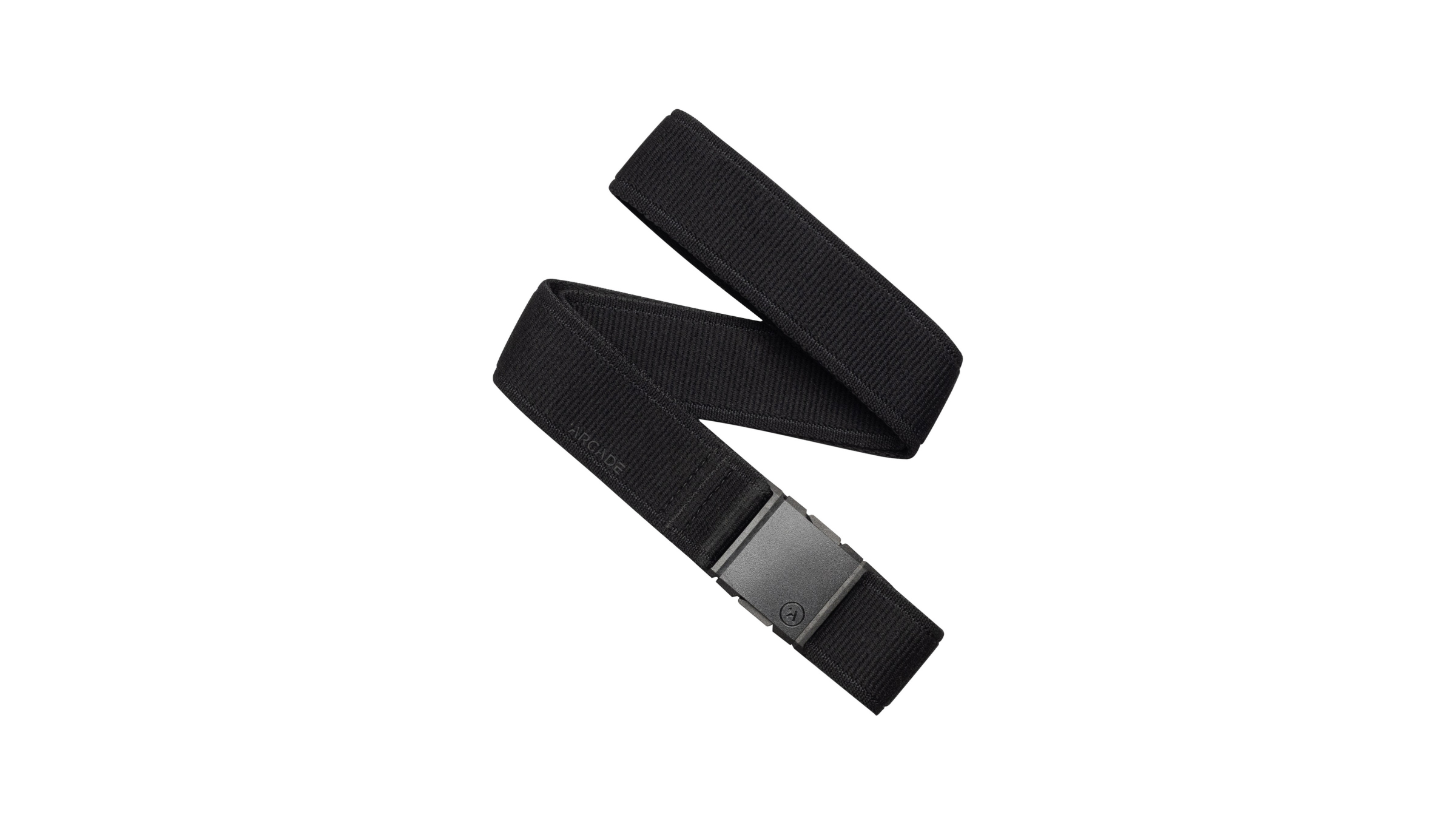
-
Performance Analytics and Skill Enhancement Technology (e.g., Carv 2 Ski Coach):
The advent of wearable technology has revolutionized personal performance enhancement in sports. The Carv 2 Ski Coach exemplifies this trend, offering real-time feedback and data-driven insights to improve skiing technique. This technology typically involves smart inserts placed in ski boots that measure pressure, edge angle, and other biomechanical data points, transmitting them to a smartphone application. The ability to receive immediate, objective feedback empowers skiers to identify and correct inefficiencies, accelerate learning, and refine their craft. For the experienced ski dad who may have plateaued in skill development or seeks a competitive edge, Carv represents a compelling gift. It taps into the desire for continuous improvement and the growing acceptance of technology as a training aid. The sports tech market is experiencing rapid growth, with personal analytics devices showing a CAGR of over 10%. Products like Carv align perfectly with this trend, offering a sophisticated tool for self-coaching that was previously only available through professional instruction. -
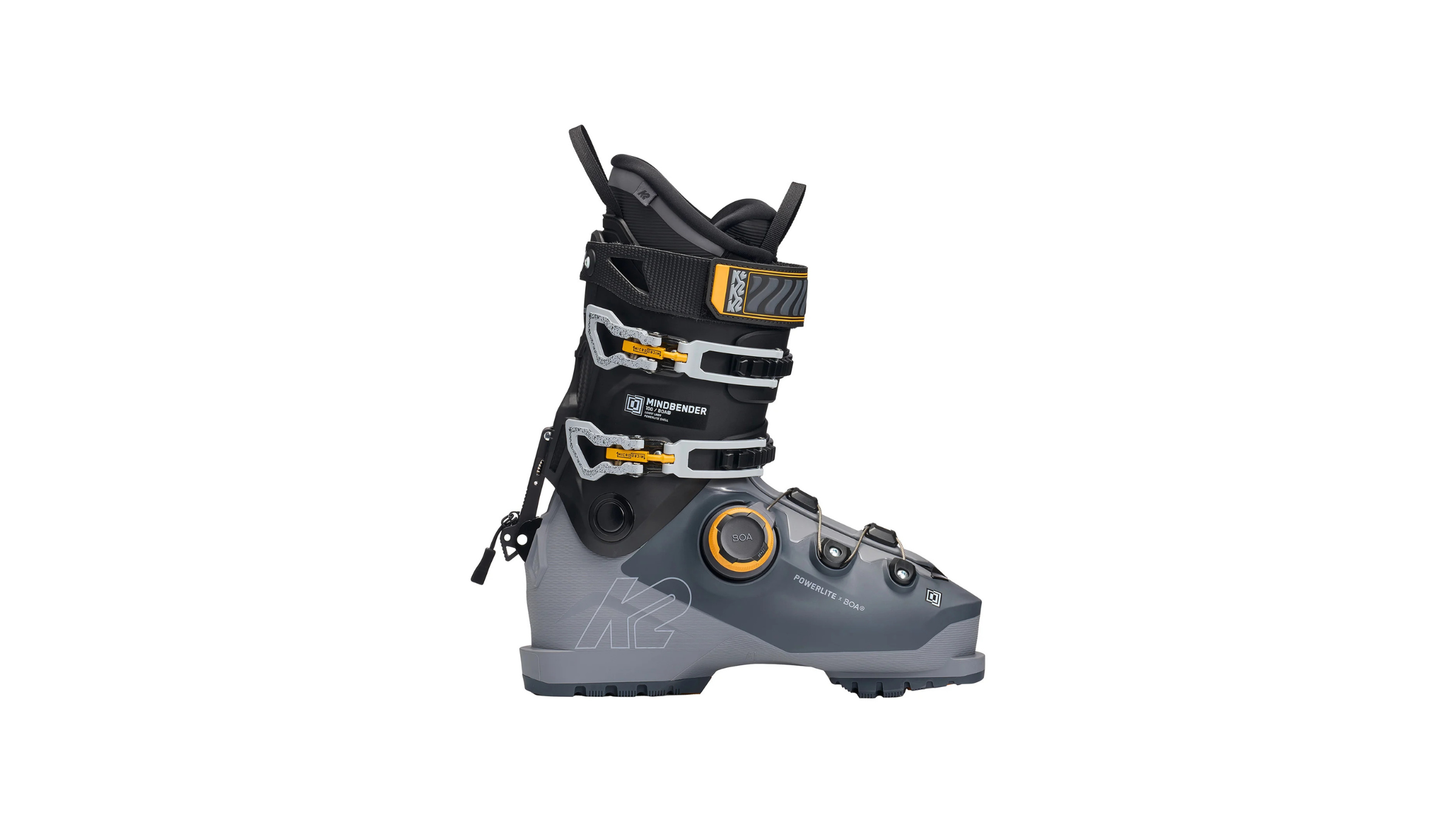
Advanced Ski Boots and Closure Systems (e.g., K2 Mindbender 100 BOA Ski Boots):
Ski boots are perhaps the most critical piece of equipment, directly impacting comfort, control, and performance. Innovations in boot technology, such as the BOA Fit System, are significantly influencing consumer choices. The BOA system replaces traditional buckles with a dial-based cable closure, offering micro-adjustability and a more consistent, precise fit. This addresses a long-standing challenge in boot fitting: achieving a snug, responsive fit without creating painful pressure points. The K2 Mindbender 100 BOA boots, with a 100 flex rating, cater to intermediate to advanced skiers, providing a balance of stiffness for control and comfort for extended wear. Their design for both resort and backcountry use speaks to the growing trend of hybrid skiing, where enthusiasts engage in diverse mountain activities. The adoption of BOA technology in ski boots is a relatively recent development, but early market indicators suggest strong consumer acceptance due to improved fit and ease of use. Major manufacturers are increasingly integrating such systems, signaling a significant shift in boot design and an acknowledgment of consumer demand for superior comfort and precision. -
Wellness and Lifestyle Integration (e.g., Hatch Restore 3 Sunrise Alarm Clock):
The dedication of the "bell-to-bell" skier often necessitates early mornings, particularly during winter months when natural light is scarce. The Hatch Restore 3 Sunrise Alarm Clock, while not directly ski equipment, supports the active lifestyle by promoting healthier sleep and wake cycles. By mimicking natural sunrise with gradually increasing light, these devices help regulate circadian rhythms, making early awakenings less jarring and more natural. This technology addresses the physiological challenges of dark winter mornings, ensuring the ski dad is well-rested and prepared for a full day on the slopes. The broader wellness market, including sleep technology, is a rapidly expanding sector, with consumers increasingly investing in products that enhance overall health and daily performance. For individuals whose hobbies demand physical readiness and consistent early starts, such as skiing, tools that optimize rest are becoming increasingly relevant.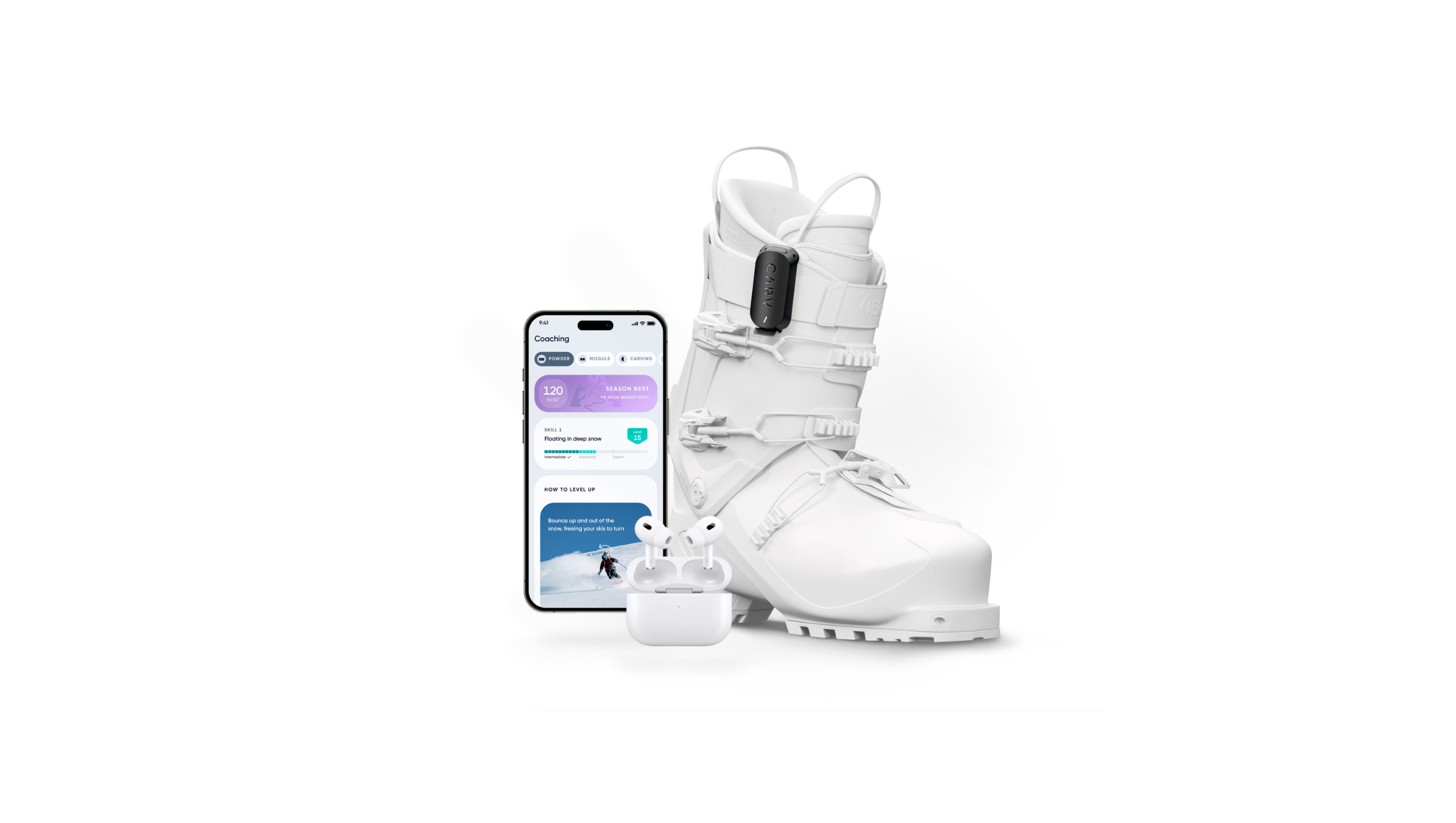
Official Responses and Broader Implications
Industry leaders and retail analysts have acknowledged these evolving consumer preferences. A recent statement from the President of the Snowsports Industries America (SIA) highlighted, "The discerning nature of today’s ski enthusiast, especially fathers who are deeply invested in the sport, drives innovation across the entire product spectrum. Gifting trends show a clear preference for items that offer tangible improvements in comfort, performance, or longevity, often backed by advanced materials and technology."
Retailers are responding by curating more specialized "gift guides" and product assortments that move beyond generic suggestions, focusing instead on performance categories and lifestyle-enhancing products. Marketing campaigns are increasingly emphasizing the functional benefits and technological advancements of products rather than just their aesthetic appeal.
The implications for the winter sports industry are significant:
- Continued Innovation: The demand for high-performance, specialized gear will continue to drive research and development in materials science, ergonomics, and integrated technology.
- Sustainability Focus: Consumers, particularly in the outdoor recreation sector, are increasingly demanding environmentally responsible products. Brands that offer durability, repairability, and sustainable manufacturing processes will gain a competitive edge.
- Personalization: The trend towards personalized performance enhancement (e.g., Carv) suggests a future where gear is not just purchased off the shelf but is increasingly tailored or adaptive to individual physiological and skill profiles.
- Holistic Lifestyle Integration: Gifting for the "ski dad" extends beyond the slopes, encompassing products that support the entire active lifestyle, from sleep and recovery to versatile casual wear.
In conclusion, the market for gifts targeting the dedicated "ski dad" is a vibrant and evolving segment within the broader winter sports industry. It is characterized by a strong preference for durable, high-performance, and technologically advanced products that enhance the skiing experience and support an active lifestyle. Retailers and manufacturers who understand these nuanced preferences and continue to innovate in response are well-positioned to capitalize on this significant and growing consumer demographic. The shift from generic to specialized gifting underscores a deeper appreciation for the recipient’s passion, transforming gift-giving into an investment in a cherished activity.

