
The landscape of our planet is undergoing a profound and irreversible transformation, a reality brought into sharp focus by the launch of the Global Glacier Extinction Explorer. This new interactive digital platform, which debuted on September 26, 2026, serves as a bridge between complex climate modeling and public awareness. Built upon a foundational study published in the journal Nature Climate Change, the project represents a collaboration between researchers at ETH Zurich, Vrije Universiteit Brussel, and an extensive international consortium. For the first time, global scientific projections regarding the decline of individual glaciers have been synthesized into a user-friendly interface that allows observers to visualize the fate of specific mountain regions under various global warming scenarios.
A New Tool for Climate Literacy
The core motivation behind the development of the Explorer is the need to bridge the gap between abstract scientific data and local reality. Global metrics, such as total gigatons of ice loss or annual sea-level rise, often fail to resonate with the individuals whose livelihoods, water supplies, and cultural heritage are tied to specific alpine ecosystems.
"Global numbers such as glacier mass or area loss can feel very abstract," said Kristof Van Tricht, co-lead author of the project from VITO Remote Sensing. "With this website, people can zoom into their own valley or mountain region and see what different levels of global warming could mean for the glaciers they know. We hope it can also help local communities prepare for a future with fewer glaciers."
The platform utilizes a color-coded mapping system to communicate urgency. By toggling between warming scenarios—1.5°C, 2°C, 2.7°C, and 4°C—users can observe the predicted trajectory of specific ice masses. A dark red designation indicates a glacier is already extinct, while orange denotes a projected extinction between 2027 and 2041. Only those marked in light blue are currently modeled to survive through the year 2100 under specific stabilization conditions.
The 2026 Crisis: A Watershed Year for the Alps
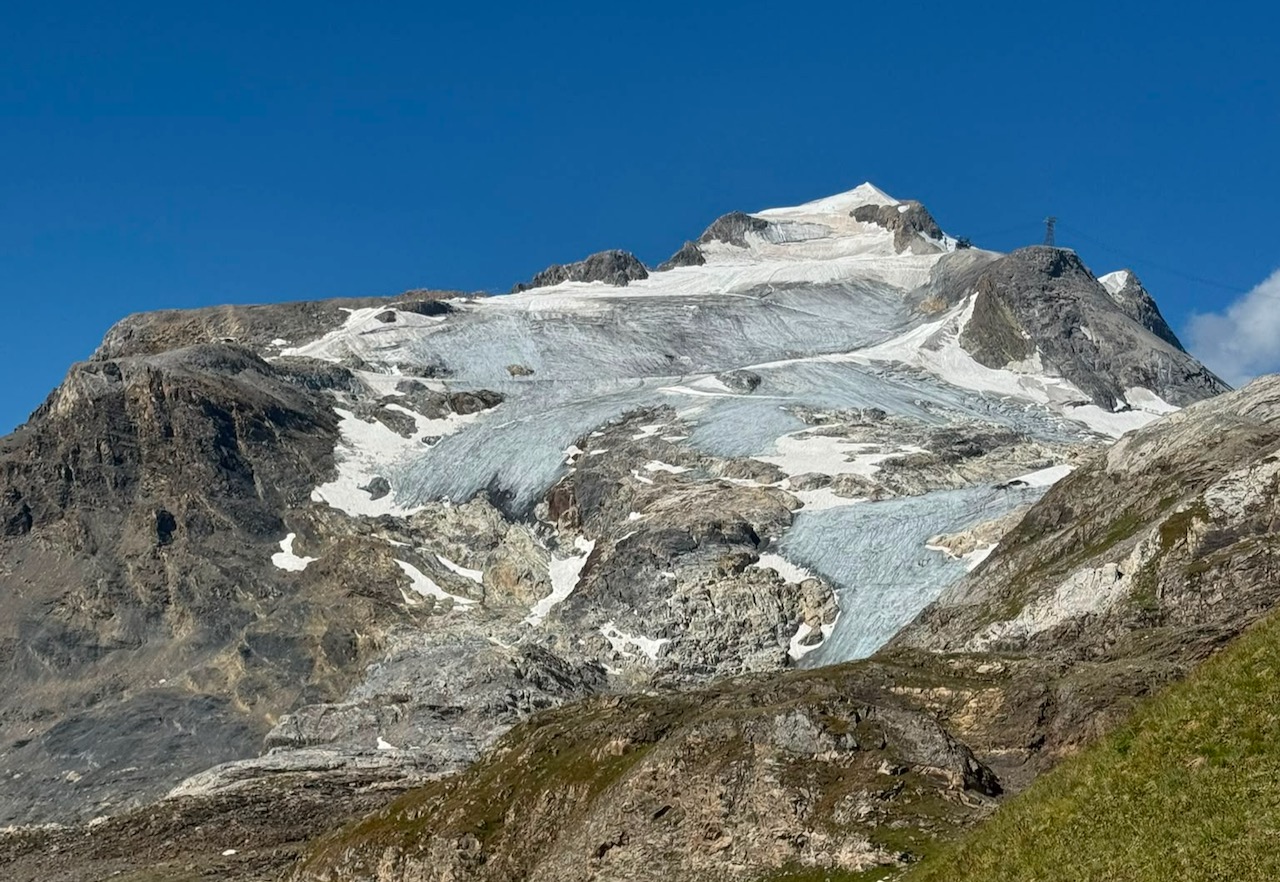
The release of this tool coincides with a particularly harrowing period for the European Alps. While final end-of-summer measurements are currently being collated, preliminary observations suggest that 2026 may be recorded as one of the most destructive years for Alpine glaciers since the onset of systematic monitoring.
The mechanism behind this collapse is a compounding cycle of environmental stressors. The winter of 2025-2026 saw record-low snow accumulation, depriving glaciers of the protective "blanket" that typically shields them from intense solar radiation. This was followed by a series of persistent summer heat waves that accelerated the ablation process.
"The disappearance of a glacier is not the result of a single warm summer, but the culmination of decades of cumulative mass loss," explained co-author Harry Zekollari. "Year after year, insufficient snowfall and strong summer melt gradually reduce a glacier until it can no longer sustain itself. Extreme melt years such as 2022 or 2026 can, however, accelerate this final stage."
For smaller glaciers, the current climatic conditions represent an existential threat. Many of these smaller ice bodies lack the mass to withstand successive "negative balance" years, potentially pushing them beyond the threshold of survival within a single season.
Historical Context and Global Trends
The current state of glacial retreat is part of a broader, long-term trend identified by the scientific community. Historical records indicate that glacier mass balance has been consistently negative for the last four decades. However, the rate of acceleration has been particularly concerning since the turn of the millennium.

Beyond the Alps, the situation in the polar regions is equally critical. A separate, comprehensive international study recently quantified the ice loss from Antarctica and Greenland dating back to the 1970s. The magnitude of this loss—sufficient to fill approximately 4.5 billion Olympic-sized swimming pools—underscores the global scope of the crisis. These regions are the primary drivers of global sea-level rise, and their contribution to the global hydrological cycle is shifting as the transition from solid ice to liquid water continues to accelerate.
Mitigation Strategies and Local Interventions
As the scientific consensus solidifies around the reality of glacier loss, local initiatives have begun exploring mitigation strategies. In Switzerland, the "Keep It Wool" trial on the Tsanfleuron Glacier has offered a glimpse into localized protective measures. By covering 200 square meters of high-altitude ice with biodegradable sheep’s wool blankets, researchers aimed to determine if this natural material could effectively reflect solar radiation and reduce surface melt, much like the synthetic geotextiles currently used at some ski resorts.
While the results of the trial were promising, indicating that the wool blankets performed comparably to plastic alternatives in reducing ice loss, the scale of such interventions remains a significant limiting factor. Currently, less than 0.02% of Switzerland’s total glacier surface is protected by any form of covering.
"Physical covers can only protect very small areas," noted researchers involved in the project. The method is primarily intended for the preservation of high-value infrastructure, such as specific ski slopes or water-intake zones, rather than as a solution to the overarching problem of global warming. The fundamental driver of glacier loss remains the increase in global mean temperatures, which no localized covering can reverse.
Socio-Economic and Ecological Implications
The disappearance of glaciers holds deep implications for human and natural systems. Glaciers act as "water towers," providing a steady, reliable source of fresh water to downstream communities during dry summer months. As these reservoirs vanish, the seasonal variability of water availability is expected to increase, posing challenges for hydroelectric power generation, agriculture, and municipal water management.
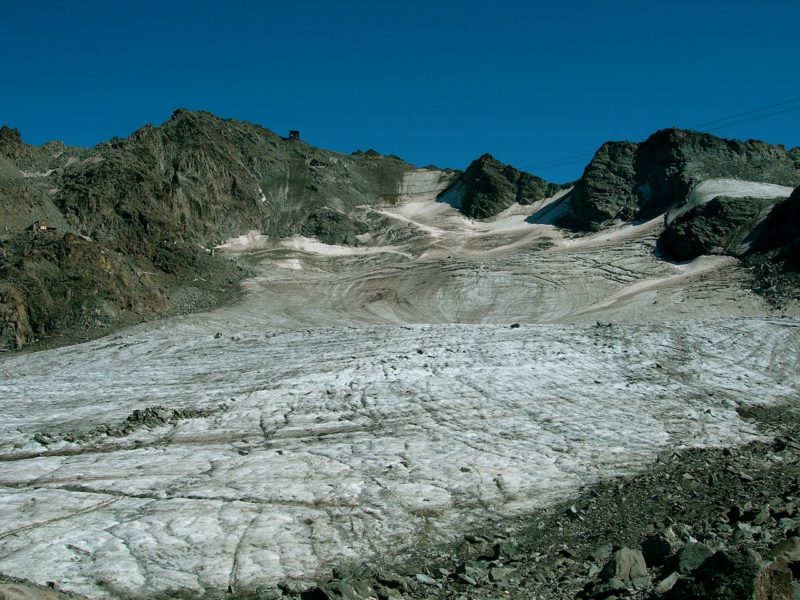
Furthermore, the loss of these features alters the aesthetic and cultural landscapes that sustain local tourism economies. For many Alpine communities, the glacier is a central element of their identity and economic vitality. The transition toward a "post-glacier" landscape will require significant adaptation in land-use planning, disaster risk management—particularly regarding glacial lake outburst floods—and long-term regional economic strategies.
Looking Toward 2100
The projections provided by the Global Glacier Extinction Explorer offer a stark baseline for policymakers and the public. Under a scenario of 1.5°C of warming—the target established by the Paris Agreement—nearly half of the world’s glaciers are still projected to disappear by 2100. Should warming trends exceed this threshold, the percentage of loss increases exponentially.
This data serves as a critical diagnostic tool. It moves the conversation from the abstract realm of climate modeling into a tangible, visual representation of what a warmer world looks like. The Explorer does not merely predict the death of ice; it documents the ongoing change in the earth’s topography and provides a framework for understanding the consequences of current emissions pathways.
As the 2026 melt season concludes, the data provided by the scientific community serves as a reminder that the window for mitigating the most extreme outcomes is narrowing. With the new Explorer tool, the global community now has a more accessible, transparent, and detailed resource to monitor this decline, providing the necessary information to facilitate informed decision-making and, perhaps, to foster a greater urgency in addressing the root causes of the climate crisis. For further exploration of the projections, the public can visit www.glacierextinction.com to view the data on a local and regional scale.

