
Iver Tildheim Andersen, a 26-year-old athlete from Rustad IL, has made a remarkable transition from the demanding world of elite cross-country skiing to the competitive arena of road cycling. Having been excluded from the Norwegian national cross-country ski team in April, Andersen has swiftly demonstrated his exceptional athletic prowess by achieving a podium position in his very first Norwegian Cycling Cup (NC) event. His debut in the Ullensaker time trial on Friday saw him secure a commendable third place, signaling a potentially exciting new chapter in his sporting career.
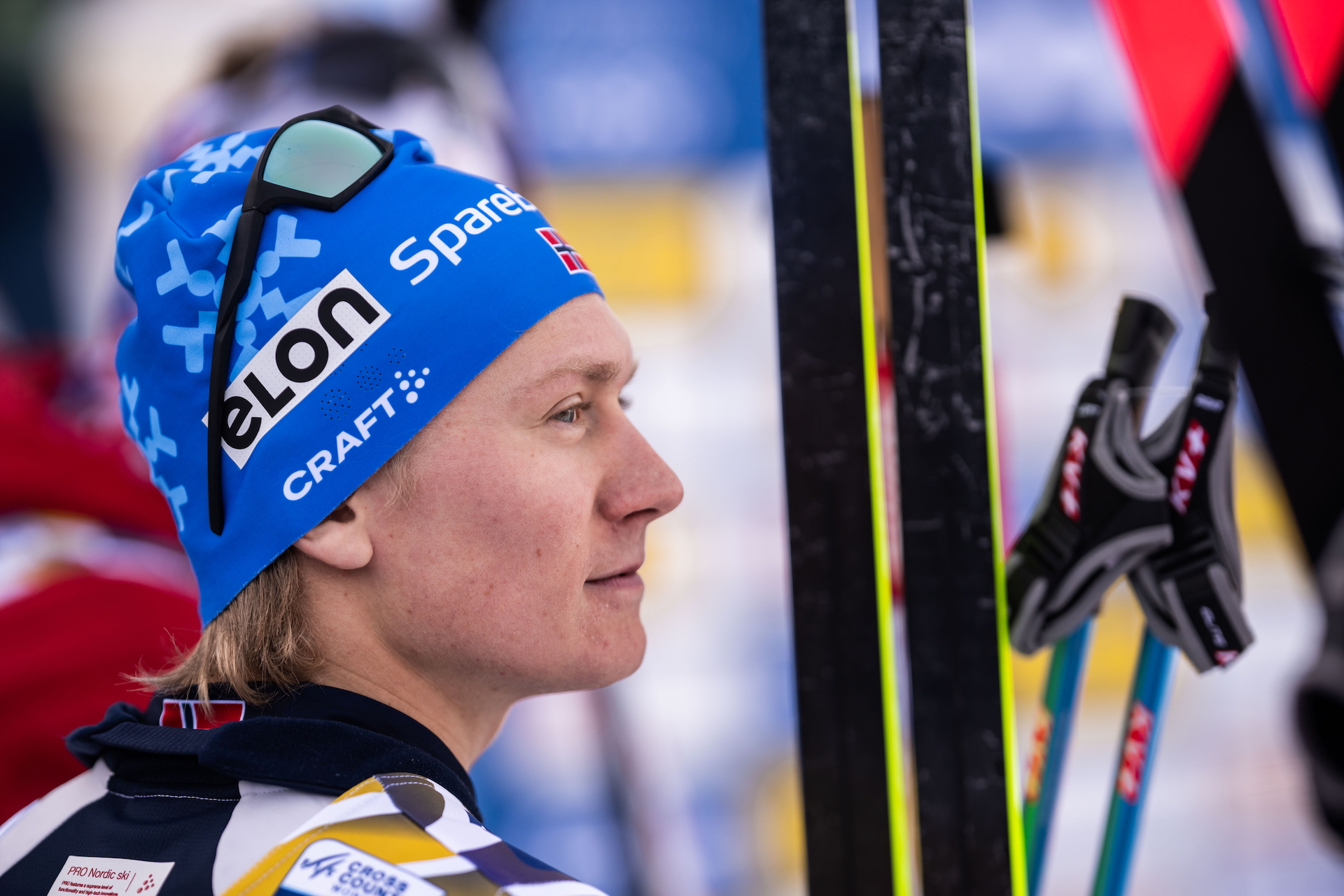
The Ullensaker time trial, a crucial event in the Norwegian cycling calendar, tests the endurance and tactical acumen of its participants. Andersen, representing Ringerike SK in this cycling discipline, completed the course just under half a minute behind the victorious Henrik Teslo Fjellheim of Lillehammer CK Continental Team, and a mere ten seconds adrift of second-placed Georg Rydningen Martinsen. This performance is particularly noteworthy given that Andersen had never before competed in a Norwegian Cup cycling event. His immediate success underscores a remarkable adaptability and inherent talent that transcends disciplinary boundaries.
This is not the first instance where Andersen’s cycling capabilities have garnered attention. In the summer of 2023, during a training camp in France, he reportedly shattered Strava segment records previously held by several World Tour professional cyclists. This feat, which circulated widely within cycling circles, hinted at a latent talent that has now been officially validated on the competitive stage. The consistent high-level performance across disparate endurance sports raises questions about the inherent physiological advantages and cross-training benefits that athletes can achieve.
A Shift in Sporting Fortunes
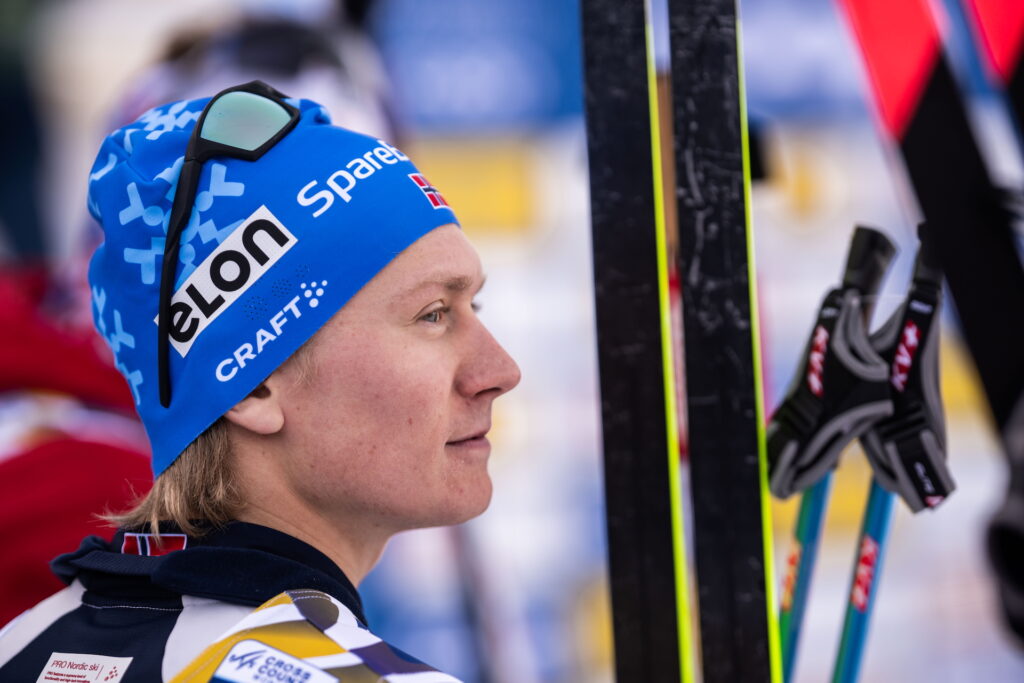
Andersen’s journey to this cycling podium has been marked by a significant shift in his cross-country skiing career. He joined the elite national cross-country ski team in 2024, following a breakthrough season in 2022-23 where he achieved a significant victory in the 10-kilometer freestyle event at the World Cup in Lillehammer. The subsequent season, 2023-24, saw him continue to perform at a high level, securing one podium finish, a fourth place, and two top-10 finishes in six World Cup races. His achievements also included a silver medal at the Norwegian Championships in skiathlon, two victories in the Scandinavian Cup, a win at the season opener on Beitostølen, and two Norwegian Cup victories in skiing.
However, the trajectory of his skiing career took a downturn. The 2023-24 season proved to be a disappointment from its outset. Andersen’s Olympic aspirations were reportedly dashed as early as December, indicating a significant struggle to maintain his previous form. This decline culminated in his exclusion from the elite national team in April, a decision that undoubtedly marked a challenging period for the athlete. The abrupt change in his national team status prompted considerable discussion within the Norwegian sports community, with some suggesting a potential career shift.
The Psychology of Performance and Transition
The transition from a national team athlete in one sport to a podium contender in another, especially within a short timeframe, offers a compelling case study in athletic resilience and adaptability. Andersen’s ability to achieve such immediate success in cycling suggests that his underlying physiological capabilities, honed through years of elite cross-country skiing, are highly transferable. Endurance sports, while distinct in their biomechanics and specific demands, often share a common foundation of cardiovascular capacity, muscular endurance, and mental fortitude.
The psychological impact of being dropped from a national team can be profound, often leading to introspection and a re-evaluation of one’s career path. For Andersen, this period appears to have been a catalyst for exploring new avenues. His previous strong performances on Strava indicated that his physical capabilities were still at an elite level, even if they were not translating into top results in skiing. The shift to cycling provided a fresh competitive environment and an opportunity to leverage his existing strengths without the immediate pressure of past expectations in his primary sport.
Background of the Norwegian Cycling Cup
The Norwegian Cycling Cup (NC) is a series of road cycling races organized annually in Norway. It serves as a vital platform for both established professional riders and emerging talents to compete and gain valuable race experience. The cup typically includes a variety of race formats, such as time trials, criteriums, and road races, offering a comprehensive test of a cyclist’s abilities. The Ullensaker time trial, where Andersen achieved his podium finish, is a significant event within this series, often attracting a strong field of national and international riders.
The NC plays a crucial role in the development of Norwegian cycling talent, providing a pathway towards higher levels of competition, including international races and potentially professional contracts. For athletes transitioning from other sports, the NC offers a structured entry point into the competitive cycling scene, allowing them to gauge their level against seasoned cyclists and refine their race craft.

Analysis of Implications
Andersen’s performance has several notable implications:
- Transferable Athleticism: His success highlights the significant overlap in physiological requirements and training principles between elite endurance sports. Athletes who excel in one demanding sport often possess the underlying attributes to succeed in others, provided they can adapt to the specific technical and tactical demands.
- Mental Resilience and Adaptation: The ability to rebound from a significant setback like being removed from a national team and immediately achieve success in a new discipline speaks volumes about Andersen’s mental fortitude and capacity for adaptation. This resilience is a key characteristic of elite athletes.
- Cross-Training Potential: His performance may inspire other athletes in endurance sports to explore cross-training opportunities, potentially leading to a broader understanding of optimal athletic development and performance enhancement through multi-sport engagement.
- Future of Andersen’s Career: This podium finish in his debut NC event opens up exciting possibilities for Andersen’s future in cycling. It suggests he could become a strong contender in future national and potentially international cycling competitions, depending on his commitment and continued development in the sport.
While direct statements from Andersen regarding his future plans were not immediately available, his actions speak volumes. His decision to compete and succeed in the Norwegian Cup for cycling, following his exclusion from the ski team, indicates a determined pursuit of athletic excellence. The cycling community will undoubtedly be watching his progress with keen interest, anticipating whether he can translate this impressive debut into sustained success. The Norwegian Ski Federation and Cycling Federation may also observe this development, as it touches upon the broader landscape of athlete development and talent identification within Norway. The narrative of Iver Tildheim Andersen is a powerful reminder that athletic journeys can be unpredictable, and that setbacks can often pave the way for unforeseen triumphs. His story is a testament to the enduring spirit of competition and the boundless potential of human athleticism.

