
Published March 10, 2026 12:46PM
Outfitting children for winter sports presents a perennial challenge for parents, demanding a careful balance between ensuring adequate warmth and maintaining unhindered mobility. The common pitfall often involves over-bundling, reminiscent of Ralphie from A Christmas Story, which can lead to discomfort and deter a child’s enjoyment of snowy activities. Recognizing this widespread dilemma, a comprehensive review of children’s ski jackets was conducted to identify models that expertly combine crucial performance attributes with economic sensibility. This rigorous evaluation culminated in the selection of five outstanding jackets: the Hootie Hoo Kids Spruce Insulated Jacket, the Helly Hansen Kids’ Rider Insulated Ski Jacket, The North Face Kids’ Freedom Insulated Jacket, the Obermeyer Ashor Jacket, and the Patagonia Baby Snow Pile One-Piece, each excelling in distinct categories.
The Parental Conundrum: Navigating Kids’ Winter Wear
The fundamental challenge in dressing children for skiing extends beyond mere temperature regulation. Kids, particularly younger ones, fluctuate rapidly between periods of high activity and relative stillness. This dynamic requires outerwear that can adapt, providing insulation during static moments while allowing for efficient heat dissipation to prevent overheating during active play. Moreover, the rapid growth cycles of children introduce a significant economic factor, as parents are often reluctant to invest heavily in garments that may only serve for a single season. The market, however, has responded with innovative solutions, including "grow-with-me" features like seam let-outs, which extend a garment’s lifespan. The ideal kids’ ski jacket must, therefore, be waterproof and breathable to protect against external moisture while managing internal perspiration, and sufficiently insulated without adding excessive bulk or restricting movement. Affordability, without compromising essential performance, remains a critical consideration for families.
Rigorous Testing Methodology: Real-World Conditions, Real Kids
To address these complex requirements, a comprehensive testing protocol was developed, involving real children in diverse winter environments. The testing panel comprised youngsters ranging in age from 15 months to seven years, including the children of Jenny Wiegand, Outside’s associate gear director and a lifelong skier, who led the evaluation. Additional jackets were distributed to parents residing in ski towns, many of whom are ski instructors, broadening the scope of feedback across various age groups and activity levels.
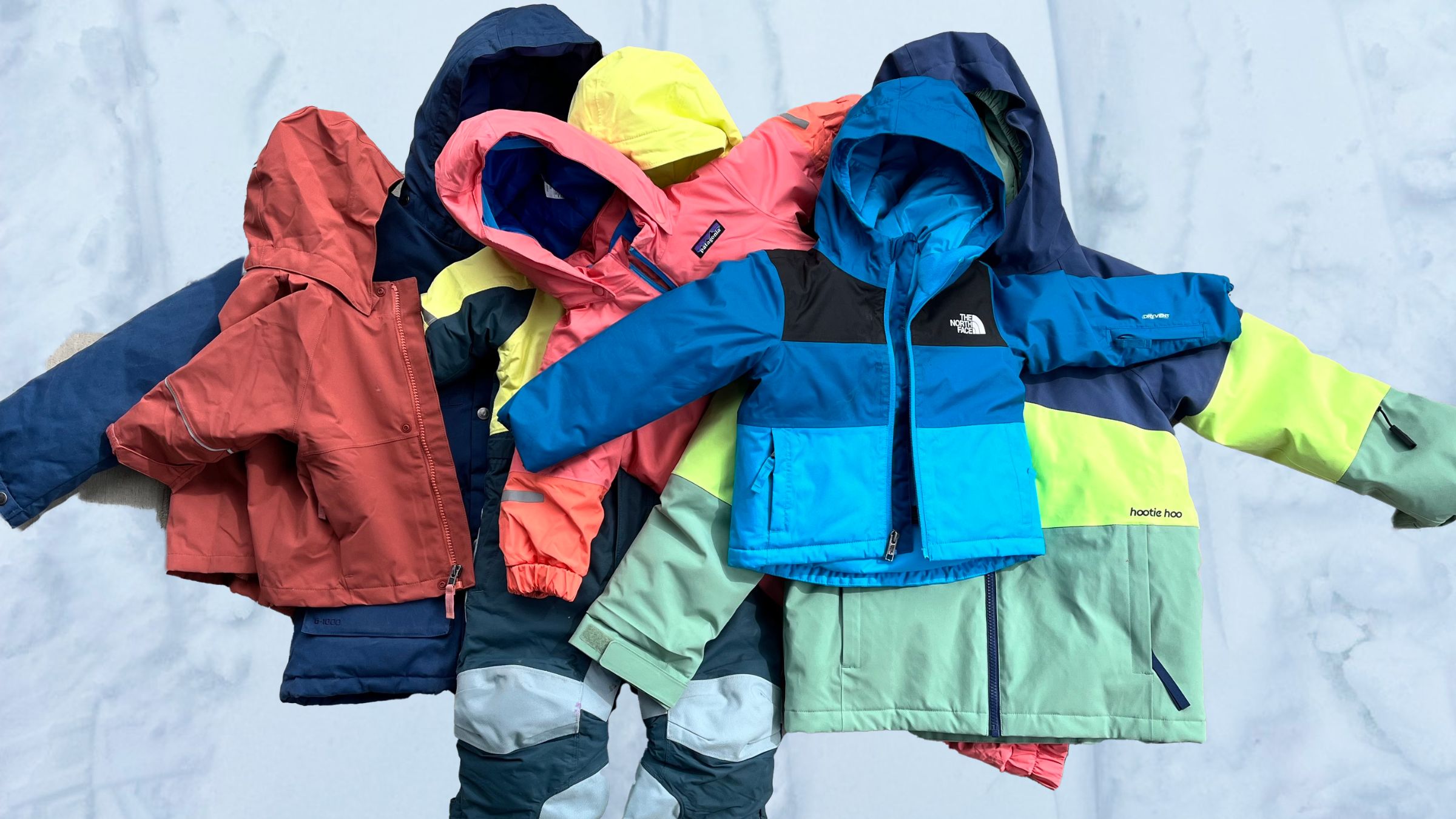
The jackets were subjected to a battery of real-world scenarios designed to simulate typical winter use. This included full days on ski slopes, sessions on sledding hills, ice skating outings, and general snow play in backyards and parks. Key performance metrics assessed by parents and testers included overall warmth, waterproofing effectiveness, breathability, comfort, and the degree of mobility allowed by the garment. Specific attention was paid to kid-friendly features such as pocket accessibility, hood functionality, and ease of donning and doffing. The evaluation prioritized jackets that struck an optimal balance between robust weather protection, durability to withstand active play, comfort for extended wear, and demonstrable value for money, considering the imperative of children’s growth.
Core Performance Criteria: What Makes a Top-Tier Kids’ Ski Jacket?
The selection process was guided by several non-negotiable criteria, ensuring that each recommended jacket met a high standard of performance and practicality.
Waterproofing and Breathability: A jacket’s ability to repel external moisture while allowing internal vapor to escape is paramount. This is achieved through advanced waterproof-breathable membranes and fully taped seams, which prevent water ingress at stitching points. The use of durable water repellent (DWR) finishes, particularly PFAS-free formulations, was also a positive consideration for environmental responsibility.
Insulation Technology: Effective insulation is crucial for warmth, but its distribution and type significantly impact mobility. Synthetic insulations like PrimaLoft, Heatseeker, and Thermogreen were evaluated for their warmth-to-weight ratio, ability to retain warmth when wet, and overall bulk. The strategic placement of varying insulation densities (e.g., more in the body, less in the arms) was noted for optimizing comfort and movement.
Mobility and Fit: A jacket should allow for a full range of motion, crucial for skiing, sledding, and general play. Overly stiff or bulky jackets restrict movement, leading to fatigue and frustration. The cut, articulation in key areas like elbows, and the flexibility of the fabric were closely examined.
Durability and Longevity: Given the active nature of children’s play and the financial investment, durability is vital. Reinforced stress points, robust zippers, and high-quality outer fabrics contribute to a jacket’s lifespan. "Grow-with-me" features, such as extendable cuffs, were particularly valued for their ability to prolong usability across multiple seasons.
Safety and Convenience Features: Elements like integrated powder skirts to keep snow out, adjustable hoods for secure fit, dedicated ski pass pockets for ease of access, and reflective details for visibility enhance both safety and user experience. Glove clips, internal stash pockets, and fleece-lined hand pockets also contributed to the overall utility.
Detailed Review: Top Kids’ Ski Jackets of 2026
The rigorous testing process identified five jackets that stood out for their exemplary performance across these critical criteria.
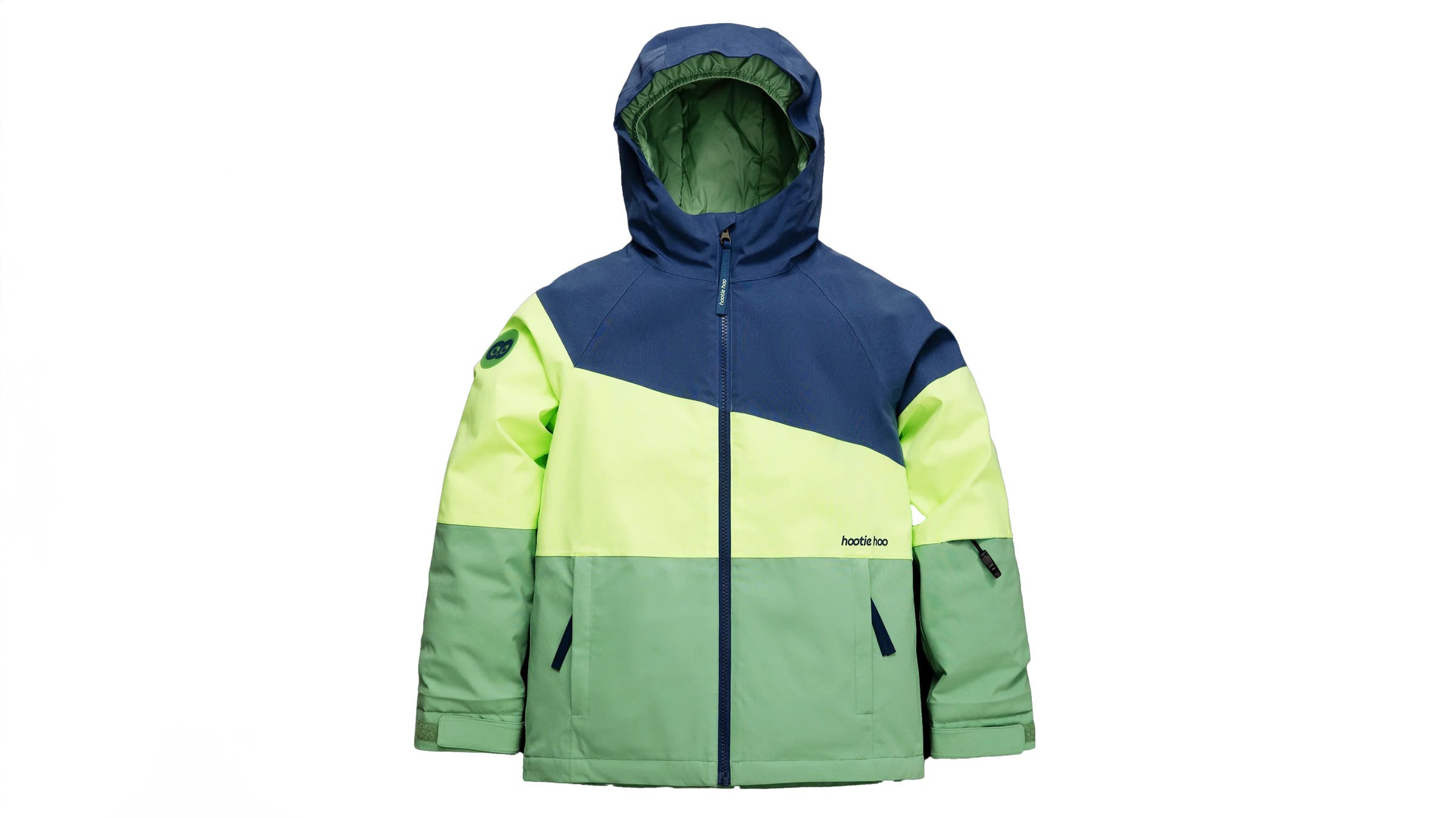
Best Kids’ Ski Jacket Overall: Hootie Hoo Kids Spruce Insulated Jacket
The Hootie Hoo Kids Spruce Insulated Jacket emerges as the top performer, setting a new benchmark for performance in children’s snow gear. Hootie Hoo, a Vermont-based company founded by experienced skier moms and apparel designers, brings a sophisticated understanding of outdoor apparel to the youth market. This jacket is engineered for dedicated young skiers who demand gear capable of withstanding varied winter conditions. Its premium feature set rivals adult outerwear, including a robust powder skirt, an attached hood with a secure gaiter, a dedicated sleeve pass pocket, fleece-lined hand pockets for warmth, and an internal stash pocket for essentials.
Constructed with a fully waterproof outer fabric featuring a PFAS-free DWR finish and paired with a silky, flexible inner lining, the Spruce avoids the crinkly, restrictive feel often found in kids’ jackets. This comfort factor was a significant draw for the seven-year-old tester, complemented by its vibrant color options. Insulation is provided by 80 grams of PrimaLoft Recycled Silver in the body and 60 grams in the arms and hood, offering ample warmth down to 20 degrees Fahrenheit when layered, without compromising on lightweight feel or freedom of movement. While not the warmest jacket tested, its thoughtful design, impressive performance, and competitive pricing make it an exceptional choice for active kids. The integrated seam let-out feature, allowing for sleeve extension, further enhances its value, extending its usability for growing children.
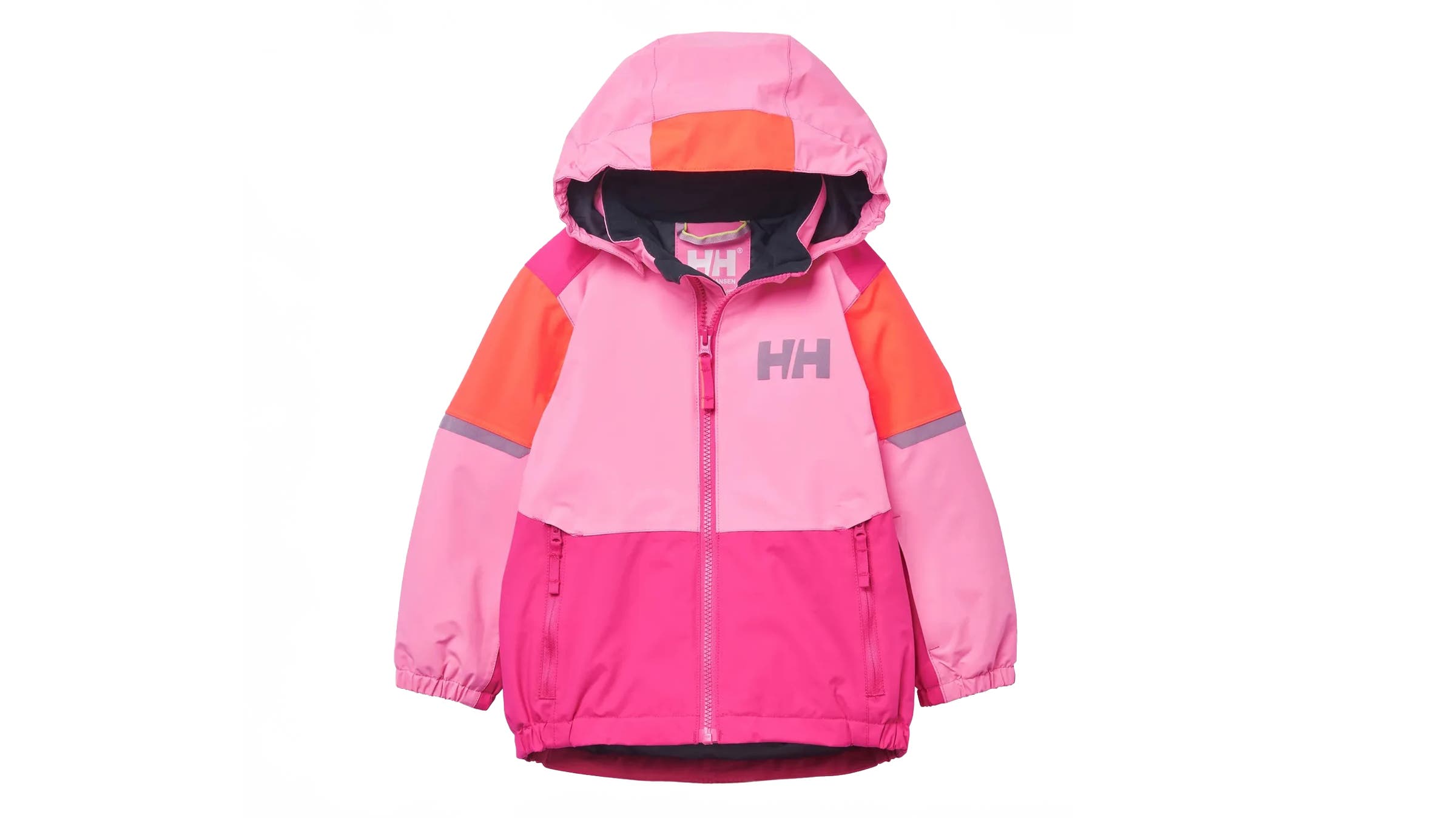
Runner-Up: Helly Hansen Kids’ Rider Insulated Ski Jacket
Helly Hansen, a brand synonymous with dependable outdoor protection, delivers its hallmark reliability to the children’s market with the Rider Insulated Ski Jacket. This jacket provides robust weather protection through a fully waterproof and breathable shell, complemented by sealed seams and a carefully balanced insulation profile. Featuring 133 grams of PrimaLoft Black Eco in the body and 100 grams in the arms and hood, it effectively maintained warmth and comfort for the seven-year-old tester across a broad temperature range (20 to 45 degrees Fahrenheit) during prolonged periods outdoors.
The Rider Insulated Jacket covers essential features for a kids’ ski jacket, including zippered hand pockets, a dedicated ski pass pocket, and an adjustable, removable hood. While highly effective in its core functions, it narrowly missed the top spot due to the absence of certain premium extras found in the Hootie Hoo. Specifically, it lacks Velcro-adjustable wrist cuffs, a powder skirt, and the valuable seam let-outs that extend a jacket’s lifespan. However, it offered a slightly warmer feel without becoming bulky or restrictive, making it an excellent runner-up for reliable performance.
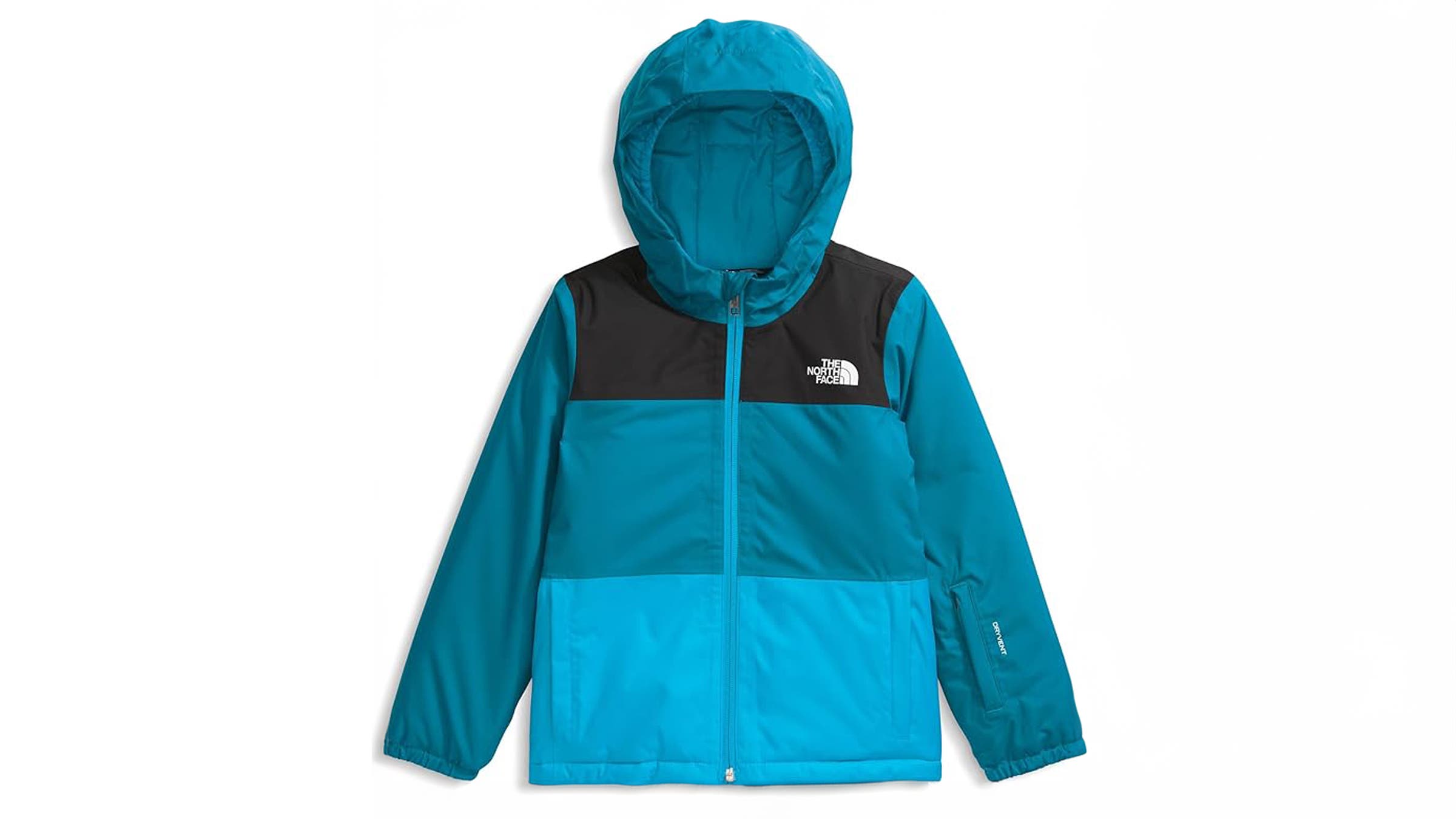
Best Value: The North Face Kids’ Freedom Insulated Jacket
The North Face Kids’ Freedom Insulated Jacket stands out as an exceptionally budget-friendly option that delivers strong performance for both skiing and general snow play. Its two-layer polyester shell, treated with a non-PFC DWR, provides reliable waterproofing. Ample warmth is supplied by The North Face’s proprietary Heatseeker polyester insulation, with 200 grams in the body, 150 grams in the sleeves, and 100 grams in the hood. This generous insulation keeps kids warm without leading to overheating during strenuous activities.
Despite its approachable price point, the Freedom Insulated Jacket incorporates several thoughtful features. A sleeve pass pocket includes a convenient built-in goggle wipe, an integrated powder skirt prevents snow ingress, and crucial cuff seam let-outs allow the sleeves to extend as children grow, significantly enhancing its multi-season usability. While noted as being slightly bulkier and more restrictive than the top-tier selections, its reliable performance in keeping a three-year-old tester warm and dry on the magic carpet, sledding hill, and during snow angel sessions underscores its excellent value proposition.
Warmest: Obermeyer Ashor Jacket
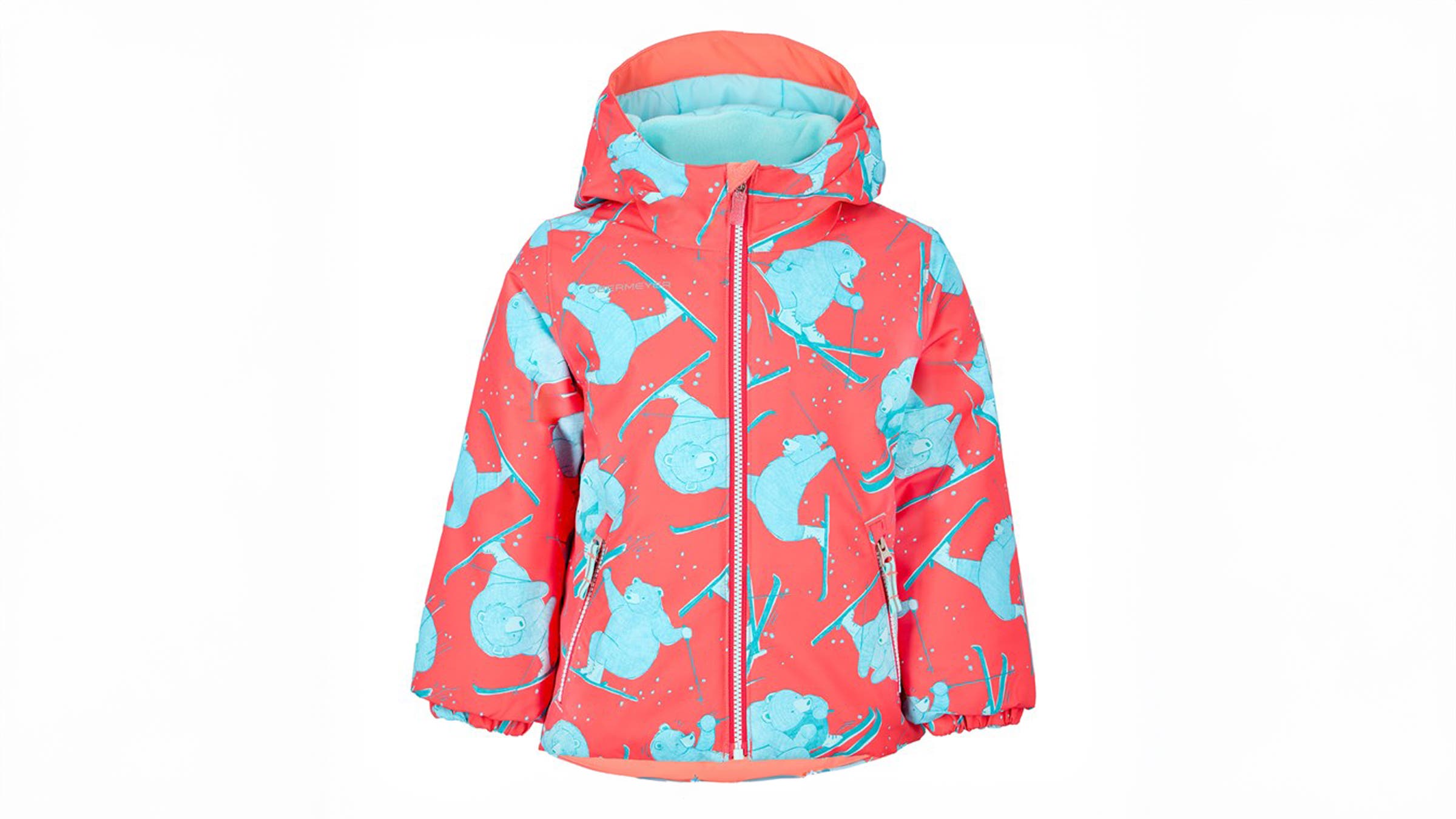
Obermeyer has long been a household name in children’s ski gear, recognized for its pioneering efforts in introducing "grow-with-me" features and for its vibrant, functional designs. The Ashor Jacket, designed for children ages one through eight, exemplifies this legacy, offering an affordable yet highly insulated solution. It comes equipped with an attached hood, an integrated powder skirt, and built-in glove clips in the wrists—a practical detail for preventing lost gloves. Generous proprietary synthetic insulation, with 220 grams in the body, 180 grams in the sleeves, and 80 grams in the hood, ensures superior warmth in cold and stormy conditions.
Indeed, among all jackets tested, the Ashor was perceived as the warmest, making it an ideal choice for parents prioritizing maximum insulation. Its primary drawback was the limited pocket configuration; while it features two zippered hand pockets, the absence of a dedicated pass pocket and an internal stash pocket for snacks or small items was noted. Nevertheless, for its exceptional warmth, affordability, and undeniably appealing aesthetic, the Ashor Jacket remains a top contender for cold-weather protection.
Best for Babies/Toddlers: Patagonia Baby Snow Pile One-Piece
For the youngest adventurers, whether making their first turns on the magic carpet or simply enjoying snow play, a one-piece snowsuit offers superior protection by effectively sealing out cold and snow. The Patagonia Baby Snow Pile One-Piece, though an admitted premium investment, proves its worth through its robust design and thoughtful features, especially when acquired on sale.
This one-piece suit boasts a fully waterproof, seam-sealed shell combined with 150 grams of warm Thermogreen polyester insulation throughout. It mirrors the polished design of Patagonia’s adult outerwear, incorporating practical details such as a sleeve pass pocket and articulation behind the knees for improved mobility. The integrated cuff let-out seams are a crucial feature for extending the suit’s life as toddlers grow, which is particularly beneficial given Patagonia’s baby buntings tend to run large, allowing for multiple seasons of use even before the seams are let out. While the absence of reinforced knees and elbows was a minor point of critique given its long-term durability potential, the Baby Snow Pile One-Piece remains an outstanding choice for keeping babies and toddlers warm and dry in snowy conditions.
Broader Implications: The Evolution of Kids’ Outdoor Gear
The findings of this review underscore a significant trend in the children’s outdoor apparel market: a growing emphasis on technical performance, sustainability, and thoughtful design previously reserved for adult gear. Brands are increasingly recognizing that children’s clothing needs to perform just as rigorously, if not more so, given the intensity of children’s play and their vulnerability to cold. The integration of advanced materials like recycled PrimaLoft, PFAS-free DWR coatings, and innovative "grow-with-me" features reflects a broader industry movement towards more responsible and consumer-centric product development.
Investing in high-quality children’s ski jackets not only ensures physical comfort and safety but also significantly enhances a child’s positive experience with winter sports. When children are warm, dry, and unencumbered by bulky clothing, they are more likely to enjoy their time outdoors, fostering a lifelong appreciation for nature and active lifestyles. The careful selection of outerwear, as highlighted by these top-performing jackets, therefore, represents a crucial investment in a child’s winter well-being and their developmental journey into the world of outdoor adventure.

