
April 24th, 2026 – The North American ski industry is grappling with the aftermath of what is being widely described as one of the most devastating winters on record across the western United States. Vail Resorts, a titan in the industry operating 37 ski areas across the continent, has reported a significant 15% decline in overall visitation, with its flagship resorts in the Rocky Mountains bearing the brunt of this historic downturn. Iconic destinations such as Vail, Park City, and Breckenridge, alongside Canadian jewel Whistler, have all experienced unprecedented challenges, forcing premature closures and severely impacting revenue streams.
The stark reality of the 2025/2026 winter season was encapsulated by Vail Resorts Chief Executive Officer, Rob Katz, who stated, "The winter of 2025/2026 has been one of the most challenging winters in history across the western U.S., with record low snowfall and historically warm temperatures negatively impacting visitation and spending throughout the season." This sentiment was echoed by his further observation: "March conditions saw a continuation of low snowfall and warmer temperatures well outside of historical norms, leading to weaker late-season visitation and earlier than planned closures for many resorts across the western U.S."
A Winter Defined by Scarcity: The Data Behind the Decline
The impact of the unseasonably warm temperatures and severe lack of snowfall is starkly evident in the operational data of ski resorts. While Vail Resorts, for competitive reasons, does not release specific skier visit and revenue figures for individual resorts, the aggregate decline provides a clear picture of the widespread distress. The 15% overall drop in visitation across its North American portfolio is a significant figure, particularly when considering the financial interdependence of ski resorts on a consistent winter season.
The Rocky Mountain region, home to some of the company’s most celebrated and high-volume destinations, experienced a particularly acute decline. Mr. Katz elaborated on this regional impact, stating, "As we previously highlighted heading into March, these dynamics increased variability and resulted in visitation declines for both destination and local guests with the largest impact in the Rockies, where visitation declined 25%." This 25% drop in the Rockies alone underscores the devastating effect the poor winter has had on the region’s tourism economy, which heavily relies on snow sports.
Colorado’s Snow Drought: A Historical Perspective
The situation in Colorado has reached a critical juncture, with the winter of 2025/2026 officially declared the worst for snowfall in recorded history for the state. The Colorado Climate Center has officially corroborated these findings, labeling this winter as "the worst year for the Colorado snowpack in recorded history." This statement is not hyperbole; it represents a statistical anomaly that has profound implications for water resources, the environment, and the winter tourism sector that defines many of the state’s communities.
Historically, Colorado has been a benchmark for reliable winter conditions, attracting millions of skiers and snowboarders annually. The state’s snowpack is crucial not only for recreation but also for its role in water supply for agriculture and municipalities throughout the spring and summer months. A record low snowpack in winter directly translates to reduced water availability downstream, creating a cascading effect that extends far beyond the ski slopes.
Chronology of a Challenging Season
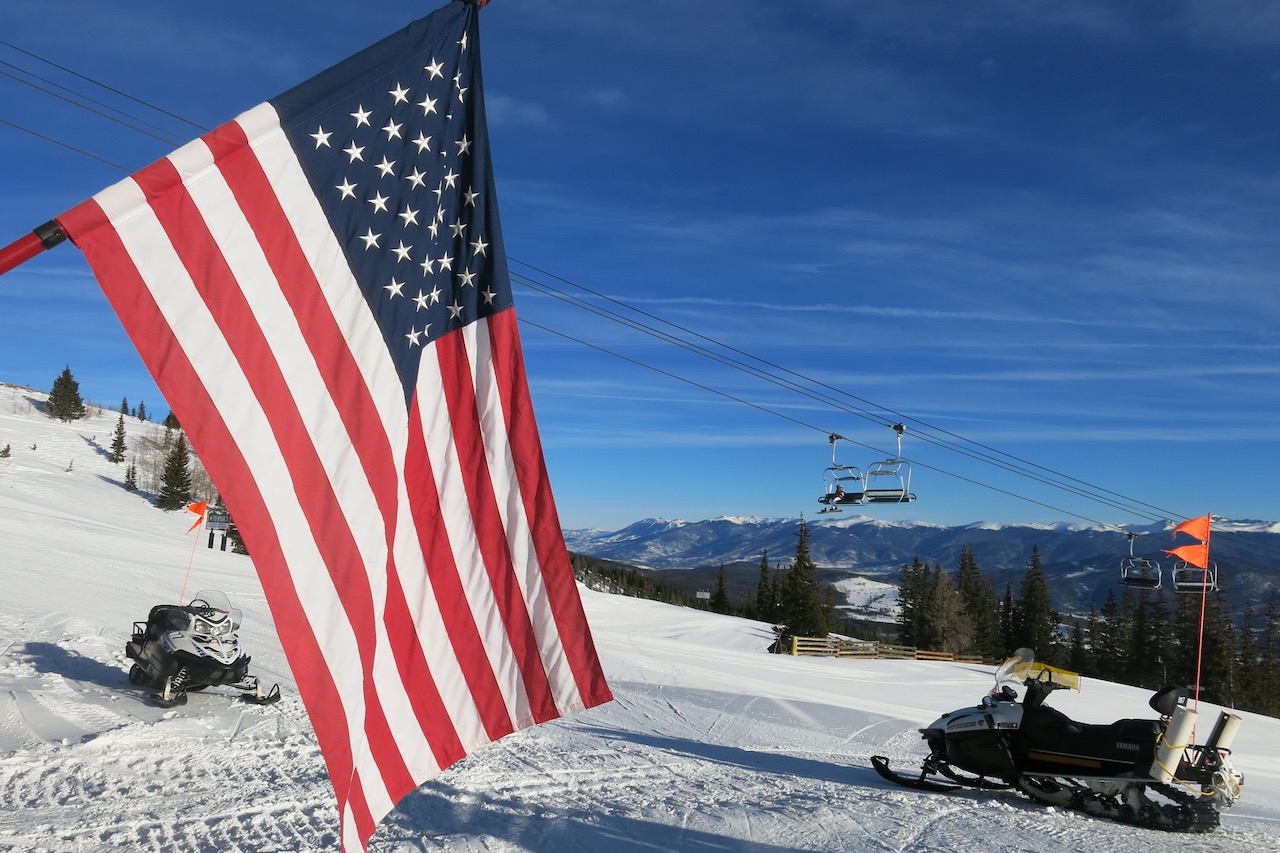
The 2025/2026 ski season began with apprehension, as early indicators suggested a potential departure from typical winter patterns. While initial snowfall in some regions provided a glimmer of hope, the trend quickly reversed.
- Late November – December 2025: Initial snowfall in some western resorts was inconsistent. While a few early-season storms offered some operational capacity, many resorts reported below-average base depths and delayed opening dates. This created an early sense of unease among industry stakeholders.
- January – February 2026: The core of the winter season was marked by a persistent lack of significant snowfall across much of the western US. Unseasonably warm temperatures became the norm, with daytime highs frequently exceeding freezing points at mid-elevations. This led to rapid snowmelt and a continuous struggle for resorts to maintain skiable terrain.
- March 2026: The situation deteriorated further. March, typically a strong month for snowfall and late-season skiing, saw a continuation of the problematic weather patterns. Warm temperatures persisted, and new snowfall was minimal. This directly impacted spring break visitation, a crucial revenue period for many resorts.
- Early April 2026: The reality of the season’s failure became undeniable. Many resorts, facing unsustainable conditions and operational costs, began announcing early closures. Vail, a flagship resort, was originally scheduled to close on April 19th but was forced to cease operations on April 8th due to insufficient snow. This early closure at such a prominent resort sent a strong signal about the severity of the crisis.
- Mid-April 2026: As the official end of the traditional ski season approached, the focus shifted to the financial implications and the outlook for the following year. Vail Resorts released its preliminary assessment, highlighting the significant drop in visitation.
- Late April 2026: In a testament to the resilience and adaptability of some resorts, and perhaps a response to pent-up demand for any available snow, there were isolated instances of late-season snow offering a brief reprieve. Breckenridge, for example, announced a re-opening of an area (Peak 8) for a single day on Saturday, April 25th, for a special event, demonstrating a last-ditch effort to engage skiers and snowboarders.
Vail Resorts’ Response and Future Outlook
In the face of this unprecedented challenge, Vail Resorts CEO Rob Katz outlined the company’s strategic response and outlook. While the operational impact has been severe, the company is looking towards future revenue streams and maintaining its customer base.
"Spring pass sales for the 2026/2027 season are underway, and through the April 12 deadline, we have seen a moderate decline in pass product units and a slight decline in sales dollars," Katz reported. He emphasized that it is still early in the sales period, with further pricing deadlines in May. A more comprehensive update on pass sales trends is anticipated with the reporting of third-quarter results in June 2026. This indicates a cautious optimism that dedicated pass holders will continue to invest in future seasons, mitigating some of the immediate financial fallout.
The company’s strategy appears to be focused on retaining its loyal customer base through its Epic Pass product, a subscription model that offers access to its vast network of resorts. While the recent season has undoubtedly tested the loyalty of these pass holders, the early indications of moderate declines in sales suggest that a core group remains committed to the brand and the promise of future seasons.
Broader Implications for the Ski Industry and Western US Economy
The catastrophic winter of 2025/2026 has far-reaching implications for the entire ski industry and the broader economies of the western United States.
- Economic Impact on Resort Communities: Ski towns and surrounding communities are heavily reliant on the economic activity generated by the winter tourism season. Reduced visitation means fewer dollars spent on accommodation, dining, retail, and other services. This can lead to job losses, reduced tax revenues, and a significant strain on local businesses.
- Investment and Infrastructure: A prolonged period of poor winters could deter future investment in ski resorts and related infrastructure. Operators may become more hesitant to undertake major capital projects if the risk of climate-related disruptions becomes increasingly prevalent.
- Climate Change Adaptation: This season serves as a stark reminder of the vulnerability of the ski industry to climate change. Resorts and industry bodies will likely accelerate efforts to adapt, exploring strategies such as enhanced snowmaking, diversifying revenue streams beyond skiing (e.g., summer activities, year-round attractions), and advocating for climate action policies.
- Shifting Tourist Patterns: As reliable snow conditions become less certain in traditional hotspots, there could be a shift in where domestic and international tourists choose to go for their winter holidays. Resorts in regions with more stable snow patterns, or those that have invested heavily in climate adaptation, might see increased demand.
- Environmental Concerns: The reduced snowpack has significant environmental consequences. Lower water levels impact ecosystems, wildlife, and human water supplies. The reliance on energy-intensive snowmaking, while a potential mitigation strategy, also raises environmental questions.
The one-day re-opening of Peak 8 at Breckenridge for the "Peaks and Beats" event, complete with skiing off the Colorado Chair, access to specific trails, a small terrain park, free lunch for pass holders, live music, and the Gold Runner coaster, illustrates the creative efforts resorts are undertaking to salvage some positive experiences and maintain engagement, even in the direst of circumstances. The gondola operating from 9 a.m. to 6:30 p.m. for transfers between town and Peak 8 underscores the logistical considerations in offering even limited operations.
In conclusion, the 2025/2026 winter season will be etched in the annals of North American ski history as a period of unprecedented hardship. The record-breaking lack of snowfall and unseasonably warm temperatures have inflicted significant damage on Vail Resorts and the wider ski industry, particularly in the Rocky Mountains. As the industry collectively analyzes the fallout and looks ahead, the imperative to address the underlying causes of these climatic shifts and to develop robust adaptation strategies has never been more critical. The future of winter tourism in the western United States may well depend on its ability to navigate an increasingly unpredictable climate.
PlanetSKI: Number 1 for digital ski news.
Your digital platform for ski news, resort information, travel, equipment rental, sport, money-saving deals and everything connected with snowsports – website, social media & more.

