
The landscape of competitive winter sports experienced a seismic shift on July 7, 2026, when the International Olympic Committee (IOC) officially confirmed the inclusion of freeride skiing in the 2030 Winter Olympic Games. This landmark decision will see elite freeriders from across the globe vying for coveted Olympic medals on the formidable, untamed faces of the French Alps, marking a pivotal moment for a discipline long cherished by its ardent followers. For those immersed in the freeride scene, this announcement, though monumental, was not entirely unexpected, representing the culmination of years of organic growth and strategic maneuvering, most notably the acquisition of the Freeride World Tour (FWT) by the International Ski and Snowboard Federation (FIS) in 2022.
The Ascent of Freeride: A Journey to the Global Stage
Freeride skiing, often described as the purest form of skiing, involves navigating ungroomed, natural terrain, frequently characterized by extreme steeps, cliff bands, and varied snow conditions. Unlike alpine racing, which emphasizes speed through a predetermined gate course, or freestyle skiing, which focuses on acrobatic maneuvers in a sculpted terrain park, freeride challenges athletes to find the most creative, fluid, and technically demanding line down an untouched mountain face. Competitors are judged on line choice, control, fluidity, air and style, and technique, rewarding those who can blend raw power with artistic expression and precision.
The journey of freeride from a niche pursuit to an Olympic discipline has been a protracted evolution. Originating from the extreme skiing movements of the late 20th century, early big mountain competitions began to formalize in the 1990s and early 2000s, giving rise to iconic events like the Verbier Xtreme. The establishment of the Freeride World Tour in 2008 consolidated these disparate events into a cohesive international series, providing a global platform for the sport’s most talented athletes. The FWT quickly became the undisputed pinnacle of competitive freeride, showcasing the sport’s thrilling unpredictability and raw athletic prowess.
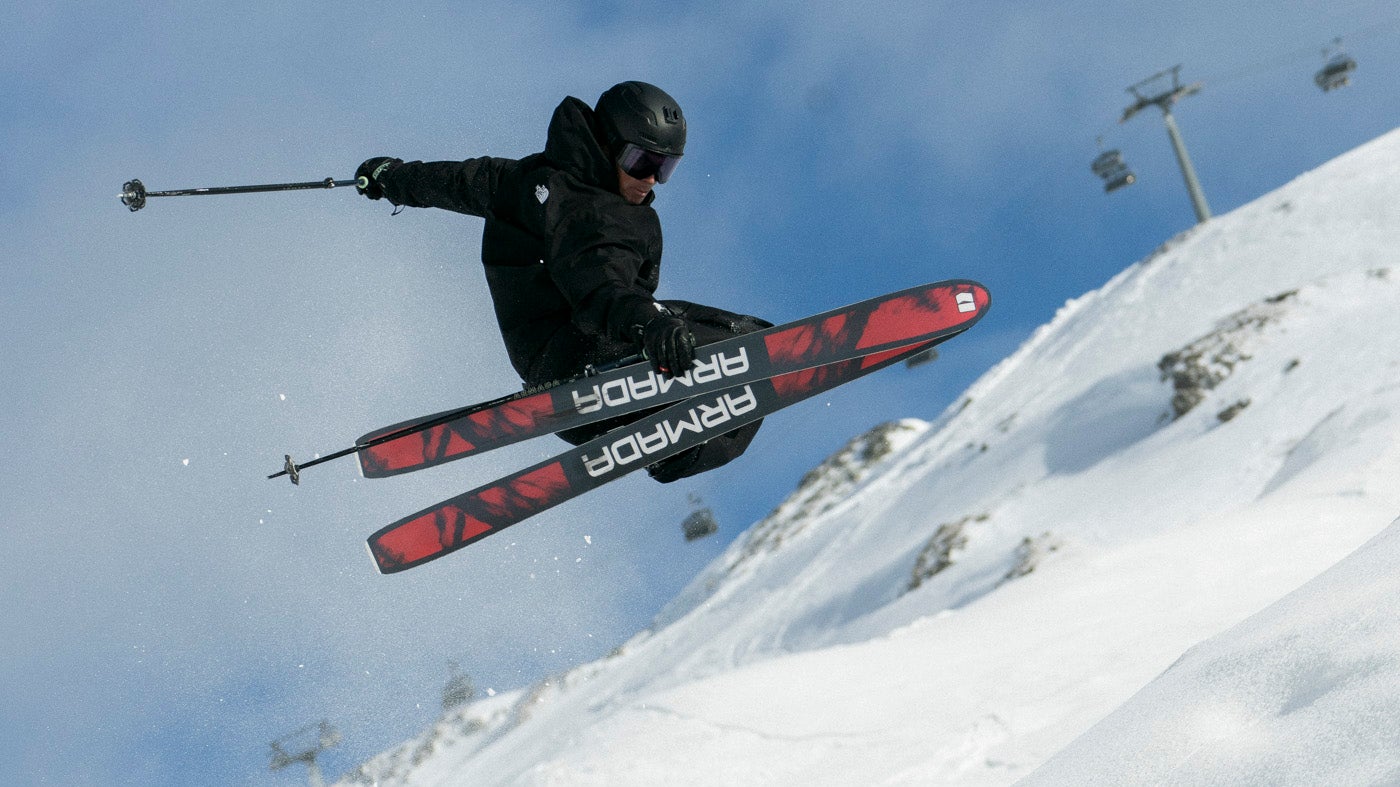
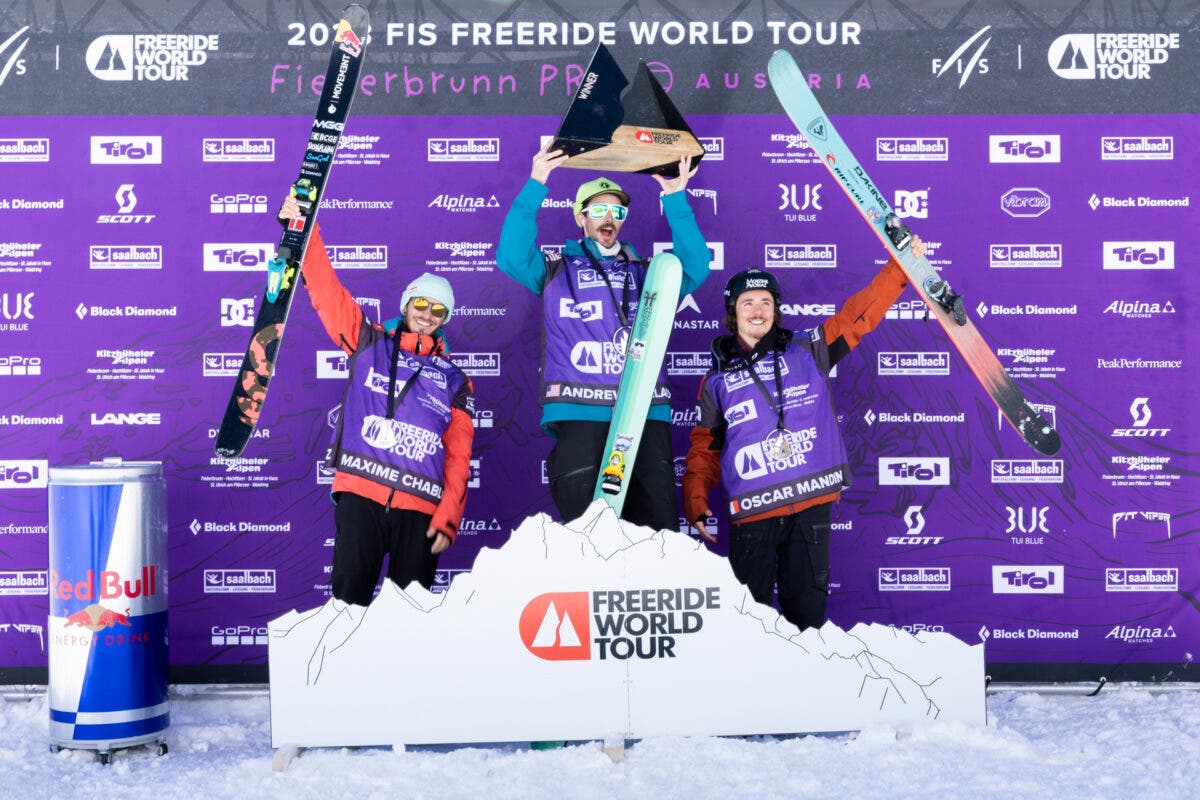
A decisive turning point came in December 2022, when the FIS, the governing body for international ski and snowboard sports, announced its acquisition of the Freeride World Tour. This strategic move was instrumental in paving the way for Olympic inclusion. By integrating the FWT under its umbrella, FIS brought freeride into a standardized framework that included established anti-doping protocols, robust safety guidelines, a structured athlete development pathway, and a broader global reach. This merger was seen by many as a clear signal of the sport’s professionalization and its potential to appeal to a wider audience. The subsequent years saw increased collaboration between FIS and FWT, with pilot events and rigorous evaluations demonstrating freeride’s adherence to Olympic standards and its capacity to captivate viewers. The IOC’s final confirmation on July 7, 2026, therefore, was less a surprise and more the logical progression of a carefully orchestrated plan.
Reactions and Implications for the Sport
The announcement has been met with widespread enthusiasm across the winter sports community. IOC officials, in their statements, highlighted freeride skiing’s dynamic nature, its strong youth appeal, and its ability to showcase the diversity and innovation within winter sports. They emphasized its alignment with the Olympic agenda’s focus on relevance and engaging new demographics. FIS President Johan Eliasch expressed immense pride, noting that the inclusion validates the federation’s vision and investment in growing freeride globally. "This is a monumental achievement for the sport of freeride," Eliasch stated, "and a testament to the dedication of athletes, organizers, and fans who have championed its unique spirit. We look forward to seeing it thrive on the world’s biggest stage."
For freeride athletes, the news represents a transformative opportunity. Veteran competitors and rising stars alike expressed jubilation, acknowledging the potential for increased funding, professional contracts, and unparalleled global recognition. While some purists expressed mild concerns about potential commercialization altering the sport’s core ethos of freedom and individuality, the overwhelming sentiment was one of excitement for the future. "To think that we’ll be competing for an Olympic medal, showcasing what we love to do to billions of people, it’s a dream come true," remarked a prominent FWT athlete, reflecting the general mood. The host venues in the French Alps are also poised for a significant boost, with the prospect of drawing unprecedented numbers of spectators and tourists, further cementing the region’s status as a premier big-mountain destination.
The Evolution of Freeride Ski Technology
One of the most immediate and tangible impacts of Olympic inclusion is expected to be on the ski equipment industry. While recent trends in the broader ski market have seen a gradual shift towards narrower ski designs, the spotlight on freeride is almost certainly going to reverse this. With the 2030 Games on the horizon, industry analysts predict a significant surge in demand for freeride-specific skis, not just among aspiring Olympians but also among recreational skiers eager to emulate their heroes. Manufacturers are already anticipated to ramp up research and development, pushing the boundaries of design and materials to meet the rigorous demands of Olympic-level competition.
But what exactly constitutes a freeride ski, and how has it evolved to meet the sport’s unique challenges? At its core, a freeride ski prioritizes stability, especially at high speeds and in unpredictable conditions, over sheer floatation (though float is still important). While all-mountain skis typically range from 90-109 millimeters underfoot, designed as versatile "jacks-of-all-trades," freeride skis are often significantly wider and feature more pronounced rocker profiles in the tip and tail. This design choice is critical: the increased width and rocker prevent the skis from "hooking up" prematurely, allowing for greater maneuverability and control in adverse snow, such as wind-scoured crusts, heavy crud, or variable slush.
The need for stability is paramount in competitive freeride. Athletes rarely encounter pristine powder conditions; instead, they must perform on whatever snow Mother Nature provides on competition day, often navigating heinous wind crusts or refrozen chop. They are given only a few days for visual inspection of an ungroomed, often treacherous face and are not permitted to ski it prior to their single competition run. This means their equipment must be capable of handling not only high speeds but also tight, technical turns, massive cliff drops (often exceeding 40 feet, with airs extending over 100 feet), and absorbing impacts from unforgiving landings. A lost ski due to equipment failure or a heavy impact results in zero points.
Historically, freeride skis were monstrously long, heavy, and stiff, designed for pure fall-line charging. Iconic models from the 2000s and early 2010s, such as the Dynastar Legend Pro Rider, boasted massive turn radii (e.g., 27 meters) and were constructed with iron-beam-like stiffness. The philosophy was simple: brute force and unwavering stability to plow through anything. However, as freeride evolved to incorporate more freestyle elements – spins, grabs, and even switch landings – the equipment had to adapt. Modern freeride skis are a sophisticated blend of power and agility. They must be light enough to feel balanced during aerial maneuvers, yet robust enough to withstand punishing landings and maintain composure at eye-watering speeds. Contemporary designs feature long radii to prevent unintended edge engagement, ample rocker for effortless slashes and slips in steep couloirs, and sufficient width and mass to both float over powder and blast through dense crud.
Podium-Proven Freeride Skis of Today
The last few seasons on the Freeride World Tour have seen a clear trend emerge among the top-performing skis: a mid-fat waist (typically 110-115mm), pronounced tip and tail rocker, combined with a healthy dose of metal and traditional camber underfoot. These skis represent the pinnacle of current freeride technology, blending power, stability, and playful agility.
-
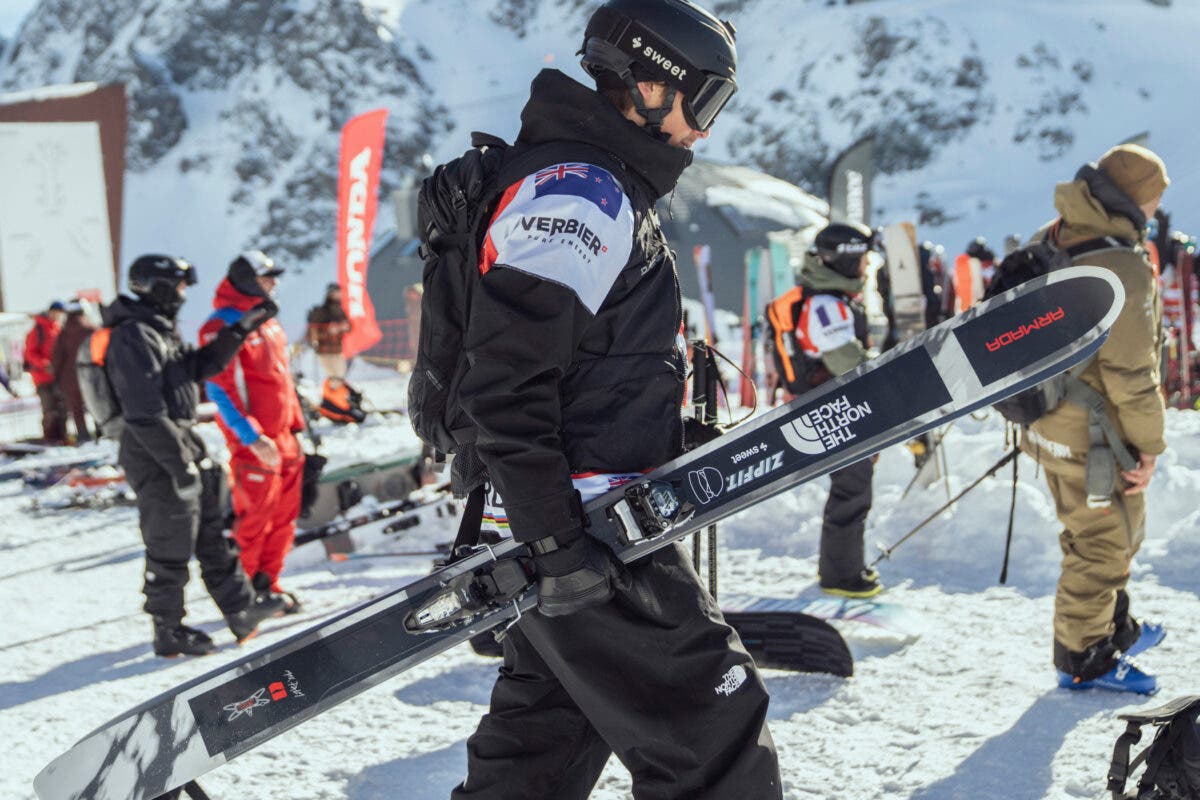
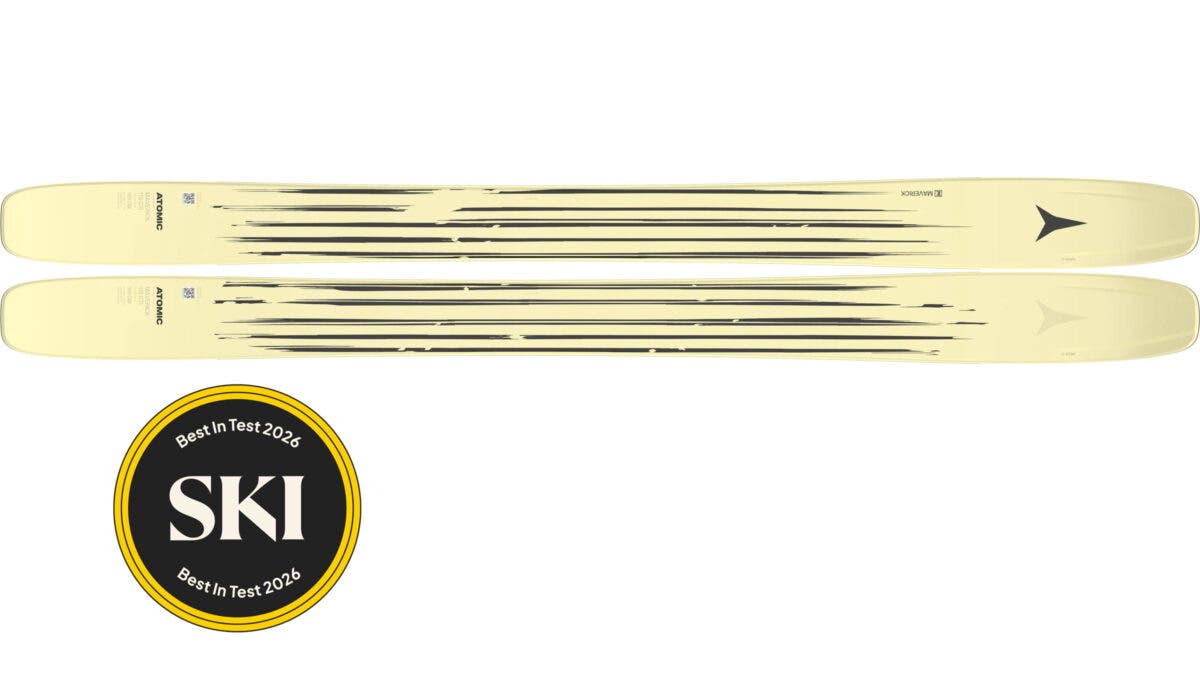
Atomic Maverick 115 CTi: A standout performer, the Atomic Maverick 115 CTi has propelled athletes like Justine Dufour-Lapointe, a two-time World Champion in 2023 and 2025, to victory. This ski strikes an impressive balance, offering excellent floatation in deeper snow while maintaining remarkable strength underfoot, yet remaining light enough to facilitate Dufour-Lapointe’s signature airy backflips. Its variable-snow prowess was further underscored by New Zealander Craig Murray, a Freeride World Tour veteran, who secured a commanding win at the inaugural Natural Selection Ski event in Alaska in 2025, demonstrating the Maverick 115 CTi’s adaptability across diverse and challenging conditions.
-
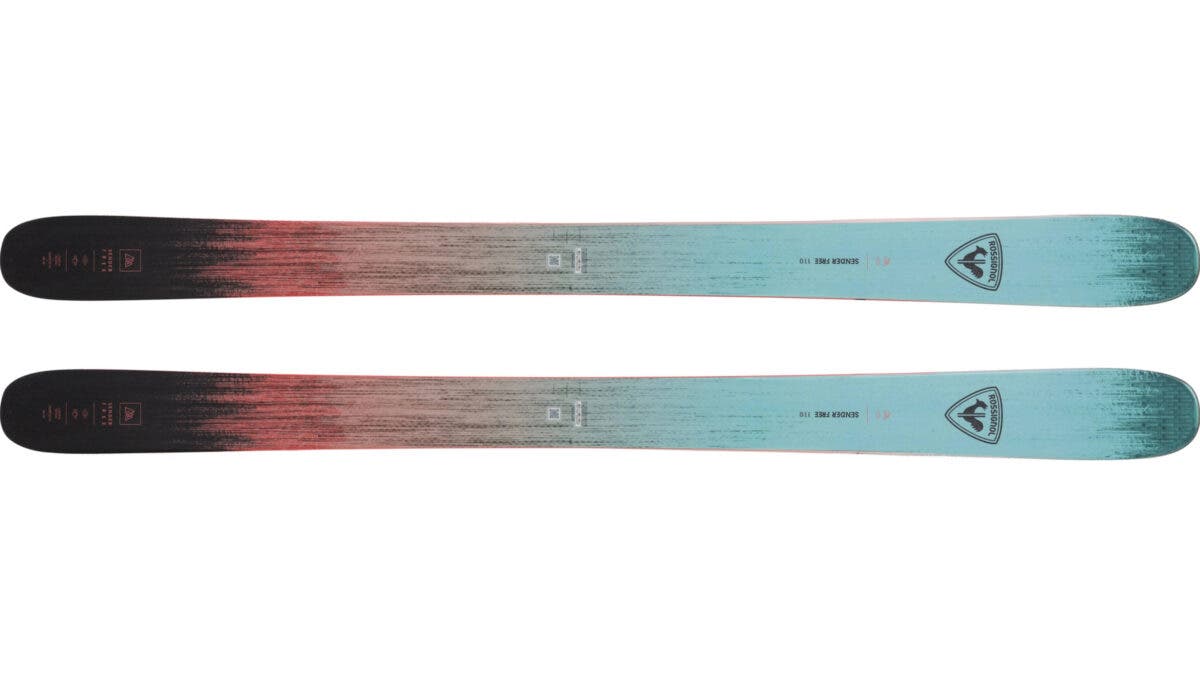
Rossignol Sender Free 110: Marcus Goguen, who achieved a remarkable two-year streak of either podium finishes or pushing the limits, secured his first World Championship in 2025 on his signature Rossignol Sender Free 110. This ski is characterized by its quick and flicky tip and tail, allowing for dynamic maneuverability, coupled with a stout Titanal backbone underfoot that provides unwavering stability. Goguen famously "sent" a previously unattempted cliff on the legendary Bec de Rosses during the Verbier Xtreme, a feat that earned him his maiden FWT finale win and led to the cliff being named in his honor. The Sender Free 110’s construction perfectly supports such audacious line choices, delivering both precision and power.
-
Armada Antimatter 114: The 2026 season was largely defined by the sheer dominance of New Zealander Ben Richards, who, freshly signed by Armada, achieved an extraordinary four victories in a five-event season, including the inaugural FIS Freeride World Championships. Richards’ triumph was made even more remarkable by his narrow margin of victory over Armada teammate Toby Rafford, highlighting the consistent performance of their chosen equipment. Richards’ secret weapon was the Armada Antimatter 114, a brand-new ski developed specifically for the tour by FWT veteran Max Palm. Palm, the first skier to successfully land a double backflip in competition, leveraged his background as a ski racer to insist on a more directional ski with metal, while ensuring it retained a playful character for creative skiing. The Antimatter 114 represents a significant evolution in freeride ski design. It is notably lighter than many of its competitors (perhaps only rivaled by the Sender Free 110) yet provides the robust stability required for Richards’ "glued-to-the-fall-line style" and his powerful charges through chopped-up outruns. Its balanced profile allows for stylish hand-drag 360s without compromising its ability to absorb massive impacts.
Embracing the Freeride Revolution: A Call to All Skiers
Unlike the highly specialized, often unavailable-to-the-public race skis used in other Olympic disciplines, the skis championed by these freeride athletes are already accessible to recreational skiers. The narrative of modern skis becoming "easier to ski" holds true even for these high-performance models. The very design trends that favor "looser, lighter, and more agile" skis for elite competitors also translate into a more manageable and enjoyable experience for the average enthusiast.
The inclusion of freeride in the 2030 Winter Olympics serves as an exciting invitation for all skiers to reconsider their equipment choices. Next time you’re contemplating another run on your conventional 90-millimeter all-mountain skis, cast your gaze towards the more adventurous corners of your local resort. You’ll likely spot younger generations confidently carving on wider, rockered skis, exploring terrain with a newfound freedom. Head to a demo shop, experience the difference a modern freeride ski can make, and join the movement. By 2030, as the world tunes in to witness the spectacle of Olympic freeride in the French Alps, everyone will understand precisely how these athletes master such formidable terrain – and perhaps, you’ll already be part of the revolution.

