
Published on July 6, 2026, the comprehensive evaluation of the Head Kore 100 Ti revealed a rare consensus among a panel of seasoned ski testers, who typically possess discerning palates for performance and are quick to identify even minor shortcomings in new equipment. However, when pressed to pinpoint weaknesses in the Kore 100 Ti, the feedback was notably sparse, with one tester remarking, "Did not find any weaknesses," and another conceding, "It’s pretty dang dialed." This extraordinary unanimity underscores the ski’s balanced design and exceptional execution, positioning it as an ideal choice for a vast spectrum of skiers, from intermediates refining their technique to experts pushing the limits of on- and off-piste exploration.
The Evolving Paradigm of All-Mountain Skiing
The concept of an "all-mountain ski" has undergone significant evolution over the past few decades, driven by advancements in material science, shaping technologies, and a growing consumer demand for equipment that can perform reliably across diverse snow conditions and terrain types. Historically, skis were highly specialized, with distinct models for racing, powder, moguls, and groomed trails. This often necessitated skiers owning multiple pairs or making compromises based on daily conditions. The emergence of the all-mountain category sought to bridge this gap, offering a single ski capable of handling a broader range of situations.
Early iterations of all-mountain skis often struggled to achieve true versatility, frequently excelling in one area at the expense of another. A ski designed to float in powder might feel sluggish and unwieldy on hardpack, while a ski optimized for carving might sink in deeper snow. The challenge for manufacturers has always been to strike a delicate balance: integrating sufficient width for flotation without sacrificing edge hold, incorporating stiffness for stability without making the ski overly demanding, and ensuring responsiveness across varying turn radii. The Head Kore 100 Ti represents a significant stride in this ongoing quest, demonstrating that true all-mountain mastery is not only attainable but can also be delivered with remarkable user-friendliness.
Deep Dive into the Kore 100 Ti’s Unparalleled Performance
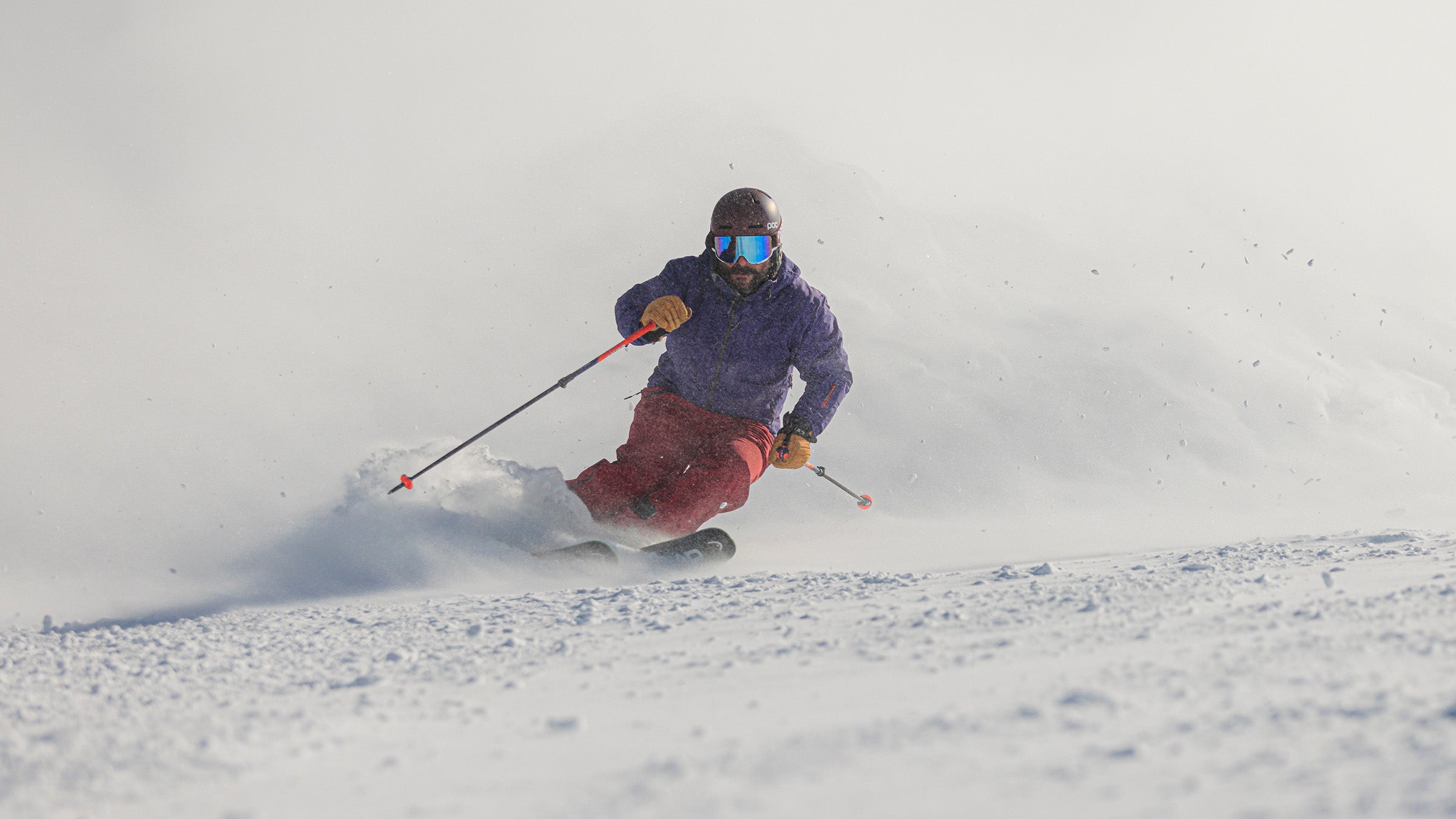
The Head Kore 100 Ti did not secure the top spot in any single performance category during the rigorous testing process; instead, its strength lay in its consistent excellence across the board. Testers evaluated its capabilities on hardpack, through moguls, in challenging technical terrain, across variable crud, and in soft snow conditions. In each instance, the Kore 100 Ti performed admirably, spreading its virtues evenly rather than maximizing one characteristic at the expense of another. This balanced approach is precisely what makes it a "Best for Most" contender, as it caters to the real-world needs of the majority of recreational skiers who encounter a mix of conditions on any given day.
A critical element contributing to its versatility is its 100-millimeter waist width. This dimension is widely considered the sweet spot for an all-mountain ski, offering ample surface area for flotation in fresh snow and crud without feeling excessively wide or cumbersome when initiating turns on groomed runs. The slight extra width, compared to narrower carving skis, provides a stable platform in unpredictable snow, enhancing confidence and reducing fatigue. Conversely, it remains nimble enough to navigate tighter spaces like moguls or tree runs, a feat not always achievable with wider powder-specific skis.
Furthermore, the ski boasts a "generous sweet spot," a term used to describe the area along the ski where a skier can exert optimal pressure and achieve desired performance. A larger sweet spot makes a ski more approachable and forgiving, allowing intermediates who are still developing their balance and pressure control to achieve top performance with less effort. This design philosophy is crucial for attracting a broad demographic, enabling skiers to progress their skills without feeling overwhelmed by an overly demanding piece of equipment.
For expert skiers, the integration of Titanal in the ski’s construction provides the necessary "backbone." Titanal, an aluminum alloy known for its strength-to-weight ratio, contributes significantly to the ski’s torsional stiffness and dampening properties. This means that when experts push the ski hard—carving aggressive turns at high speeds, blasting through crud, or dropping into steep, challenging terrain—the Kore 100 Ti maintains its integrity, remaining stable, predictable, and responsive. The metal laminate effectively absorbs vibrations, providing a smooth ride and powerful edge grip, ensuring that even the most aggressive skiers feel connected to the snow and confident in their equipment’s ability to perform under pressure. This dual appeal—approachability for intermediates and robust performance for experts—is a hallmark of truly exceptional all-mountain design.
Engineering Excellence: The Technology Behind the Kore 100 Ti
Head’s Kore series has been at the forefront of lightweight, high-performance ski design since its inception, and the 2026 Kore 100 Ti continues this legacy of innovation. While the original snippet highlights Titanal, a deeper understanding of Head’s Kore technology reveals a sophisticated blend of advanced materials and meticulous construction techniques.
At the core of the Kore 100 Ti’s design is typically a lightweight Karuba wood core. Karuba is prized for its excellent strength-to-weight ratio, providing a lively feel and natural flex pattern. This light wood base is often combined with other revolutionary materials to achieve the Kore’s signature performance characteristics. For instance, Head has famously incorporated Graphene, one of the lightest and strongest materials known to humankind, into its Kore skis. Graphene is strategically placed to enhance specific performance zones without adding unnecessary weight. It contributes to the ski’s torsional rigidity, improving edge hold and stability, particularly in demanding conditions.
Another material often found in Kore skis is Koroyd, a unique honeycomb structure that offers exceptional dampening properties. Positioned in the tips and tails, Koroyd helps absorb vibrations and chatter, leading to a smoother ride and increased control, especially at higher speeds or in variable snow. This reduces skier fatigue and enhances comfort, making the ski more enjoyable for extended periods on the mountain.
The combination of these lightweight yet robust materials—Karuba, Graphene, and Koroyd—allows Head to create a ski that is remarkably light underfoot. A lighter ski is easier to maneuver, reduces fatigue, and facilitates quicker turn initiation, all while maintaining the power and stability typically associated with heavier, metal-laden skis. The strategic placement of Titanal further refines this balance. Unlike some skis that use full sheets of metal, Head often employs targeted Titanal laminates, precisely positioned to provide stiffness and dampening where it’s most needed, such as underfoot and along the edges, without making the ski overly stiff or heavy. This "Titanal-powered" construction, as Head sometimes refers to it, is a testament to the brand’s commitment to optimizing performance through intelligent material distribution.
Beyond materials, the ski’s geometry plays a crucial role. The Kore 100 Ti likely features a well-engineered rocker-camber-rocker profile. Traditional camber underfoot provides powerful edge grip and rebound on groomed snow, while subtle rocker in the tip and tail enhances float in powder, eases turn initiation, and prevents hooking in variable conditions. The specific blend of these profiles is fine-tuned to ensure the ski feels intuitive and adaptable across all terrain. The sidecut, which dictates the ski’s turning radius, is also carefully calibrated to provide a balance between quick, short turns and stable, longer arcs, further contributing to its all-mountain prowess.
The Rigorous Ski Testing Process: A Credible Benchmark
The designation of "Best for Most" is not bestowed lightly. It is the culmination of an exhaustive and highly credible ski testing process, typically conducted by leading ski publications and independent panels. While specific details of the Ski Magazine test are proprietary, the general methodology involves:
- Diverse Tester Pool: A group of highly experienced skiers with varying backgrounds, skill levels (from advanced intermediates to former professionals), and preferences are assembled. This diversity ensures that skis are evaluated from multiple perspectives.
- Controlled Environment: Tests are usually conducted over several days at a single resort or multiple resorts, providing consistent access to a wide range of snow conditions, from freshly groomed corduroy to challenging moguls, icy patches, and deeper powder stashes.
- Blind Testing (Often): To minimize brand bias, skis are sometimes de-tuned or masked so testers don’t know the manufacturer or model.
- Standardized Evaluation Criteria: Testers evaluate skis across a comprehensive list of performance attributes, including:
- Carving Performance: Edge hold, turn initiation, stability at speed.
- Versatility: How well it handles various snow types (powder, crud, ice, slush).
- Playfulness/Liveliness: Energy out of turns, responsiveness.
- Dampening: Ability to absorb vibrations and chatter.
- Forgiveness: How tolerant the ski is of skier errors.
- Maneuverability: Ease of turning in tight spaces.
- Fun Factor: An overall subjective assessment of enjoyment.
- Comparative Analysis: Testers typically ski multiple models back-to-back, allowing for direct comparison and nuanced feedback. Detailed notes and numerical scores are recorded for each ski in every category.
- Consensus and Review: The raw data and individual feedback are then compiled, analyzed, and discussed by the editorial team and lead testers to identify trends, highlight standout performers, and ultimately determine awards and recommendations.
The fact that the Head Kore 100 Ti elicited such overwhelmingly positive and consistent feedback, with a distinct lack of critical commentary, speaks volumes about its inherent quality and the success of its design philosophy. It signifies that the ski consistently met or exceeded expectations across a wide array of demanding performance metrics, a rare achievement in an industry constantly striving for innovation.
Head’s Enduring Legacy in Ski Manufacturing
Head Sport GmbH, founded in Baltimore, Maryland, in 1950 by aeronautical engineer Howard Head, has a long and storied history of innovation in the ski industry. Head revolutionized ski construction with the introduction of metal-laminated skis, providing unprecedented stability and control compared to traditional wood skis. Over the decades, Head has continued to push boundaries, developing iconic ski lines and technologies that have been embraced by Olympic champions and recreational skiers alike.
The Kore series, first introduced several years ago, quickly established itself as a flagship line for Head, known for its lightweight construction combined with powerful performance. It represented a modern evolution in ski design, leveraging cutting-edge materials like Graphene to redefine what was possible in terms of weight, stiffness, and dampening. The success of the Kore 100 Ti is not an isolated incident but rather a testament to Head’s sustained commitment to research and development, its deep understanding of ski dynamics, and its ability to translate advanced engineering into tangible on-snow benefits for skiers. This latest iteration further cements Head’s reputation as a leading innovator and a brand synonymous with quality and performance in the global ski market.
Market Impact and Consumer Implications
The "Best for Most" endorsement for the 2026 Head Kore 100 Ti carries significant weight within the ski industry and for consumers. Such a high-profile recommendation from expert testers can profoundly influence purchasing decisions, particularly in the highly competitive all-mountain segment, which accounts for a substantial portion of the global ski market.
For Head, this designation translates into enhanced brand prestige and, very likely, a significant boost in sales. In a market saturated with options, a clear, objective endorsement from a respected source acts as a powerful differentiator. Consumers, often overwhelmed by technical specifications and marketing jargon, rely heavily on expert reviews to guide their choices. The Kore 100 Ti’s universal appeal means it is positioned to capture market share from a wide demographic, including:
- Aspiring Intermediates: Those looking for a forgiving yet capable ski that will help them progress their skills across varied terrain.
- Advanced Enthusiasts: Skiers who demand performance and versatility for exploring the entire mountain, from groomers to powder stashes.
- Experienced Experts: Those seeking a reliable, powerful, and stable platform for aggressive skiing without the added weight of traditional metal skis.
The success of the Kore 100 Ti also reflects a broader industry trend towards intelligent design that prioritizes both performance and user experience. Skiers are increasingly seeking skis that are less fatiguing to ride all day while still offering uncompromising stability and edge hold. The lightweight nature, combined with the powerful backbone provided by Titanal, perfectly aligns with this demand.
From a competitive standpoint, the Kore 100 Ti’s stellar review will undoubtedly intensify scrutiny from rival brands. Its performance will serve as a new benchmark, prompting competitors to analyze their own all-mountain offerings and potentially accelerate their research and development cycles to match or exceed Head’s achievement. This healthy competition ultimately benefits consumers, as it drives continuous innovation across the industry. While specific sales figures for the 2026 season are yet to be reported, the "Best for Most" accolade strongly suggests a robust market performance for the Kore 100 Ti, potentially establishing it as one of the best-selling all-mountain skis of the year.
The Future Trajectory of All-Mountain Ski Design
The Head Kore 100 Ti’s success provides valuable insights into the future trajectory of all-mountain ski design. The trend towards lightweight yet powerful skis, achieved through the intelligent integration of advanced materials, is likely to continue. Manufacturers will increasingly focus on optimizing material placement and ski geometry to achieve the elusive balance of float, edge grip, stability, and maneuverability.
Furthermore, the emphasis on a "generous sweet spot" and approachability for a wider range of skill levels suggests that future designs will prioritize skis that are not only high-performing but also accessible and enjoyable for the average skier. This might involve more refined rocker-camber profiles, adaptive flex patterns, and even greater integration of dampening technologies to enhance comfort and reduce fatigue. The industry may also see increased focus on sustainability in ski manufacturing, with brands exploring eco-friendlier materials and production processes without compromising performance.
The Head Kore 100 Ti stands as a testament to what is achievable when innovative engineering meets a deep understanding of skier needs. Its balanced performance, robust construction, and universal appeal have set a new standard for versatility, making it a compelling choice for virtually any skier seeking a single ski to conquer the entire mountain. The unanimous praise from expert testers underscores its status as a remarkable achievement in modern ski design, firmly establishing the 2026 Head Kore 100 Ti as a defining product in the all-mountain category for years to come.

