
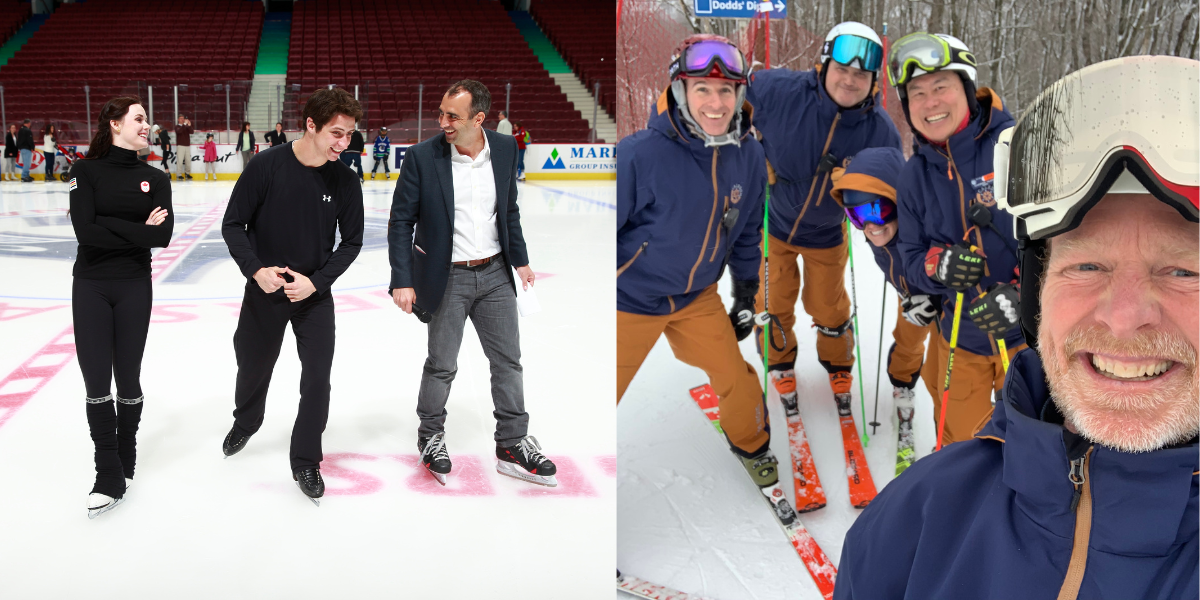
At first glance, the Athlete Action Plan (AAP) might appear to be another addition to the myriad of performance planning tools available to competitive athletes. However, a deeper examination reveals it as a groundbreaking framework, meticulously crafted from the convergence of two distinct, yet complementary, professional perspectives, united by a singular, overarching goal: to redefine athlete success. Conceived by academic and business/sport strategic planner Steve Ilkiw, alongside marketer, coach, and sport consultant Michael Colley, the AAP transcends the conventional focus on immediate results. Instead, it offers a comprehensive methodology designed to equip athletes with the foresight and skills necessary for triumph not only throughout their competitive careers but also, crucially, in the expansive life that awaits them long after they depart from the competitive arena.
The Evolving Landscape of Athlete Development: Beyond the Finish Line
For decades, the trajectory of athlete development, particularly in demanding disciplines like ski racing, has been predominantly quantified by tangible performance metrics. The relentless pursuit of lower FIS points, securing coveted team nominations, achieving podium finishes, and consistently setting personal bests has historically been the bedrock of athletic progression. Coaches, driven by these objectives, meticulously construct training regimens aimed at maximizing every conceivable opportunity for physical and technical enhancement. Athletes, in turn, commit countless hours to honing their technical prowess, refining their physical conditioning, and forging an indomitable mental fortitude, believing these elements alone pave the path to glory.
Yet, a growing body of evidence and experiential understanding suggests that the most profound determinants of an athlete’s success often reside far beyond the immediate confines of the training ground or the racecourse. The modern athlete navigates an intricate web of external pressures that can significantly influence their ability to perform. Academic demands, complex family dynamics, the ebb and flow of social relationships, the critical importance of mental health, burgeoning career aspirations, and the pervasive, often overwhelming, demands of social media all contribute to an athlete’s holistic well-being and, consequently, their on-field capabilities. While sport organizations and coaching methodologies have become increasingly sophisticated in optimizing physical and technical performance, many athletes have historically been left to independently grapple with these multifaceted, non-sporting challenges.
It was precisely this systemic gap—the disconnect between comprehensive athletic training and holistic personal development—that spurred Ilkiw and Colley to formulate the Athlete Action Plan. Their vision was to create a framework that empowers athletes to adopt a more integrated approach to their development, fostering a suite of transferable skills that would prove invaluable throughout their lives, irrespective of their sporting achievements.
The Genesis of a Game-Changer: Bridging Business Acumen and Sport Experience
The Athlete Action Plan is the culmination of extensive experience garnered from diverse professional landscapes, including high-level business strategy, intricate athlete development pathways, and elite sports performance environments. Each co-creator brought a uniquely valuable perspective to the project, synthesizing their insights into a robust and adaptive framework.
Steve Ilkiw’s journey towards co-founding the AAP was shaped by a dual immersion in the worlds of business and academic research. As a seasoned academic and strategic planner for both business and sport entities, Ilkiw developed a profound fascination with the distinguishing characteristics of high performers. His inquiry extended beyond elite sport, encompassing success paradigms in entrepreneurship and corporate leadership. His initial work with Olympic athletes, facilitated through corporate partnerships at global consulting firm PwC, ignited this interest, which he has since deepened through ongoing research at prestigious institutions such as York University and Toronto Metropolitan University. Across his extensive professional engagements and academic pursuits, a consistent pattern emerged: high performers, irrespective of their domain, exhibited intentionality. They possessed a lucid vision of their objectives, meticulously crafted plans to achieve them, and demonstrated an innate ability to adapt strategically when confronted with unforeseen obstacles. Rather than merely reacting to adversity, they proactively shaped their developmental trajectories.
Michael Colley contributed a complementary and equally vital perspective, honed over decades of direct engagement within the sports ecosystem. As a highly experienced marketer, coach, and sport consultant, Colley has played an instrumental role in guiding organizations to develop astute strategic plans, fortify athlete development pathways, and articulate compelling long-term visions for success. Through this hands-on work, he repeatedly encountered a pervasive systemic challenge: while athletes often received exemplary sport-specific technical and physical support, there was a noticeable paucity of guidance concerning personal development, life planning, and preparing for the realities that extend far beyond the competitive sphere.
The synergy between Ilkiw’s rigorous research and strategic planning acumen and Colley’s pragmatic, athlete-centric experience proved to be the fertile ground for the Athlete Action Plan. Their collaborative effort culminated in a framework that ingeniously applies proven strategic planning principles—typically reserved for corporate environments—to the nuanced realm of athlete development. This innovative approach encourages athletes to assume unequivocal ownership of every facet of their journey, both within their chosen sport and in their broader personal lives.
From Concept to Concrete: The Pandemic’s Catalyst and Strategic Adaptation
The initial conceptualization of the Athlete Action Plan can be traced back to critical dialogues that commenced during the unprecedented global disruption of the COVID-19 pandemic. Like many professionals deeply embedded within the sports industry, Ilkiw and Colley found themselves contemplating innovative methodologies to support athletes and organizations amidst pervasive uncertainty and forced inactivity. One nascent idea involved the creation of educational conferences and events specifically designed to help young athletes better comprehend the myriad opportunities and inherent challenges that accompany a career in high-performance sport.
However, a significant pedagogical challenge quickly surfaced. Even the most compelling and insightful conference presentations, while momentarily inspiring, often leave participants with only a handful of fleeting, memorable takeaways. Young athletes might absorb valuable information, but the crucial transition from passive reception of knowledge to sustained, long-term actionable change remained largely elusive.
This realization proved to be a pivotal turning point, sparking a fundamentally different line of inquiry: What if athletes could depart from such interventions with something tangible, a personalized blueprint for their future? What if they could actively construct their own strategic roadmap, rather than merely passively assimilating advice from others?
Drawing upon the sophisticated strategic planning frameworks routinely deployed in their work with businesses and established sport organizations, Ilkiw and Colley meticulously adapted these robust tools specifically for the unique context of athlete development. This iterative process gradually evolved into a highly structured framework that systematically guides athletes through self-assessment – evaluating their current standing – to articulating their aspirational future, and finally, to formulating concrete, meaningful action steps to bridge that gap.
The most striking revelation for the co-creators was the overwhelmingly positive and consistent response they received. When the nascent concept was introduced to national and provincial sport organizations, coaches, and administrators alike, they universally identified the same critical void in existing athlete development paradigms. While athletes invariably possessed detailed training plans and performance objectives, very few organizations were genuinely adopting a holistic methodology to assist athletes in navigating the entirety of their developmental journey, encompassing both sporting and personal dimensions. This widespread validation underscored the profound necessity and timeliness of the Athlete Action Plan.
Addressing the Unseen Hurdles: Beyond the Training Ground
For far too long, athlete development systems have operated under a performance-centric model, prioritizing elements directly linked to competition. While technical coaching, rigorous strength and conditioning, specialized sport psychology, precise nutrition, effective recovery protocols, and meticulous race preparation remain undeniably essential components of athletic success, a growing understanding acknowledges that many athletes contend with challenges extending far beyond these specialized areas.
Consider the pervasive impact of non-sporting factors: a particularly demanding academic semester, unresolved tensions within the home environment, profound uncertainty regarding post-sport career prospects, or persistent struggles with self-confidence can all exert a profound and often debilitating influence on an athlete’s ability to perform optimally. In high-stakes sports like ski racing, where competitive margins are frequently measured in fractions of a second, even subtle psychological or emotional distractions can catastrophically alter outcomes. Studies suggest that up to 35% of elite athletes struggle with mental health issues such as anxiety, depression, or eating disorders at some point in their careers, often exacerbated by the intense pressure and singular focus of their sport. Academic research consistently highlights that an athlete’s overall well-being is a critical, yet frequently under-addressed, determinant of sustained high performance.
Research into the characteristics of high performers consistently underscores the paramount importance of psychological and personal attributes that extend beyond immediate training environments. Qualities such as unwavering confidence, robust resilience, astute decision-making capabilities, effective communication skills, and a strong sense of personal well-being are all deeply interconnected and collectively contribute significantly to athletic success. Yet, these crucial topics often receive disproportionately less attention and dedicated developmental resources compared to the emphasis placed on technical skill acquisition.
The Athlete Action Plan was meticulously designed to bridge this chasm. Rather than narrowly focusing on results as the sole metric of success, it encourages athletes to conduct a thorough and honest evaluation of every aspect of their lives. This comprehensive self-assessment enables them to understand precisely how these multifarious factors interrelate and collectively influence their performance, both on and off the field of play.
Empowering the Athlete: Cultivating Ownership and Life Skills
At the very heart of the Athlete Action Plan lies a foundational principle: ownership. The framework deliberately shifts the paradigm from a traditional model where coaches unilaterally devise plans for athletes, to one where athletes become active, empowered architects of their own developmental roadmaps. Through a structured series of self-assessments, targeted goal-setting exercises, and intuitive strategic planning tools, athletes are encouraged to proactively assume responsibility for their development, meticulously identifying the areas that hold the most significance and potential for growth in their individual journeys.
This philosophy directly mirrors core tenets found in successful businesses and high-performing organizations, where it is widely understood that individuals are significantly more likely to commit wholeheartedly to a plan when they have played an integral role in its creation. For young athletes, engaging in this process can be profoundly transformative.
The AAP teaches invaluable life skills: how to objectively assess personal strengths and weaknesses, how to astutely identify opportunities for growth, how to strategically prioritize objectives, and how to formulate actionable, measurable goals. These competencies extend far beyond the boundaries of any sport. Whether an athlete ultimately ascends to the pinnacle of the World Cup circuit, secures a coveted NCAA scholarship, competes at the provincial level, or thrives within a local club, the lessons learned through this self-directed planning process retain enduring value. The ability to think critically, to make informed and deliberate decisions, and to effectively execute a well-conceived plan are universal skills. They apply with equal potency and relevance to academic pursuits, professional careers, and the cultivation of healthy personal relationships, thereby serving as a robust foundation for lifelong success.
Navigating the Modern Coaching Paradigm: A Collaborative Approach
The introduction of the Athlete Action Plan also coincides with a period of significant evolution within the coaching profession. Coaches across a wide spectrum of sports are increasingly tasked with navigating an array of complex and often sensitive responsibilities. The proliferation of SafeSport initiatives, for instance, has introduced crucial protections and accountability measures throughout the sporting ecosystem, playing an indispensable role in fostering safer and more ethical environments for athletes.

Concurrently, many coaches openly acknowledge that discussions pertaining to an athlete’s personal development, interpersonal relationships, mental health, and life aspirations outside of sport have become considerably more intricate and delicate than in previous eras. The inherent challenge lies in discovering effective and appropriate methodologies to holistically support athletes while rigorously maintaining professional boundaries and avoiding areas that may require specialized expertise beyond a coach’s remit.
For Ilkiw and Colley, this contemporary reality emphatically underscores the intrinsic value of creating tools that empower the athletes themselves. Rather than unilaterally burdening coaches with the entire responsibility for an athlete’s holistic welfare, the Athlete Action Plan strategically encourages athletes to assume greater ownership of their own comprehensive development. Simultaneously, it creates structured and intentional opportunities for meaningful, guided conversations with their coaches, parents, and broader support networks, fostering a collaborative ecosystem of support. This approach respects the specialized role of the coach while enhancing the athlete’s agency.
The Crucial Transition: Preparing for Life After Sport
Perhaps the most compelling and forward-thinking dimension of the Athlete Action Plan is its deliberate and proactive emphasis on the post-competitive phase of an athlete’s life. Inevitably, every athlete will confront the challenging transition away from active competition. For some, this retirement manifests after a distinguished and lengthy international career, marked by accolades and public recognition. For many others, however, the departure from sport arrives unexpectedly—perhaps due to a career-ending injury, a deselection from a program, evolving personal priorities, or the practical realities of balancing elite sport with academic or professional pursuits.
Regardless of the specific circumstances surrounding this transition, it is almost universally recognized as a profoundly challenging period. Years, often decades, of dedicated training, extensive travel, intense competition, and an identity inextricably linked to a singular pursuit suddenly come to an end. When this defining chapter concludes, many athletes are confronted with a fundamental, often disorienting, question: "Now what?" Research indicates that athletes without a clear post-sport plan are significantly more susceptible to experiencing identity crises, mental health challenges, and difficulties in professional reintegration. Studies suggest that unemployment rates among former elite athletes can be higher than the general population in the immediate years following retirement.
The answer to this existential question frequently lies in the profound recognition and strategic application of the transferable skills cultivated throughout an athlete’s sporting career. High-performance athletes, through their demanding pursuits, invariably develop an extraordinary suite of invaluable attributes: unwavering discipline, profound resilience, effective leadership capabilities, meticulous time management, a strong sense of accountability, and the crucial ability to constructively accept feedback and consistently strive for improvement. These qualities are universally prized and highly valuable across virtually every professional sphere and industry.
The inherent challenge, however, lies in helping athletes consciously recognize, articulate, and strategically leverage these strengths before they exit the world of competitive sport. By proactively encouraging athletes to contemplate and plan for life beyond competition while they are still actively engaged in their athletic careers, the Athlete Action Plan aims to facilitate significantly smoother transitions, foster greater self-awareness, and ultimately contribute to stronger, more positive long-term outcomes for individuals moving into their post-athletic lives. This foresight can mitigate many of the psychological and practical difficulties associated with retirement from sport.
Industry Reception and Future Implications
The Athlete Action Plan has been met with significant enthusiasm across the sports community. National and provincial sport organizations, grappling with the complexities of athlete welfare in the 21st century, have lauded the initiative for its practical applicability and holistic perspective. Coaches, often overwhelmed by the expanding scope of their responsibilities, view the AAP as a valuable tool that empowers athletes while providing a structured framework for difficult conversations. Athletes who have engaged with the plan report increased self-awareness, improved decision-making skills, and a greater sense of control over their multi-faceted lives. The adoption of such a comprehensive framework signifies a pivotal shift in how athlete development is conceptualized and executed, moving beyond a purely performance-driven model to one that prioritizes the athlete as a whole person.
For Ilkiw and Colley, the ultimate measure of success for the Athlete Action Plan extends far beyond the traditional metrics of medals won or podiums achieved. Their vision of success is embodied by athletes who possess unwavering confidence in their chosen direction, who intrinsically understand their multifaceted strengths, and who are meticulously prepared to seize whatever opportunities the future may present. It is measured by tangible improvements in mental well-being, a heightened sense of self-awareness, and demonstrably better outcomes both during and, crucially, after their sporting careers have concluded.
For the high-stakes world of ski racing, a sport where precision, mental fortitude, and split-second decisions are paramount, the Athlete Action Plan arrives at a critical juncture. Conversations surrounding athlete development are actively expanding beyond the narrow confines of performance metrics and ranking systems. Athletes are increasingly compelled to navigate a world that is more interconnected, more demanding, and inherently more complex than any generation before them. In this rapidly evolving landscape, providing them with a robust, personalized plan for their life’s journey may prove to be just as, if not more, important than any meticulously crafted training session or hard-won race result.
Because while every athlete will, without exception, eventually cross a final finish line, the profound skills, self-awareness, and strategic foresight they cultivate along the way, guided by frameworks like the Athlete Action Plan, are designed to endure and empower them for a lifetime.

