
The inaugural Red Bull Features Cup concluded in a dramatic and unprecedented three-way tie, ultimately broken by a sudden-death hip session, which saw the Asia-Pacific team emerge victorious. This groundbreaking event, designed to push the boundaries of competitive snowboarding, prioritized creativity, teamwork, and adaptable skill sets over traditional metrics of difficulty, culminating in a thrilling display of global talent and camaraderie.
The Vision Behind the Features Cup: A New Era for Snowboarding Competition
The Red Bull Features Cup was conceived as a departure from conventional snowboarding contests, which often focus on individual performance and a narrow range of technical tricks. Instead, organizers aimed to cultivate a session-driven environment where collaboration and diverse skill sets were paramount. The event’s philosophy was to celebrate the full spectrum of snowboarding, integrating elements of speed, technical rail riding, amplitude, and stylish air control within a unique team format. This innovative approach sought to reignite the sport’s core spirit of progression and mutual encouragement, moving away from the often high-pressure, individualistic nature of traditional competitions.
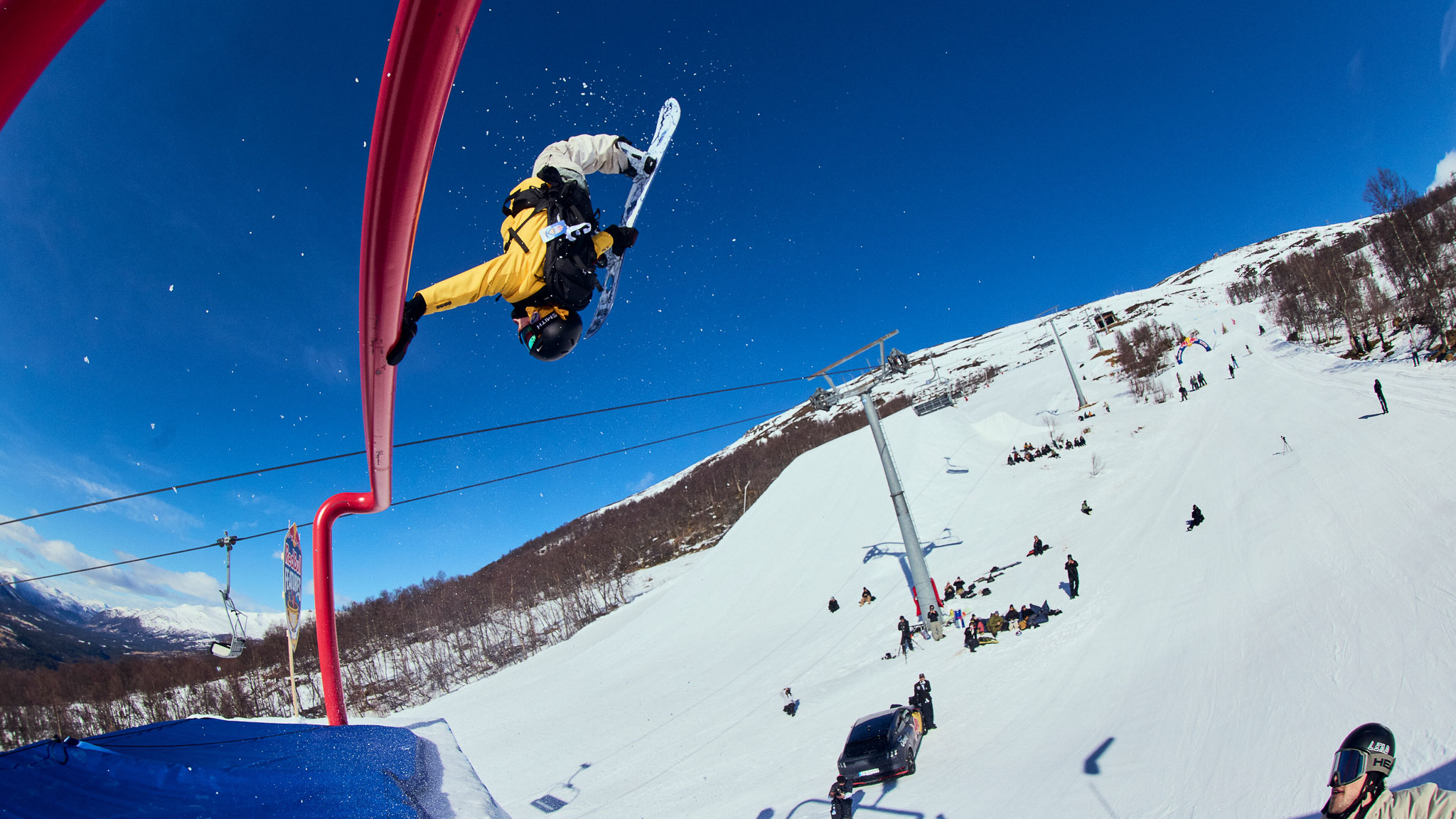
The venue itself was a testament to this vision, featuring an "outrageous looking course" meticulously crafted to offer a multifaceted challenge. Designed by a team of experienced park builders and riders, the course integrated distinct zones that demanded a broad array of snowboarding techniques. This bespoke construction underscored Red Bull’s commitment to creating unique platforms that foster innovation within action sports, providing athletes with novel environments to showcase their prowess and adapt their strategies. The event’s structure, which combined structured competition with unexpected twists, aimed to test not only physical skill but also mental agility and strategic thinking under pressure.
Global Talent Converges: The Teams and Their Strengths
Three formidable regional teams convened to battle it out across the innovative course, each bringing a distinct blend of experience and emerging talent.
-
Team Europe: Comprised of Norwegian phenom Marcus Kleveland, known for his explosive big air prowess and technical innovation; Fridtjof Tischendorf, often referred to as "Fridge," a highly versatile rider with a reputation for consistency and style; Isak Ulstein, a rising star recognized for his all-around park skills; and Celia Petrig, a Swiss talent adding a crucial dynamic to the European lineup. Their collective strength lay in a balance of established big-name power and promising new blood, making them a formidable contender.
-
Team North America: Featured Luke Winkelmann, celebrated for his smooth style and technical rail riding; Denver Orr, known for his creative lines and park versatility; Egan Wint, bringing a strong foundation in diverse freestyle disciplines; and Lane Weaver, an agile rider capable of adapting to various course features. This team was anticipated to excel in technical zones, leveraging their deep understanding of park features and creative line selection.
-
Team Asia-Pacific: Led by the dynamic Cool Wakushima, whose style and amplitude have garnered international attention; Zephyr Lovelock, an Australian rider known for his fluid movement and strong air game; Rocco Jamieson, a powerful presence with a knack for impactful tricks; and Miyabi Onitsuka, a Japanese Olympic medalist celebrated for her technical precision and consistency in big air and slopestyle. This team was characterized by a blend of raw power, technical refinement, and impressive air awareness.
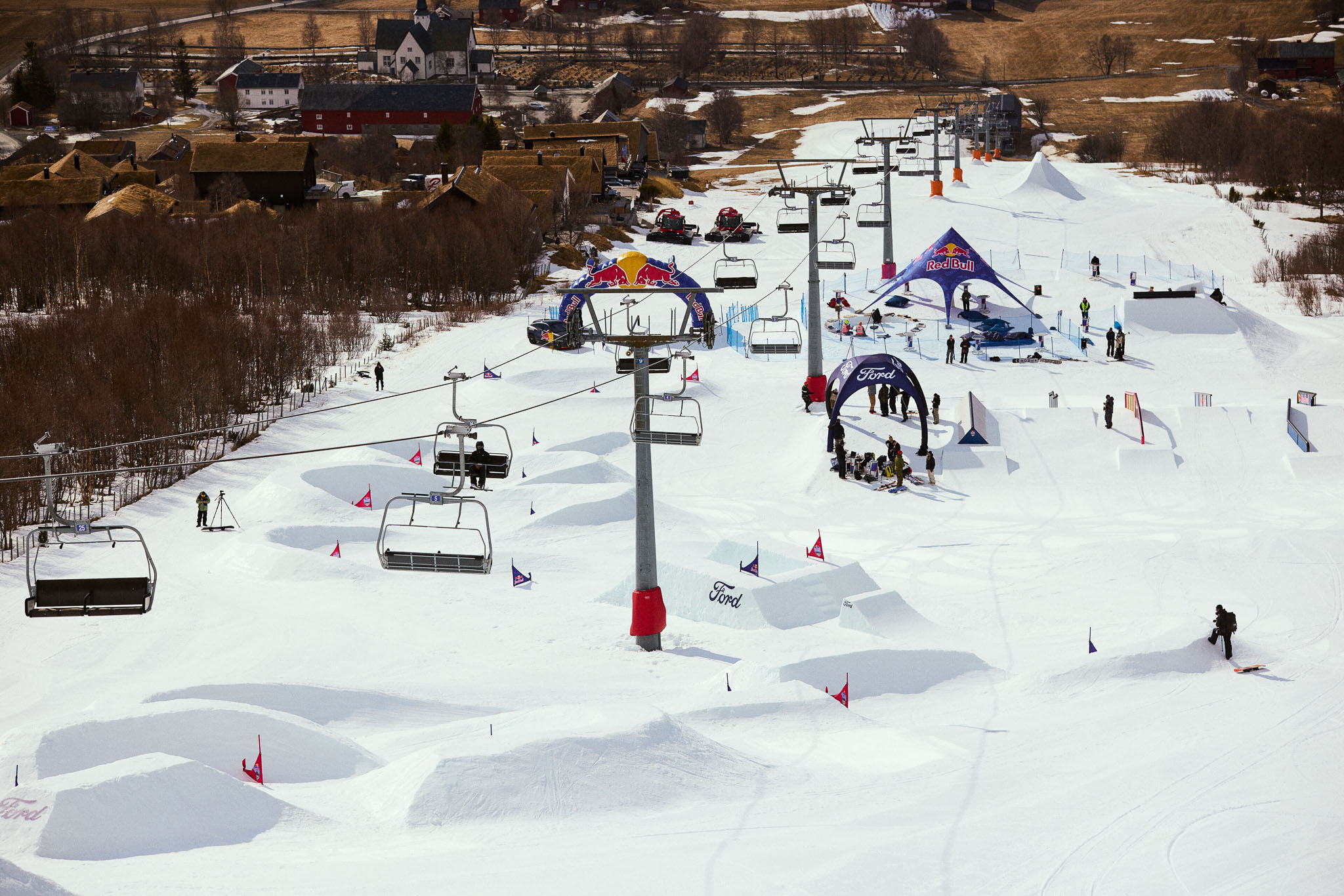
The competition unfolded across four meticulously designed zones: a banked slalom, a rail jam, a quarterpipe, and a jump session. Points were awarded on a 5-3-1 system for first, second, and third place in each zone, encouraging teams to push for wins while maintaining overall consistency. Adding a layer of strategic complexity was the "Mischief Multiplier," a series of creative challenges layered throughout the event, offering bonus points for unique risks and innovative approaches, further emphasizing the event’s core focus on creativity.
Chronology of Competition: Navigating the Features Cup Gauntlet
Zone 1: The Banked Slalom – Speed, Strategy, and the Unexpected
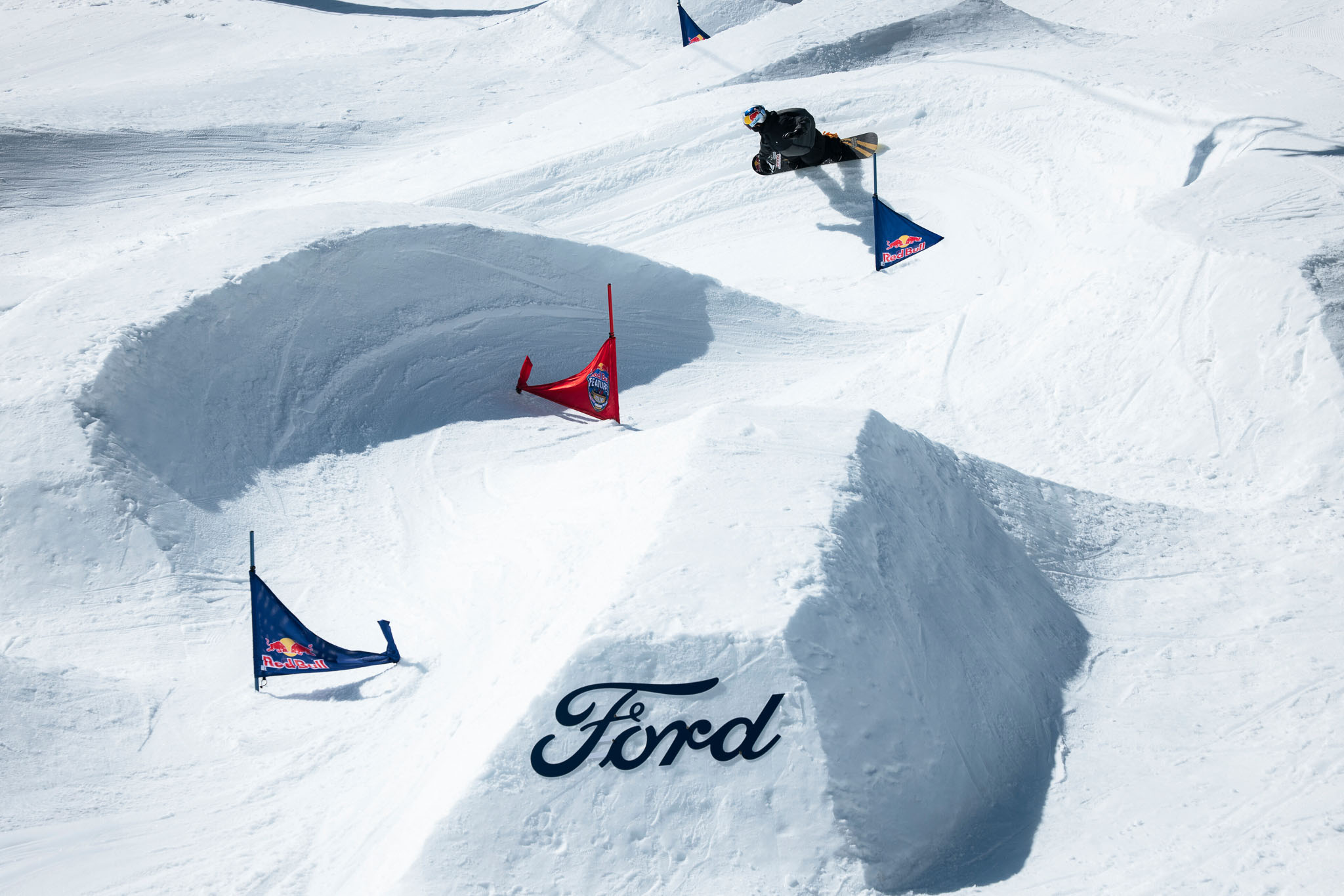
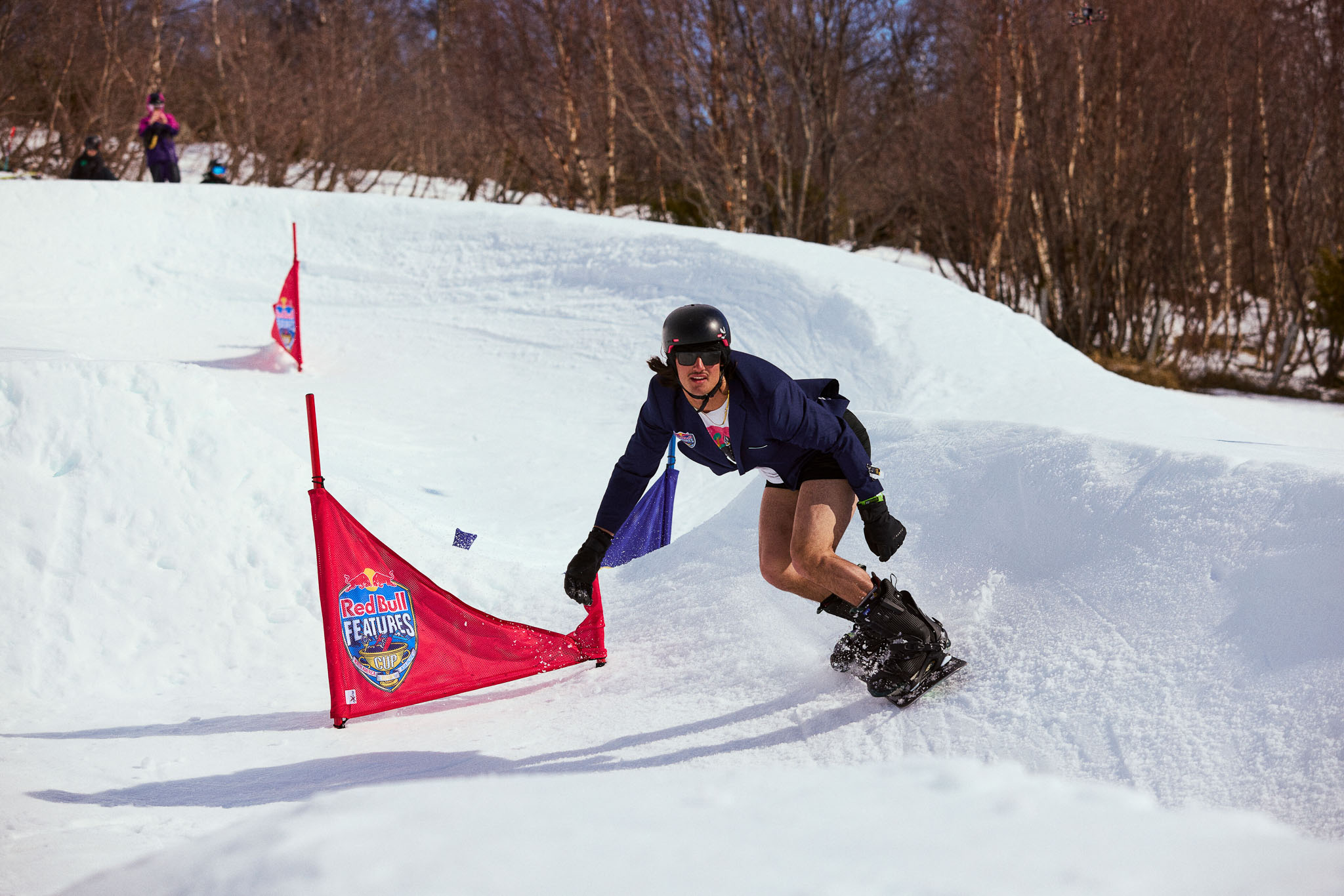
The Red Bull Features Cup kicked off with the banked slalom, a discipline that combines raw speed with intricate line choice and strategic risk assessment. This zone was designed to immediately challenge riders’ adaptability, requiring them to navigate a winding course with sculpted turns and transitions. Teams were tasked with logging cumulative times across two distinct runs. The first run utilized standard snowboards, allowing riders to leverage their familiar equipment for maximum speed and precision. The second run introduced a significant twist: riders had to switch to "mini boards," dramatically altering the dynamics of control and requiring a completely different approach to turning and speed management.
Adding to the complexity, the banked slalom incorporated penalties for missed gates, enforcing technical accuracy, but also offered unique bonuses for "creative risk-taking." These bonuses included time deductions for performing tricks like flips mid-course, forcing riders to weigh the potential time gain against the risk of a fall or a slower line. North America’s Luke Winkelmann quickly made his mark on a standard board, demonstrating exceptional speed and fluid cornering, initially setting a blistering pace for his team. However, the introduction of mini boards and the variable penalties and bonuses ensured the standings remained incredibly tight, reflecting the zone’s emphasis on versatility and strategic decision-making rather than just raw speed. Europe and Asia-Pacific showcased strong technical riding, with several riders attempting high-risk, high-reward mid-course maneuvers, illustrating the immediate impact of the "Mischief Multiplier" on strategy.
Zone 2: The Rail Jam – Technicality Meets Randomization
The competition then transitioned to the rail jam, a zone traditionally focused on technical precision and creative lines on urban-inspired features. Initially, the rail jam began as a conventional session, allowing riders to showcase their preferred tricks and stylistic flair on a variety of rails, boxes, and ledges. This phase saw riders establish their individual strengths and preferred approaches to the features.
However, true to the spirit of the Red Bull Features Cup, a "randomizer element" was swiftly introduced. A spin wheel, activated at various intervals, dictated specific tricks or features that riders had to incorporate on the fly. This twist injected an unparalleled level of unpredictability and required immediate adaptation. Riders might suddenly be tasked with performing a specific type of grind on a particular rail, or linking a designated transfer, demanding an instant shift in their planned lines. North America, known for its deep technical rail depth, capitalized significantly here. Their riders demonstrated a remarkable ability to adapt, consistently delivering under the randomized conditions, making this zone a clear strength for the team. Europe’s Fridtjof Tischendorf, affectionately known as "Fridge," emerged as a particular standout. His consistent delivery of both open and randomized conditions, marked by effortless style and technical precision, cemented his reputation as a master of rail wizardry. Asia-Pacific, while displaying creative approaches, found the rapid adaptation more challenging, though they still managed to secure crucial points through sheer determination.
Zone 3: The Quarterpipe – Amplitude, Teamwork, and Aerial Artistry
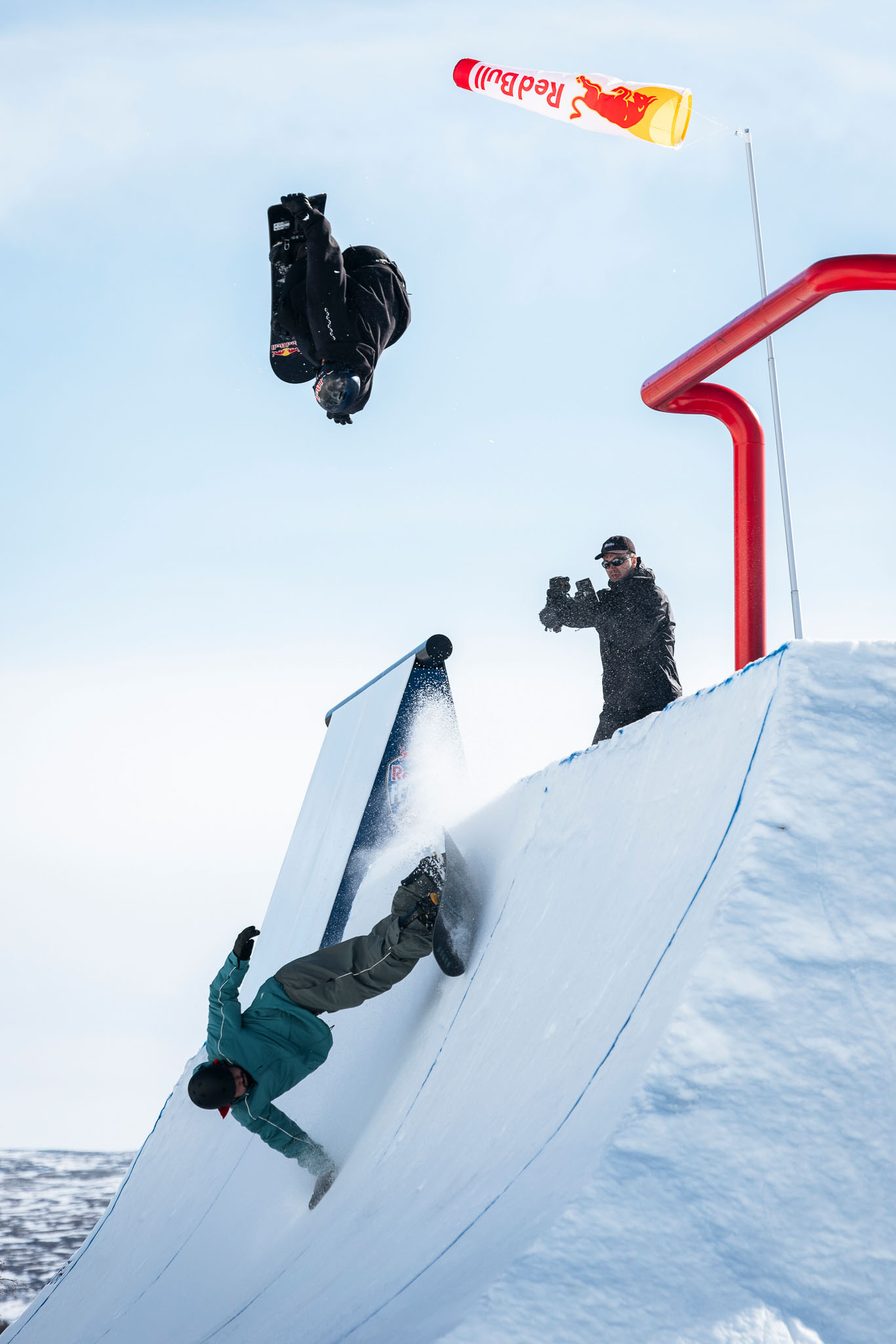
The quarterpipe zone shifted the focus dramatically towards amplitude, aerial awareness, and, crucially, team coordination. The quarterpipe itself was not merely a ramp but a dynamic canvas, featuring additional elements like a wall ride and a "hitching post" – structures designed to expand creative options beyond simple airs. These features encouraged riders to integrate technical slides, grinds, and transfers into their aerial maneuvers, blending different disciplines.
A defining element of this zone was the bonus points on offer for synchronized "doubles" runs. This daring challenge required one rider to hit low on the coping of the quarterpipe while a teammate simultaneously aired directly over them, demanding impeccable timing, trust, and spatial awareness. The execution of such a maneuver is a testament to both individual skill and the deep synergy within a team. Remarkably, all three teams successfully pulled off these doubles runs, igniting the crowd and adding to the collaborative, high-energy atmosphere of the event. This collective achievement highlighted the camaraderie and mutual respect fostered by the Features Cup format. Tischendorf once again played a pivotal role for Team Europe, anchoring their performance with consistent, high-amplitude airs and precise feature utilization. Asia-Pacific, despite showcasing strong individual air awareness across its roster, demonstrated slight inconsistencies in their overall execution and coordination, leading them to fall just short in the zone standings compared to their competitors, underscoring the demanding nature of team synchronization.
Zone 4: The Jump Session – Controlled Progression and Flawless Execution
The final zone, the jump session, promised to be a defining highlight and a true test of controlled progression and stylistic execution. Unlike traditional big air contests that often push for maximum rotation and sheer difficulty, this zone featured a unique progression format. Each rider was required to build their trick repertoire progressively, starting from 180-degree rotations and incrementally increasing to a maximum of 900 degrees. This capped rotation level intentionally shifted the focus away from simply throwing the biggest trick, instead emphasizing flawless execution, consistent landings, and impeccable style within the defined parameters.
This format created a jump session unlike anything seen in typical competition. Riders had to meticulously plan their trick selection, ensuring they could consistently deliver clean, stylish iterations of 180s, 360s, 540s, 720s, and 900s. The challenge lay in maintaining fluidity and precision at each rotation level, rather than solely aiming for the most complex maneuver. Team Europe, spearheaded by the renowned Marcus Kleveland, entered this zone as a clear powerhouse, leveraging Kleveland’s legendary air control and technical finesse. Kleveland’s ability to execute each rotation with unmatched style and consistency was a significant advantage. However, all three teams rose to the challenge, showcasing remarkable control and commitment. The atmosphere was electric as riders pushed their boundaries within the unique constraints, leading to a tightly contested finale where every landing and grab counted towards the final score.
The Unprecedented Three-Way Tie and Sudden-Death Showdown
In a testament to the meticulous design of the Red Bull Features Cup and the incredibly evenly matched talent pool, the event concluded in a rare and mathematically improbable scenario: a three-way tie after all four zones. Each team finished with an identical 12 points, a result that underscored the competitive parity and the success of the innovative scoring system in balancing diverse skills. Team Europe secured two zone wins, demonstrating their dominance in specific areas. Team Asia-Pacific combined a crucial zone win with multiple strong second-place finishes, showcasing their consistency across varied disciplines. Team North America’s strength lay in their consistent performance across all zones, always remaining competitive and securing valuable points, which ultimately kept them level with their global counterparts.
This unprecedented deadlock forced an immediate and high-stakes sudden-death scenario, adding an unexpected layer of drama to the competition. The tie-breaker was declared as an unplanned fifth zone: a hip session. This decision further emphasized the event’s commitment to dynamic, rider-centric challenges. A hip session typically involves riding a quarterpipe-like feature with a distinct corner or "hip" at the top, allowing riders to launch airs off the side, often focusing on unique grabs, stylish tweaks, and creative transfers rather than pure rotations. It rewards fluidity, spatial awareness, and a deep understanding of air control.
Asia-Pacific’s Triumph in the Hip Session Showdown
The atmosphere was palpably tense as the three teams prepared for the sudden-death hip session. The pressure was immense, with the entire event’s outcome resting on this spontaneous challenge. Team Asia-Pacific, renowned for its collective depth in air awareness and fluid style, capitalized on this moment. Their riders executed a series of clean, stylish airs off the hip, showcasing a mastery of grabs and landings that resonated strongly with the judges. Each team member contributed significantly, demonstrating a consistent ability to generate amplitude and control in this unique environment. Their collective performance in the hip session was marked by precision, creativity, and a calm under pressure that ultimately distinguished them from their competitors.
With each rider’s run meticulously scrutinized, Asia-Pacific’s combined efforts proved insurmountable. They secured the overall victory, clinching the inaugural Red Bull Features Cup title in a truly memorable fashion. The cheers from the crowd and the shared congratulations among riders highlighted the intense yet respectful competition that had unfolded.
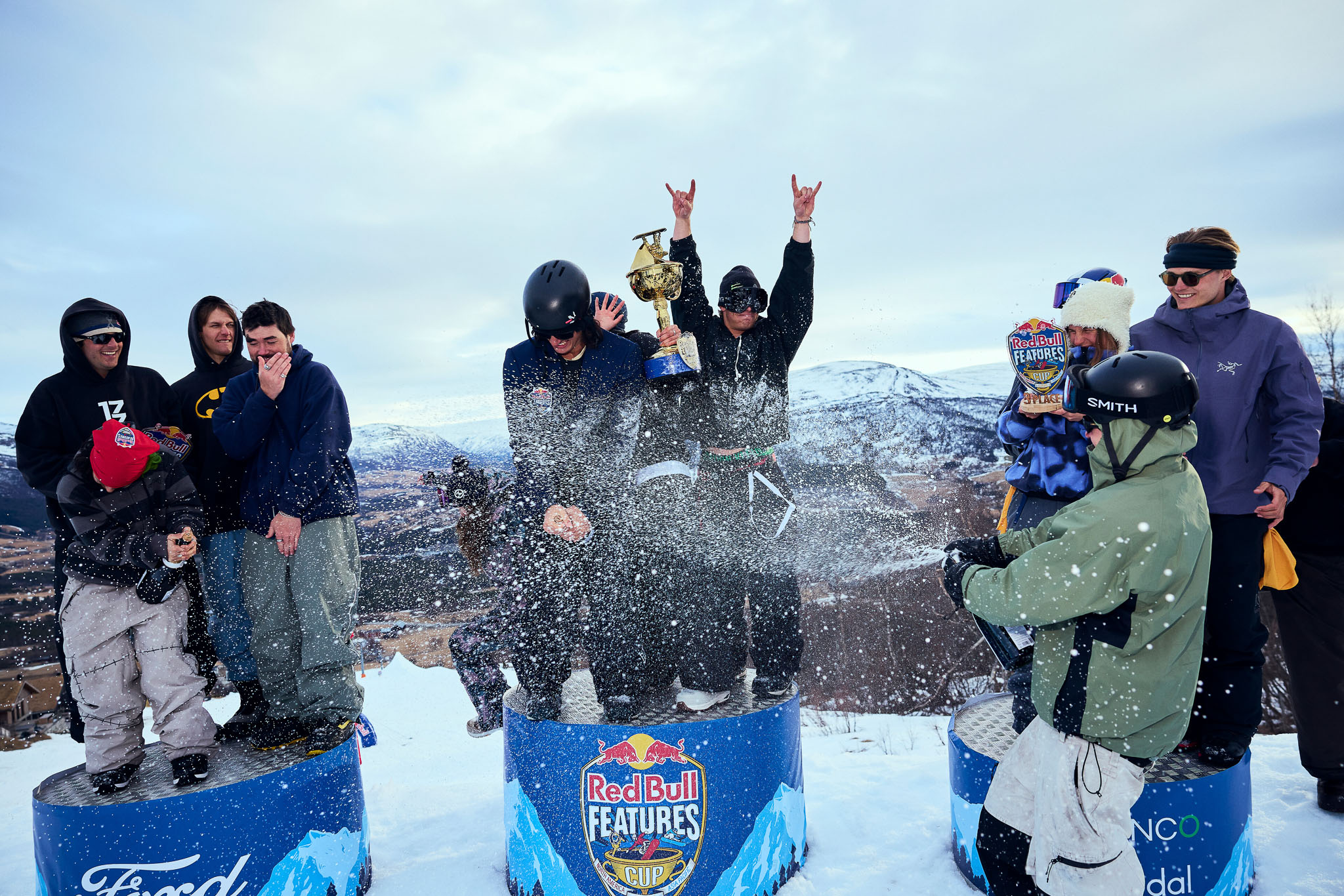
Final Results:
1st Asia-Pacific
2nd North America
3rd Europe
Beyond the Podium: The Redefining Impact of the Features Cup
While the podium celebrated Asia-Pacific’s well-deserved victory, the true defining takeaway from the Red Bull Features Cup extended far beyond the final scores. The event successfully cultivated a "vibe" that set it apart: a session-driven environment where riders genuinely fed off each other’s energy. This collective dynamic fostered an atmosphere of mutual encouragement and collaborative progression, rather than the isolated pressure often associated with traditional contests. Athletes were observed cheering for their rivals, sharing insights, and celebrating innovative tricks regardless of who landed them. This emphasis on camaraderie allowed for a more organic push for creativity and skill advancement, demonstrating that high-level competition can coexist with an enjoyable, less cutthroat atmosphere.
The successful debut of the Red Bull Features Cup sets a compelling new benchmark for competitive snowboarding and potentially for other action sports. Its innovative format, which meticulously balanced individual skill with team strategy, speed with technicality, and amplitude with style, proved that there is a viable and exciting alternative to conventional contest structures. By prioritizing creativity, teamwork, and the inherent fun of snowboarding, the event effectively showcased the sport’s multifaceted appeal.
The implications for the future of competitive snowboarding are significant. The Red Bull Features Cup demonstrated that a format designed to highlight diverse skill sets and foster a positive, collaborative environment can resonate deeply with both athletes and spectators. It offers a fresh perspective on how to evolve the sport, potentially inspiring organizers to rethink traditional judging criteria and course designs. This event serves as a powerful proof of concept that competitive integrity can be maintained and even enhanced when innovation and the pure joy of riding are placed at its core. As the snowboarding world looks ahead, the Red Bull Features Cup stands as a beacon for a future where progression is fueled not just by individual ambition, but by the collective spirit of the shred community.

