
Just four years ago, in 2022, the prevailing sentiment in ski boot design led to a bold declaration: "Four-Buckle Boots Are About to Become a Relic of the Past." Today, in June 2026, it is evident that this prediction, while perhaps premature in its finality, accurately captured the brewing storm of innovation poised to reshape the industry. Traditional buckle-based ski boots have, against some expectations, maintained a significant presence on ski shop walls and mountain slopes, demonstrating their enduring appeal and functionality. However, the landscape has been undeniably and indelibly altered by the advent of BOA dials on ski boots during the 2023-24 season. This seemingly minor shift in closure technology has instigated a profound re-evaluation among manufacturers, influencing everything from design philosophy and production methods to marketing strategies and consumer engagement.
The initial impact of BOA’s integration prompted widespread discussion within the ski community. As the novelty of the new system has evolved into established market presence, critical questions have emerged: Has BOA reached its peak adoption curve? How are skiers, from casual enthusiasts to dedicated racers, truly perceiving these alternative closure systems? And now that the initial buzz has subsided, does the practical application of dials truly resonate with the diverse demands of the sport? A thorough examination of these questions reveals a more nuanced and complex reality than initially foreseen, even as recently as one World Cup season ago. The journey of BOA in ski boots is not merely a tale of a new product but a case study in technological disruption, market adaptation, and the persistent quest for performance and comfort.
A Legacy of Innovation: From Buckles to Dials
To fully appreciate the significance of BOA’s arrival, it’s crucial to understand the historical context of ski boot closures. For decades, the four-buckle system, often combined with a power strap, reigned supreme. This design, while robust and familiar, presented inherent limitations. Buckles, by their nature, provide discrete points of pressure, often leading to hot spots, uneven fit, and a compromise between tightness for performance and comfort for longevity. Achieving a truly precise, evenly distributed wrap around the foot and lower leg was an elusive goal for many skiers, contributing to persistent issues like discomfort, cold feet due to circulation constriction, and less-than-optimal power transfer.
A pivotal moment in ski boot innovation, often cited as a benchmark, was the introduction of the Raichle Flexon boot. Later evolving into Full Tilt and now K2 Fl3x, this cabrio-style, three-piece shell design revolutionized how boots flexed and performed. It offered a more progressive flex pattern and easier entry/exit compared to traditional overlap designs, becoming a cult classic and demonstrating the industry’s capacity for fundamental change. This historical context illustrates that while skiers are often resistant to change, they are equally receptive to innovations that offer tangible improvements in performance, comfort, or convenience.
BOA Technology itself was not a newcomer to the world of performance footwear. Originating in snowboarding boots in 2001, its precision fit system quickly expanded into cycling shoes, golf shoes, hiking boots, and even medical braces. The system, typically consisting of a micro-adjustable dial, lightweight laces, and low-friction lace guides, promised uniform pressure distribution, on-the-fly adjustability, and a secure, consistent fit that traditional lacing or buckles often struggled to achieve. The question was not if BOA worked, but how it would translate to the unique, high-force environment of alpine skiing.
The 2023-24 Season: BOA’s Grand Entrance
The much-anticipated launch of BOA H+i1 dials on alpine ski boots in the 2023-24 season marked a significant turning point. Major industry players like Salomon, Atomic, K2, and Fischer were among the first to integrate the technology into their lower cuffs, generating considerable buzz. The initial reception was a blend of enthusiastic fanfare and cautious skepticism. Proponents lauded it as one of the most significant advancements in boot technology since the original Raichle Flexon, envisioning a new era of personalized fit and enhanced performance.
However, the inherently conservative nature of the ski community, particularly those accustomed to traditional boot designs, also surfaced. A primary point of contention revolved around the concept of a "multi-last boot." Skiers have long relied on boots designed around specific "lasts" (the anatomical mold around which the boot is built) to accommodate various foot volumes and shapes. The idea that a BOA closure could effectively support multiple volumes of feet with a standard heel pocket was met with doubt. Many questioned how a single shell design, even with micro-adjustability, could replicate the precise, anatomical fit traditionally achieved through varied last widths. This skepticism highlighted the deep-seated understanding among skiers and boot fitters that the foundation of a good boot fit lies in the shell’s intrinsic shape, not just its closure mechanism.
Unpacking the Performance Claims: Power and Precision
BOA Technology, recognizing the need to substantiate its claims beyond mere comfort, commissioned a study to evaluate the impact of its H+i1 dials on power transfer in ski boots. The findings were provocative, asserting that BOA dials significantly increased power transfer compared to traditional four-buckle systems, achieved through a mechanism distinct from conventional thinking.
Dan Feeney, VP of Innovation and Development at BOA, articulated this perspective in an interview with SKI magazine. "What we found is that when you apply BOA dials, that wrapping allows you to have more precision to how you apply that power," Feeney explained. He challenged the common axiom, "Cuff equals power," by suggesting that while the cuff plays a role, the BOA system enhances the application of that power. The study posited that the lower cuff, traditionally considered less critical for direct power transmission than the upper cuff, played a far more significant role when equipped with BOA’s precise, evenly distributed wrapping. This effectively debunked the theory that the lower cuff’s primary function was solely comfort, arguing instead that BOA’s lower closure provided both comfort and demonstrable power.
This technical claim was crucial for BOA’s market penetration. If the system could offer not just comfort and convenience but a measurable performance advantage, it would appeal to a broader segment of skiers, including performance-oriented enthusiasts and potentially even elite athletes. The even pressure distribution of the BOA system, as opposed to the localized clamping of buckles, theoretically allows for better circulation, reduced fatigue, and a more consistent connection between the skier’s foot and the ski, translating to improved responsiveness and control.
Rapid Evolution and Market Diversification
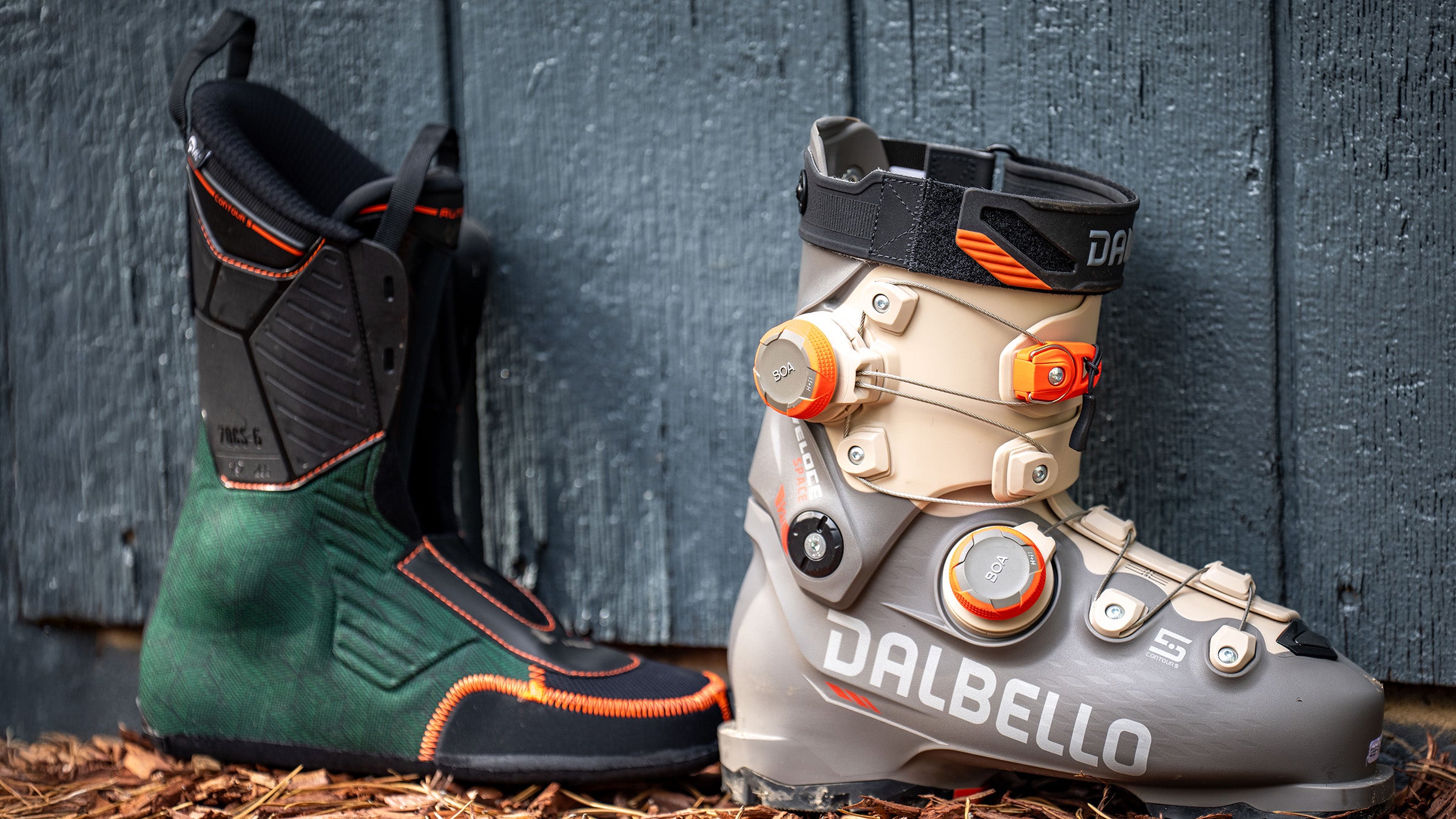
Once the technology hit the market, the pace of innovation accelerated. Brands, eager to differentiate themselves and capitalize on the new trend, began exploring various applications of BOA. K2 was quick to introduce dual BOA dials on models like the K2 Cortex, extending the precision wrap across a larger area of the boot. This dual-dial approach soon spread across the industry, with brands such as Dalbello and Head integrating similar configurations. The idea was to offer even greater micro-adjustability and a more comprehensive, customized fit throughout the lower shell.
Nordica then unveiled its Speedmachine 130S, a design that provocatively combined a BOA dial on the upper cuff with traditional buckles on the lower shell. This hybrid approach, quickly and playfully dubbed "Mullet BOA" (business in the front, party in the back, or perhaps, traditional down low, modern up top), represented another strategic direction. It suggested that brands were not necessarily committed to an all-or-nothing approach but were experimenting with integrating BOA where its benefits were most pronounced, while retaining traditional elements where they were perceived as superior or more familiar. This diversification indicated a maturing market where brands were refining their understanding of how and where BOA best served their specific boot lines and target demographics.
The Current Market Reality: A Nuanced Coexistence
Despite the initial fanfare and rapid innovation, a walk through ski boot departments in shops across the United States in 2026 reveals a market in nuanced coexistence rather than outright revolution. While BOA-adorned boots are prominent and widely available, they do not overwhelmingly dominate the boot walls. Buckle boots, far from becoming relics, are not only still present but continue to thrive, particularly in certain segments and for skiers with specific preferences.
This market correction bears a striking resemblance to the evolution observed in ski design two decades prior with the introduction of rocker technology. Initially, brands experimented with extreme rocker profiles, producing skis with wild and sometimes impractical shapes. Over time, the industry adopted a more restrained and refined approach, integrating rocker judiciously where it offered tangible performance benefits, rather than as a universal solution. Similarly, ski boot manufacturers, after the initial excitement surrounding BOA, are now adopting a more conservative and strategic approach.
Andrew Couperthwait, VP of U.S. Winter Sports at Head, acknowledged this shift, stating, "At the moment we’re starting to work into that more conservative approach." He noted that while BOA brought undeniable innovation, it also led to a degree of homogenization in the market. "Certainly, the adoption of BOA has homogenized a lot of the meat of the market, where the boots tend to look quite a bit alike," Couperthwait observed. This suggests that while BOA offers a compelling technology, brands are now focusing on how to integrate it in ways that differentiate their products and cater to specific skier needs, rather than simply adopting it across the board. The challenge now lies in leveraging BOA’s benefits while maintaining brand identity and performance characteristics.
The Economics of Innovation: Investment and Strategy
The strategic considerations for boot manufacturers are deeply intertwined with economic realities. Developing a new mold for ski boots is a capital-intensive undertaking, often carrying a price tag exceeding a million dollars. The integration of a BOA closure system necessitates entirely new molds, as the shell design must accommodate the specific routing of the laces and the placement of the dial. This means that producing a line of boots with traditional buckles and a parallel line with BOA closures on the same last effectively requires a double investment in molds.
This significant financial outlay forces brands to exercise greater discretion and strategic planning in where and how they apply BOA technology within their product lines. It’s not a decision made lightly, and it underscores why a full market takeover by BOA has not occurred. Instead, brands are carefully identifying the segments and specific models where BOA offers the most compelling value proposition for both the company and the consumer, justifying the substantial R&D and manufacturing costs. This selective adoption ensures that BOA is integrated thoughtfully, targeting areas where it can genuinely enhance performance or user experience rather than being a mere marketing gimmick.
When asked about the overall success of the BOA experiment, both Feeney and Couperthwait offered what could best be described as a "qualified yes." Feeney expressed strong optimism regarding the widespread adoption and positive reception from both brands and consumers. He emphasized that the technology is still relatively new, having launched just three years prior, and sees considerable room for growth, particularly in gaining traction on the highly competitive World Cup and Freeride World Tour circuits.
Couperthwait echoed this sentiment, calling BOA’s introduction "an overall success." He highlighted the inherent value of introducing external technology into an industry that can, at times, be resistant to change. Furthermore, Couperthwait pointed to the past season’s unpredictable weather patterns, particularly in the Western United States, which presented significant challenges for the ski industry. He contended that the boot market demonstrated remarkable resilience to these shocks, and a portion of that resilience could be attributed to the sustained excitement surrounding new boot technologies like BOA. "I don’t think anyone can say that BOA, over the last three years, hasn’t helped boot sales," he concluded, underscoring its tangible positive impact on market vitality.
The World Cup Conundrum: The Ultimate Test of Performance
Despite its promising trajectory in the consumer market, BOA-clad boots have yet to make a definitive debut on the prestigious World Cup circuit. While sporadic photos of high-ranked racers using BOA boots in training sessions or lower-level competitions occasionally surface, the technology has remained conspicuously absent from official World Cup races. This absence is not for lack of trying or interest, but rather a testament to the unique and uncompromising demands of elite-level racing.
World Cup racers are, in essence, immovable objects when it comes to equipment changes. Their careers hinge on marginal gains and consistent performance. To commit to a significant equipment alteration, they require irrefutable evidence that it will translate into tangible improvements – specifically, seconds shaved off their race times. Every race is incredibly valuable, and the risk of losing precious points or jeopardizing their standing by experimenting with unproven equipment is simply too high. Sponsors, coaches, and the athletes themselves demand absolute certainty in performance and reliability.
Couperthwait drew a parallel to Head’s long-standing traction control technology in speed skis, which involves cutting the top sheets to allow the metal and top layer to flex into the ski. "That’s the technology we’ve been using for 25-plus years. It’s never gone away, because it works. And it wins races," he explained. "As long as it’s winning races, it’s not going to go away, and that’s the hurdle BOA is going to have to overcome." This illustrates the extreme performance threshold that BOA must meet and consistently exceed to gain acceptance at the highest echelons of the sport.
Beyond raw speed, racers also voice concerns about the durability and integrity of the BOA system under the extreme angles and immense forces encountered during gate bashing and high-speed turns. The direct impact on a dial or wire could potentially compromise the system’s function, a risk that buckles, despite their own limitations, often mitigate through their robust, albeit less precise, design.
Innovating for the Elite: Head’s Kaliber and Future Prospects
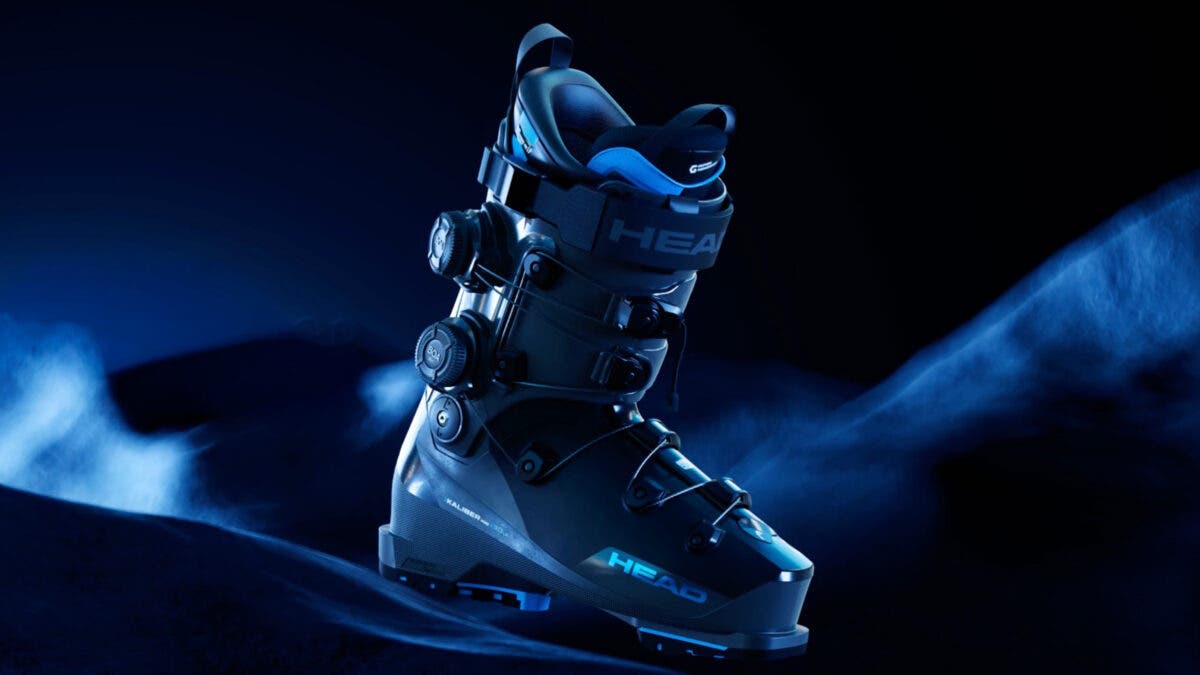
Recognizing the specific challenges and requirements of elite racing, manufacturers are actively iterating on BOA designs. Head’s recent debut of the Kaliber boot family is a prime example. This innovative line features a design that strategically relocates the lower BOA dial to the upper cuff. This modification addresses a critical concern for racers: the potential for "booting out" – where the lower part of the boot (and potentially a dial) makes contact with the snow during deep edge angles, hindering performance and risking damage. By moving the dial, Head aims to provide the precision fit of BOA while allowing skiers to achieve deeper edge angles without interference. Many astute observers within the ski industry have noted that this design adjustment is likely a deliberate experiment to pave the way for BOA technology’s eventual integration into World Cup racing boots.
Both BOA as a company and its brand partners like Head are clearly focused on overcoming the World Cup hurdle. Securing podium finishes at this level is not just about sales; it’s about validation, prestige, and demonstrating the ultimate performance capabilities of the technology. Feeney remains optimistic, stating, "I think we’ve seen a ton of real meaningful improvement for the athletes, and the athletes have seen it." He expressed genuine excitement, predicting, "I’m starting to get pretty excited that in the next pretty short amount of time we should see athletes racing on BOA." This suggests that behind-the-scenes development and testing with elite athletes are progressing, potentially leading to a breakthrough in the near future.
Beyond the Hype: A Qualified Success
So, has the BOA revolution truly lived up to its initial billing? The most honest and accurate assessment remains the qualified "yes" echoed by the very individuals shaping the future of ski boots. BOA did not, as some might have dramatically predicted, render traditional buckles obsolete overnight, nor has it yet conquered the World Cup podiums. However, its success does not hinge solely on these outcomes.
The true victory of BOA lies in its transformative impact on the industry’s approach to ski boot design and its positive influence on the consumer experience. It compelled brands to fundamentally rethink their product lines, encouraging innovation beyond traditional methods. For consumers, BOA introduced a genuine and compelling alternative at the boot wall, offering enhanced comfort, precise fit, and ease of use that many skiers had not experienced before. Furthermore, as Andrew Couperthwait noted, the excitement generated by this new technology contributed to the resilience of boot sales even during a challenging snow year, demonstrating its capacity to invigorate the market.
Even Couperthwait, a strong advocate for BOA’s contributions to Head’s lineup, is quick to temper expectations with a critical perspective. "BOA is not the end all be all of boot technology," he firmly states. He reiterates a foundational truth in ski boot fitting: "The last is still probably the most important thing, combined with the last of a liner, and how that liner integrates into the last of the shell. In our opinion, that is still 100 percent the most important aspect to a boot fit." This underscores that while closure systems are vital, they are ultimately subservient to the fundamental anatomical fit provided by the boot’s internal dimensions.
The Future of Footwear: Closure Systems as a Core Selling Point
Whether BOA dials make their triumphant appearance on a World Cup podium next season or five seasons from now, the more profound and lasting shift has already occurred. Closure systems, once a functional but often overlooked component of ski boot design, have been elevated to a primary selling point. They are no longer an afterthought but a central feature around which brands innovate and consumers make purchasing decisions.
This reorientation has broader implications for the future of ski boot technology. It encourages ongoing research and development into new materials, micro-adjustability, and integrated smart technologies that could further enhance fit, comfort, and performance. It shifts consumer expectations, fostering a demand for greater precision and personalization in their gear. This redefinition of the role of closure systems represents a different kind of victory for BOA – a pervasive, industry-wide paradigm shift that fundamentally alters how ski boots are conceived, marketed, and experienced. It’s a win that reverberates through every aspect of the ski industry, ensuring that the quest for the perfect fit remains at the forefront of innovation.

