
The recent discarding of a beloved pair of Tecnica Mach1 LV 130 ski boots, their orange plastic weathered and brittle after more than 200 demanding ski days, marked not an end, but a testament to an enduring innovation in ski equipment. Instead of replacing an entire boot system, the core component – a pair of trusty, aftermarket Zipfit Gara LV liners – was meticulously transferred into their third set of shells, a new pair of Armada AR ONE 130s. This ongoing cycle, where a single pair of liners outlives multiple high-performance boot shells, underscores a significant development in ski boot technology, offering skiers unprecedented longevity, consistent performance, and a compelling argument for sustainable gear choices.
The journey of these particular Zipfit liners, which have now accumulated close to 500 ski days across various shells, began in 2020. The author, a seasoned gear writer with seven years of experience testing hundreds of pieces of equipment, initially encountered Zipfits through a roommate whose "ski boot problems were over," albeit at a significant financial outlay. Plagued by their own persistent boot issues, the author, leveraging pandemic-era unemployment benefits, made the investment to investigate the acclaimed liners. This personal narrative mirrors a broader trend among discerning skiers seeking solutions to the inherent compromises often found in stock boot liners. Traditional liners, typically made from EVA foam, are designed for initial comfort and performance but are known to "pack out" relatively quickly, leading to a loss of fit, support, and responsiveness, thereby shortening the effective lifespan of even the most expensive ski boots.
The Genesis of a Revolution: Sven Coomer and the Birth of Zipfit
The innovation embodied by Zipfit liners traces its origins to a pivotal figure in ski boot design: Sven Coomer. A visionary hardgoods innovator, Coomer was inducted into the U.S. Ski and Snowboard Hall of Fame in 2021, a recognition of his profound impact on the industry. His fingerprints are evident across a spectrum of iconic ski boot designs, from the precision-engineered plug race boots favored by elite competitors to the widely popular Atomic Hawx series and the distinctive cabrio-style boots like Full Tilt and K2 Fl3x. Coomer’s design philosophy consistently centered on optimizing the critical interface between the skier’s foot and the ski itself, striving for enhanced control, comfort, and power transmission.
Coomer’s entrepreneurial spirit led him to co-found Footloose Sports in Mammoth, California, in 1979. This renowned boot shop, which would later play a crucial role in the early distribution of Zipfit liners, became a hub for advanced bootfitting techniques. It was during this period that Coomer began experimenting with unconventional materials, specifically ground-up Birkenstock cork, to create custom footbeds. This early work laid the foundational understanding of cork’s unique properties as a resilient, conforming material that could adapt to the intricate contours of the foot without compromising support.
In 1989, Coomer officially founded Zipfit, marking a significant milestone in ski boot technology. At a time when custom liners often relied on toxic, expanding foams that posed both environmental and health concerns, Zipfit introduced the first custom liner that eschewed these problematic substances. This commitment to a safer, more sustainable material choice was as revolutionary as the performance benefits it offered. The core design of Zipfit liners, which has remarkably remained largely unchanged since its inception, stands as a testament to Coomer’s foresight and the enduring efficacy of his original concept. This innovative approach not only addressed performance shortcomings but also aligned with a growing industry awareness of material science and environmental impact, positioning Zipfit as a pioneer in both fields.
Engineering Excellence: The Unpacking of Zipfit’s Core Technology
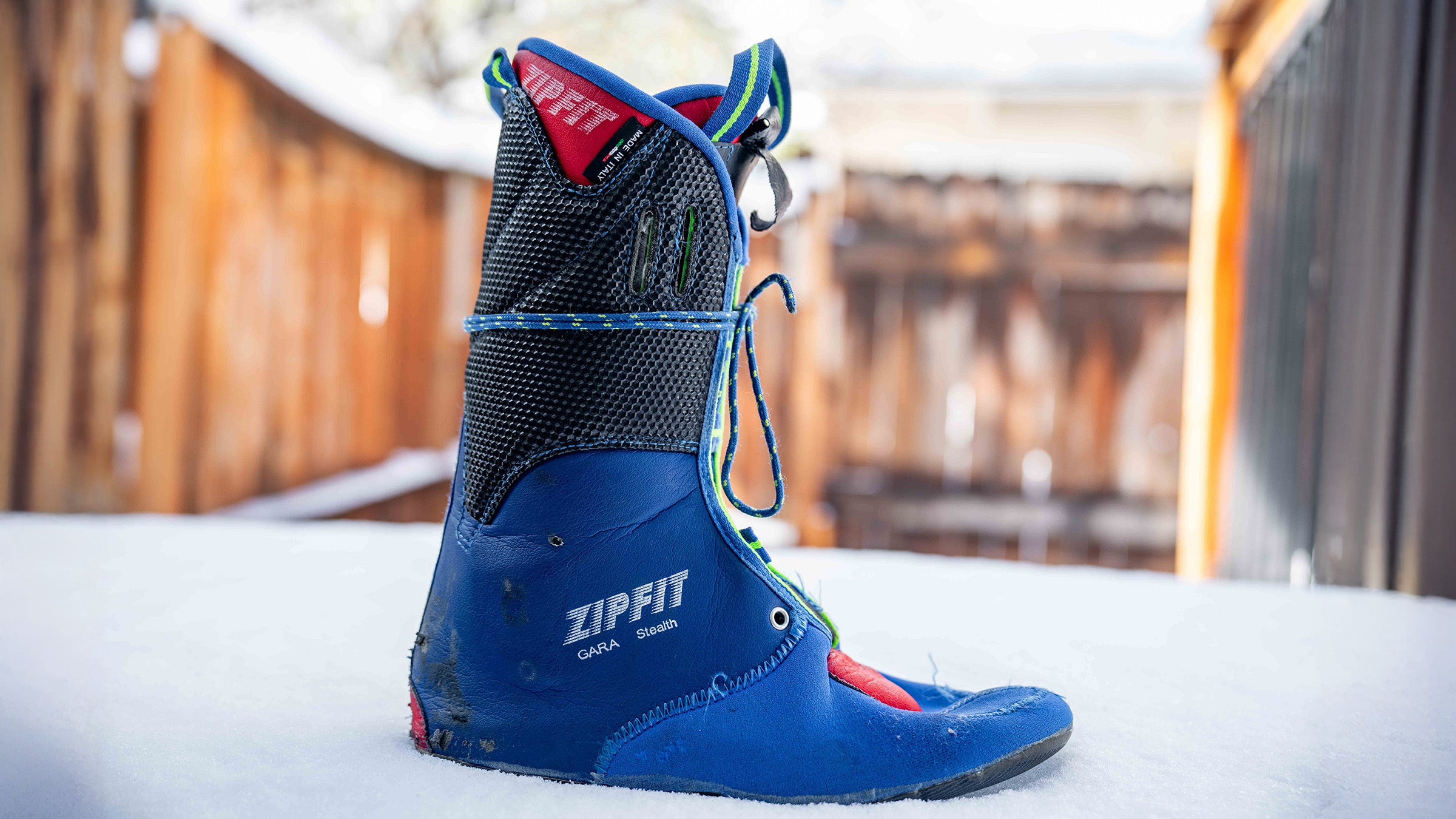
The enduring success of Zipfit liners lies in their meticulously engineered construction and proprietary materials. Unlike conventional foam liners, Zipfits are crafted from a robust combination of leather, neoprene, and wool. This blend of natural and synthetic materials provides a durable, insulating, and form-fitting shell for the liner. The true innovation, however, resides within the internal bladders strategically placed in the tongue and ankle pockets. These bladders are filled with OMFit cork – a specialized mixture of cork particles suspended in an oil base.
The critical distinction of OMFit cork lies in its unique rheological properties. Unlike traditional foam, which compresses and permanently deforms over time, leading to a loss of fit and support, OMFit cork redistributes. When warmed by body heat or external sources, the cork-oil mixture becomes more fluid, allowing it to precisely conform to the intricate contours of the skier’s foot and the interior of the boot shell. As it cools, it retains this custom shape, providing unparalleled heel hold and overall foot stability. Crucially, this redistribution process is not permanent; the cork can be manipulated and remolded repeatedly. This inherent property makes Zipfits not only highly customizable but also uniquely transferable between different boot shells, a capability that sets them apart from virtually all other custom liner options on the market. Furthermore, the ability to add more OMFit cork to the bladders as needed allows for ongoing maintenance and restoration of fit, effectively extending the functional lifespan of the liner indefinitely. This continuous customizability ensures that the liner maintains its optimal performance characteristics, adapting to any subtle changes in the skier’s foot or the demands of a new boot shell.
Redefining the Skiing Experience: Performance Benefits Unveiled
For many skiers, especially those who spend significant time on the slopes, the ski boot is often the most problematic piece of equipment. Foot pain, pressure points, and a lack of precise control are common complaints that can severely detract from the skiing experience. Zipfit liners directly address these issues, fundamentally altering the skier’s connection to their equipment and the mountain.
The initial experience with Zipfits, particularly the Gara LV model, often involves a break-in period. Sewn from hearty leather and filled with dense cork, these liners are not designed for instant gratification. Most experienced bootfitters, recognizing the need for the OMFit cork to settle and the liner materials to soften, recommend at least five full days of skiing before considering any adjustments or additional cork. This patience is rewarded manifold.
Once properly broken in, the transformation is profound. Skiers consistently report a sensation of their feet being "fully mated" to the shell in a way they had never experienced with stock liners. This intimate connection translates directly into exceptional heel hold, a critical factor for precise ski control. With the heel securely anchored, the foot becomes an integrated extension of the boot, enabling the skier to transmit power to the ski edges more quickly and consistently through every phase of a turn. This enhanced power transfer allows for more aggressive edge angles, quicker transitions, and a heightened sense of control, particularly at speed or in challenging conditions. The secure heel eliminates the micro-movements and energy loss often associated with packed-out foam liners, ensuring that every ounce of input from the skier is translated efficiently to the ski.
Beyond performance, comfort is significantly improved. The author’s experience with extremely low-volume Tecnica Mach1 LV 120s (the initial pairing for the Zipfits) highlights a key benefit: the unstructured toebox of the Zipfit Gara LV provides considerably more room in the front of the foot. In traditional low-volume boots, a snug toebox can lead to discomfort and cold toes. However, with the Zipfit’s secure heel hold, this extra toe room becomes a distinct advantage rather than a liability, enhancing circulation and warmth without sacrificing control. The foot remains locked in place where it matters most, allowing the toes to splay naturally and comfortably. This combination of precision and comfort is a rare achievement in ski boot design, often requiring skiers to compromise one for the other.
Off-piste performance further showcases the Zipfit’s capabilities. The enhanced stability and precise fit afforded by the Gara LV allow skiers to maintain superior balance over their outside edge, a crucial element for navigating varied terrain. The integrated lacing system, a feature not found in many stock liners, enables further customization of fit, ensuring the foot remains in the optimal position. This precision empowers skiers to drive their skis confidently in steep, technical terrain, flow seamlessly through mogul fields, and transition between snow conditions without missing a beat. The consistent feedback from the liner translates into a more intuitive and responsive skiing experience, reducing fatigue and increasing confidence in challenging environments. The ability to maintain a consistent stance and apply nuanced pressure inputs across diverse snow textures is greatly enhanced, allowing for a more fluid and controlled descent in unpredictable conditions.
Versatility Across the Boot Spectrum
One of the most compelling attributes of Zipfit liners is their remarkable adaptability across a diverse range of ski boot shells. The author’s experience demonstrates this versatility, transitioning the same liners from ultra-low-volume race-oriented boots like the Tecnica Firebird 130R (a 96 mm "cheater plug" boot designed for maximum precision and direct energy transfer) to roomier cabrio designs such as the 100 mm Armada AR ONE. This ability to perform optimally across different shell geometries and flex patterns is a significant advantage, particularly for skiers who might own multiple pairs of boots for different conditions or disciplines, or for those whose preferences evolve over time.
The exceptional heel hold provided by the OMFit cork system allows skiers the flexibility to potentially size up slightly in shell volume without compromising performance. In a roomier boot like the Armada AR ONE, this translates to increased warmth due to the additional toe room, all while maintaining the critical, locked-in feeling that ensures precise ski control. This adaptability not only extends the utility of the liners but also offers skiers more options when selecting future boot shells, knowing that their preferred fit and performance can be maintained. This feature is particularly valuable in a market where boot models are frequently updated, making it challenging to find a consistent fit across brands or generations of boots. The Zipfit effectively bridges these gaps, providing a reliable constant in an ever-evolving gear landscape.
Customization and Ongoing Maintenance: A Lifelong Partnership
The relationship between a skier and their Zipfit liners often evolves into a personalized partnership, requiring occasional adjustments and maintenance to optimize performance over time. While the core design is robust, minor modifications based on individual preferences and body mechanics are common.
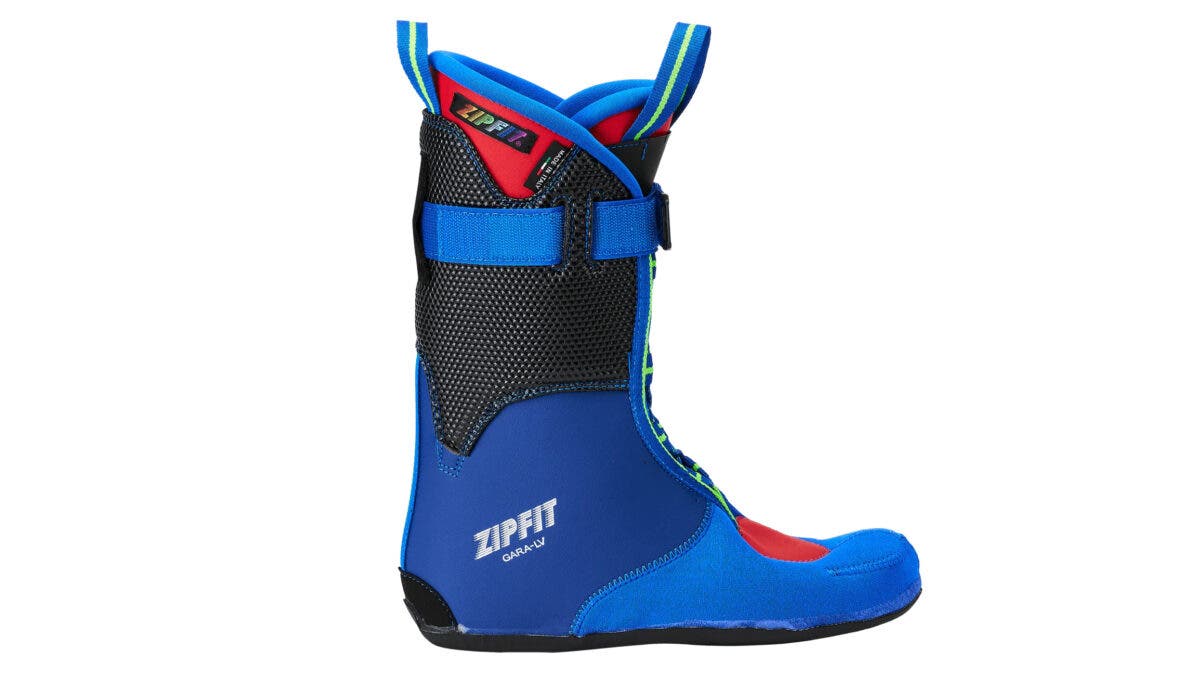
For instance, the author opted to remove the power straps that are integrated into many Zipfit models. While these straps are marketed as a feature that helps create an "inner boot" feel, some skiers find they add excessive bulk within the shell or create unwanted space between the liner’s tongue and the boot cuff. This highlights the modularity and customizability inherent in the Zipfit design, allowing users to fine-tune components for their specific needs. Bootfitters often work with skiers to make such modifications, tailoring the liner to the precise requirements of both the foot and the shell.
The lacing system is another area where personalization can significantly enhance fit. Following a suggestion from Jeff Colt, a colleague at Zipfit, the author adopted a "World Cup" lacing technique. This involves skipping the bottom two eyelets to alleviate pressure on the instep, then wrapping the laces around the back of the liner and tying them high on the tongue. This method optimizes pressure distribution and secures the liner to the foot more effectively. The trade-off, however, is a slightly more involved entry process, often dubbed "World Cup" entry, where the liner is laced onto the foot before stepping into the shell. While this might initially be a "sticking point" for some skiers, particularly those with mobility limitations, the author notes that adaptation is quick, and the use of a shoehorn greatly facilitates entry, even into cold shells. The visual evidence of the liner’s heel showing wear from years of entry without a shoehorn underscores the practical importance of this simple tool for maximizing liner longevity and easing daily use.
A critical aspect of Zipfit’s long-term performance is the ability to replenish the OMFit cork. The author’s experience illustrates this perfectly: cork was first added in year three, as the material had naturally spread and thinned in the tongue and ankle pockets. Now, completing a sixth season, the thought of adding more cork is again surfacing. This stands in stark contrast to foam liners, which irreversibly pack out. With Zipfits, adding cork restores the original, custom fit, effectively resetting the performance clock and extending the liner’s useful life for hundreds more ski days. This proactive maintenance capability transforms the liner from a consumable item into a durable, long-term investment, significantly enhancing its economic value over time.
Zipfits vs. Foam Liners: A Matter of Longevity and Consistent Performance
The debate between custom foam-injected liners and Zipfits often centers on the nuances of performance and, critically, longevity. Foam-injected liners, when properly fitted in conjunction with an ideal shell and footbed, can indeed deliver an extremely high peak performance. The process of injecting expanding foam directly around the foot creates an incredibly precise, "locked-in" connection to the ski, maximizing power transmission and responsiveness. This initial precision can feel unparalleled for a brief period.
However, the fundamental limitation of foam lies in its material properties. Foam, by its nature, compresses and breaks down under repeated stress and pressure. This "packing out" phenomenon leads to a gradual but inevitable decline in performance. While a high-quality foam liner might offer 50 to 75 truly excellent ski days, its performance typically begins to degrade significantly after that, even if the liner itself is physically intact and theoretically rated for a longer lifespan (e.g., 150 days). The loss of initial precision, heel hold, and overall support means that skiers often feel the need to replace foam liners relatively frequently to maintain optimal performance. This frequent replacement cycle not only incurs additional costs but also contributes to increased material waste.
Zipfit liners, with their OMFit cork technology, present a different performance curve. While their initial break-in period may require more patience than a foam injection, their performance profile is characterized by remarkable consistency and restorability. The cork, as previously discussed

